Felting Kits and Needle Felting Kits: Which Kind You Are Buying
8 min read Beginner
Starter kit, project kit, wet felting kit and gift kit are four different purchases sold under one word. Which one suits what you want to make, what a needle felting kit should contain, and what almost every kit leaves out.
Search for a felting kit and you will be shown four genuinely different products under one name: a box of tools, a box of wool matched to one specific object, a wet felting set that looks suspiciously empty, and something shrink-wrapped for a birthday. They suit different people, and the reviews are useless because everyone is reviewing a different kind.
Sorting out which one you are looking at takes about a minute, and it is the whole decision — particularly if you are buying a felting kit for a beginner, where three of the four are the wrong answer.
The four kinds
1. The starter tool kit
Needles, a mat, a holder, thimbles, and a token bag of coloured wool. You are buying equipment that will outlast a hundred projects, and the wool is a sample so you can try it the day it arrives.
Right for: anyone who intends to keep felting and wants to make their own things rather than follow a pattern. This is the kit worth scrutinising properly, and it is the one taken apart piece by piece below.
2. The project kit
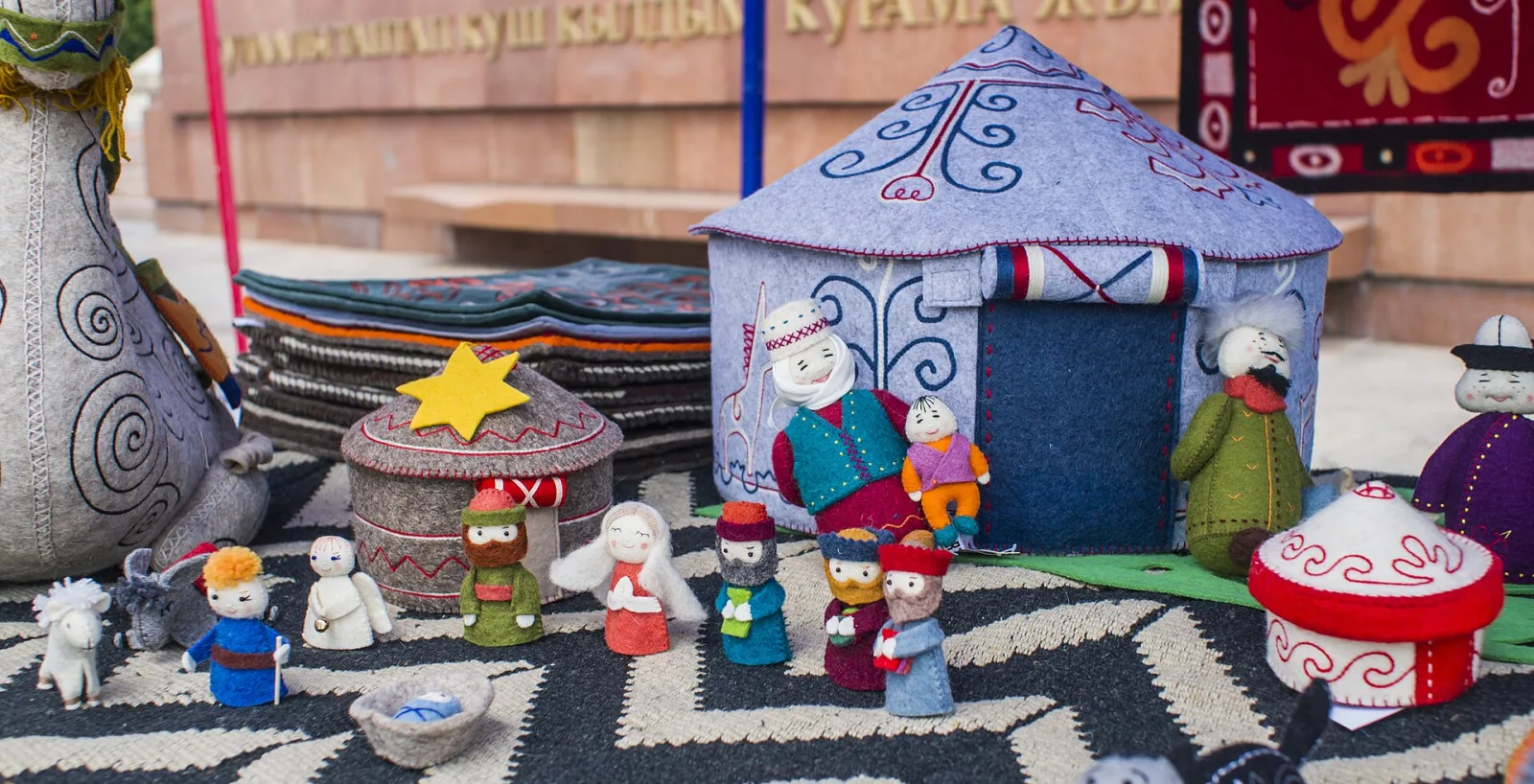
Wool weighed out for one specific finished object — a bee, a gnome, a set of mushrooms — plus a needle or two and printed instructions. The point is that the colours and quantities are already correct, which removes the most common beginner failure: running out of the main colour with a third of the body still loose.
Brands that specialise in these tend to be small and to film every step — Felted Sky is the one people ask about most often, and what is in its boxes is a fair guide to what a good project kit looks like.
Right for: a first success. There is a real argument that everyone should start here, make one thing that looks like the picture, and only then buy tools. If you would rather not buy the wool twice, the patterns in free felting patterns for beginners will tell you what a project actually consumes.
3. The wet felting kit
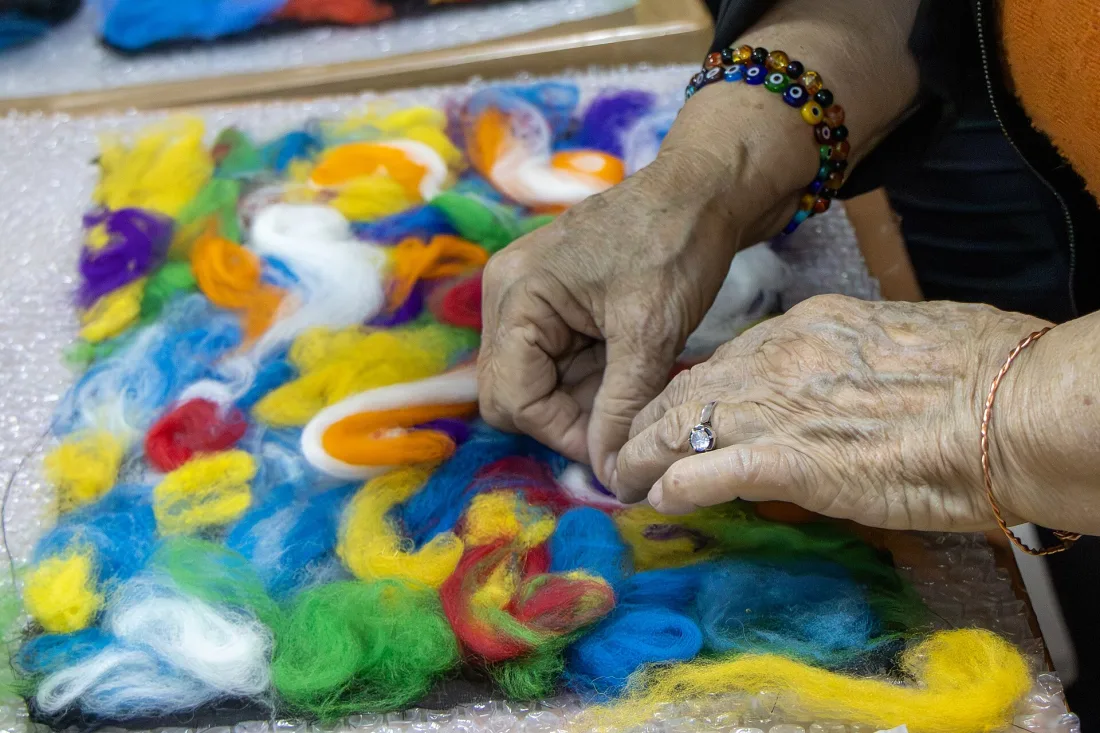
Wool tops, olive oil soap, and usually a bamboo mat and a piece of bubble wrap. It looks like less because wet felting genuinely needs less — the tools are your hands, warm water and friction, which is also why it is the cheapest branch of the craft to enter.
Right for: scarves, flat panels, bowls and anything seamless. Start with wet felting for beginners; the soap in the box matters more than people expect, and best soap for felting explains why.
4. The gift kit
Sold on the box art. Often a small project kit with a nicer sleeve, sometimes a toy-grade set with blunt needles that will not felt anything. The tell is whether the listing names needle gauges and wool weights anywhere. If it does not, it was designed to be given rather than used.
Needle felting kits, piece by piece
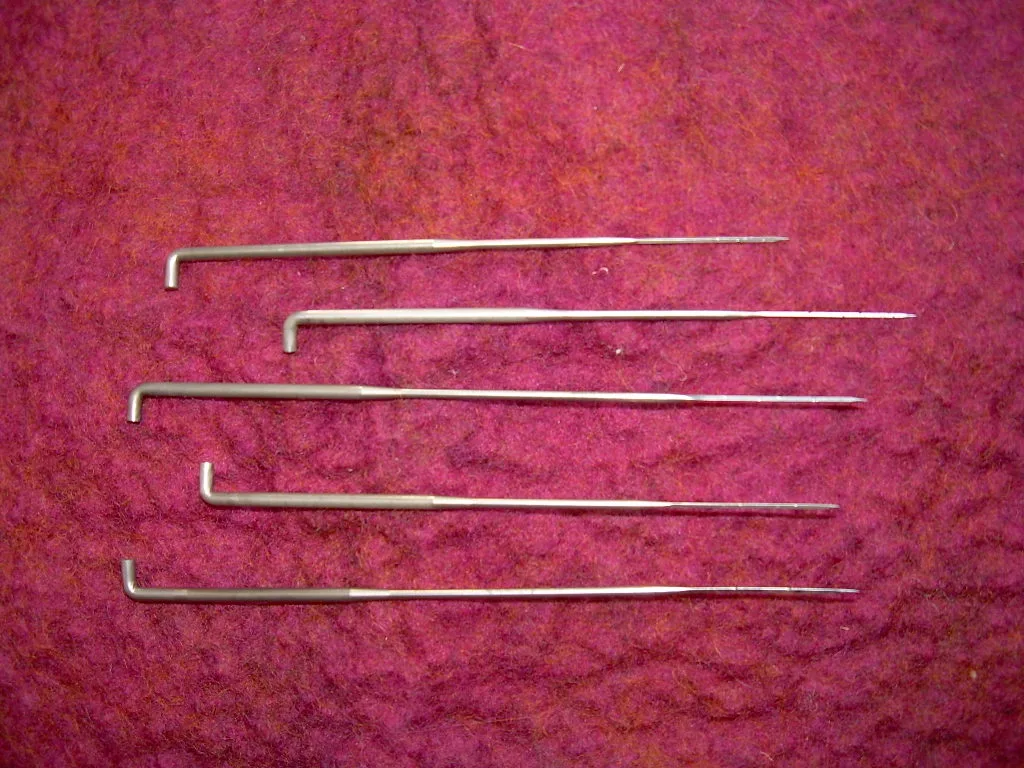
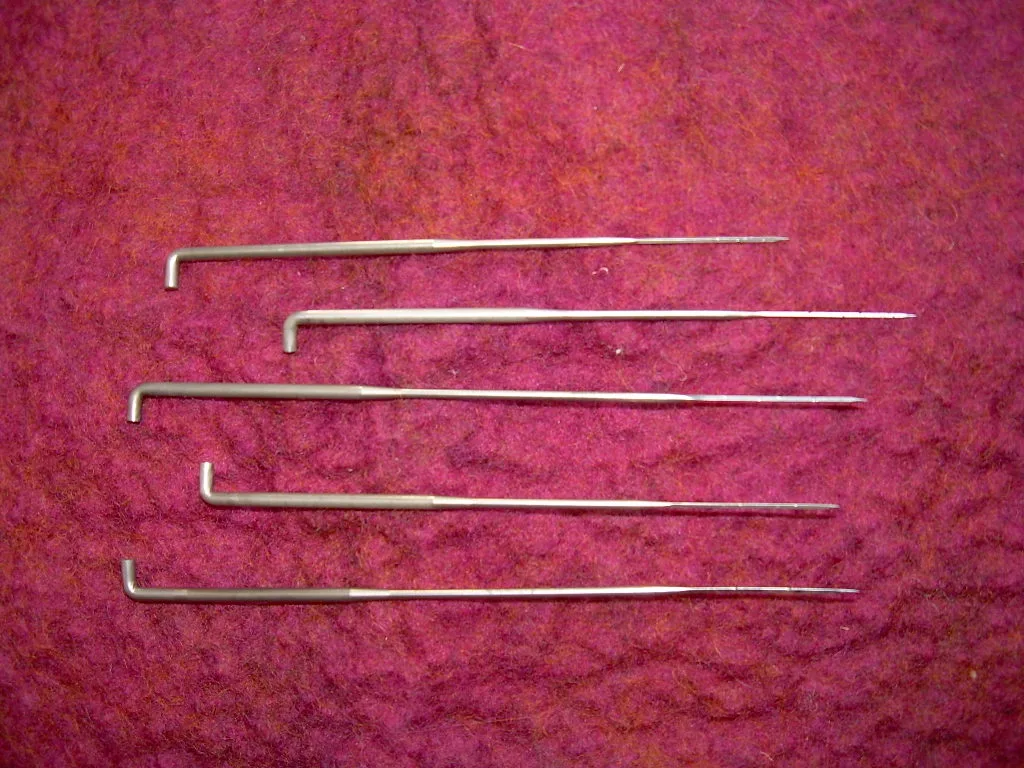
Strip away the packaging and a needle felting kit is four things: needles, a mat, a holder, and finger guards. Some add wool, scissors and a project sheet. Those are the parts that get photographed, and they matter least.
Needles: gauges, not counts
Every needle carries a gauge number, and the scale runs backwards: bigger number, thinner needle. A 36 is coarse and fast and leaves holes, so it is for cores. A 38 is the everyday needle; if a kit holds one gauge, it should be this one. A 40 is for surfaces and anything anyone will look at closely. The whole chart, with blade shapes, is in felting needles explained.
That is why "40 needles" is a quantity and "12 needles in 36, 38 and 40 gauge" is a specification. The two kits cost about the same, and only the second one gives you more than one speed of work. Blade shape matters too, and listings almost never state it: triangle is the right default, star moves more fibre and blunts faster, spiral leaves a smoother surface, and a reverse needle pulls fibre out to raise fur.
The mat is where the money should go
It is the part that most affects both your needles and your hands, and the part manufacturers cut first. Thin open-cell packing foam crumbles into the wool and lets the needle reach the table, which is how needles bend and then snap. You want dense upholstery foam at least two inches thick, a wool pad, or a bristle block; the options are compared in felting mat alternatives.
Holder and thimbles
Bare needles work fine, but a holder turns a fiddly grip into a comfortable one and is the cheapest comfort in the box. A multi-needle version speeds up flat and bulk work; see needle felting pens. Leather thimbles beat rubber ones, which the needle goes straight through.
Three things almost no kit includes
- Core wool. Kits ship bright colours because colours photograph. The inside of a sculpture should be cheap, coarse, undyed wool that felts faster and costs a fraction as much; see core wool.
- Enough of one colour. A kit's fibre pack is a sampler. The first hand-sized piece runs out halfway, and dye lots do not match. Buy the main colour by weight; wool roving for felting covers the forms it comes in.
- Armature wire. Anything with legs needs a skeleton; see wire armature for needle felting.
Reading a listing
- Gauges named, not just counted. A kit that names 36/38/40 was put together by someone who felts.
- Mat thickness stated. If the number is missing, assume it is thin.
- Wool given by weight and by type. "Eight colours" says nothing about whether there is enough of any one, and "wool" could be anything; best wool for felting explains why merino and a coarse carding blend behave so differently.
If the kit is for a child
This is the most common reason a needle kit gets bought and the one the packaging is least honest about. A felting needle is a barbed steel spike that catches on the way out as well as the way in. The injuries are not dramatic; they are small, frequent and discouraging. Ten and up with someone at the table is a realistic floor. Below that, buy a wet felting kit: the same wool, warm water, soap and hands, nothing sharp. The reasoning is in is needle felting dangerous, and there are needle-free routes in how to felt without a felting needle.
Animal kits, and why they are the most common purchase
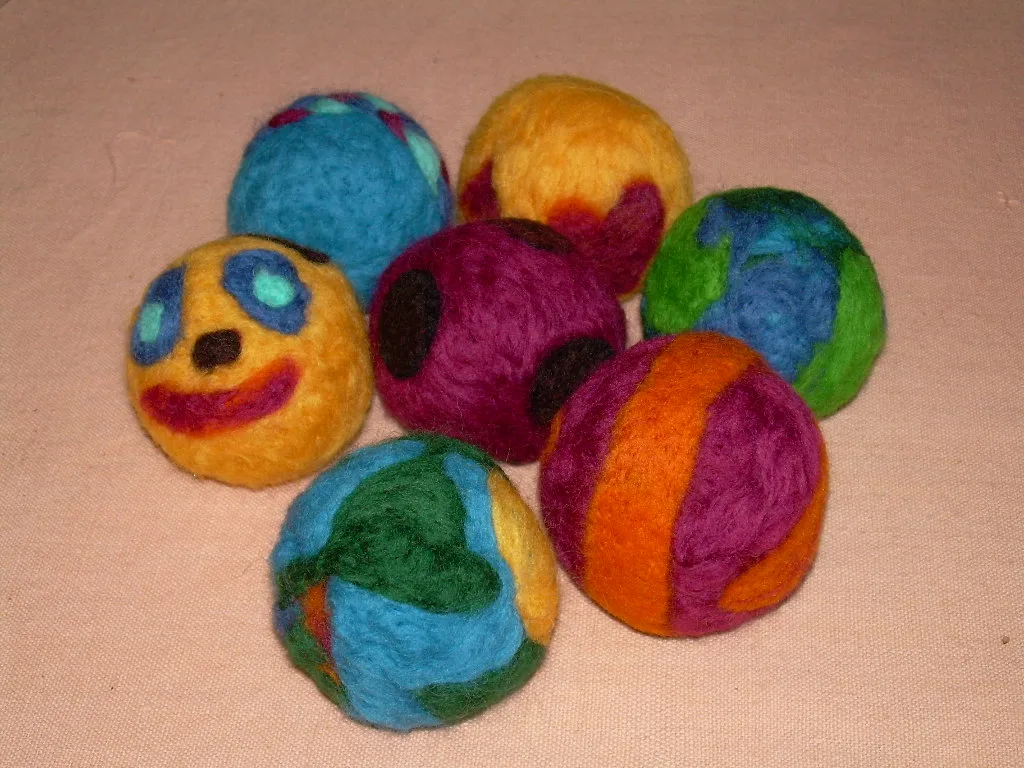
Most project kits are animals, and most people's first felted object is one. They work as a kit because an animal is forgiving: the shapes are round, the surface hides a multitude of uneven passes, and the whole thing can be rescued by adding wool.
Before buying one, it is worth knowing the shape of the job — needle felted animals for beginners covers the build order, and wire armature covers the one thing kits for legged animals routinely omit. If the kit is for something round and seated, like felted mushrooms or a felted gnome, you will not need wire at all.
Ornament and stocking kits
A large share of felting kits sold are seasonal: ornament sets, felted stockings, advent figures. They are project kits with a deadline, and they are worth separating out because the felting in them is often minimal — many stocking kits are cut felt, sequins and embroidery rather than wool you felt yourself.
If you want the making to be felting, check that the kit contains loose wool rather than die-cut sheets. The genuinely felted seasonal projects are covered in felted Christmas ornaments, and all of them can be made from wool you already own.
When a kit is the wrong purchase
Three cases:
- You already own needles and a mat. Then you are paying for a third mat to get an ounce of wool. Buy the wool.
- You know what you want to make and it is large. Kit quantities are sized for palm-sized work. Anything bigger needs wool by the bag, and mixing dye lots partway through shows.
- You want to learn wet felting properly. A kit gets you one scarf. A session with someone who can feel when the fibre has turned teaches you the thing no instruction sheet conveys — wet felting classes and needle felting classes cover what to expect.
What to check the day it arrives
Five minutes with the box open saves a fortnight of blaming yourself for the equipment.
- Push a needle into the mat. If it reaches the table before the crank reaches the foam, the mat is too thin and your needles will snap on it.
- Weigh the main colour, or at least handle it. Wool is astonishingly light; what looks like a generous bundle is often a third of an ounce.
- Check the needles are not all identical. Roll them on a flat surface — a bent one wobbles, and a bent needle breaks in use.
- Read the instruction sheet before you start. Project kits assume a build order, and the order is usually the difference between a shape that holds and one that stays soft in the middle.
Building your own kit instead
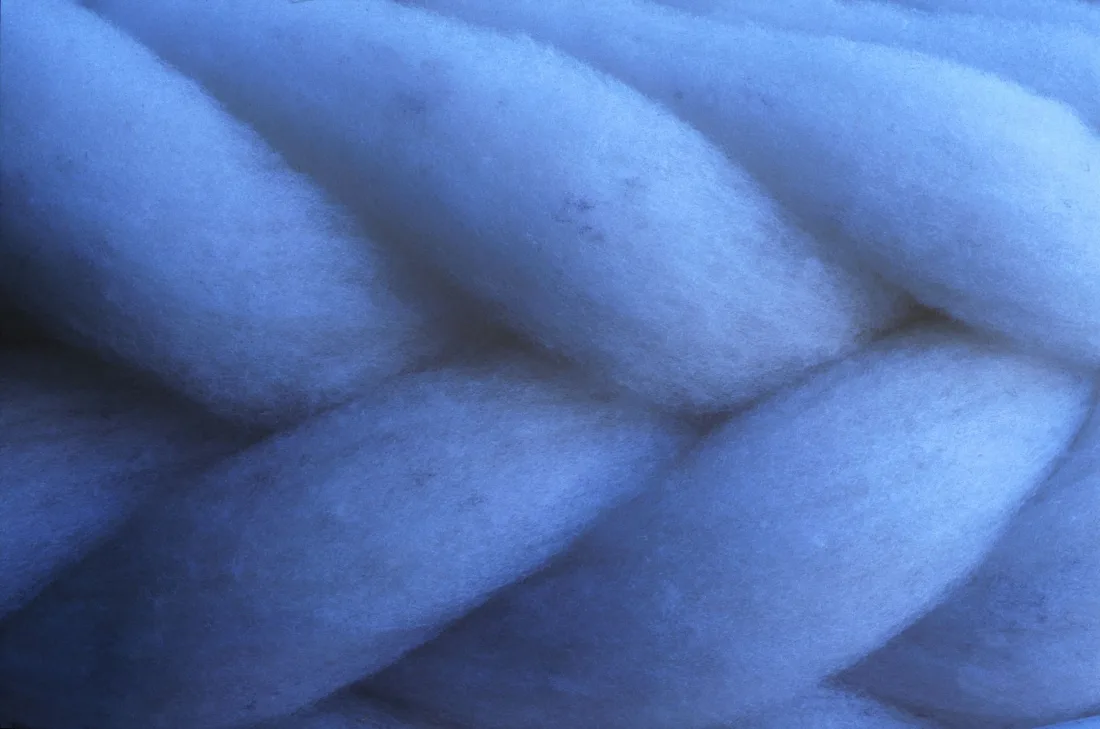
If you would rather assemble it, the list is short: a dozen needles across 36, 38 and 40 gauge, a mat you can push a needle into up to the crank without touching wood, a single-needle holder, two leather thimbles, a bag of core wool, and one or two surface colours by weight. That is the whole setup, and felting supplies for beginners goes through it in order of what to buy first.
The advantage is not saving money — assembled from scratch it lands in much the same place — it is that every piece is one you chose, so nothing in the drawer is a duplicate. The disadvantage is four separate decisions before you have felted anything, which is exactly what a kit exists to remove.
After the kit
The useful thing a kit gives you is not the object; it is a calibrated sense of how long felting takes and how much wool disappears into a shape. Once you have that, the next purchase is almost always wool in quantity rather than another box.
From there, needle felting techniques and wet felting a bowl are the two directions people usually go — one adds control, the other adds scale. Both of them start with the same ounce of wool you have left over.
Frequently asked questions
Are felting kits worth it for beginners?
For a first attempt, yes. A kit removes every decision at once, and the decisions are the hard part before you have felted anything. Past the second or third project it stops being good value, because you accumulate duplicate mats and thimbles you do not need.
What is the difference between a needle felting kit and a wet felting kit?
A needle felting kit is mostly tools — needles and a mat — with a little wool. A wet felting kit is mostly wool, because the tools are soap, warm water and a bamboo mat you may already own. That is why wet felting kits look sparse and are often the better value.
What age is a felting kit suitable for?
Needle felting kits are realistically for ages ten and up with supervision — the needles are surgically sharp and barbed, so they catch on the way out. Wet felting has no sharp anything and works from about five.
How many felting needles do I need to start?
Three or four working needles, in 36, 38 and 40 gauge. You will break some, so a pack of a dozen is sensible, but a pack of forty identical needles is forty copies of the same answer to one question.
How much wool does a felting kit need to contain?
For a hand-sized needle felted animal, around 1 oz of core wool plus a half ounce of surface colour. Kits that list wool in "packs" or "colours" rather than weight are the ones people run out of halfway through.
Topics
Image credits
- Small felted figures of the kind a project kit is designed to make — Vilya Shoni (BY 4.0)
- Balls of dyed wool roving in purple shades — Valentin Ivantsov (Pexels License)
- Five felting needles laid side by side — Danielle Keller (Danielle_dk) (PUBLIC DOMAIN)
- Combed wool drawn into a smooth continuous length — Textile and Fibre Technology, CSIRO (BY 3.0)