How to Cast On Knitting
Long-tail for almost everything, knitted-on when you are learning, cable when the edge must be firm, backward loop when you need three stitches in the middle of a row.
4 min read Beginner
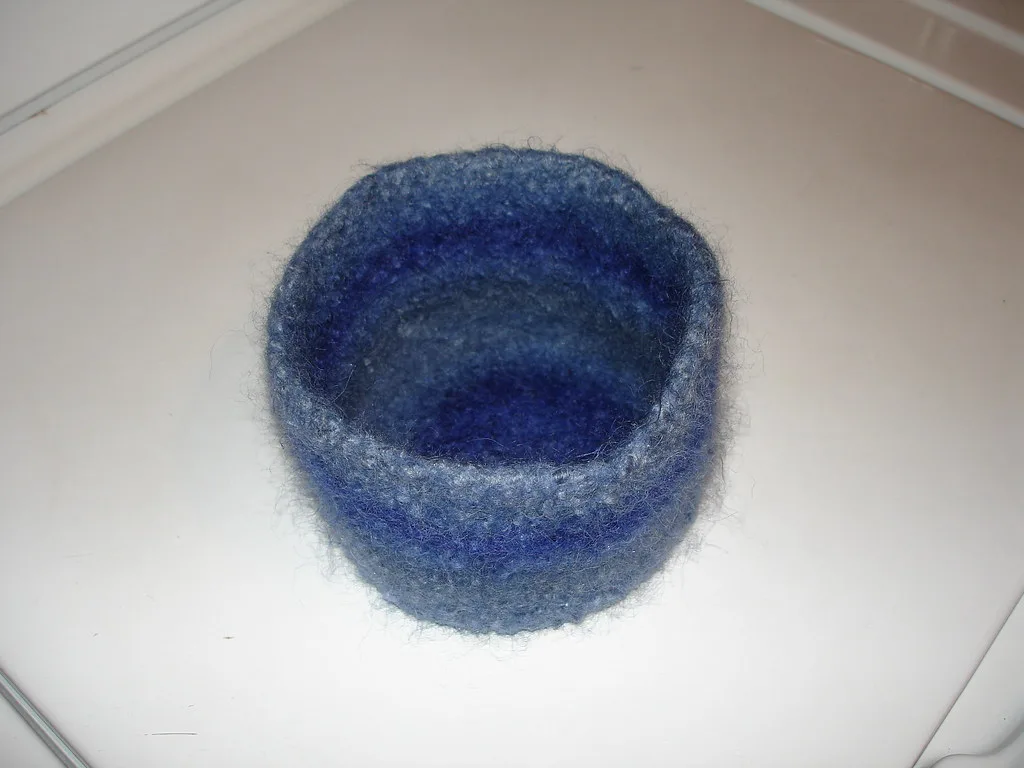
The knitting side of working with wool — leaf patterns, casting on, needle sizes and knitting faster — including the pieces that go on to be felted.
Long-tail for almost everything, knitted-on when you are learning, cable when the edge must be firm, backward loop when you need three stitches in the middle of a row.
4 min read Beginner
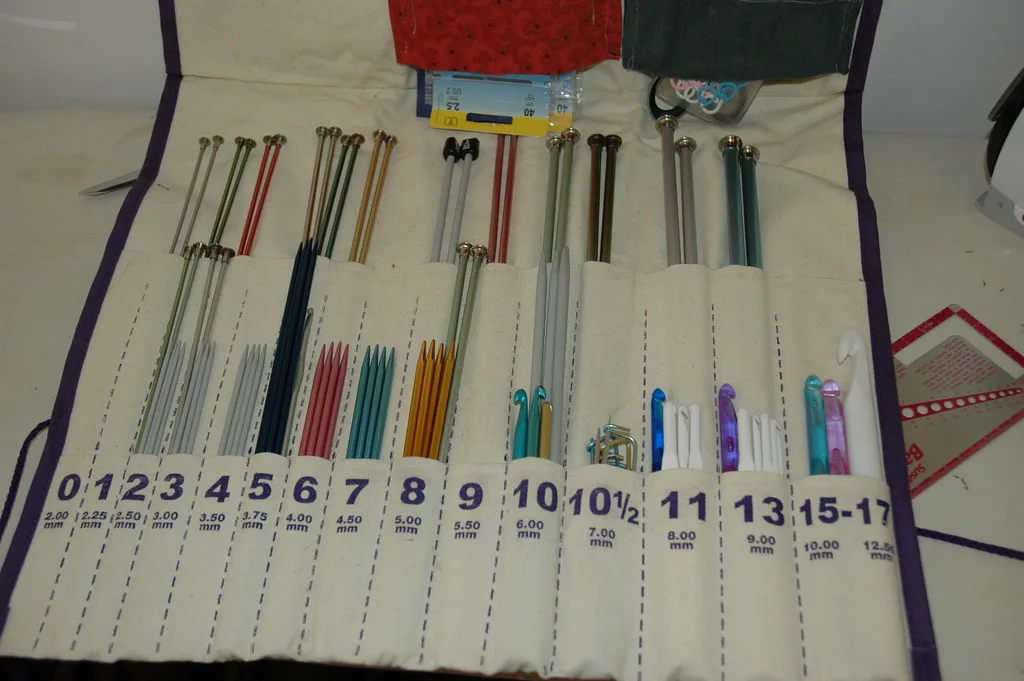
UK numbers run backwards, US numbers run forwards, and only the millimetre measurement means anything. A £3 gauge settles every argument in ten seconds.
3 min read
Speed comes from cutting motion, not from hurrying. The fastest knitters in the world move the yarn a few millimetres per stitch and never let go of the needle.
4 min read
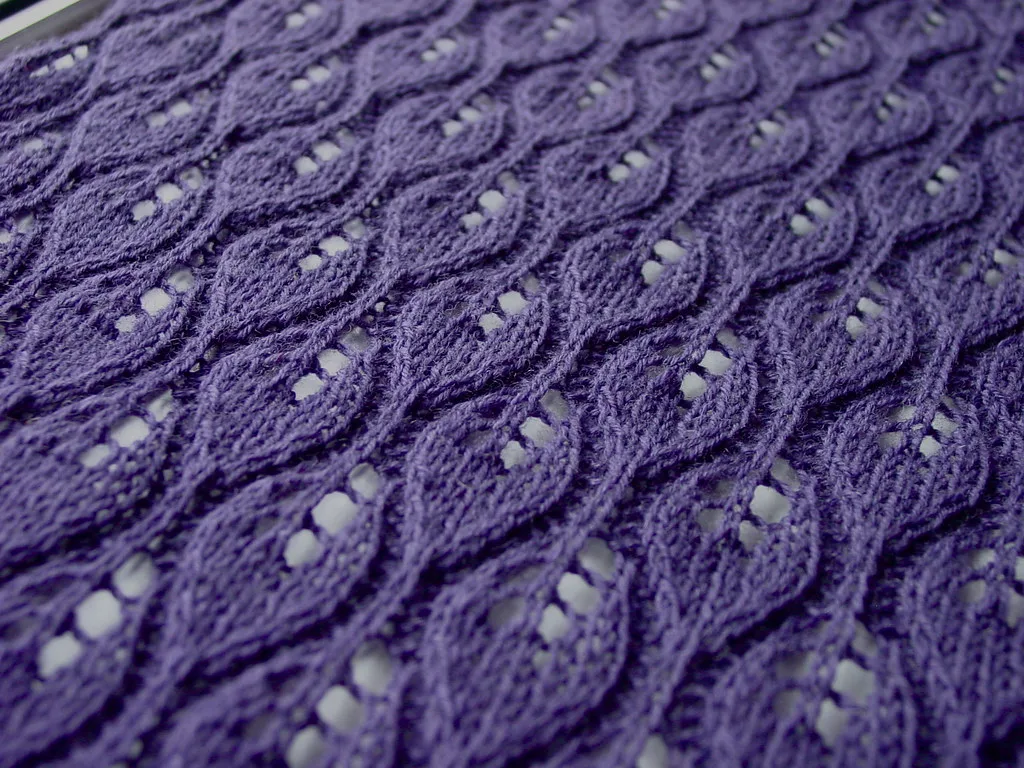
Two complete patterns from one eleven-stitch leaf repeat — a straight scarf you can start tonight, and a top-down triangular shawl with a leaf border.
4 min read Intermediate
One eleven-stitch repeat, one right-side row to remember, and every wrong-side row purled. It makes columns of leaves — or, with four plain rows between, leaves scattered across the fabric.
3 min read Beginner
A knitted leaf is a triangle worked twice — increase to the widest point, decrease back to a tip. Twenty-one rows, three stitches to start, and it works in any yarn you have.
4 min read Beginner
Sculpt wool into animals, figures and decorations with barbed needles. Start with the basics, then work up to armatures, faces and fine detail.
Warm water, soap and friction turn loose fibre into solid fabric. Learn layouts, shrinkage and resists for scarves, soaps, vessels and flat felt.
Felt merino through open-weave fabric to create light, drapey textiles. Fabric choice, fibre weight and migration, explained clearly.
Complete makes with photos at every stage — animals, flowers, ornaments and home decorations, sorted by how much experience they need.
Printable templates, measurements and shaping guides you can follow exactly, or adapt once you know what the shapes are doing.
The core techniques, one skill at a time — each written as a sequence you can follow at the table with wool in your hands.
Which needles, wool and mats are actually worth buying — what the gauges mean, what to skip, and what a starter kit really needs.
Fixes for the things that go wrong: fuzzy surfaces, broken needles, wool that will not felt, and shapes that refuse to hold.
Why leaves fall when they do, what a cobweb actually is, and the seasonal makes that follow from both.
What to do with the pumpkin once it is carved — cooking from fresh, including the parts most people throw away.