Best Wool for Felting: Choosing Fibre That Actually Works
4 min read
We may earn a commission from links on this page, at no extra cost to you. As an Amazon Associate I earn from qualifying purchases. Learn more.
Merino, corriedale, core wool, batts and tops explained — which fibre felts fastest, which gives the best surface, and which will never felt at all.
Most felting problems that look like technique problems are fibre problems. Wool that will not hold a shape, a surface that stays hairy, a wet felted piece that falls apart in the rinse — all three usually come down to the wrong fibre rather than the wrong hands.
This guide covers what the labels mean and what each fibre is genuinely good for.
First: the fibre must be feltable at all
Wool felts because each fibre is covered in microscopic scales that catch on one another. Anything that removes or coats those scales removes the ability to felt.
That rules out:
- Superwash wool. Treated specifically so it will not shrink in a washing machine. Excellent for socks, useless for felting.
- Acrylic and most synthetics. No scales, no felting.
- Plant fibres — cotton, linen, bamboo. They can be trapped inside wool felt but will not felt on their own.
- Silk, which behaves the same way: beautiful as a surface decoration held in place by wool, incapable of felting by itself.
If a label does not say, assume nothing and test a pinch. Two minutes of stabbing will tell you.
Micron count: the number that matters
Fibre diameter is measured in microns. Lower numbers are finer and softer; higher numbers are coarser and, generally, faster to felt.
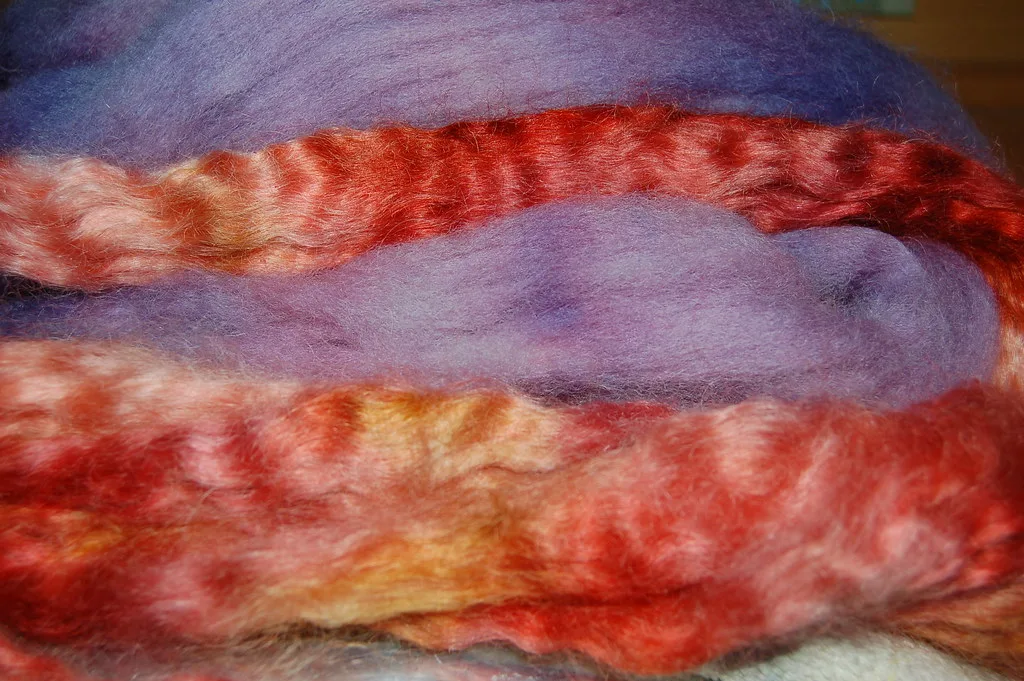
- Merino, 18–24 micron. Very fine and soft. Takes dye brilliantly, which is why almost every vivid colour you see is merino. Felts beautifully but slowly under a needle, and its softness means a needle felted merino sculpture stays slightly springy.
- Corriedale, 25–31 micron. The best all-round needle felting fibre. Coarse enough to lock quickly and hold a crisp edge, fine enough to look good. If someone recommends one wool to a beginner, it is usually this.
- Romney, Perendale and similar, 30–36 micron. Coarse, fast, hard-wearing. Good for large sculptures and anything structural.
- Shetland, Jacob, Icelandic and other breed wools. Enormous variety, often lovely natural colours, and a good reason to buy from small producers once you know what you like.
Tops, roving and batts
These words describe how the fibre was prepared, not which sheep it came from — and preparation changes how the fibre behaves.
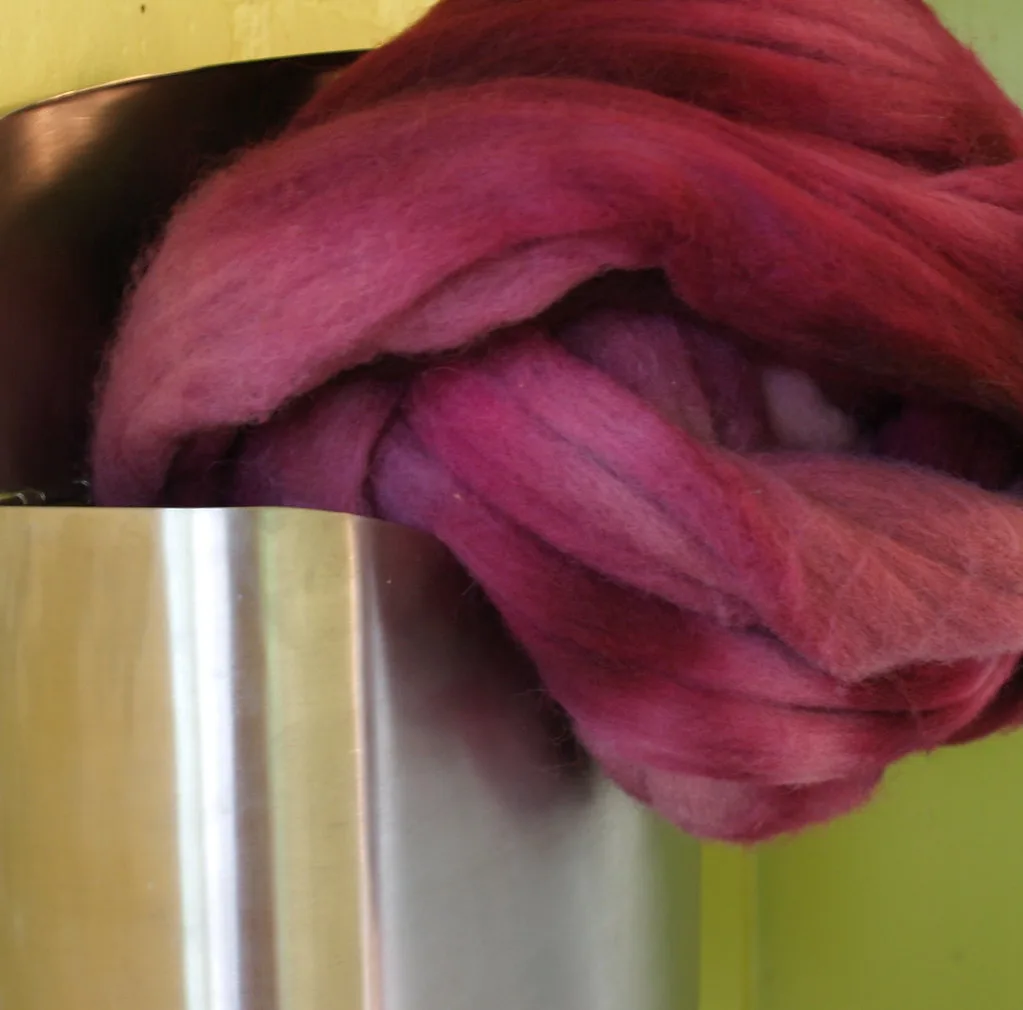
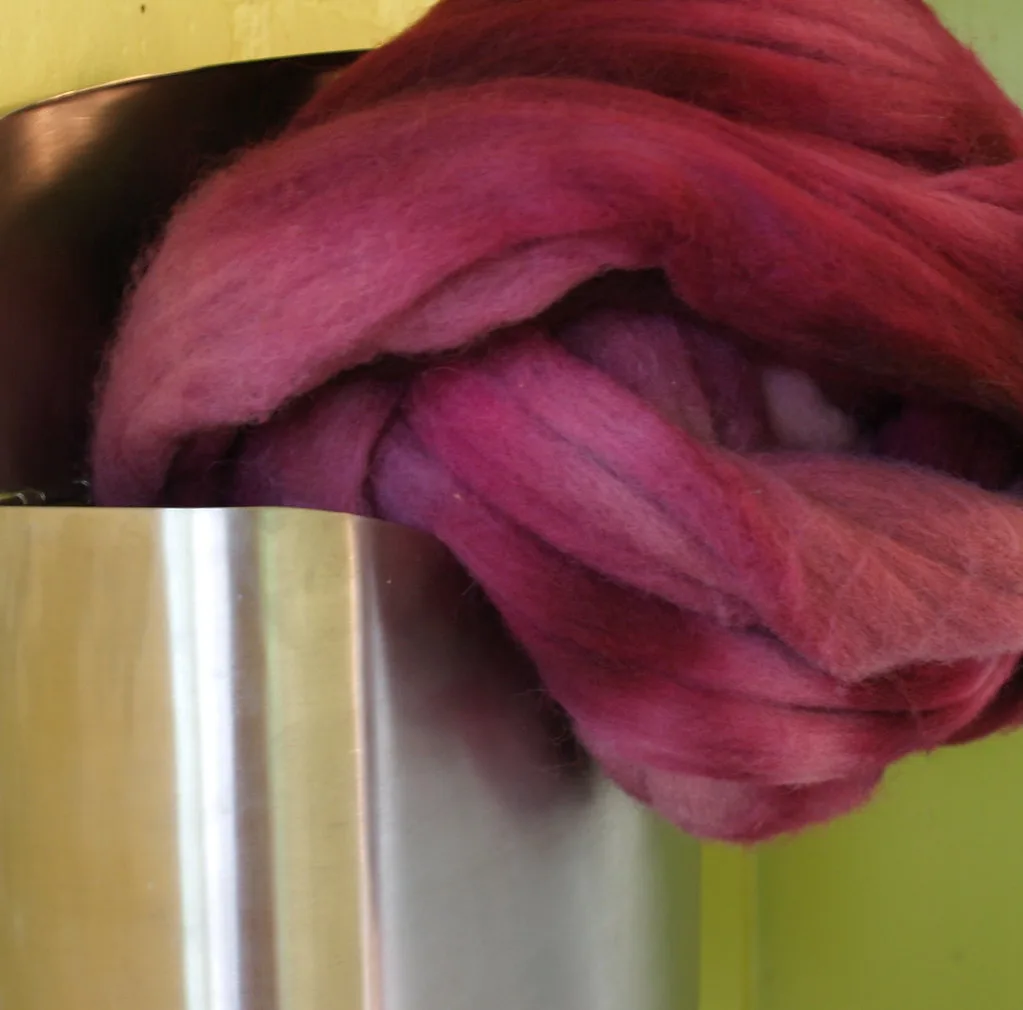
- Tops are combed so all fibres lie parallel, with short fibres removed. Smooth, lustrous, and slightly slower to felt because parallel fibres have less to catch on. The standard form for coloured surface wool.
- Roving is carded rather than combed, so the fibres are less strictly aligned. In everyday use the two words are used interchangeably, especially in the US.
- Batts are carded into a wide, airy sheet with fibres going in all directions. That disorder makes batts the fastest-felting preparation, and the easiest to blend colours in.
- Core wool is cheap, undyed, usually coarse wool sold specifically for bulking out the inside of sculptures.
What to use for what
Needle felted sculpture
Corriedale core wool inside, corriedale or merino colour outside. Building the mass from cheap core wool and applying a thin coloured skin costs less, felts faster and produces a better surface than using dyed wool throughout. It is standard practice, not a shortcut.
Wet felting flat pieces
Merino tops. Fine fibre migrates and knits together better under water and friction, and gives a smoother finished fabric. Coarser wool works but produces a sturdier, rougher cloth — a good thing for bags and slippers, less so for scarves.
Nuno felting
Fine merino, 18–19 micron, and as little of it as you can get away with. The wool has to migrate through the weave of the fabric, and coarse fibre simply will not pass through fine silk. See our guide to nuno fabrics for the other half of that pairing.
Felt balls and beads
Anything coarse and cheap. Nobody sees the inside. Our felt ball tutorial covers the technique.
How much to buy
Wool is sold by weight and looks like far more than it is, because it is mostly air. As rough guidance:
- A small needle felted animal: 20–30 g of core wool plus a few grams of colour.
- A wet felted scarf: 80–120 g of merino tops.
- A pair of slippers: 150–200 g.
Buy core wool in bulk — you will use more of it than you expect — and colours in small quantities until you know which ones you actually reach for.
Storing it
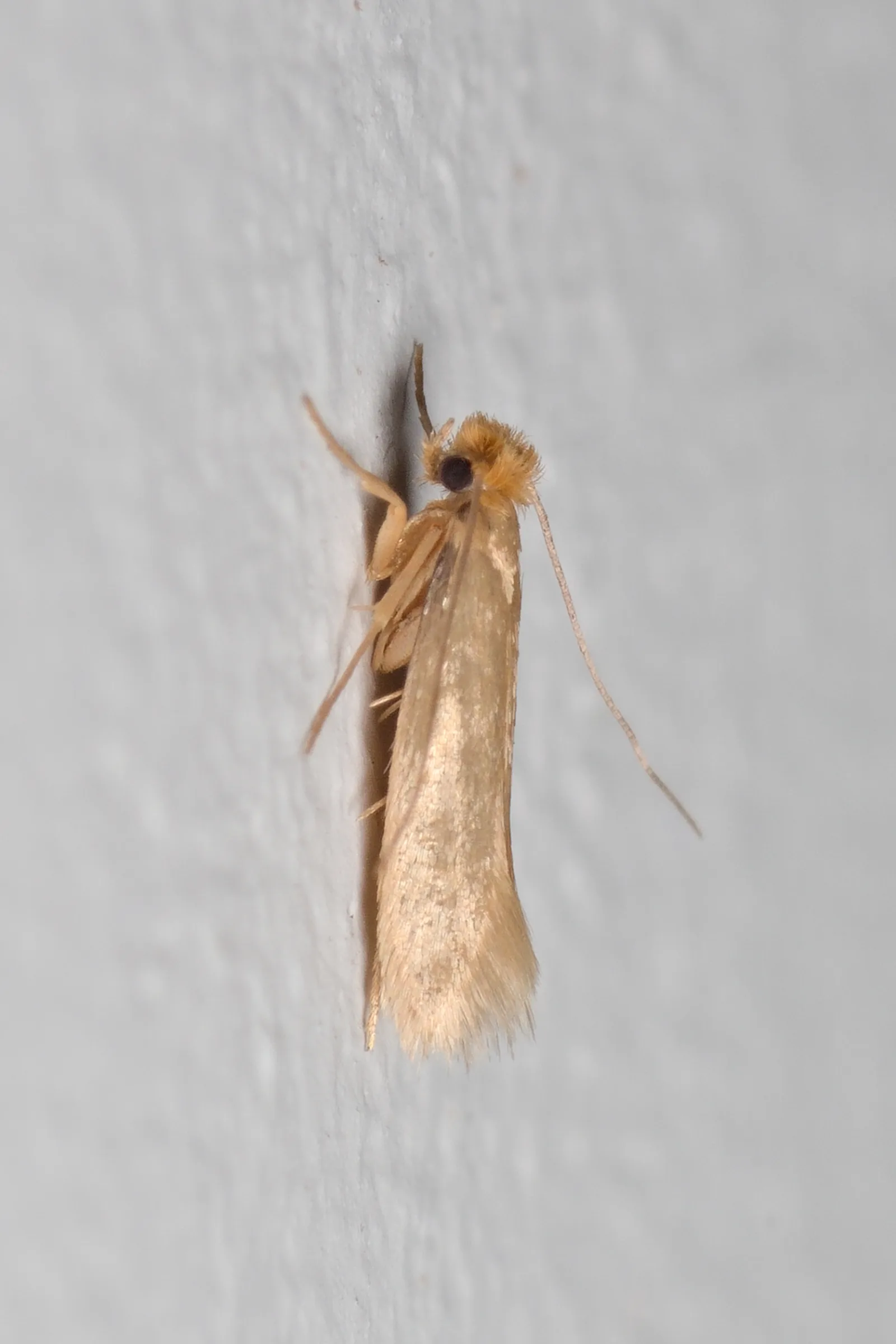
Wool needs air and protection from moths. Sealed plastic boxes are fine for short periods but trap moisture over months; cotton bags in a closed cupboard are better. Cedar or lavender deters moths mildly. The real protection is checking your stash occasionally rather than discovering the damage a year later.
With fibre and needles sorted, everything else is technique — start with the beginner guide.
Frequently asked questions
What is the best wool for felting?
Merino at 19 to 23 microns for wet and nuno felting, where softness and speed matter, and corriedale at around 27 microns for needle felting, where a slightly coarser fibre grips faster and holds a shape better. Undyed core wool goes underneath both, because it costs far less.
Can you felt with any wool?
No. Superwash wool has had its scales removed or coated and will never felt, and synthetics and plant fibres do not felt at all. Anything labelled machine washable is precisely the wool to avoid.
What is the difference between tops, roving and batts?
Tops and roving are combed, so the fibres lie parallel, which suits smooth wet felted surfaces. Batts are carded, with fibres running in every direction, which makes them faster to needle felt and much easier to blend.
How much wool do I need?
Roughly 100 g of merino for a scarf-sized wet felted piece, 3 to 4 g for a 3 cm felt ball, and 20 to 30 g of core wool for a small needle felted animal. Buy core wool in bulk, because you will get through more of it than anything else.