Needle Felting Mat or Pad: Foam, Brush, Wool, and What to Use Instead
5 min read Beginner
We may earn a commission from links on this page, at no extra cost to you. As an Amazon Associate I earn from qualifying purchases. Learn more.
The mat only has one job: to receive the needle after it leaves the wool. How foam, brush and wool felting pads compare, how to make one, and which household stand-ins work and which snap needles.
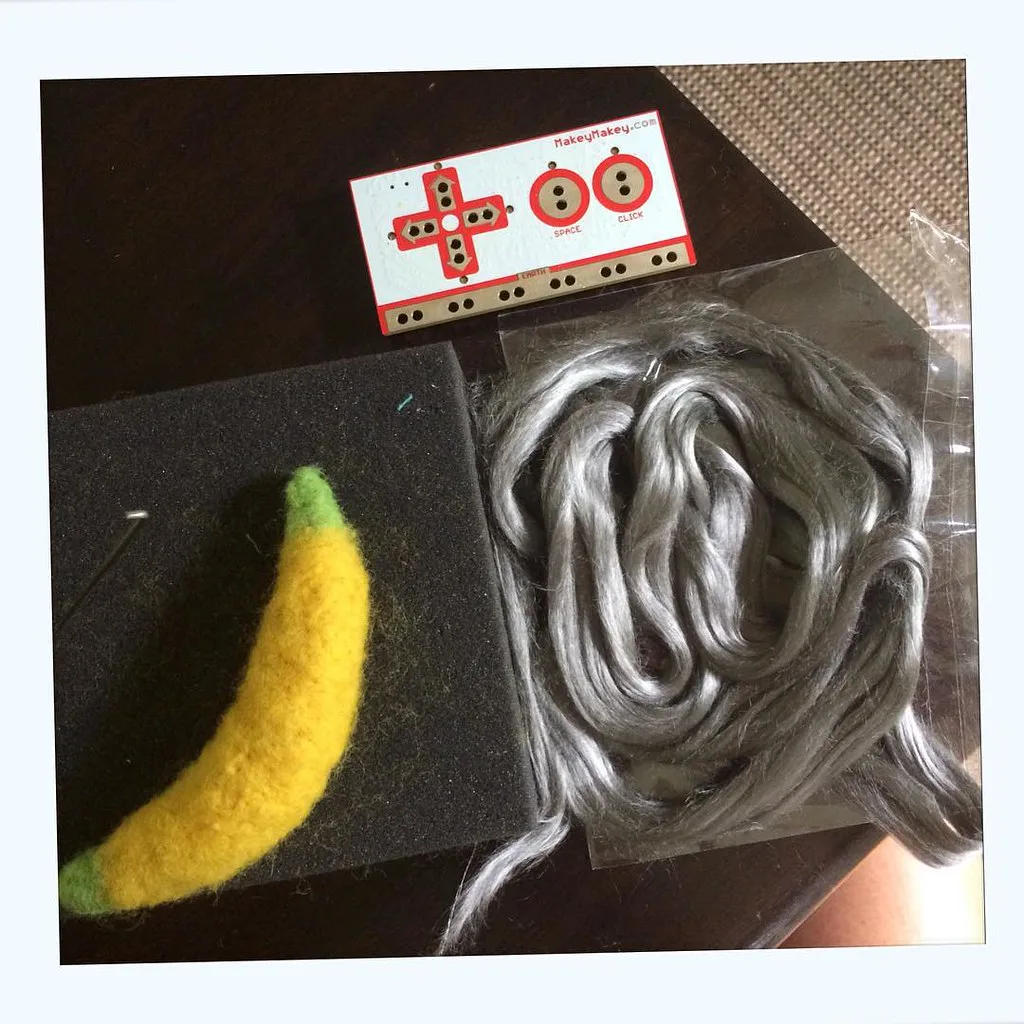
The felting mat is the least interesting item in the kit and the one people most often buy wrong. Its job is simple: catch the needle after it has passed through the wool, protecting the tip, the table and you. Everything else is preference.
The options at a glance
| Surface | Best for | Lasts | Watch out for |
|---|---|---|---|
| Dense foam pad | 3D shapes, general use | Months; flip it | Crumbs in pale wool once it wears |
| Brush mat | Flat work, pictures, applique | Years | Cannot press a shape into it |
| Wool felting pad | Everything; quiet and gentle on tips | Years | Work felts onto the pad if left in one spot |
| Rice or buckwheat bag | Large pieces, working on your lap | Indefinitely | Needs a tight weave so nothing leaks |
| Folded towels | Getting started today | A project or two | Springy; fibres snag |
The options, one by one
Dense upholstery foam
The default, and it works. High-density foam, at least 2 in (5 cm) thick, from an upholstery supplier or an offcut bin — not a sponge, not a packing insert, not a memory foam pillow.
Cheap open-cell foam disintegrates within a few projects and sheds crumbs into the work, which is very visible on white wool. Dense foam survives months. A 12 in square offcut costs a fraction of a branded felting pad and outlasts it. Two habits double its life: rotate it so you are not always stabbing the same patch, and flip it when the top goes soft.
A piece of burlap (hessian) stretched over the foam is an old trick for flat work: the needle drags fibre into the weave and the piece lifts off cleanly, and it stops foam crumbs reaching the wool.
Brush mats
A block of stiff plastic bristles, sold for felting or repurposed from a dog slicker brush. The needle slides between the bristles instead of into anything, so nothing wears out and nothing sheds.
Better than foam for flat work: the bristles hold the wool slightly proud of the base, so the fibres tangle with each other rather than being pressed flat. Worse for 3D, because you cannot bury a shape in it.
Rice or bean cushion
A tight cotton bag filled with dry rice, lentils or buckwheat hulls. It has weight, it moulds around whatever you rest on it, the needle passes between the grains, and it lasts indefinitely.
The best option for large or awkward shapes and for anyone working on their lap. Half an hour to sew and effectively free:
- Cut two pieces of tightly woven cotton, such as canvas or denim, 10 × 12 in (25 × 30 cm).
- Sew round three sides with a small stitch, or twice round on a machine.
- Fill two-thirds full with about 3 lb (1.4 kg) of dry rice, or buckwheat hulls for a lighter pad. Too full and it is as hard as a board; the grains need room to part.
- Sew the last side shut, then make a removable cover from an old pillowcase so the pad itself never needs washing.
Wool pad
A block of firmly felted wool, usually 1½ to 2 in thick. This is what most people mean by a "felting pad" when they buy one ready made, and it is worth having if you felt often: it is kind to needle tips, it does not shed, and it is completely silent, which matters more than it sounds if you felt in the evenings. A tightly rolled towel stitched closed is the free version.
The catch is that your project can felt onto the pad if you work in one spot too long. Lift and reposition frequently.
Household stand-ins
- Folded towels — six or seven layers. Perfectly usable, slightly springy.
- A sofa cushion in a bag — works, but a stray needle in a cushion you sit on is a genuinely bad outcome.
- A block of florist's foam — disintegrates immediately. Do not.
- Cork or a chopping board — no give at all, so the needle tip hits hard and snaps. Do not.
What actually matters
- Thickness. At least 2 in (5 cm), so a 3½ in needle cannot reach the table.
- Give without grip. The needle should enter easily and come back out without dragging. Dragging is the fastest route to a bent needle — see breaking felting needles.
- No shedding. Anything that crumbles ends up inside pale work.
- Size. Bigger than the piece. Around 8 × 10 in covers most small sculpture; flat pictures want 12 in or more. Working at the edge of a small pad is how people stab their supporting hand.
Protecting your fingers as well
The mat protects the table; nothing protects the hand holding the work. Leather thimbles on thumb and forefinger are the standard answer and cost very little. The other half of it is habit: keep the supporting hand beside the needle rather than underneath it.
Finger guards for small pieces
For tiny shapes, hold the work against the pad with the flat of a spare needle or a wooden skewer rather than a fingertip. Slower and considerably better than the alternative.
A pad for each purpose
Most people end up with two: foam for building 3D shapes, where being able to press the work in helps, and a brush mat or rice cushion for flat panels and surface work. Between them they cover everything, and neither needs to be the branded version.
If you are still assembling a kit, the rest of the list is in felting supplies for beginners, and what a boxed kit's mat is usually like is in felting kits. Wet felting uses a different surface altogether, a rolling mat; see bamboo mat for felting.
Frequently asked questions
What can I use instead of a felting mat?
Dense upholstery foam, a stack of folded towels, a rice-filled cushion, a wool pad, or a stiff wire pet brush. Anything that lets the needle pass through the wool and stop safely will do the job.
Is a brush mat better than a foam pad?
For flat work, yes. Bristles hold the wool up rather than compressing it and they do not shed foam crumbs into your project. For 3D shapes a foam pad is easier because you can push into it.
How thick should a needle felting pad be?
At least 2 inches (5 cm), so a 3 to 3.5 inch needle pushed in up to the working end never reaches the table underneath.
Why does my felting mat keep shedding?
Soft or open-cell foam breaks up under repeated stabbing and the crumbs work into pale wool where they show. Denser upholstery foam lasts far longer, and a brush or wool pad sheds nothing at all.
Can you needle felt without a mat at all?
Only on shapes firm enough that the needle never comes out the other side. Anything flat or thin needs something underneath, or you will break needles on the table and stab your leg.