Projects
Felt Flowers
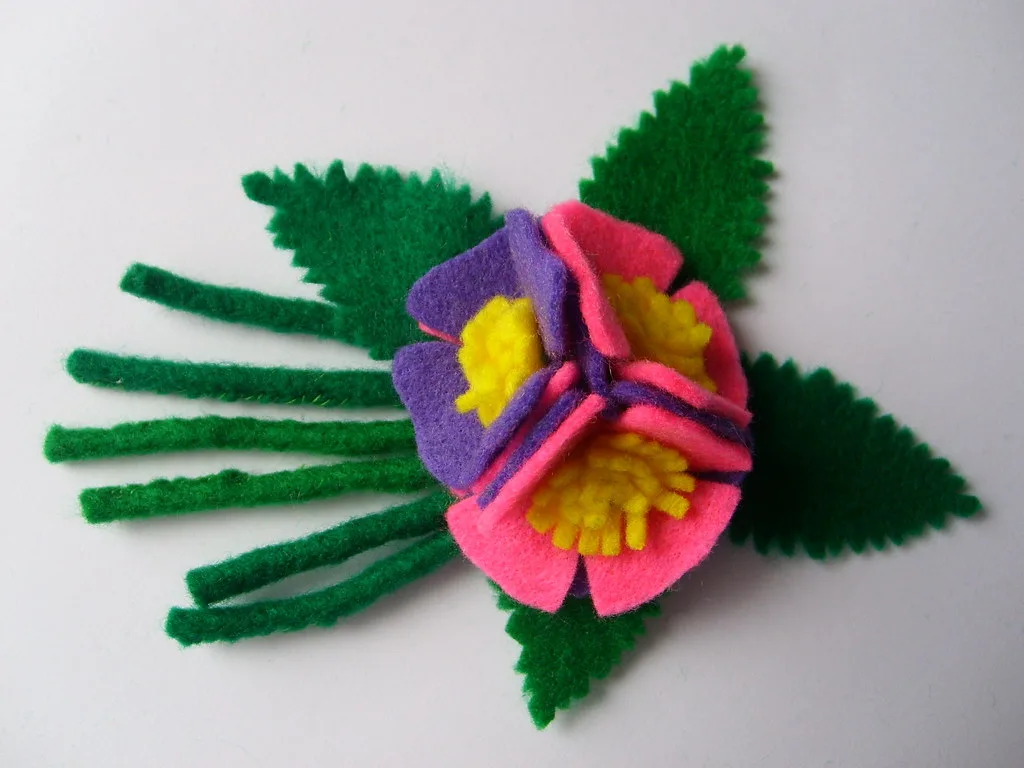
Three ways to build a flower from felt cloth — rolled, stacked and petal by petal — which suits which bloom, and the cutting that decides whether it looks made or bought.
6 min read Beginner
Printable templates, measurements and shaping guides you can follow exactly, or adapt once you know what the shapes are doing.
Three ways to build a flower from felt cloth — rolled, stacked and petal by petal — which suits which bloom, and the cutting that decides whether it looks made or bought.
6 min read Beginner
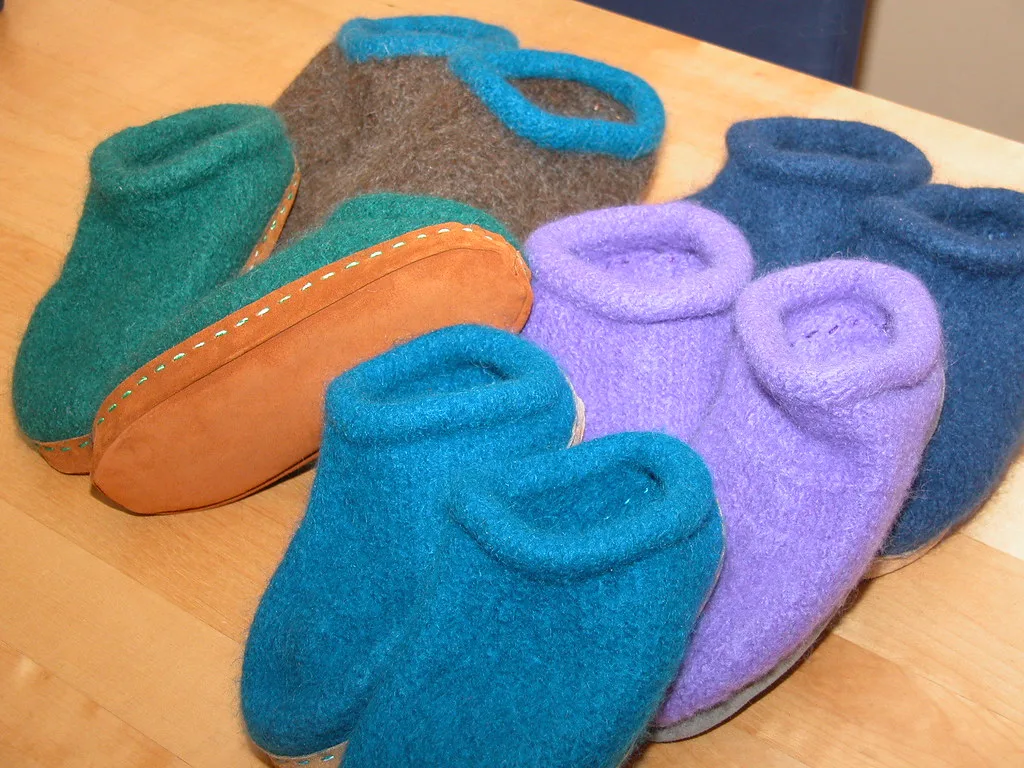
A slipper for a 25 cm foot leaves the needles 37 cm long. Choosing yarn that will actually felt, swatching for your own shrinkage figure, and judging a free pattern before you cast on.
10 min read Intermediate
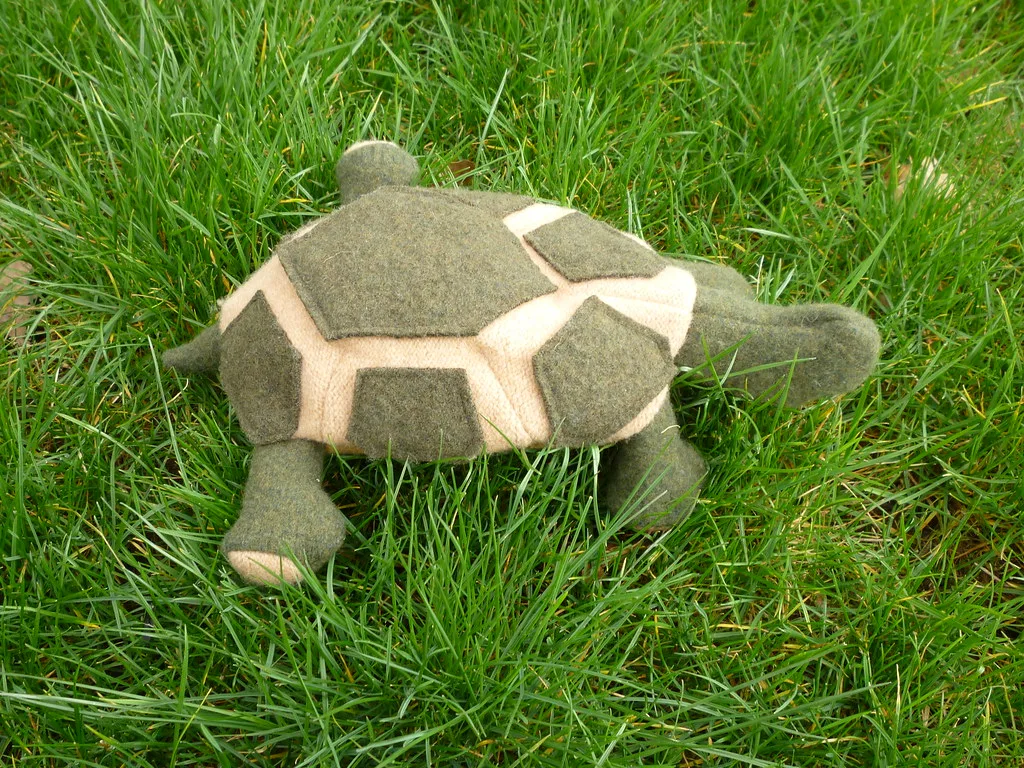
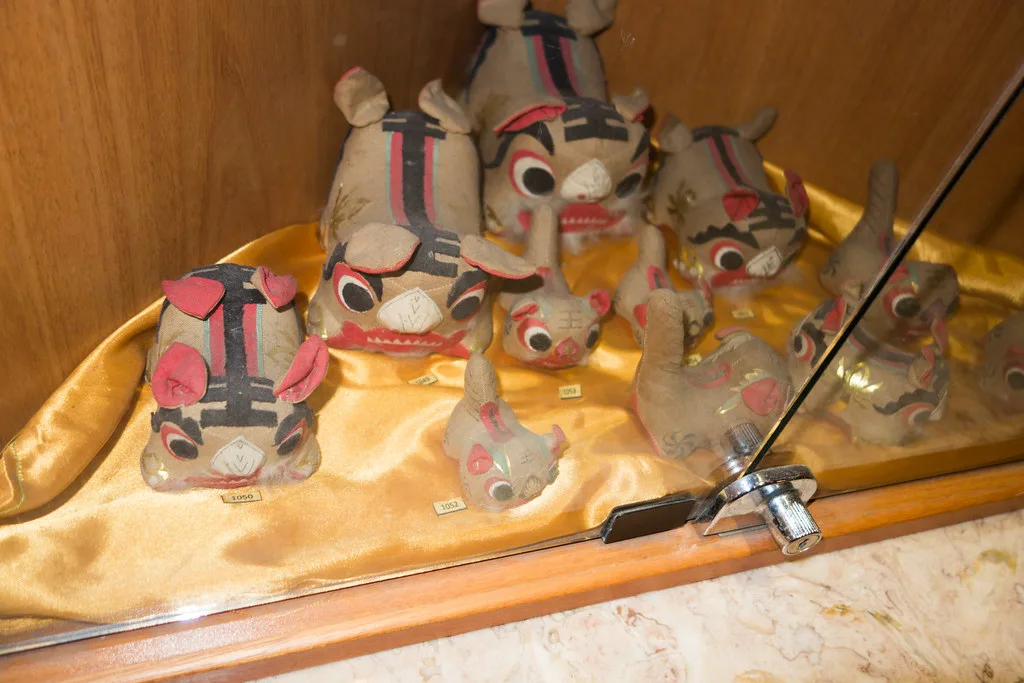
A felt plushie is cut and sewn, not needle felted. Which felt to buy, why the pattern carries no seam allowance, and the edge stitches that hold a stuffed toy together.
12 min read Beginner
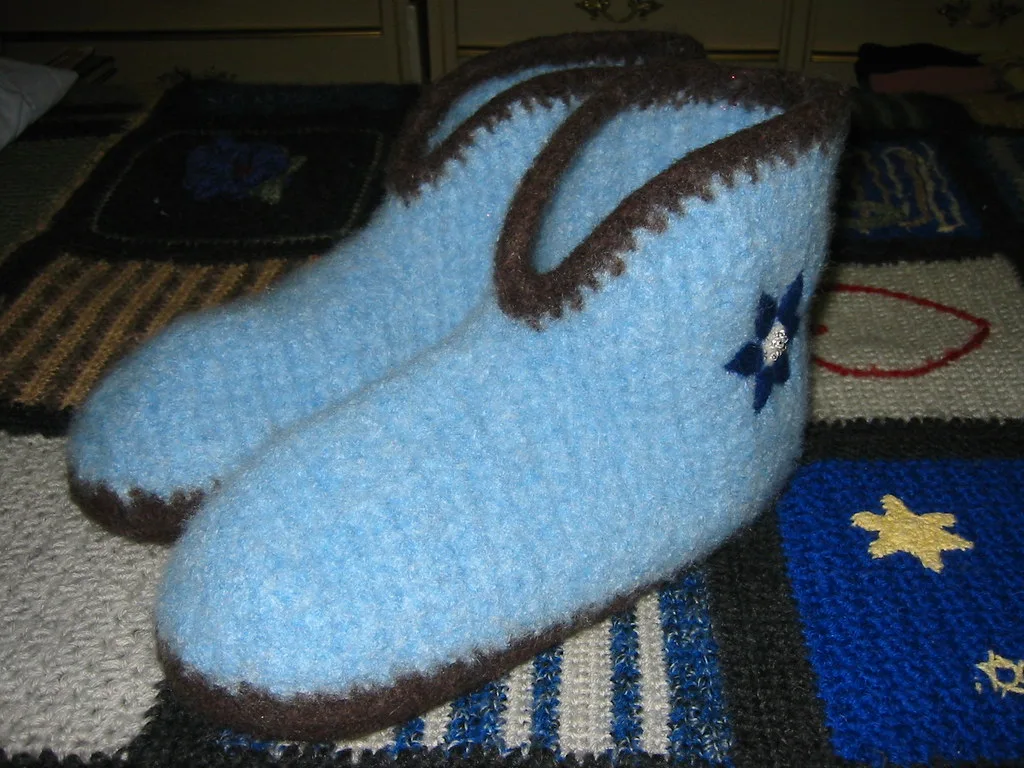
Crochet loses 20 to 30% in the wash where knitting loses 30 to 40%. Every measurement, hook size and cycle length on a crochet slipper follows from that one difference.
10 min read Intermediate
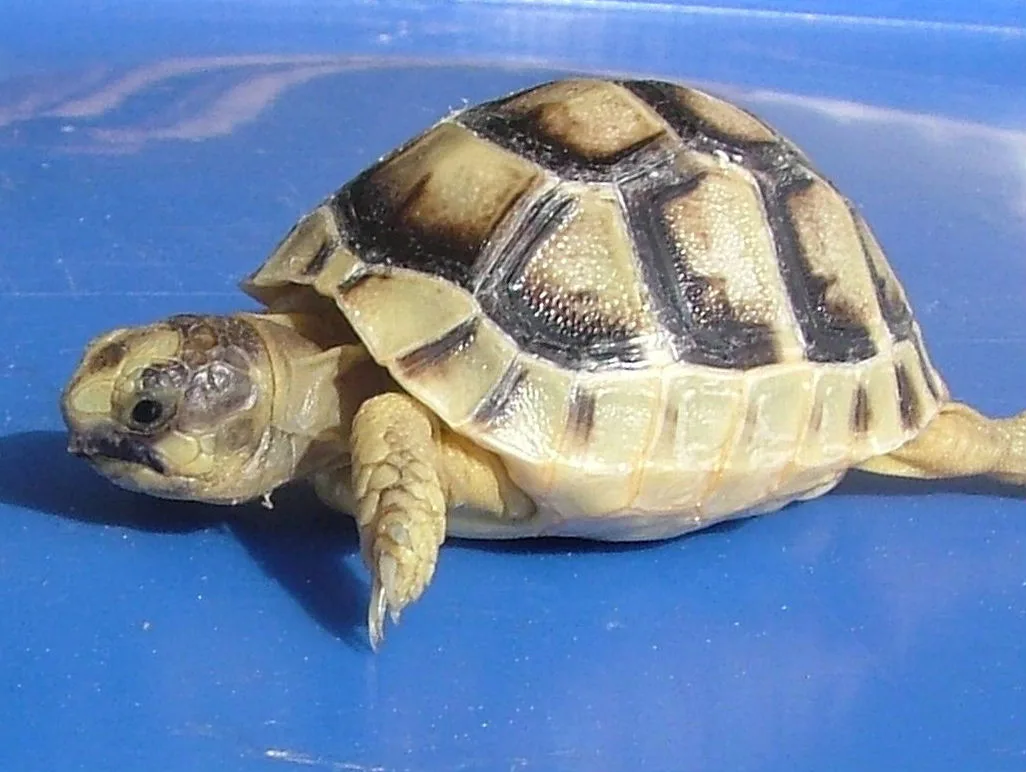
Tortoise or sea turtle is the first decision, because they differ in every part. How to felt a firm shell as its own piece, mark the plates, build either animal, and sew a patchwork felt turtle from sheet felt.
7 min read Beginner
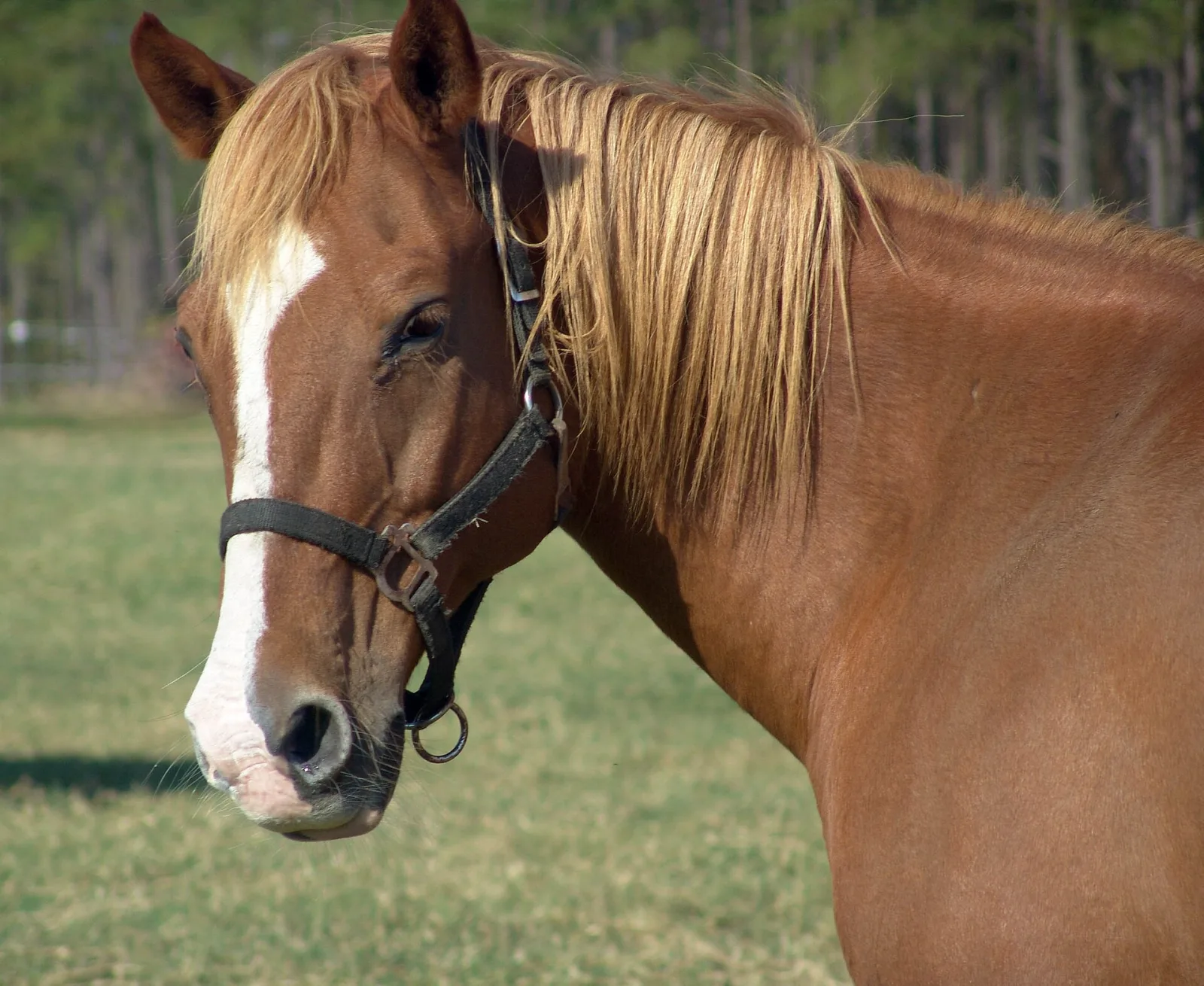
A needle felted horse is decided on paper before any wool: legs as long as the body is deep. How to set that in wire, build the head and mane, and make a flat felt rocking horse or Dala horse ornament.
7 min read Intermediate
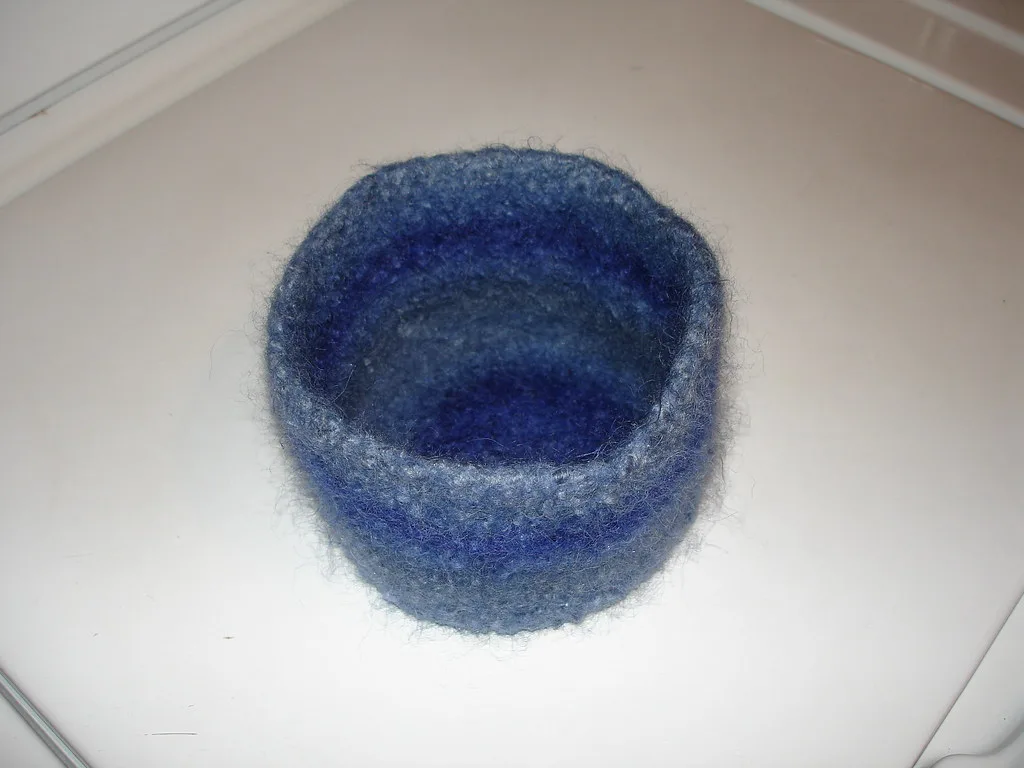
Knit an absurdly large wool bowl, shrink it by a third in a hot wash, and dry it over a form. The pattern, the arithmetic, and why the entrance is easier cut than knitted.
7 min read Intermediate
Felt does not fray, so a cat pattern is four shapes and no hemming. How to draw your own template, and what changes when the cat is going to be chewed.
6 min read Beginner
A knitted leaf is a triangle worked twice — increase to the widest point, decrease back to a tip. Twenty-one rows, three stitches to start, and it works in any yarn you have.
4 min read Beginner
Two complete patterns from one eleven-stitch leaf repeat — a straight scarf you can start tonight, and a top-down triangular shawl with a leaf border.
4 min read Intermediate
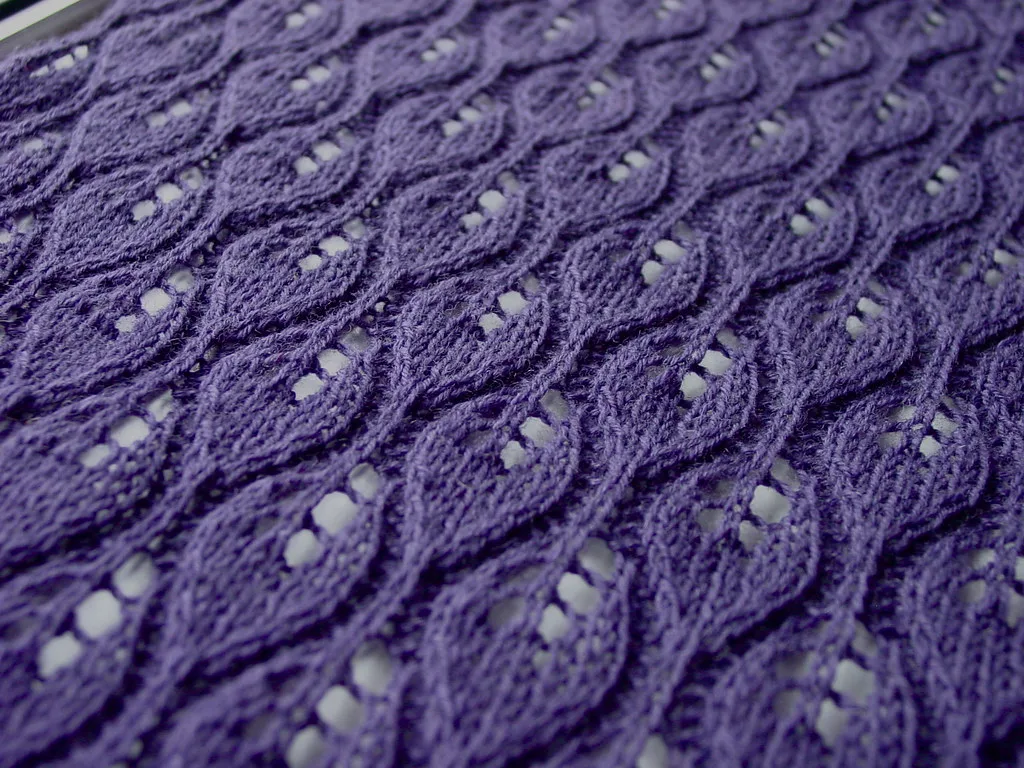
One eleven-stitch repeat, one right-side row to remember, and every wrong-side row purled. It makes columns of leaves — or, with four plain rows between, leaves scattered across the fabric.
4 min read Beginner
Sculpt wool into animals, figures and decorations with barbed needles. Start with the basics, then work up to armatures, faces and fine detail.
Warm water, soap and friction turn loose fibre into solid fabric. Learn layouts, shrinkage and resists for scarves, soaps, vessels and flat felt.
Felt merino through open-weave fabric to create light, drapey textiles. Fabric choice, fibre weight and migration, explained clearly.
Complete makes with photos at every stage — animals, flowers, ornaments and home decorations, sorted by how much experience they need.
The core techniques, one skill at a time — each written as a sequence you can follow at the table with wool in your hands.
Which needles, wool and mats are actually worth buying — what the gauges mean, what to skip, and what a starter kit really needs.
Fixes for the things that go wrong: fuzzy surfaces, broken needles, wool that will not felt, and shapes that refuse to hold.
The knitting side of working with wool — leaf patterns, casting on, needle sizes and knitting faster — including the pieces that go on to be felted.
Why leaves fall when they do, what a cobweb actually is, and the seasonal makes that follow from both.
What to do with the pumpkin once it is carved — cooking from fresh, including the parts most people throw away.