Felting Projects to Make
Complete makes with photos at every stage — animals, flowers, ornaments and home decorations, sorted by how much experience they need.
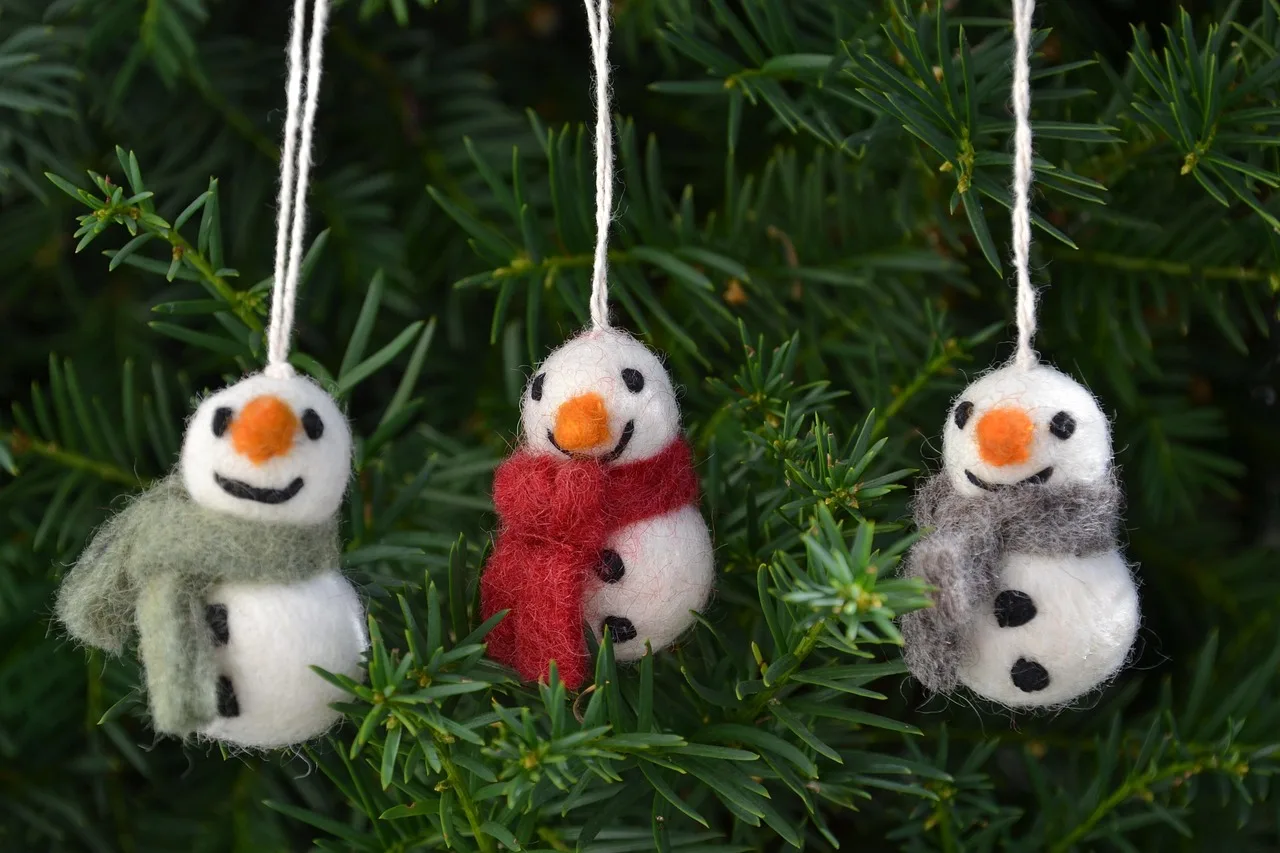
Needle Felted Snowman
How to needle felt a snowman that stands up and looks right: the size ratio between the balls, how much wool it takes, keeping white wool clean, plus a hanging ornament and a sewn sheet felt snowman.
6 min read Beginner
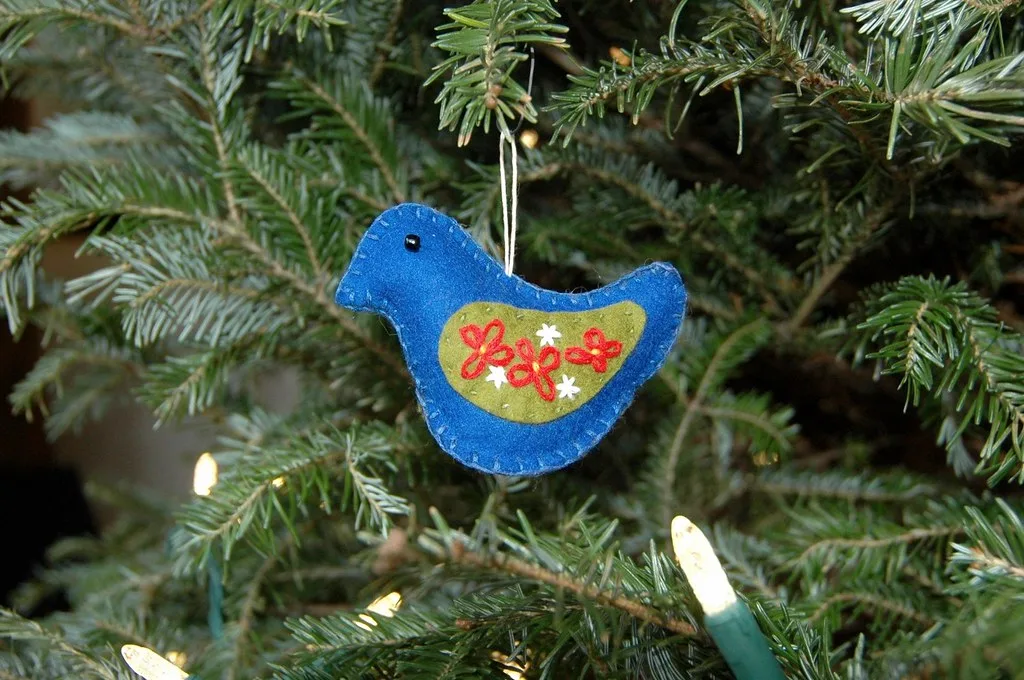
Needle Felted Birds
How to needle felt a bird: the teardrop body every small bird shares, the markings that turn it into a cardinal, chickadee, bluebird or robin, wire legs, and felt bird ornaments that hang level.
7 min read Intermediate
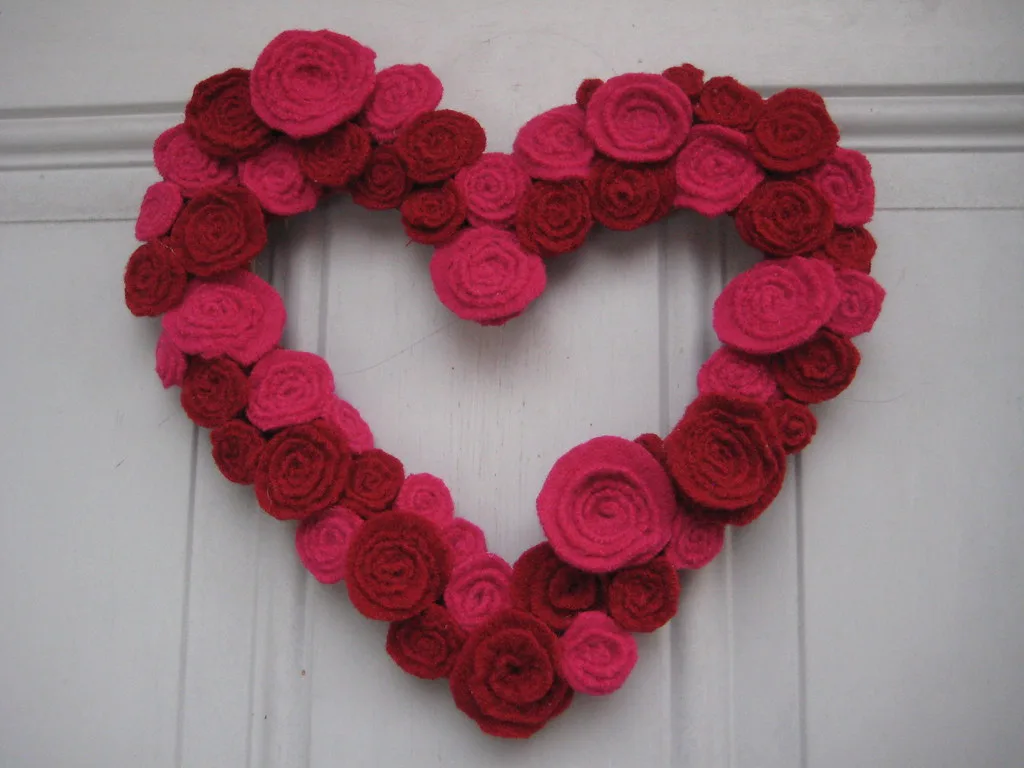
Felted Wreath
Felt ball, rolled rose, fringed and felted wreaths, with how many balls or roses a ring takes, which base to use, and how to keep a wool wreath looking good on a door.
6 min read Beginner
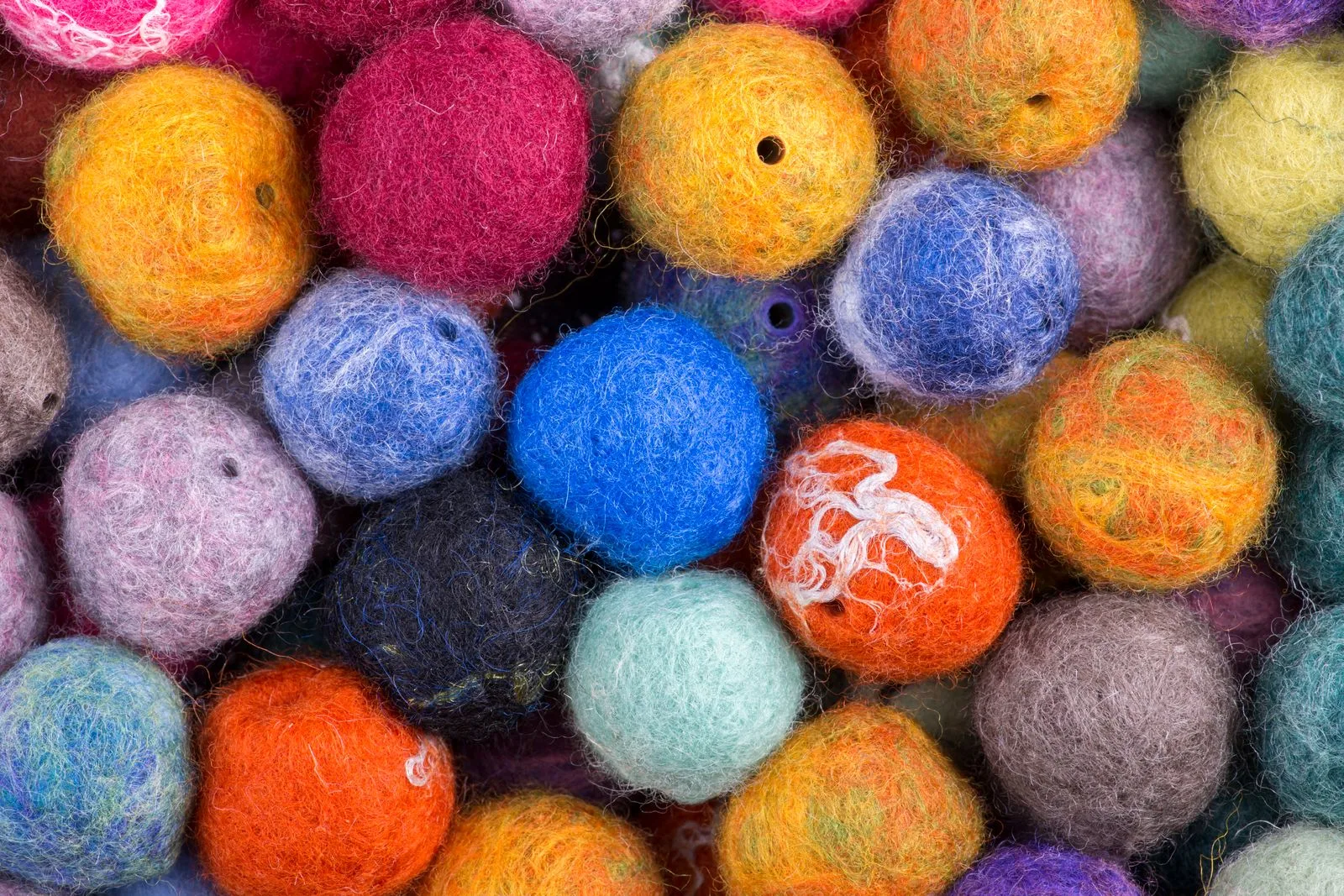
Felt Garland
How to make a felt garland that hangs properly: how many balls a length takes, how to get a needle through a hard felt ball, spacing that stays put, and Christmas, Halloween and Valentine versions.
8 min read Beginner
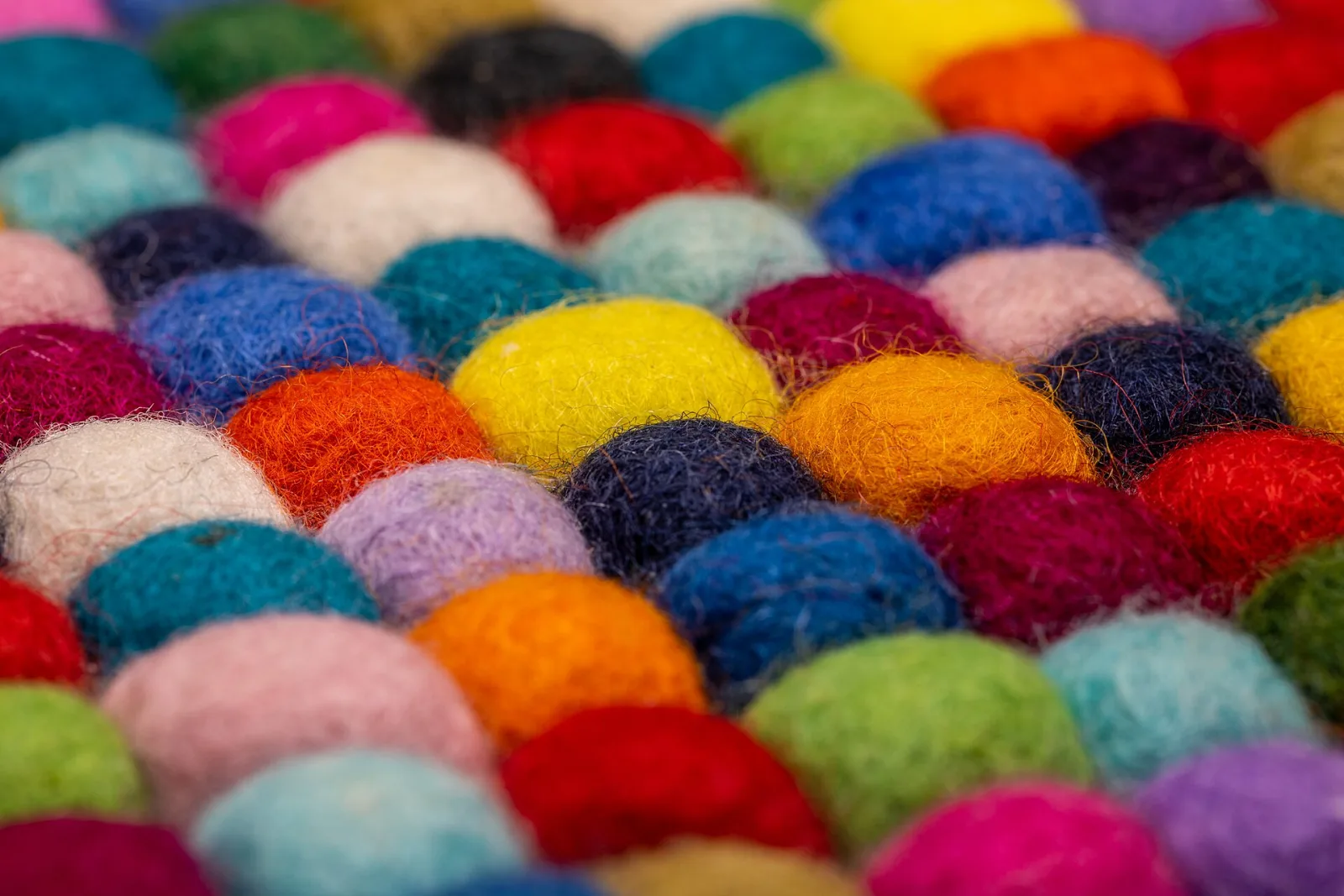
Felt Coasters
Three ways to make felt coasters that lie flat and do not lift with the mug: the right felt thickness, how many felt balls a coaster takes and how to sew them, and wet felted coasters with a design laid in.
5 min read Beginner
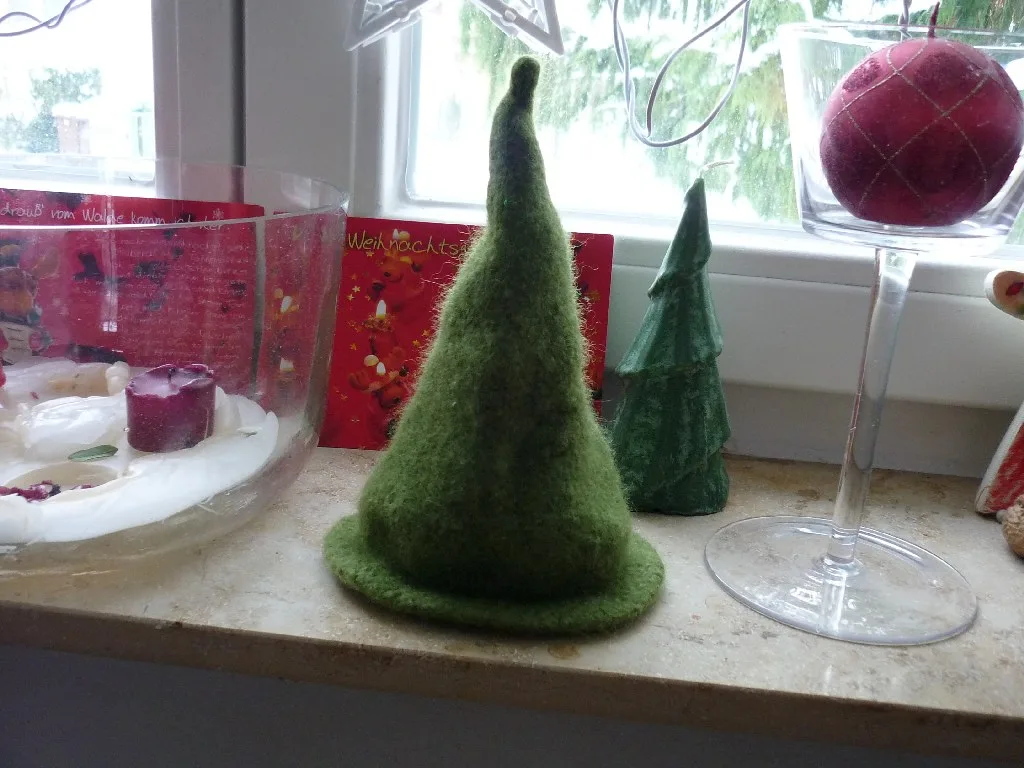
Felt Christmas Tree
How to make a felt Christmas tree, from the children's wall tree with detachable ornaments to felted cones and tabletop trees, with sizes, materials and what holds the ornaments on.
7 min read Beginner
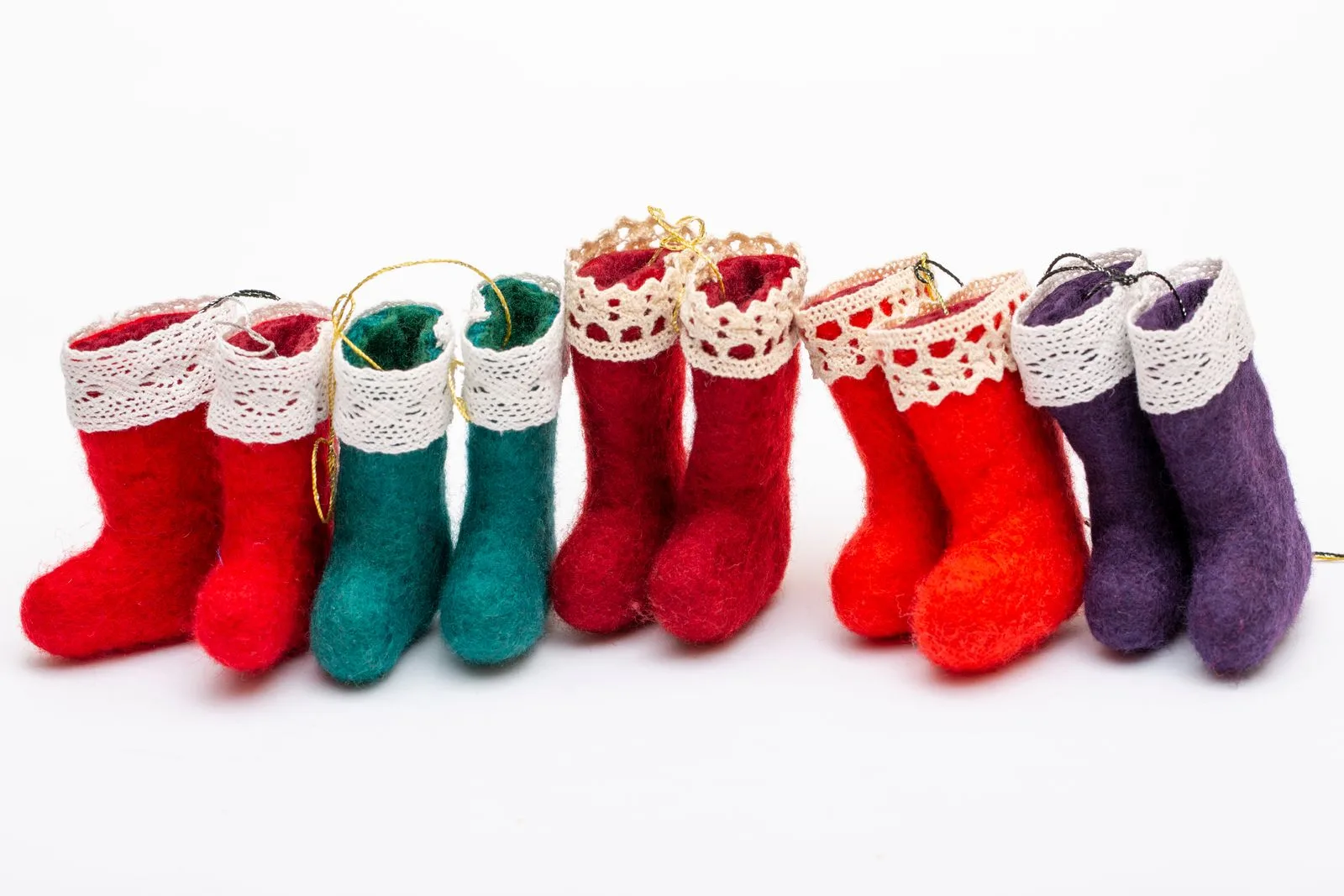
Felt Christmas Stocking
How to make a felt Christmas stocking: a pattern that holds its shape, the felt that survives being filled, names and appliqué, sequin kits, and a seamless wet felted stocking.
6 min read Beginner
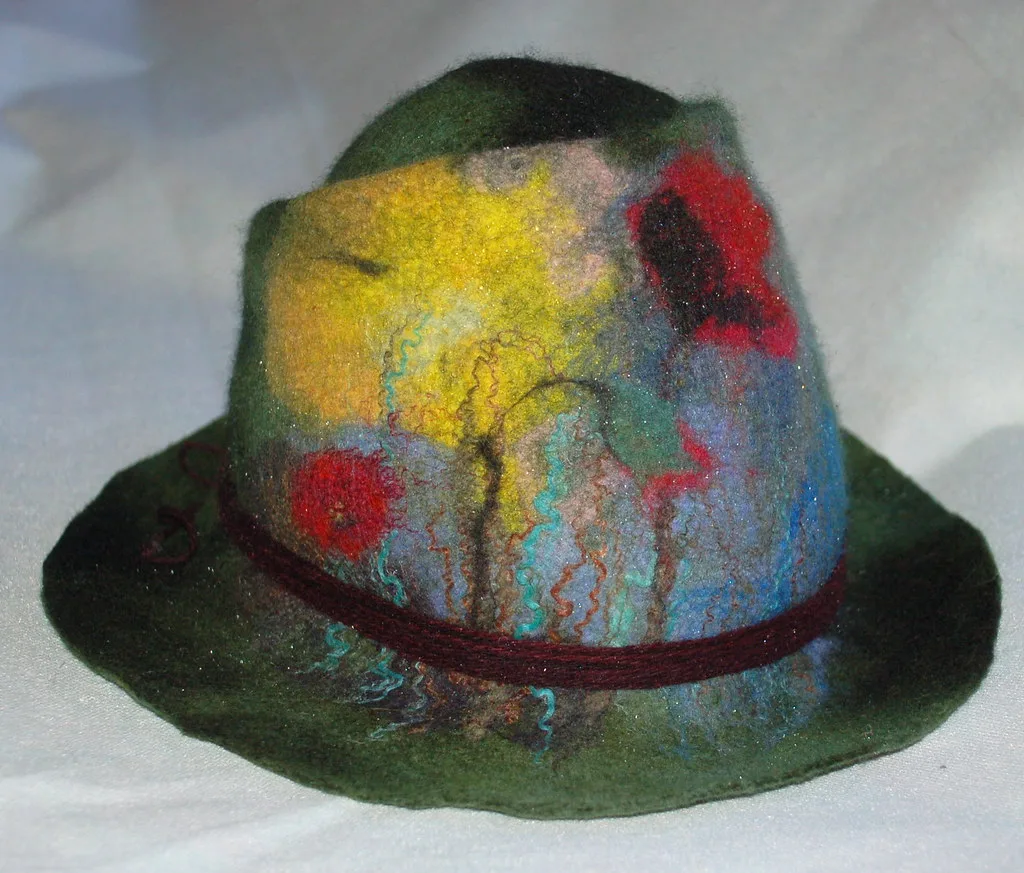
Wool Sauna Hat
A felt hat in a hot room sounds backwards until you understand what it is doing. Why wool is the only sensible fibre for it, the Russian banya and Finnish styles, how to choose one, and how to felt your own with real template sizes.
8 min read Intermediate
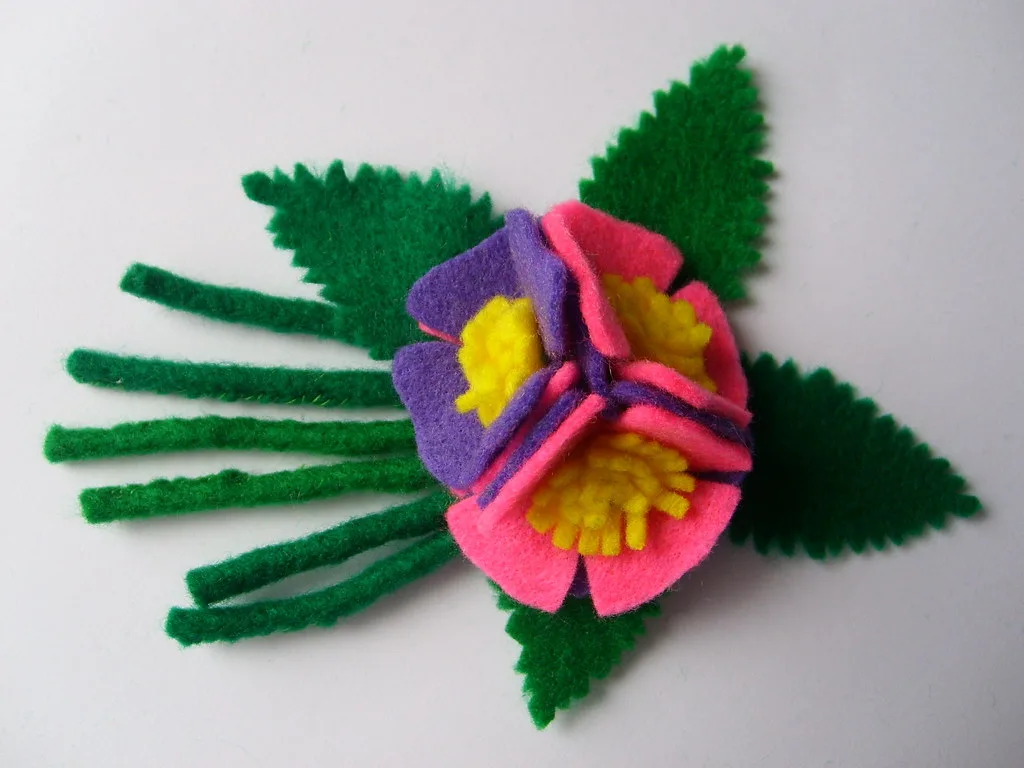
Felt Flowers
Three ways to build a flower from felt cloth — rolled, stacked and petal by petal — which suits which bloom, and the cutting that decides whether it looks made or bought.
6 min read Beginner
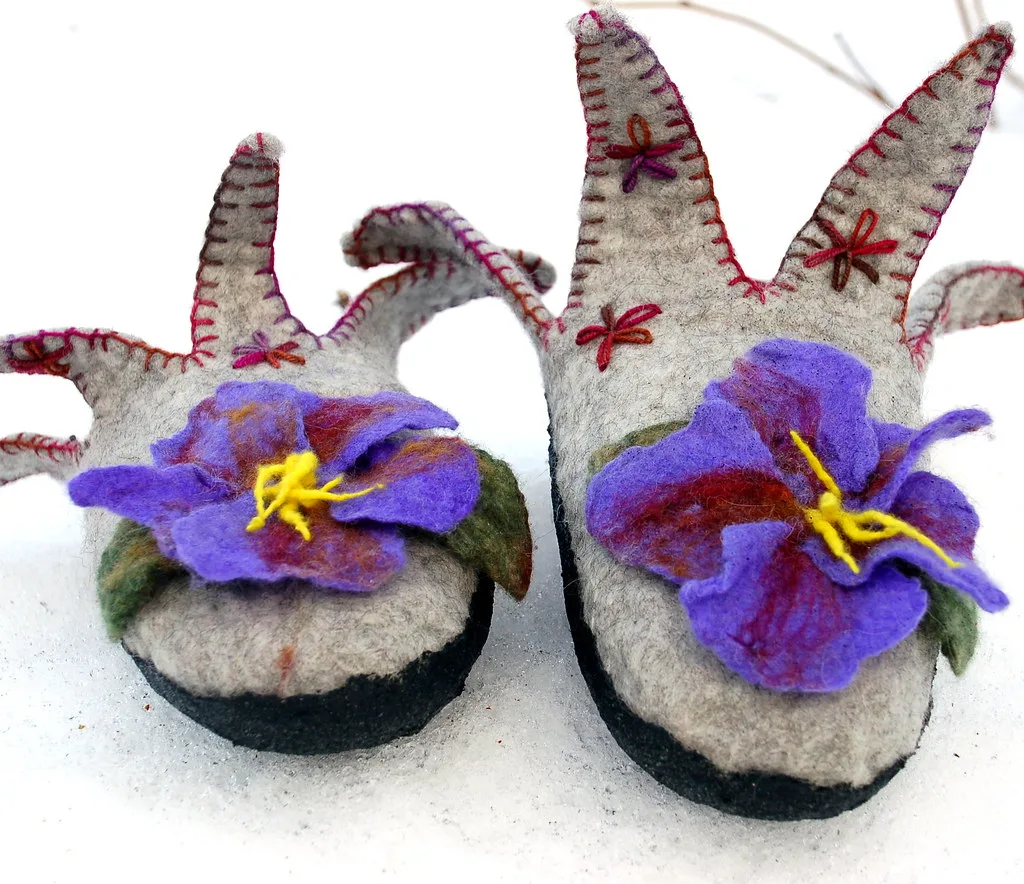
Slipper Soles
A handmade slipper wears out in one place and it is always the same place. Leather, suede, rubber, grip fabric and latex compared on cost and lifespan, then the cutting, the stitching and the ease problem that makes knitted soles pucker.
10 min read Intermediate
Needle Felted Santa
A 12 cm Santa needs a 5 cm beard. Scarlet wool that will not creep into the white, curls laid in at the root only, and the least face you can get away with.
9 min read Intermediate
Browse Projects by topic
Other sections
Needle Felting
Sculpt wool into animals, figures and decorations with barbed needles. Start with the basics, then work up to armatures, faces and fine detail.
Wet Felting
Warm water, soap and friction turn loose fibre into solid fabric. Learn layouts, shrinkage and resists for scarves, soaps, vessels and flat felt.
Nuno Felting
Felt merino through open-weave fabric to create light, drapey textiles. Fabric choice, fibre weight and migration, explained clearly.
Patterns
Printable templates, measurements and shaping guides you can follow exactly, or adapt once you know what the shapes are doing.
Tutorials
The core techniques, one skill at a time — each written as a sequence you can follow at the table with wool in your hands.
Supplies & Tools
Which needles, wool and mats are actually worth buying — what the gauges mean, what to skip, and what a starter kit really needs.
Tips & Troubleshooting
Fixes for the things that go wrong: fuzzy surfaces, broken needles, wool that will not felt, and shapes that refuse to hold.
Knitting
The knitting side of working with wool — leaf patterns, casting on, needle sizes and knitting faster — including the pieces that go on to be felted.
Seasonal & Nature
Why leaves fall when they do, what a cobweb actually is, and the seasonal makes that follow from both.
Recipes
What to do with the pumpkin once it is carved — cooking from fresh, including the parts most people throw away.