Felting Supplies for Beginners: What to Buy, What to Skip
4 min read
We may earn a commission from links on this page, at no extra cost to you. As an Amazon Associate I earn from qualifying purchases. Learn more.
A starter kit that costs less than a takeaway, what to add once you know you like it, and the equipment that mostly sits in a drawer.
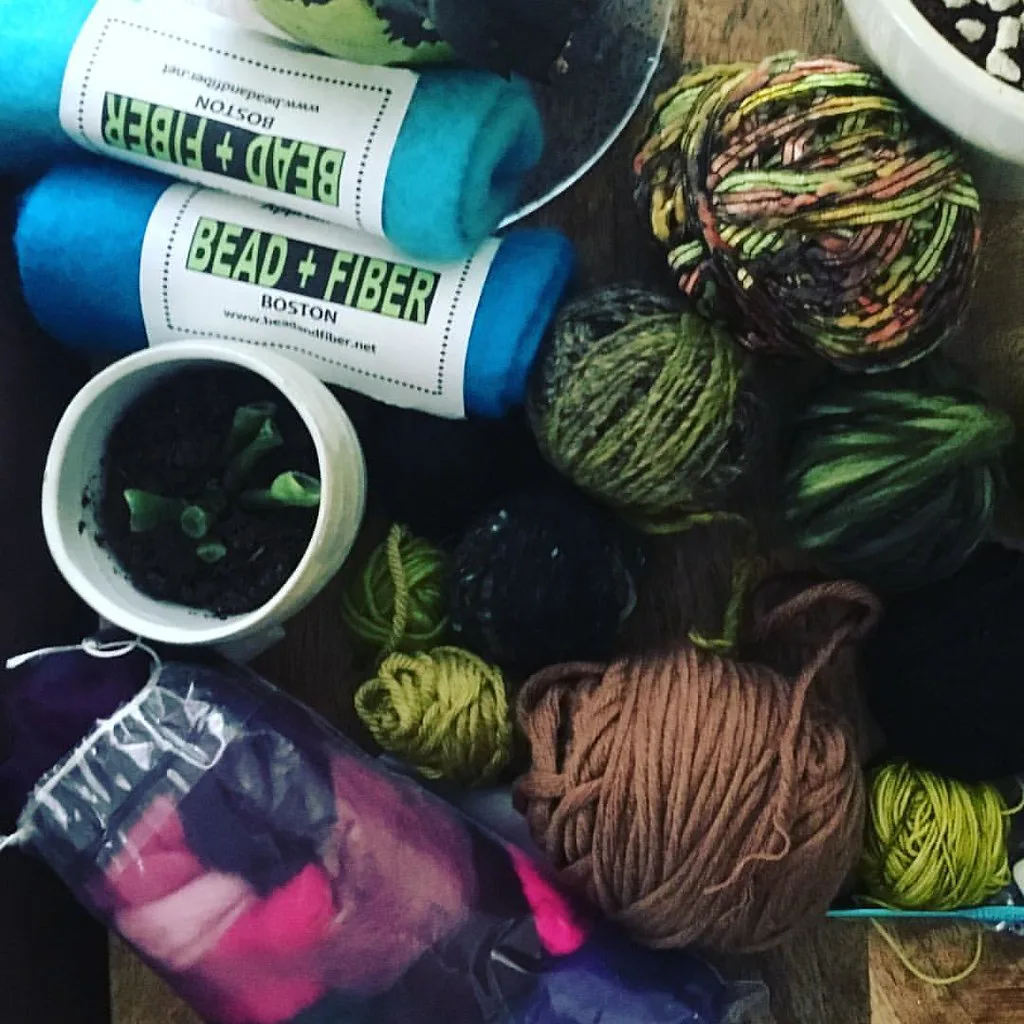
Felting is one of the cheapest crafts to start. The entire needle felting kit is a pad, some needles and some wool, and you can be working within minutes of the parcel arriving. The temptation is to buy far more than that, and most of it will sit unused.
Here is what actually earns its place.
Needle felting: the whole starter kit
- Felting needles. Five 38-gauge, three 40-gauge, two 36-gauge. Buy multiples — they break and blunt. What the gauges mean.
- A foam pad. Dense upholstery foam, at least 5 cm thick and about 20 cm square. A thin sponge is worse than useless.
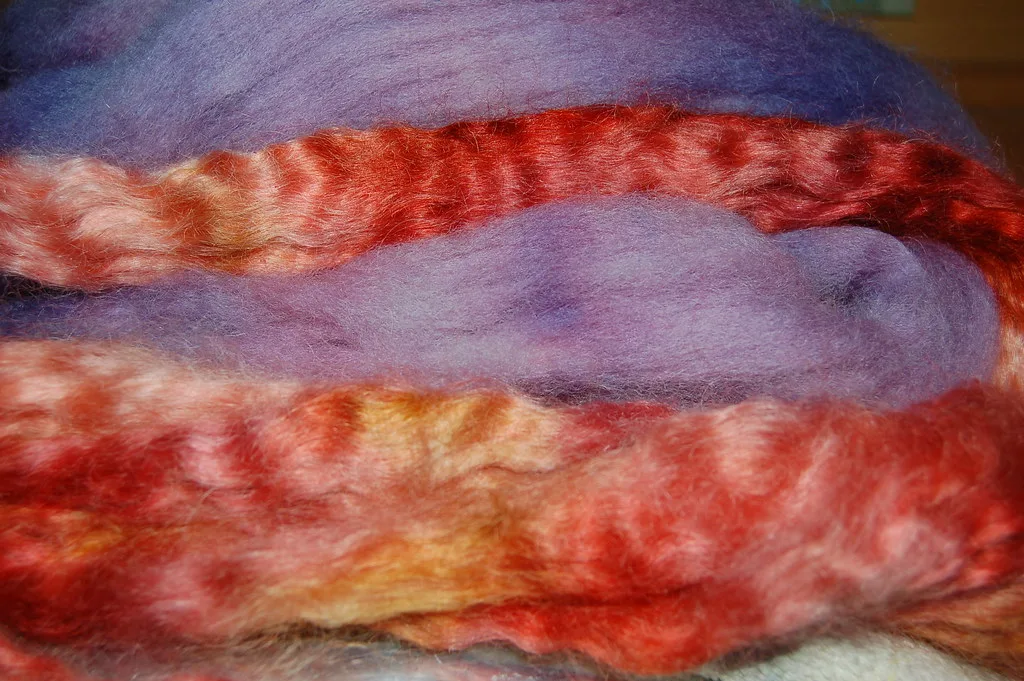
- Core wool. 100 g of undyed corriedale. You will use more of this than anything else.
- Coloured wool. Five or six colours in 10–20 g quantities.
That is the whole list. Everything below is optional.
Wet felting: the whole starter kit
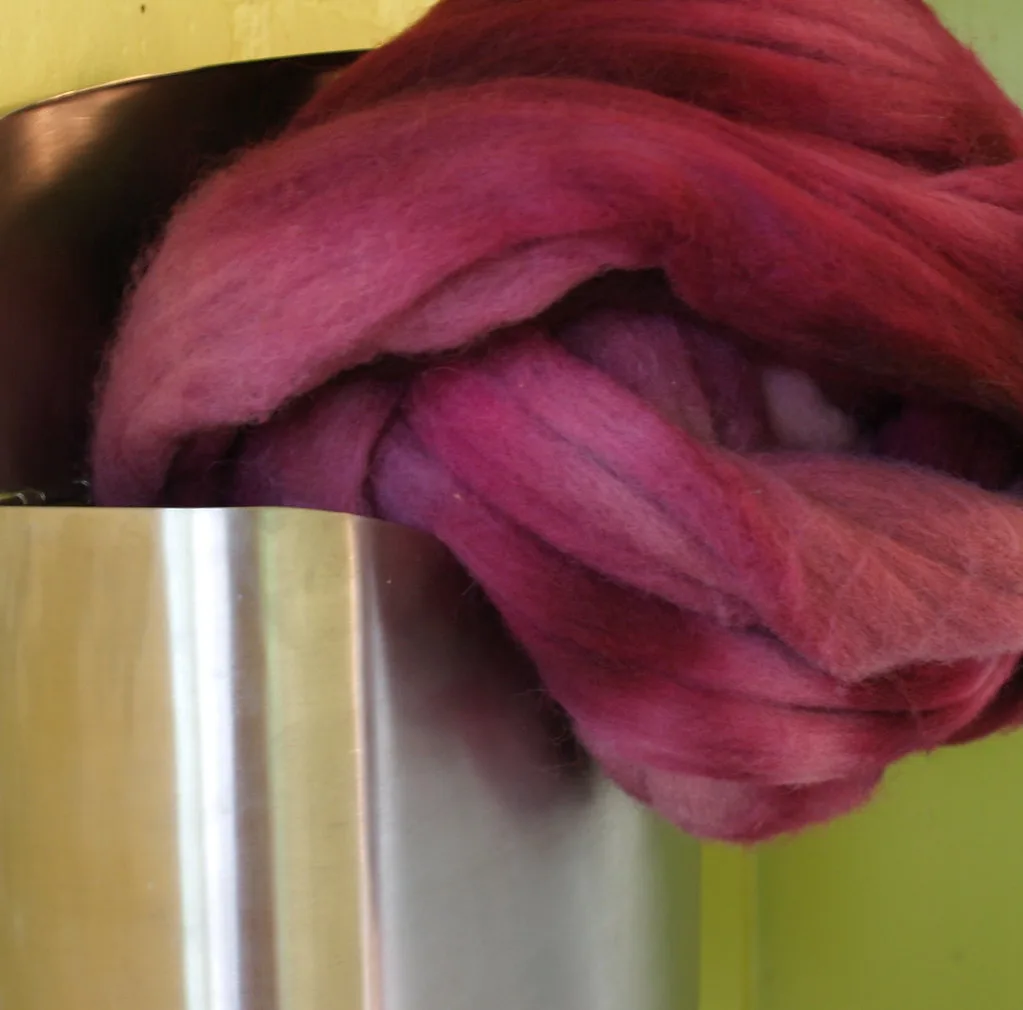
- Merino tops, 100 g to start.
- Olive oil soap. A bar lasts months.
- Bubble wrap, which you probably already have.
- Net or an old sheer curtain, cut into a piece bigger than your work.
- Towels.
The only thing you might buy specially is the wool. Everything else is household.
Worth adding once you know you like it
A brush mat
Stiff bristles instead of foam. Lasts far longer than foam, does not shed crumbs into your work, and lets the needle pass through cleanly. Many felters prefer it once they have used both.
Finger guards
Leather or rubber thimbles for the fingers holding the work. Essential for detail work where your fingers are necessarily close to the needle.
A multi-needle tool
Holds three to seven needles at once and covers ground quickly on large flat pieces. Useless for small sculptural work, where control matters more than speed.
A pool noodle
For rolling wet felted pieces. A length of dowel or a rolling pin does the same job.
Glass eyes on wire
They transform felted animals more than any other single upgrade. Wool eyes look handmade; glass eyes look alive.
A set of hand carders
For blending your own colours. Genuinely useful, and a proper purchase rather than an impulse one — worth it once you find yourself wishing a colour were slightly different.
What to skip at the start
- Large mixed-colour wool packs. Fifty colours in 5 g quantities sounds excellent and gives you too little of anything to make a project. Buy fewer colours in larger amounts.
- Cookie-cutter felting moulds. They produce flat, uniform shapes and teach you nothing about controlling wool.
- Electric felting machines. Expensive, loud, and aimed at production rather than learning.
- Every gauge of needle. Three gauges cover everything for a long time.
- Complete kits with a project in the box. Convenient, but you pay a premium for a small quantity of wool and one afternoon's instructions.
Buying wool: quantities that make sense
- Core wool: buy in bulk, 200 g upwards. It is cheap and you will get through it.
- Colours: 20 g each of six colours is plenty to start. Add more of the ones you actually reach for.
- Wet felting merino: 100 g per scarf-sized project.
Buy from fibre suppliers rather than general craft shops where you can. The wool is better prepared, better labelled, and much less likely to turn out to be a synthetic blend that will not felt.
Storage
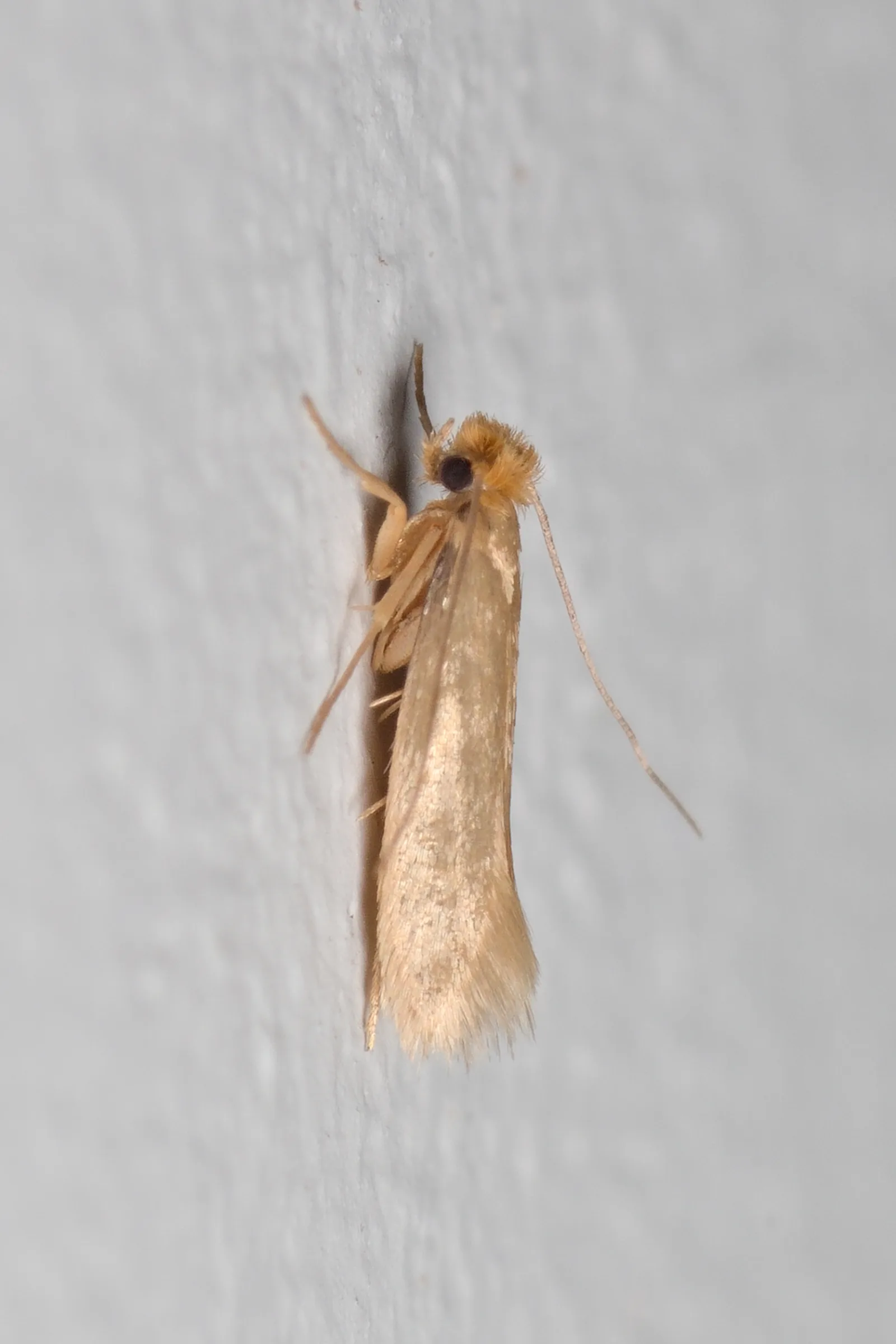
Wool needs air and protection from moths. Cotton bags in a closed cupboard beat sealed plastic boxes over the long term, because plastic traps moisture. Needles belong in a tin or a cork block, sorted by gauge — you cannot tell a 38 from a 40 by eye.
What it costs
A complete needle felting starter kit bought sensibly comes to roughly the price of a couple of coffees plus the wool. A wet felting kit is the wool and a bar of soap. That is one of the genuine pleasures of this craft: almost nothing stands between deciding to try it and actually trying it.
If you would rather buy it as one box than piece by piece, felting kits sorts out the four different things sold under that name and takes a needle felting kit apart piece by piece. For the wet felting list specifically, wet felting materials explains what each item is actually doing.
Once the parcel arrives, start with needle felting for beginners or wet felting for beginners.
Frequently asked questions
What do I need to start needle felting?
A dense foam pad at least 5 cm thick, a handful of 38-gauge needles with a few 36s and 40s alongside, 100 g of undyed core wool and five or six colours. That is the entire list, and it costs less than a takeaway.
What do I need to start wet felting?
Wool tops, a bar of olive oil soap, bubble wrap, a piece of net or an old sheer curtain, and towels. The only item most people have to buy specially is the wool.
Are felting kits worth buying?
They are convenient, but you pay a premium for a small quantity of wool and one afternoon of instructions. Buying the same components separately gives you more wool and more projects for the same money.
Which felting supplies should I skip at first?
Large mixed packs of fifty colours in 5 g quantities, cookie-cutter moulds, electric felting machines and a complete set of every needle gauge. Fewer colours in larger amounts makes a far more useful first order.