Corriedale Wool: The Sheep, the Fibre, and Why Felters Reach for It
5 min read Beginner
We may earn a commission from links on this page, at no extra cost to you. As an Amazon Associate I earn from qualifying purchases. Learn more.
Halfway between merino and a carpet fleece, and better than either at most felting jobs. What corriedale is, how it behaves, and when merino is still the right answer.
Corriedale is a New Zealand breed made in the 1880s by crossing merino ewes with lincoln and leicester rams. The aim was a dual-purpose sheep — decent meat, decent fleece — and the fleece that resulted sits exactly halfway between fine wool and longwool.
That middle position is why felters keep coming back to it. Nearly every job in the craft wants a compromise between speed, firmness and softness, and corriedale is the compromise.
The Corriedale sheep
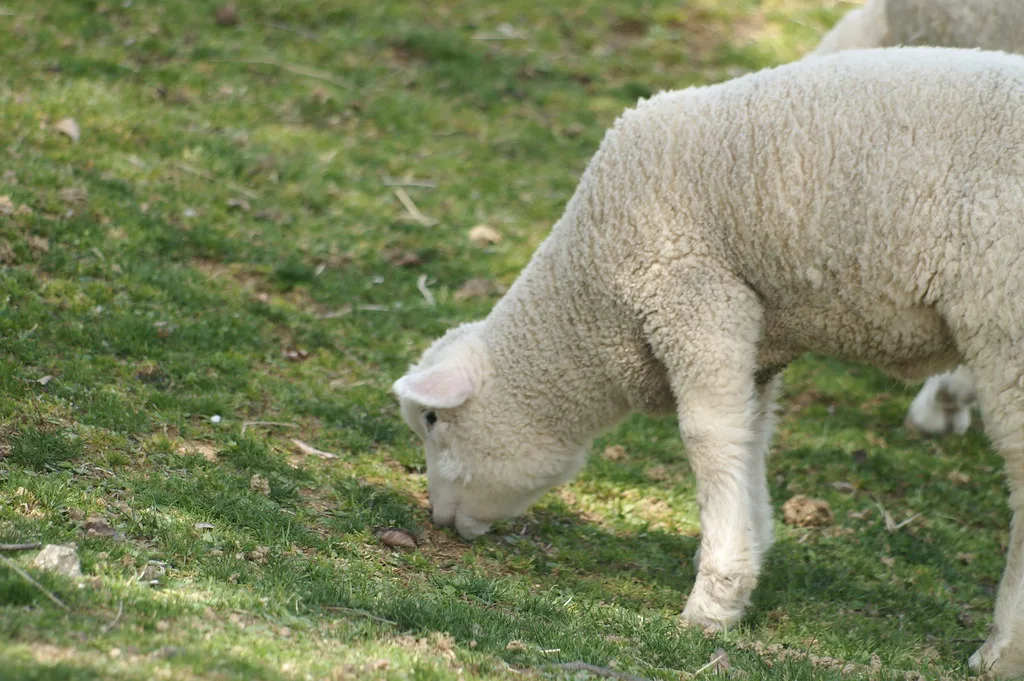
Corriedale is one of the few breeds designed on purpose. It was developed in New Zealand in the late nineteenth century, most famously by James Little on the Corriedale estate in North Otago, by crossing Merino ewes with long-wool rams, mainly Lincoln and English Leicester, and breeding the crosses to each other until they bred true. The aim was a dual-purpose sheep: good meat from the long-wool side, and a fleece finer and more even than any long-wool breed could give.
It worked well enough that Corriedales spread across New Zealand, Australia, South America (Patagonia and the Falklands still run huge flocks) and the United States, where the breed has had its own association since 1915. A mature ewe is a large, white-faced, polled sheep carrying a dense, heavy fleece of roughly 10 to 17 lb (4.5 to 7.5 kg) a year. That combination of a common, productive sheep and a clean, mid-fine white fleece is why Corriedale is on every felting supplier's shelf and why it costs less than merino.
The numbers
- Micron: 25–31, against 18–22 for merino and 33+ for romney or herdwick.
- Staple length: 3–6 in (8–15 cm) — long enough to comb, short enough to card easily.
- Crimp: pronounced and even, which is what makes it springy and quick to tangle.
- Colour: naturally white and clean, so it dyes to bright shades without a grey cast.
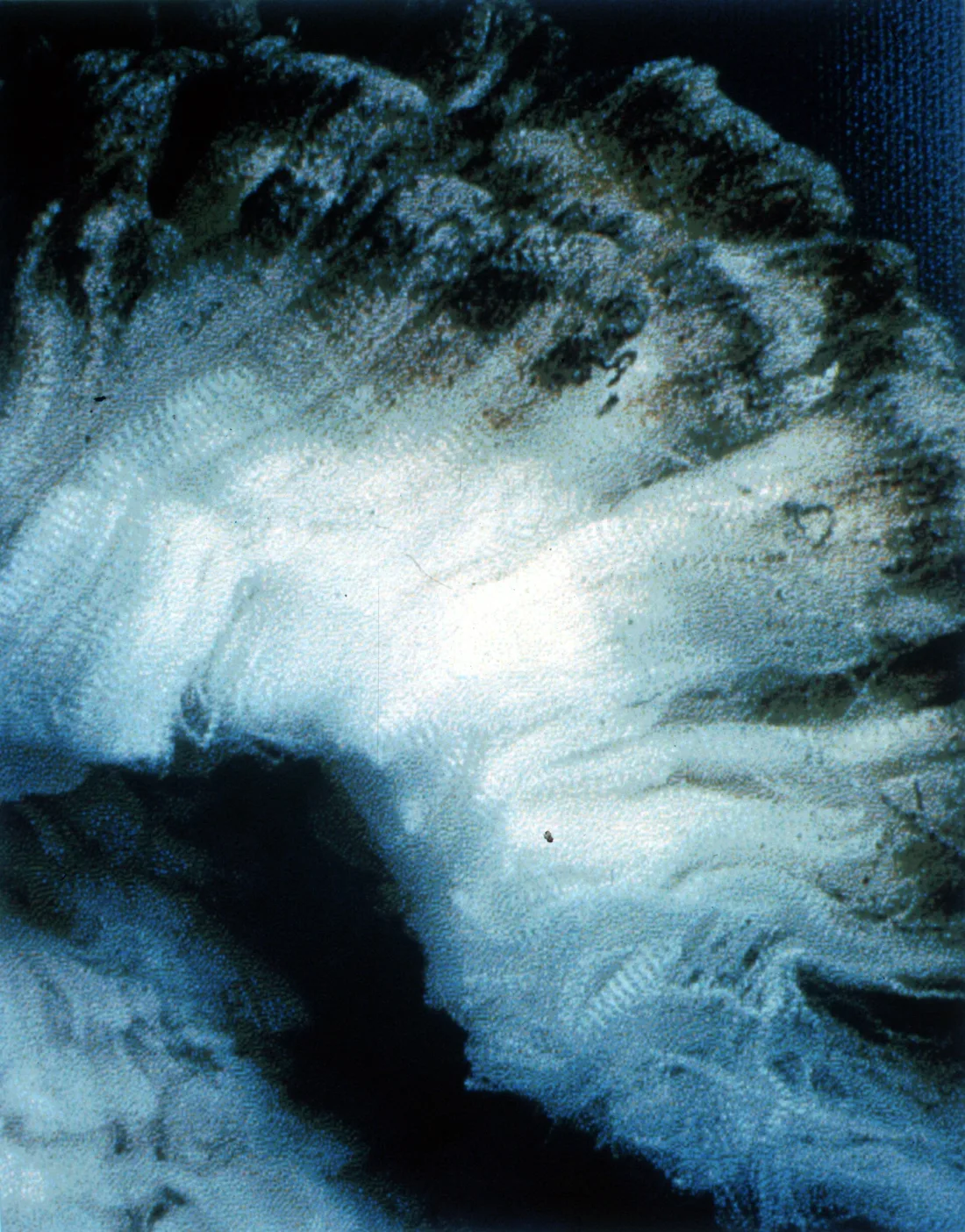
Why it needle felts better than merino
Three things, all of them consequences of the extra micron or two.
- It compacts faster. Coarser fibres have deeper scales and more crimp, so the barbs get purchase sooner. A corriedale core reaches firmness noticeably before a merino one.
- It holds an edge. Sculpture depends on being able to make a crease, a nostril or a hard corner and have it stay. Merino relaxes; corriedale stays put.
- It fluffs less. Merino's fine fibres lift into a halo when you work them, which softens exactly the detail you are trying to create.
The practical upshot: build in corriedale, and use merino only where you want a glossy finish or genuine softness. The general comparison across breeds is in best wool for felting.
Where merino still wins
- Anything worn next to skin — scarves, cowls, baby items. See is merino wool itchy.
- Fine wet felting. Thin, translucent fabric and nuno felting both need the finest fibre available, because it migrates through silk more readily.
- Smooth surfaces. A last veil of merino over a corriedale sculpture gives the best of both.
- Colour blending. Merino tops blend more evenly — see how to blend wool colours.
Corriedale for wet felting
It felts perfectly well wet, and it makes a sturdier fabric than merino — thicker, more robust, better at holding a shape. That makes it the sensible choice for bags, bowls, slippers and anything structural.
It shrinks slightly less than merino, roughly 25–30% against 30–40%, which changes your template sizes. If you are working from a pattern written for merino, expect the finished piece to come out a little larger. The arithmetic is in how much wool shrinks when felted.
What to buy
- Corriedale tops — combed, smooth, dyed in a wide range. The default purchase.
- Carded corriedale batts — faster for cores and bulk, and cheaper. Compare with dedicated core wool, which is usually coarser again.
- Corriedale fleece — raw, by the pound. The cheapest route by a long way if you are willing to wash and card it, and the breed is common enough that fleeces are easy to find from small farms and at fiber festivals. Look for a fleece that is sound (tug a lock: it should not snap in the middle), with little hay or burrs in it. Scour it in very hot water with plenty of detergent and no agitation, or it will felt in the sink; carding wool by hand covers the next step.
- Merino–corriedale blends — sold by some suppliers as a compromise. Reasonable, but you can achieve the same by layering the two.
Corriedale sock yarn and worsted yarn exist too, and are unrelated to felting unless you intend to knit and then full the result — see felting in knitting.
Working notes
- Expect to spend about a third less time on the core stage than with merino.
- Use a 38 gauge needle for most of the work; 36 only for large cores, 40 for the final surface.
- It takes acid dyes readily and evenly — see dyeing wool roving.
- Undyed corriedale is a good natural cream, so it does not need dyeing for sheep, lambs and anything else that should look like wool. It is the obvious fibre for a needle felted sheep.
The short version
If you make sculpture, buy corriedale and treat merino as a finishing material. If you make wearables, do the reverse. If you are buying your first wool and do not know which you will end up doing, corriedale is the safer 500 grams. It is also the right coat for the plainer farm animals — the smooth flank of a needle felted cow wants corriedale's slight coarseness rather than merino's shine.
Frequently asked questions
Is corriedale good for needle felting?
It is arguably the best single fibre for it. At 25–31 microns it is coarse enough to felt quickly and hold a crisp edge, but fine enough not to feel scratchy, and it takes dye well. Most professional needle felters work in corriedale rather than merino.
What is the difference between corriedale and merino?
Merino is finer, softer and slower to felt, and it finishes glossy and smooth. Corriedale is coarser, springier and faster, and it finishes slightly matt with more visible fibre. Merino for anything worn against skin; corriedale for anything sculpted.
How many microns is corriedale wool?
Typically 25 to 31 microns, with a staple of 8 to 15 cm. That places it squarely in the medium range — the breed was created in New Zealand by crossing merino with longwool rams precisely to sit in that gap.
Is corriedale itchy?
Mildly, for some people. Anything over about 25 microns can be felt against sensitive skin. It is fine for bags, slippers, hats worn over a lining and all sculpture, and it is the wrong choice for a scarf worn on bare skin.
Topics
Image credits
- Corriedale sheep in a pen, showing their dense white fleece — Bob Nichols (PUBLIC DOMAIN)
- Close detail of crimped wool — Textile and Fibre Technology, CSIRO (BY 3.0)