How to Felt a Wool Sweater: Machine, Hand and Front Loaders
4 min read Beginner
Deliberately shrinking a jumper turns a charity shop find into thick, cut-friendly fabric. The settings that work, and the ones that produce a stiff board.
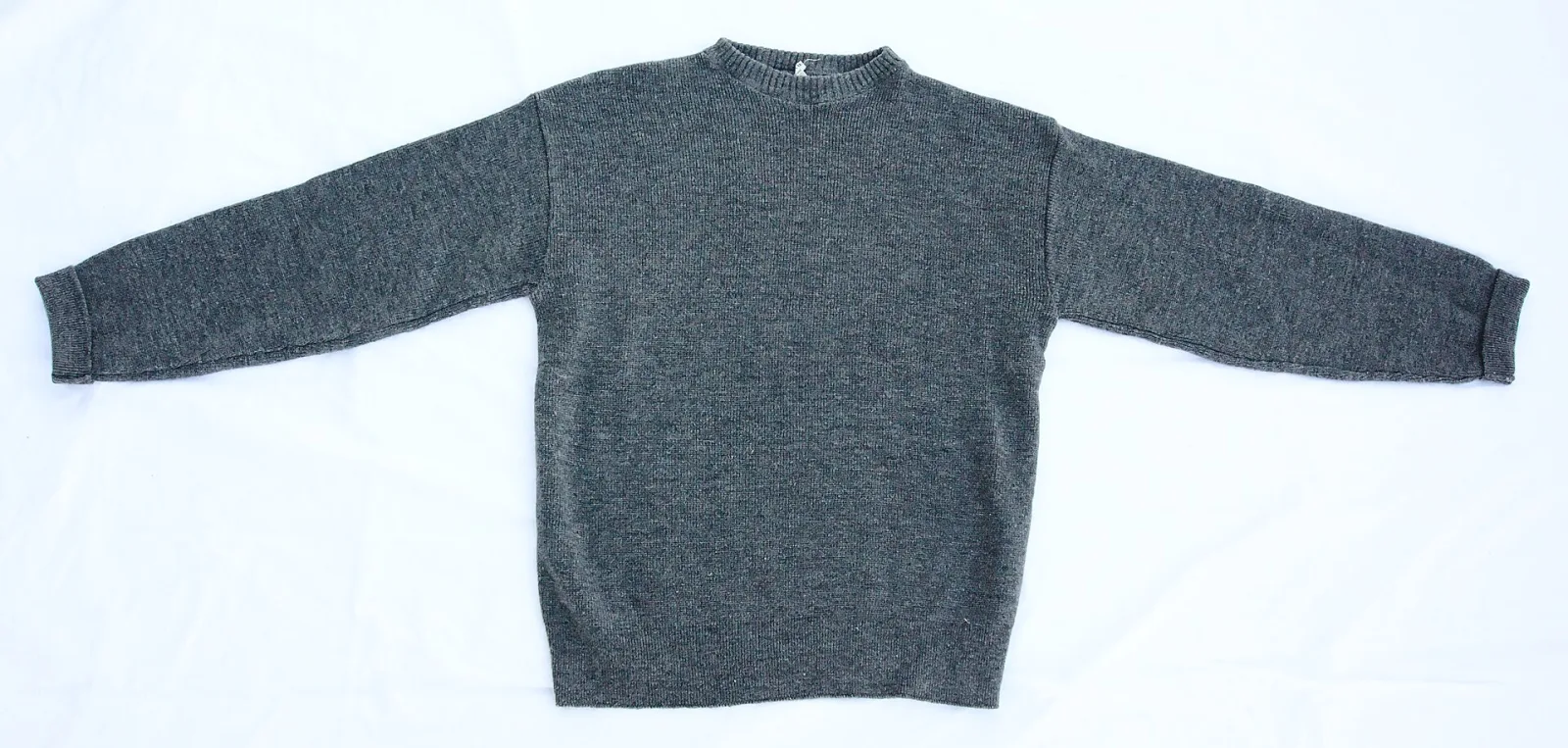
Felting a jumper on purpose gives you something you cannot buy easily: a thick, dense wool fabric that does not fray when cut, in a huge range of colours, for the price of a charity shop find. It is the cheapest good material in the craft.
The process is exactly what ruins jumpers by accident — heat, water, agitation — done deliberately and pushed further than a laundry mishap ever goes.
Choosing a jumper
This decides everything, and no technique rescues a bad choice.
- 80% or more animal fibre. Wool, lambswool, merino, alpaca, mohair, cashmere, angora. Below 80% the synthetic content holds the knit open and it never densifies.
- Not superwash, not "machine washable". These have been treated to remove or coat the scales so they cannot felt. This is the single most common failure.
- Loose to medium knit felts best. Very tight machine knits have less room to move.
- Light colours shrink to a softer surface; dark ones show fluff.
- Check the seams. Synthetic sewing thread does not shrink, so seams pucker. Cut them out first if you want flat panels.
If in doubt, test: cut a cuff off, felt it in a pan of hot water in the sink, and see what happens in ten minutes. The general diagnosis is in why won't my wool felt.
Washing machine method
- Bag it. A zipped pillowcase or a mesh laundry bag. This keeps the fibre out of your machine's pump, which matters more than people expect — felting sheds a great deal of wool.
- Add friction. A pair of old jeans, a couple of tennis balls or some wool dryer balls. Agitation against something rough is what does the work.
- A little detergent. A teaspoon. Alkalinity opens the scales; too much just makes rinsing hard.
- Hottest wash, longest cycle, cold rinse, high spin. The temperature shock between wash and rinse helps.
- Check part way if you can pause the machine. Felting is irreversible, so stopping early and running again is always the safer order.
- Repeat until the stitches have disappeared and the fabric feels like thick cloth rather than knitting.
- Dry. A hot tumble dry tightens it further. Air drying flat keeps it where it is.
Front loaders
Front loaders are worse at this than top loaders, because they tumble rather than thrash and they use less water. Workarounds:
- Use the longest, hottest cycle available — often "cottons 90" or a sanitising cycle.
- Add far more friction: jeans, towels, several tennis balls.
- Expect two, three or four cycles rather than one.
- If the machine has a "wool" setting, avoid it — it is designed to prevent exactly what you want.
- Some machines let you cancel the drain mid-cycle and re-run the wash phase, which is more efficient than full repeats.
By hand, without a machine
Slower, hotter and more controllable. Best for a single item, or for felting only part of something.
- Two bowls: one with water as hot as you can stand and a squirt of washing-up liquid, one with cold.
- Work the jumper hard in the hot water — squeeze, rub, twist, push against the side — for two or three minutes.
- Plunge it into the cold and agitate there.
- Back to the hot. Alternate for 20 to 40 minutes.
- Check often. Stop when the stitch definition has gone.
- Rinse, press the water out and dry flat.
Rubber gloves make the hot phase bearable, and the soap matters slightly — see best soap for felting.
How much it will shrink
Knitting shrinks unevenly: 20–40% in length, 10–30% in width, because the stitch structure gives more in one direction. Some other consequences:
- Sleeves shrink more than bodies.
- Ribbing at cuffs and hem shrinks far more and often has to be cut away.
- Seams pucker if the thread is synthetic.
- Repeat cycles compound; a much-felted jumper can lose half its length.
The arithmetic behind this is in how much wool shrinks when felted.
Knowing when it is done
Stop when you cannot see individual stitches and the cut edge would not unravel. Test it by snipping the hem — properly felted fabric gives a clean edge that stays put. If it frays or the stitches run, it needs another cycle.
Over-felting is possible: the fabric becomes stiff, board-like and hard to sew through. For most projects you want it dense but still flexible.
After felting
- Dry flat, pulled roughly square.
- Cut the seams out and open the jumper into flat panels — body front, body back, two sleeves.
- Steam press if the panels are wavy. Felt takes a hot iron well with a cloth over it.
- Store the panels flat, and store them clean — see protecting wool from moths.
What to make with it
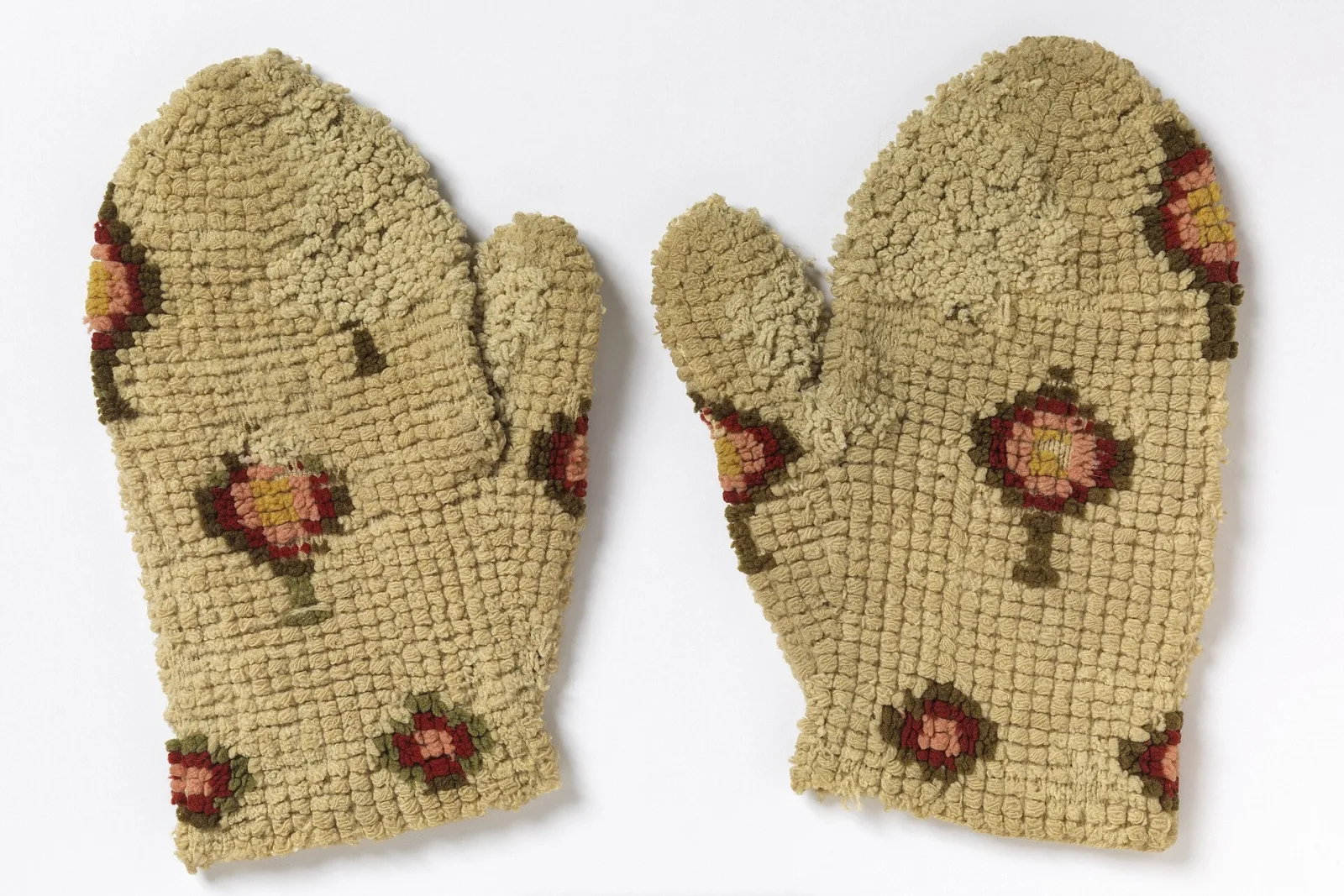
A felted jumper gives roughly half a square metre of thick cut-friendly fabric. The obvious first project is mittens from an old sweater; a longer list is in felted sweater projects. Scraps and offcuts pull apart into perfectly good core wool.
The same process applied to hand knitting, rather than to a bought jumper, is covered in felting in knitting — including how to size a pattern so it comes out right after shrinking.
Frequently asked questions
How do you felt a wool sweater in the washing machine?
Put the jumper in a zipped pillowcase with a pair of jeans for friction, add a small amount of detergent, and run the hottest wash with the longest agitation and a cold rinse. Check it part way and run it again if it needs more.
What sweaters will felt?
Anything 80% or more wool, alpaca, mohair or cashmere, provided it is not labelled superwash or machine washable. Check the label and the seams — a jumper that survives normal washing has been treated so it cannot felt.
How much does a sweater shrink when felted?
Typically 20 to 40% in length and 10 to 30% in width, because knitting shrinks more along the rows than across them. Repeat cycles shrink it further; a heavily felted jumper can lose half its length.
Can you felt a sweater without a washing machine?
Yes. Alternate between a bowl of very hot soapy water and a bowl of cold, agitating hard in each, for 20 to 40 minutes. It is slow and hot work but it gives more control than a machine, which is useful for a single piece.
Topics
Image credits
- A knitted wool jumper of the kind that will felt in a hot wash — Andrew Toskin (BY 2.0)