Felting in Knitting: How to Full Knitted Wool in the Washing Machine
4 min read Intermediate
We may earn a commission from links on this page, at no extra cost to you. As an Amazon Associate I earn from qualifying purchases. Learn more.
Knit it huge and loose, wash it hot, and it becomes dense fabric that never frays. The rules for hitting a target size instead of a felted disappointment.
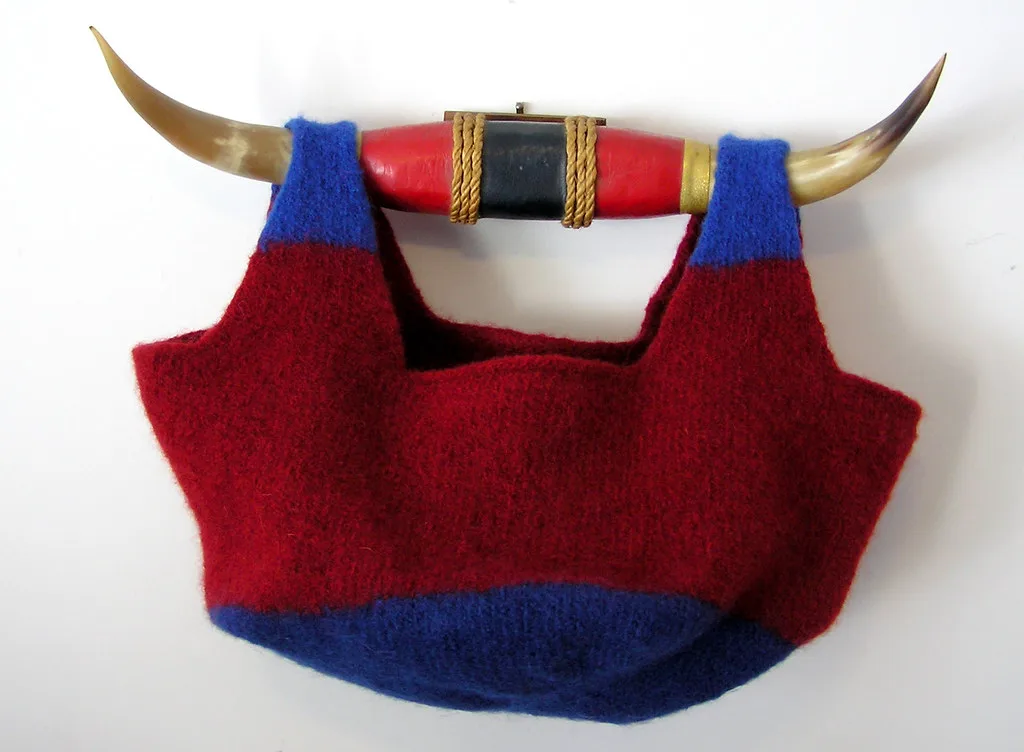
Felted knitting is how most felted bags, slippers, hats and bowls are actually made. You knit the piece enormous and loose so it looks like a mistake, then shrink it into a dense fabric that holds its shape and never frays.
It is the same process as accidentally ruining a jumper, run on purpose and with a target size.
Choosing yarn
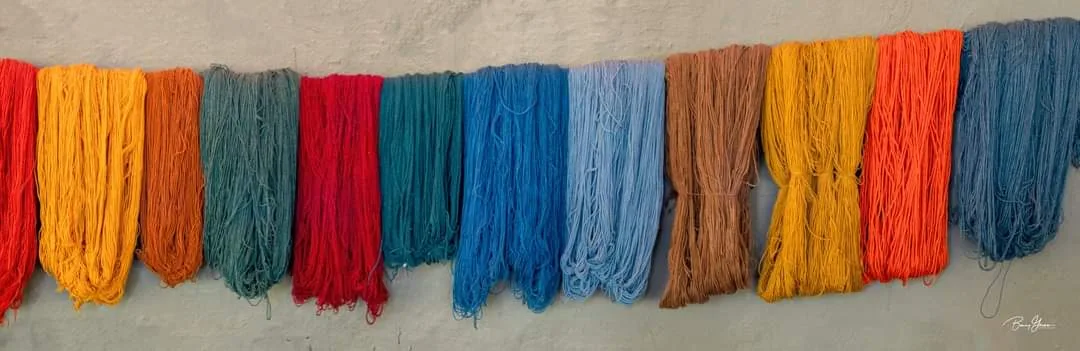
- Untreated wool — the requirement. Aran or worsted weight is the easiest to work with.
- Coarser breeds felt faster. Icelandic, Shetland and Lopi-style yarns felt hard and quickly. Merino felts smoother and more slowly.
- Alpaca and mohair felt well and give a hairier, softer surface.
- Superwash will not felt. Ever. It is the single most common cause of a project that goes through three hot washes unchanged.
- Blends with 20% or more nylon or acrylic felt partially and unevenly.
Dark colours and heavily dyed yarns sometimes felt slightly slower, because the dyeing process opens the fibre less. The reasons a yarn refuses entirely are in why wool will not felt.
Knitting for felting
Two rules, and they both feel wrong at the time.
- Go up several needle sizes. A yarn that normally wants 4.5 mm gets 6 or 7 mm. The fabric should be loose and holey — felting closes the gaps, and a tightly knitted piece has nowhere to shrink to. If a pattern gives sizes in a system you do not use, knitting needle sizes converts US, UK and metric.
- Knit it far too big. 30 to 40% larger in every dimension, more in length than width.
Stocking stitch felts most predictably. Cables and textured stitches disappear almost entirely — the whole point of felting is to obliterate stitch definition. Avoid ribbing, which felts unevenly.
The swatch that saves the project
Knit a square of at least 20 × 20 cm, mark 15 cm horizontally and vertically with contrasting thread, and felt it exactly as you plan to felt the real piece — same machine, same temperature, same cycle.
Measure afterwards. If 15 cm became 10 cm, you have 33% shrinkage and can size everything from that. Skipping this step is why so many felted slippers fit a doll.
Machine method
- Put the piece in a zipped pillowcase or laundry bag. Shed fibre destroys pumps.
- Add a pair of jeans or a couple of tennis balls for abrasion. No towels — they shed lint into the wool.
- A teaspoon of detergent, no more. Fabric softener will stop the process dead.
- Hot wash, 60 °C, with the longest agitation your machine offers. Skip the spin the first time round.
- Check part way. Stop the machine, look, decide. Felting is irreversible and there is no way back from too small.
- Run again if needed. Two short cycles beat one long one every time.
Top-loaders felt faster than front-loaders because of the agitator. On a front-loader, expect to run two or three cycles.
Hand method
A sink of water as hot as you can stand, a squirt of washing-up liquid, and 15 to 30 minutes of rubbing, squeezing and plunging. Alternating with a cold rinse speeds it up considerably — temperature shock makes the fibres contract.
Slower and much more controllable. This is the right method when the piece is nearly the right size and you need the last 5%.
Shaping
Take it out damp and shape it immediately. Wet felt is plastic and holds whatever it dries in.
- Bags — stuff with plastic bags or a box to hold the shape.
- Slippers — put them on over a plastic bag and walk about, then stuff with newspaper.
- Hats — over a hat block, a bowl, or a balloon.
- Flat pieces — pin out square on a towel.
Dry completely before use. Thick felted wool takes two or three days and holds damp in the middle long after it feels dry.
Finishing
Felted fabric can be cut without fraying, which is the great advantage over ordinary knitting — cut a slit for a handle, trim an edge, shape a slipper opening. Reinforce anywhere that takes strain with a few stitches or a needled patch, as in needle felting on fabric.
If it will not shrink enough
Check the yarn label first, then keep going — some wools need four or five cycles. If three hot washes have produced nothing, it is superwash and no amount of persistence will change that. The wider background is in what is felted fabric.
Frequently asked questions
What is felting in knitting?
Deliberately shrinking a finished knitted piece with hot water and agitation until the stitches lock together into dense fabric. Knitters usually call it fulling, since the yarn was already spun and knitted first.
Which yarn can be felted?
Untreated animal fibre only — wool, alpaca, mohair. Superwash wool and anything labelled machine washable will not felt at all. Blends with under about 20% synthetic will felt, but less predictably.
How much does knitting shrink when felted?
Typically 20 to 40%, and almost always more in length than in width. Knit a swatch, felt it the same way you plan to felt the piece, and measure — it is the only reliable number.
Can you felt knitting by hand instead of in a machine?
Yes. Hot soapy water in a sink, plus vigorous rubbing and squeezing for 15 to 30 minutes. Slower and far more controllable, which matters when you are close to the target size.