The Bamboo Mat in Wet Felting: What It Does and What Replaces It
3 min read Beginner
The mat is not padding. Its ridges grip the wool through the plastic and shear it slightly with every roll, and that shear is what turns a fragile web into fabric.
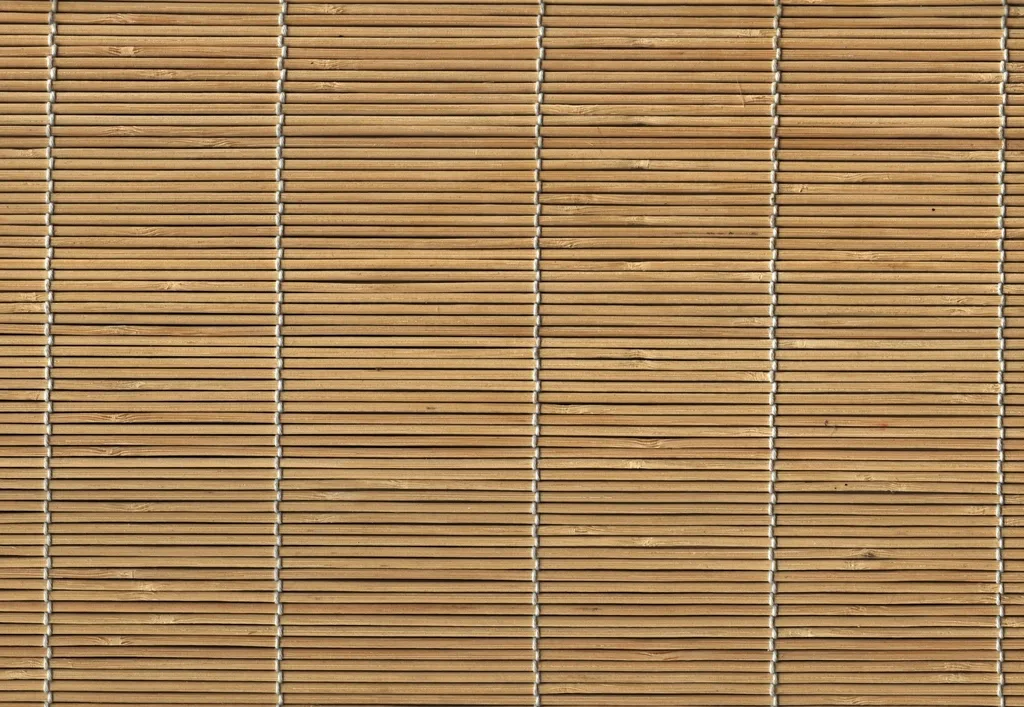
Every wet felting supply list has a bamboo mat on it, and almost none of them say why. It is worth knowing, because once you understand what the mat is for you can substitute anything that does the same job — and improvise when the piece is bigger than the mat.
What it actually does
Felting needs three things: moisture, warmth and agitation. Rolling supplies the agitation, and the mat controls it.
- The ridges grip the bundle so it turns as one rather than sliding.
- Each ridge presses into the roll and releases, so the wool is repeatedly compressed and relaxed.
- The inner and outer layers of the roll travel at slightly different speeds, which shears them against each other.
- That shear is what makes the scales on the wool fibres ratchet past one another and lock — the mechanism explained in wet felting for beginners.
Roll the same wool inside a smooth towel and it will felt eventually. Roll it in a bamboo mat and it takes a third of the time.
Choosing one
- Size: at least as wide as your work. 60 × 90 cm handles scarves; 40 × 60 cm covers most small projects; a 24 cm sushi mat does soap, samples and beads.
- Slat thickness: thin slats (3–4 mm) roll easily and suit fine work. Thick slats give a more aggressive action for heavy felt.
- Ties: cotton or synthetic thread. Cheap mats tied with untreated string rot and unravel after a few soakings.
- Finish: unvarnished. Varnish flakes into the felt.
- Blinds instead: a bamboo or reed window blind cut to size is the cheapest large mat there is, and often better made.
How to roll properly
- Lay the mat flat, slats running across the direction you will roll.
- Put your wool sandwich — netting or bubble wrap over the wool — onto the mat.
- Place a rolling core at one end: a pool noodle, a length of drainpipe, or a rolled towel.
- Roll the whole thing up firmly and tie it at both ends with cord or elastic straps.
- Roll with flat forearms, not fingertips, using your whole body weight. Fifty rolls.
- Unroll, turn the work 90°, re-roll and repeat.
- Keep alternating direction. Rolling in one direction only makes a piece that shrinks lengthways and stays wide.
Expect 200–400 rolls in total for a scarf, in four directions, with the wool checked between each set.
Caring for the mat
- Rinse in clean water after use to remove soap, which attracts dirt and stiffens the ties.
- Unroll and dry flat or hung. Stored damp and rolled, bamboo goes mouldy within days.
- Never machine wash it.
- Pick wool fibres out of the ties occasionally, or they build up and mat.
- Replace a mat with splintering slats immediately — a splinter felts into the work and cannot be removed.
Alternatives that work as well or better
- Bubble wrap over a towel — the most common substitute. Bubbles down against the wool. Large-bubble wrap is more aggressive than small.
- Corrugated rubber matting — car boot liners and anti-fatigue mats. Extremely durable and grippy, and washable.
- Pool noodle — as the core rather than the mat, but the foam grip alone does much of the work.
- Reed or bamboo window blind — a large mat for the price of a small one.
- A ridged washboard — for fulling by hand rather than rolling, which is what you want at the final stage.
- Tumble dryer or washing machine — for pieces where precision does not matter, such as felting a knitted item; see felting in knitting.
What it is not
A bamboo mat is nothing to do with needle felting. Dry felting needs a dense foam pad or a brush mat to take the needle, and a bamboo mat would snap needles instantly. Those alternatives are in felting mat alternatives.
For where the mat sits in the whole process, see how to wet felt a scarf — the piece where rolling technique makes the largest visible difference — and wet felting a bag for rolling a resist piece.
Frequently asked questions
What does a bamboo mat do in wet felting?
Its ridges grip the wool as you roll and shear the layers against each other. That shearing action, repeated hundreds of times, is what migrates the fibres and locks them together. A flat surface slides instead, and felts much more slowly.
What size bamboo mat do I need?
Slightly wider than the widest piece you intend to make. A 60 × 90 cm mat covers scarves and most flat work; a sushi mat at roughly 24 × 24 cm is enough for soap, small samples and jewellery.
Can I use a sushi mat for felting?
Yes, for small pieces. It is the same construction at a smaller scale. Check the ties are cotton or polyester rather than untreated string, which rots after repeated soaking.
What can I use instead of a bamboo mat?
Bubble wrap over a towel, a corrugated rubber car mat, a length of pool noodle or a section of drainpipe as the roller, or a reed window blind. All provide the texture and grip a bamboo mat provides.