Protecting Wool from Moths: What Works and What Does Not
4 min read Beginner
We may earn a commission from links on this page, at no extra cost to you. As an Amazon Associate I earn from qualifying purchases. Learn more.
Moths eat keratin, and a fibre stash is a buffet. What actually kills eggs, why cedar and lavender are not enough, and how to store wool so it survives.
A felter's stash is several kilos of clean protein in a dark, undisturbed place. From a clothes moth's point of view it is close to ideal, and the damage is usually discovered months after it started — as small holes, fine webbing and gritty frass at the bottom of a bag.
What you are actually dealing with
Adult moths do not eat anything. They live a few weeks, mate, and lay 40 to 100 eggs on a suitable food source. It is the larvae that do the damage, chewing keratin for two months or more before pupating.
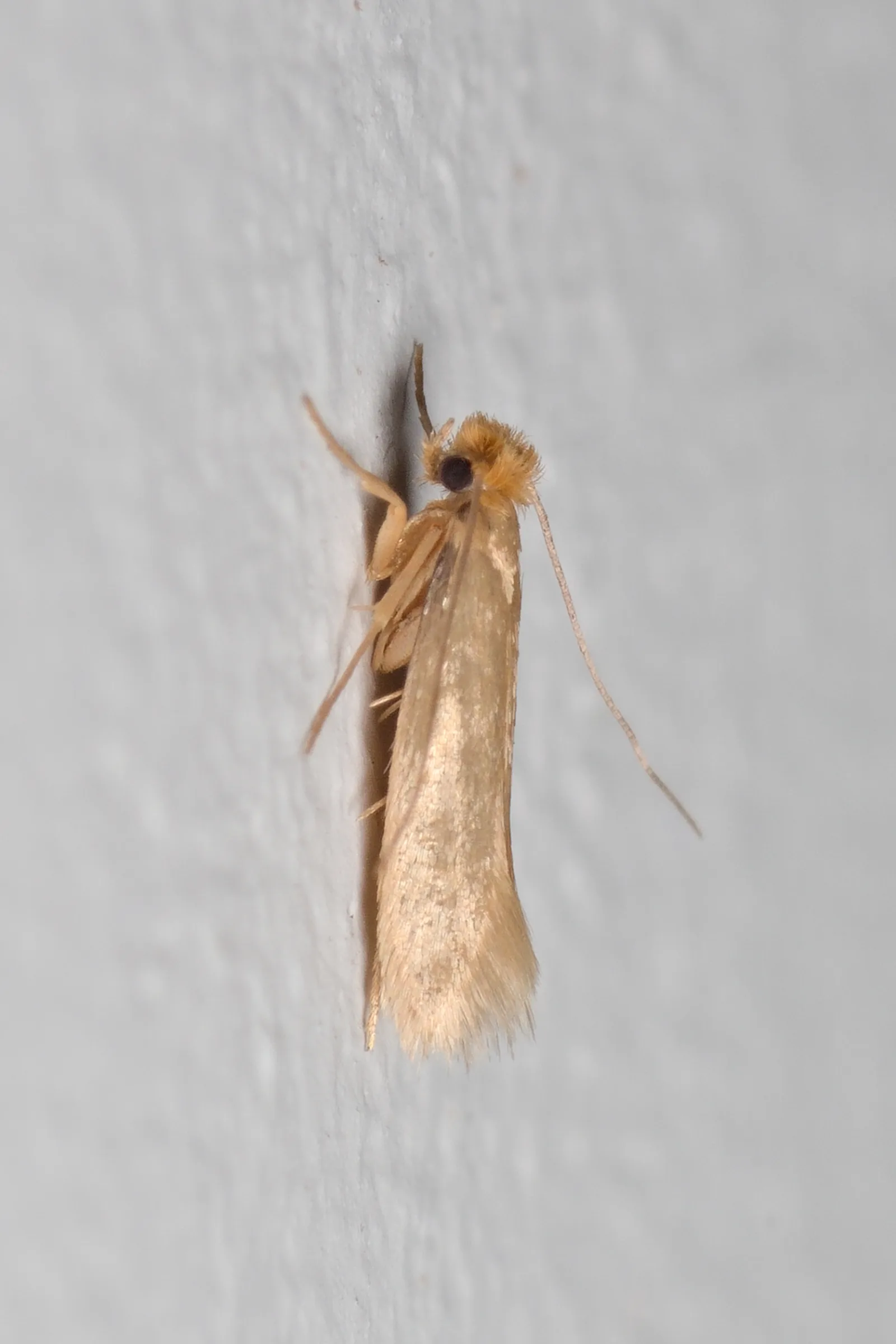
Two species matter: the common clothes moth, which spins a fine web over its feeding area, and the case-bearing clothes moth, which drags a small tube of fibre around with it. Both are small, buff-coloured, and avoid light — a moth flapping around a lamp is almost certainly something harmless.
Larvae prefer wool that is soiled. Sweat, food traces, skin oils and pet hair all make fibre more attractive and more nutritious, which is why the jumper you wore twice before storing is the one with holes in it.
The four things that actually work
1. Store it clean
Everything goes away clean. Wash or dry clean anything worn, and be careful with raw fleece — unwashed fleece with lanolin and dirt in it is the most attractive material in the house. See can you wash felt for how to wash felted items without shrinking them.
2. Airtight storage
Not "closed" — airtight. A moth can get through a gap it can walk into.
- Good: plastic boxes with gasket seals and clips; heavy-duty zip bags with the air pressed out; vacuum bags.
- Poor: cardboard boxes, cotton bags, drawers, plastic boxes with a loose lid.
- Note: vacuum bags compress wool badly and batting comes out flattened. Fine for finished items, less good for fibre.
3. Freeze everything new
The most reliable single measure, and the one most people skip. New fibre, second-hand wool, charity shop jumpers and gifted fleece all arrive with eggs at some rate.
- Seal in a bag with as little air as possible.
- Freeze at -18°C or lower for 72 hours.
- Remove and leave at room temperature for 24 hours.
- Freeze again for another 72 hours.
The two cycles matter: eggs survive a single freeze more often than a repeated one, and the warm interval triggers any survivors into a vulnerable state.
4. Disturb and inspect
Larvae need undisturbed darkness. Fibre that gets handled, shaken out and looked at every few months rarely develops a serious infestation. Twice a year, open everything and check the folds, seams and the bottom of each container.
Cedar, lavender and the rest
These get most of the attention and do the least work.
- Cedar. The oil deters adults and can kill very young larvae in a sealed space. It fades within a few months; sanding the blocks lightly brings some of it back. Never enough on its own.
- Lavender. Deters some adults. Does nothing to eggs or larvae. Pleasant, and worth including as a lavender-filled felt heart in a drawer.
- Mothballs. Naphthalene and paradichlorobenzene do kill moths, in a sealed container at sufficient concentration. They are also toxic, and the smell permeates wool for years.
- Pheromone traps. Catch adult males, which will not stop an infestation but will tell you that you have one. Genuinely useful as monitoring, not as control.
If you already have moths
- Isolate. Bag every affected item immediately, before moving it through the house.
- Freeze everything, including things that look untouched, using the two-cycle method. Or wash at 60°C anything that can take it.
- Empty and vacuum the storage space thoroughly — corners, cracks, carpet edges under furniture. Dispose of the vacuum contents outside.
- Wipe down shelves and boxes with hot soapy water.
- Hang traps to monitor whether it is over.
- Check again in six weeks. Eggs you missed will have hatched by then.
Badly damaged fleece is worth discarding. Lightly damaged wool is fine once treated — it can go into cores, where nobody will ever see it.
Particular risks for felters
- Raw fleece. The highest-risk material there is. Wash it promptly or freeze it on arrival.
- Seasonal decorations. Eleven months in a loft is exactly the undisturbed darkness moths want. Store Christmas ornaments and Easter pieces in sealed boxes.
- Wall-hung work. An unglazed wool painting is exposed permanently. Check the back of it occasionally.
- Rugs and mats. Damage happens under the furniture, where nobody vacuums. See felted rugs.
- Wool locks and doll hair. Long, loose and often stored in bags — see wool locks.
What superwash does and does not do
Superwash treatment coats or strips the scales so the wool cannot felt. It does nothing at all about moths — the keratin is still there and still edible. The same applies to dyed wool: dye does not deter anything.
Frequently asked questions
How do you protect wool from moths?
Store it clean, in genuinely airtight containers, and freeze anything new for 72 hours before it joins the stash. Moths need access and they prefer soiled fibre — remove both and cedar or lavender becomes a bonus rather than a defence.
Does cedar actually repel moths?
Fresh cedar oil deters adult moths to some extent, but it does not kill eggs or larvae and it stops working within months as the oil evaporates. Sanding cedar blocks restores some effect. Treat it as a supplement, never as the main protection.
Does freezing kill moth eggs?
Yes, if done properly. Seal the wool in a bag, freeze at -18°C for at least 72 hours, let it return to room temperature for a day, then freeze again for 72 hours. The second cycle catches anything the temperature shock did not kill first time.
Why do moths eat wool but not cotton?
Clothes moth larvae digest keratin, the protein in wool, hair and feathers. Cotton and synthetics contain none, so they are ignored — except where they are soiled with food, sweat or skin, which the larvae will eat off the surface.
Topics
Image credits
- A common clothes moth, whose larvae eat wool — Adrian Tync (BY SA 4.0)
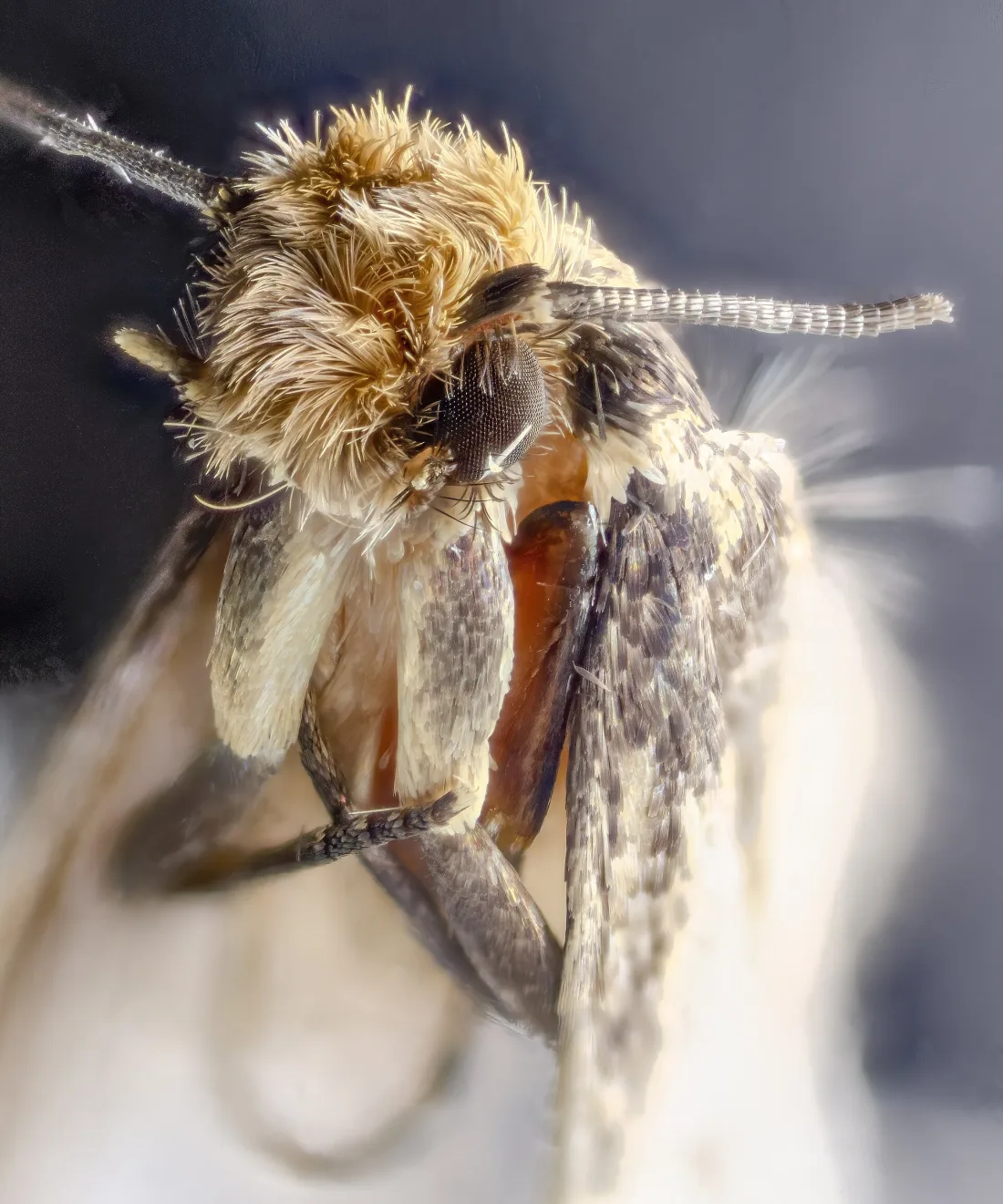
- A clothes moth at rest on fabric — Fedaro (BY SA 4.0)