Gifts for Crafters: Presents They Will Actually Use
8 min read
We may earn a commission from links on this page, at no extra cost to you. As an Amazon Associate I earn from qualifying purchases. Learn more.
Crafters already own the basic tools of their craft and have firm opinions about them. The gifts that land are upgrades of tools used every day, consumables in the right fiber, storage, light, and things that make long sessions easier on the body. Ideas by craft, by size of gift, and what to avoid.
Almost every crafter already owns the basic tools of their craft, and most have strong opinions about them: which scissors, which needles, which brand of thread. A gift that duplicates something they have, or replaces it with something they would not have chosen, ends up in a drawer. The presents that get used fall into a few groups: a better version of a tool they handle every session, materials that run out, storage and light, and things that make long hours at a table easier on the hands, eyes and back.
Find out three things first
You can avoid most bad craft gifts with a little quiet research, without spoiling the surprise.
- Which craft, exactly. "Crafty" covers quilting, knitting, needle felting, embroidery, paper crafts and a dozen more, and their tools barely overlap. A knitter has no use for a rotary cutter.
- What is worn out or improvised. Look at the workspace. Scissors with tape on the handle, a lamp borrowed from the living room, a stash in grocery bags, a cutting mat with a groove worn across it: each of those is a gift waiting to happen.
- Which materials they use. Fiber content matters more than color. A felter who works in wool will not use acrylic felt; a knitter who only uses cotton has no use for a skein of merino, however nice it is.
If you can ask someone who crafts with them, do. Fellow crafters usually know exactly what is missing.
Gifts that suit almost any crafter
Good scissors, and a rule to go with them
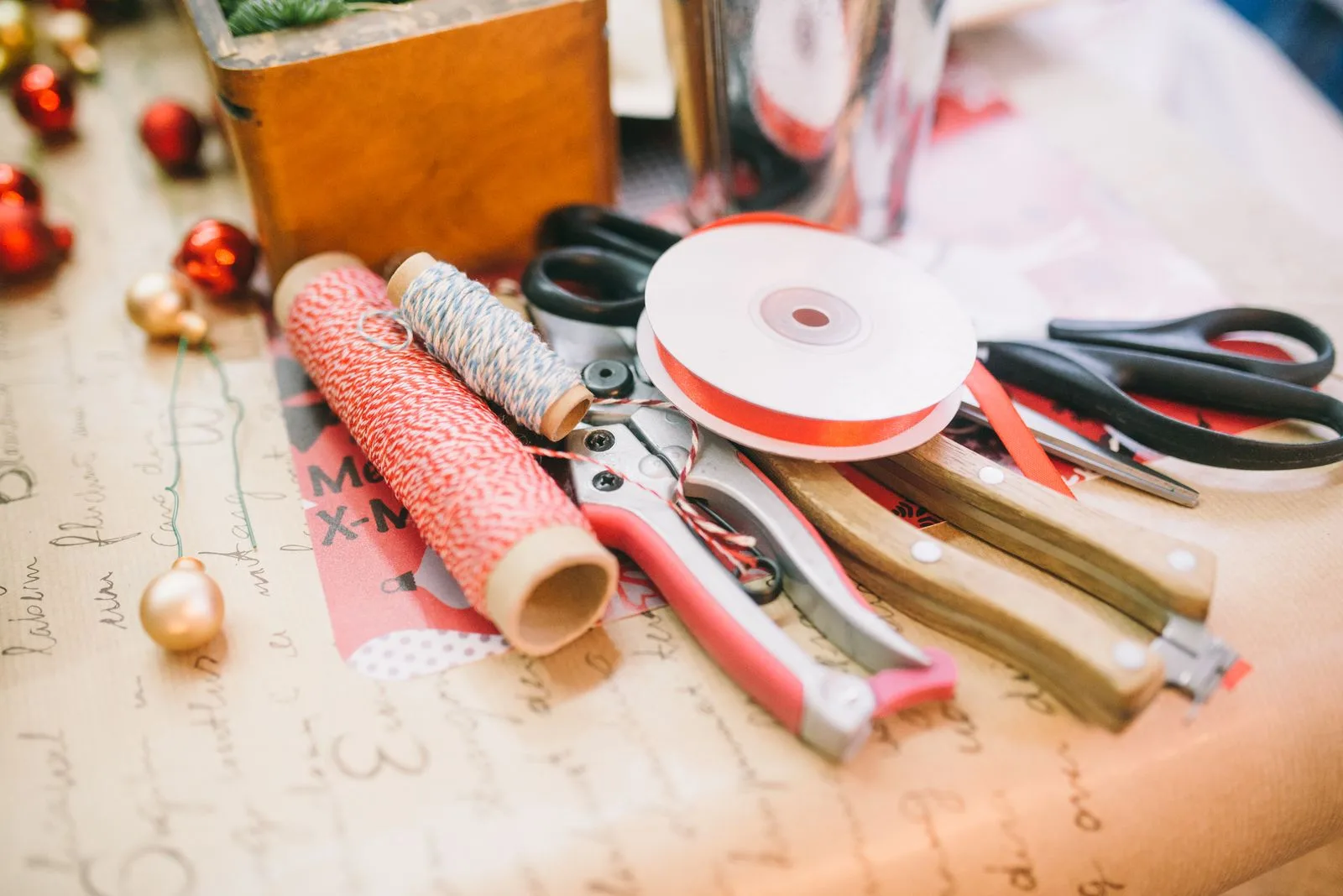
A pair of 8 in (20 cm) dressmaker shears that is used only on fabric stays sharp for years; a pair that cuts paper, tape or plastic is dull within weeks. Many crafters own one pair that does everything and does all of it badly. Pair the shears with small embroidery snips for thread and fine trimming, and tie a ribbon on the handle so the household knows these are not the kitchen scissors.
Light
Color matching, dark yarn and fine stitching are all hard under a warm living-room bulb, and most crafting happens in the evening. A daylight lamp in the 5000–6500 K range shows colors close to how they look outdoors. For close work, a magnifying lamp with a ring of light around the lens helps anyone who is starting to hold work at arm's length. Look for an adjustable arm and a clamp or a heavy base, so it stays where it is put.
Storage
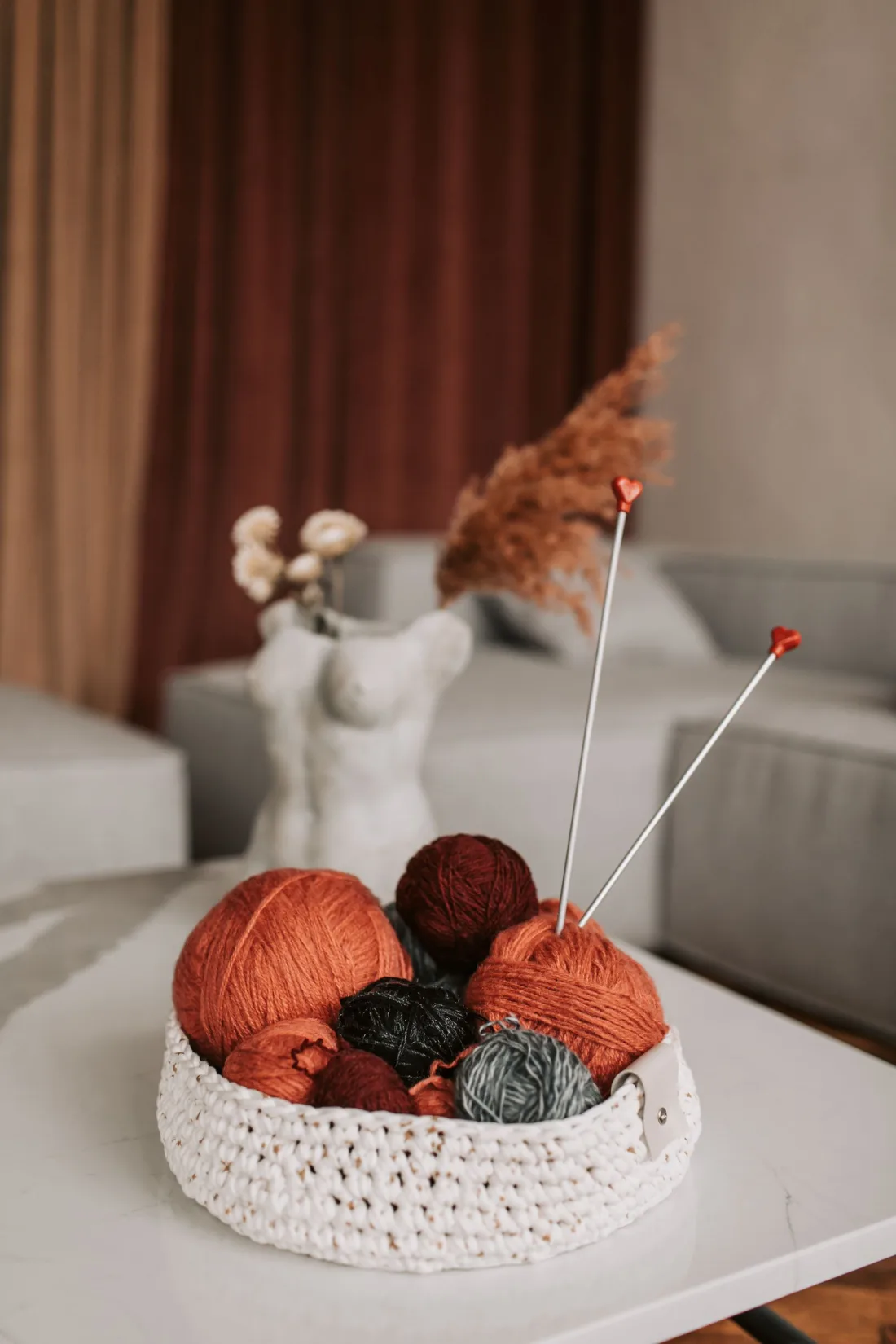
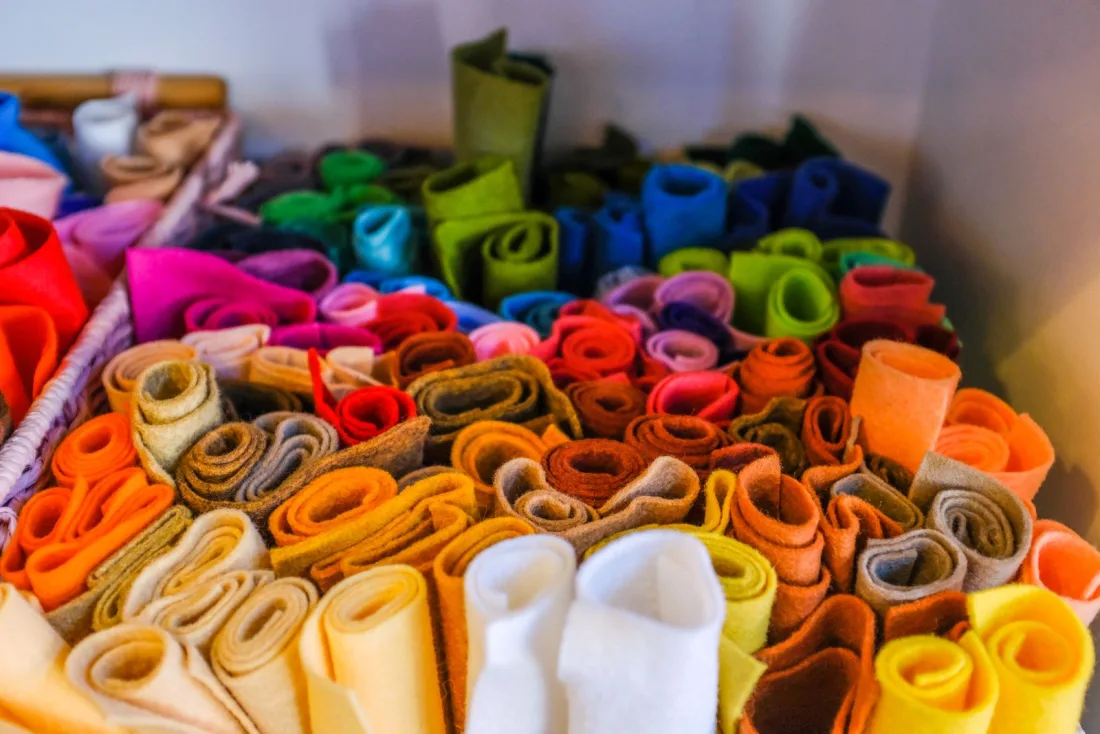
Every crafter's stash grows faster than their shelves. Soft-sided baskets are kinder to yarn and fabric than wire or wicker, which snag; felt storage baskets are soft-sided, slide onto cube shelving and do not catch fibers. A few zippered project bags are the other half of the answer: one project per bag, so a half-finished sweater can travel without its needles falling out.
A better work surface
A felt desk mat turns a dining table into a workspace that does not scratch, keeps beads and pins from rolling off, and is pleasant to rest wrists on. Sewists and paper crafters will use a large self-healing cutting mat even more; the gridlines double as a ruler, and a bigger mat than the one they have is almost always welcome.
Comfort for long sessions
Crafting is hard on the body in small ways: hours at a cutting table, a day on a concrete floor at a craft fair, cold feet in a garage studio. A pair of wool felt insoles adds warmth and a little cushioning to everyday shoes and boots, and they are the kind of gift people would not buy for themselves. A footrest, a seat cushion or a good apron fit the same group.
Gifts by craft
For quilters and sewists
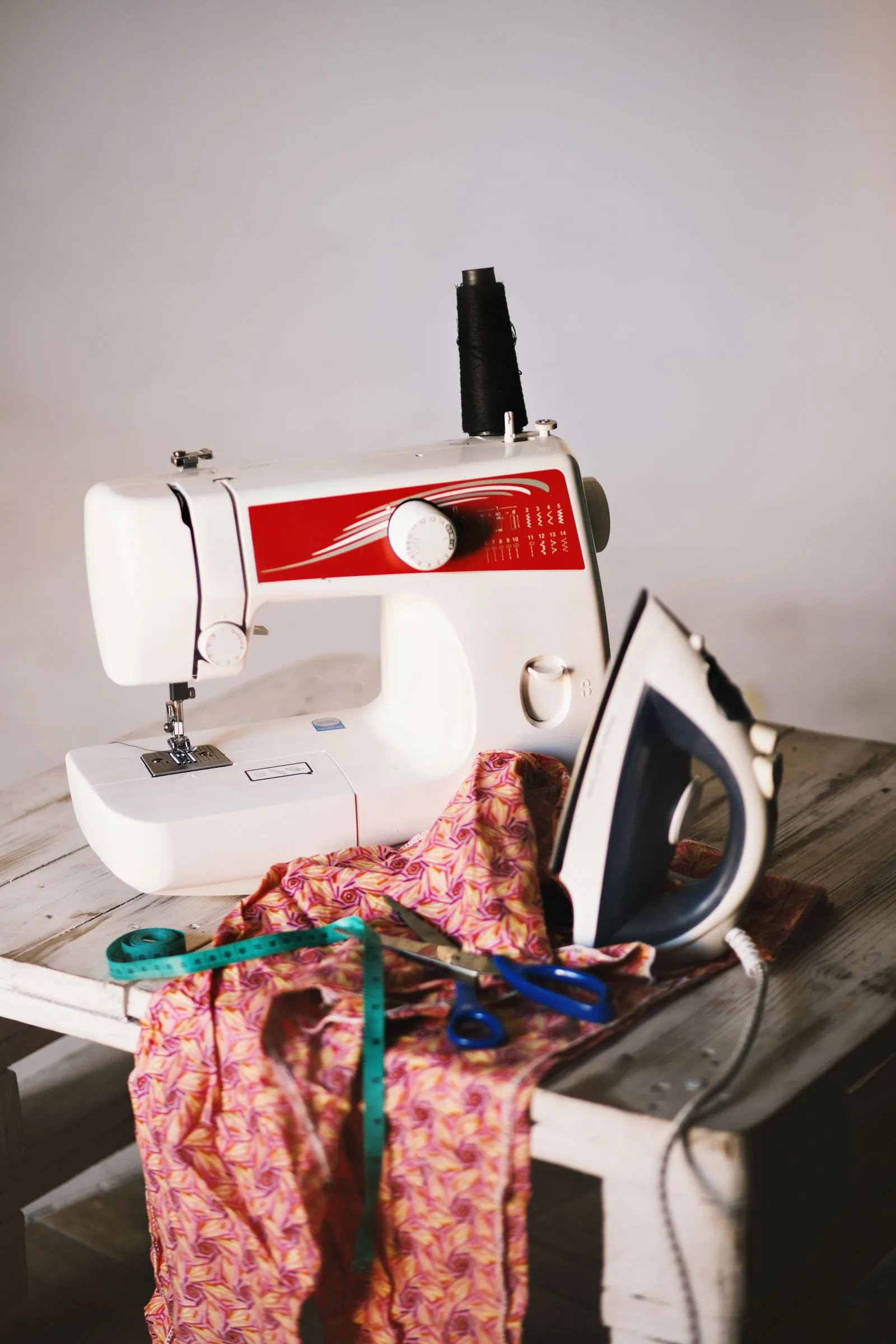
- A wool pressing mat. A dense pad of wool felt that holds heat and steam, so seams press flatter than on an ironing board. It sits beside the machine and saves trips across the room.
- A rotary cutter with spare blades. The blades dull steadily, and a fresh pack is always welcome. A cutter in the size they already use is safer than guessing a new one.
- Small tools that go missing: a sharp seam ripper, glass-head pins that will not melt under an iron, sewing clips, a magnetic pin dish.
- Fat quarter bundles in a color family they already favor.
For knitters and crocheters
- A ball winder and yarn swift. Many yarns are sold in skeins that must be wound before use, and doing it by hand over a chair back takes a long evening.
- Interchangeable needle or hook sets only if you know their preferred material: wood, metal and bamboo feel very different, and knitters care. The sizes are explained in knitting needle sizes.
- Yarn in their usual fiber and weight, enough for a whole project rather than one skein of something special they cannot make anything from.
- Blocking mats and pins. Interlocking foam mats and rust-proof pins make a finished piece look professionally made.
For felters
Felting is a cheap craft to start and an easy one to buy for, because most of what it uses is wool and needles. For a beginner, a good felting kit is the obvious gift; the different kinds of kit and what to check in one are explained there. For someone already felting, think in consumables and upgrades:
- Wool by weight, not by the number of colors. A pound of undyed core wool is never wasted.
- Spare felting needles in 36, 38 and 40 gauge. Needles break, and a fresh dozen is a small, welcome gift.
- A better mat. Thin foam wears out and crumbles; a wool pad or brush mat lasts much longer.
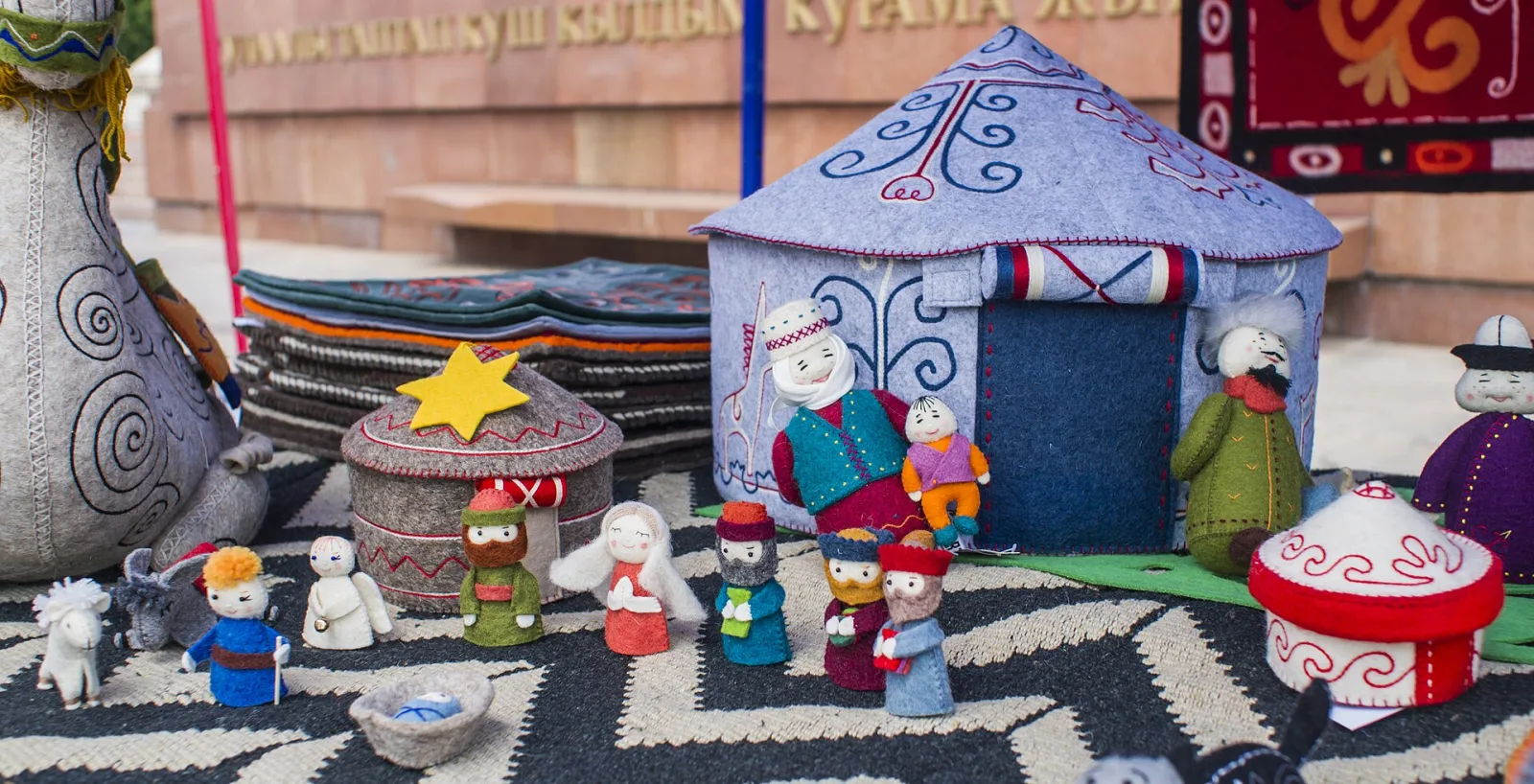
- Wool felt fabric as a base for needle felted pictures and appliqué.
The full list of what a felter needs, in the order to buy it, is in felting supplies for beginners. A gift chosen from its "worth adding" items is a safe bet.
For hat makers and hat lovers
Someone who blocks, reshapes or simply owns a lot of felt hats will use a hat steamer. It softens felt so a crown can be dented or a brim reshaped, and it lifts the flattened nap after rain. For a crafter who admires the material rather than working it, a finished hat makes a good present: a felt cloche hat is the close-fitting 1920s shape, and a felt bucket hat is the casual one that packs into a bag. Check the head size before buying either.
For crafters with pets
Fiber and fabric crafters have a particular problem with pets: dog and cat hair works its way into yarn, batting and every project on the table. A set of dryer balls for pet hair helps shake it loose from clothes and blankets in the dryer, which keeps less of it in circulation around the work. Choose unscented ones in a house with cats. For a crafter who wants to do something with all that fur, felting with dog hair turns the problem into a project.
Experiences, books and time
A class is a gift that does not need storage. Many yarn and fabric shops run one-day workshops, and local guilds often welcome visitors. For felting, needle felting classes and wet felting classes cover what to expect and how to find one. Books work well for crafters who learn from pictures; wet felting books lists the ones felters keep going back to.
Time is the other underrated present: an afternoon of childcare, a cleared corner of a room turned into a permanent workspace, or a weekend at a fiber festival.
Gifts by size
Stocking stuffers and small gifts
- Embroidery snips or a thread cutter pendant
- A seam ripper, a needle threader, a pack of quality hand-sewing needles
- Stitch markers, row counters, a tape measure that retracts
- Leather finger guards and spare felting needles
- A cake of beeswax to keep hand-sewing thread from tangling
- A small project bag or a zippered notions pouch
Mid-range presents
- Good fabric shears
- A daylight lamp
- A wool pressing mat or a felt desk mat
- A set of matching storage baskets
- A ball winder and swift
- A class or workshop place
The big present
For a committed crafter, the big gift is a machine or a piece of furniture: a sewing machine upgrade, a felting machine for someone who felts flat pieces in quantity, a cutting machine for appliqué and paper work, or an adjustable craft table with good lighting. All of these are personal and heavy to return. Ask, or give a card for the item with an offer to shop together.
What to avoid
- Beginner kits in their own craft. They duplicate tools and usually contain lower-quality materials than the crafter already uses.
- "Every tool you need" sets. Fifty-piece kits pad the count with tools of uneven quality. One good tool beats twenty passable ones.
- Materials chosen by color alone. Fiber, weight and dye lot matter. Acrylic craft felt for a wool felter, or a single skein of novelty yarn for a sweater knitter, will sit unused.
- Decor with craft slogans unless you know they like it. Mugs and signs about yarn stashes are given far more often than they are wanted.
- Anything that needs a lot of room in a home where space is already short, unless you are also giving the room.
Ordering for Christmas
Craft gifts have two timing traps. Hand-dyed yarn and fiber from small sellers are often dyed to order and take several weeks to ship. Shops also sell out of popular colors and kits in December. Order consumables in good time and leave tools, which are usually in stock, for later. If the gift arrives late, a photo of what is coming tucked into a card is a perfectly good thing to unwrap.
Frequently asked questions
What is a good gift for someone who already has every craft supply?
An upgrade of something they use every session rather than a new gadget: sharper scissors, a better lamp, a proper work surface, or storage that brings a scattered stash into one place. Consumables in the fiber or fabric they already use are the other safe choice, because they always run out.
Is a craft kit a good gift for an experienced crafter?
Usually not in their own craft. A beginner kit duplicates tools they own and the materials are rarely their quality. A kit in a neighboring craft they have never tried can work well, though: a <a href="/felting-kit">felting kit</a> for a knitter, for example, uses a lot of what they already understand about wool.
What are good stocking stuffers for crafters?
Small things that wear out or go missing: embroidery snips, a seam ripper, a pack of good pins, stitch markers, leather finger guards and spare felting needles in 36, 38 and 40 gauge, a needle threader, a cake of beeswax for thread. They are cheap, they get used, and most crafters never buy themselves a new one until the old one breaks.
Should I give a gift card instead of craft supplies?
For yarn, fabric and fiber, often yes. Color, weight and fiber content are personal and hard to guess, and a gift card to the shop they already use is the one way to be sure. For tools, a chosen gift is better, because most crafters will spend a card on materials and keep working with the old scissors.
What do you get a crafter who has pets?
Something that deals with the hair. Pet hair gets into every fabric and yarn stash, and wool dryer balls used the right way shake a lot of it loose from clothes and blankets so it ends up on the lint screen; see <a href="/dryer-balls-for-pet-hair">dryer balls for pet hair</a>. Skip scented versions if there is a cat in the house: several essential oils are toxic to cats.
Topics
Image credits
- Spools of red and gray twine, a roll of red ribbon, scissors and pliers on brown wrapping paper with Christmas baubles — Leeloo The First (Pexels License)
- Balls of rust, burgundy, black and gray yarn with two knitting needles in a low white crocheted basket on a table — Vlada Karpovich (Pexels License)
- Dozens of rolled pieces of felt fabric in many colors packed into a basket — Adrien Olichon (Pexels License)