Felting with Dog Hair: Preparing Fur That Actually Felts
4 min read Intermediate
We may earn a commission from links on this page, at no extra cost to you. As an Amazon Associate I earn from qualifying purchases. Learn more.
Undercoat felts, guard hair does not, and the difference decides whether you get a keepsake or a bag of fluff. How to collect, wash and work with it.
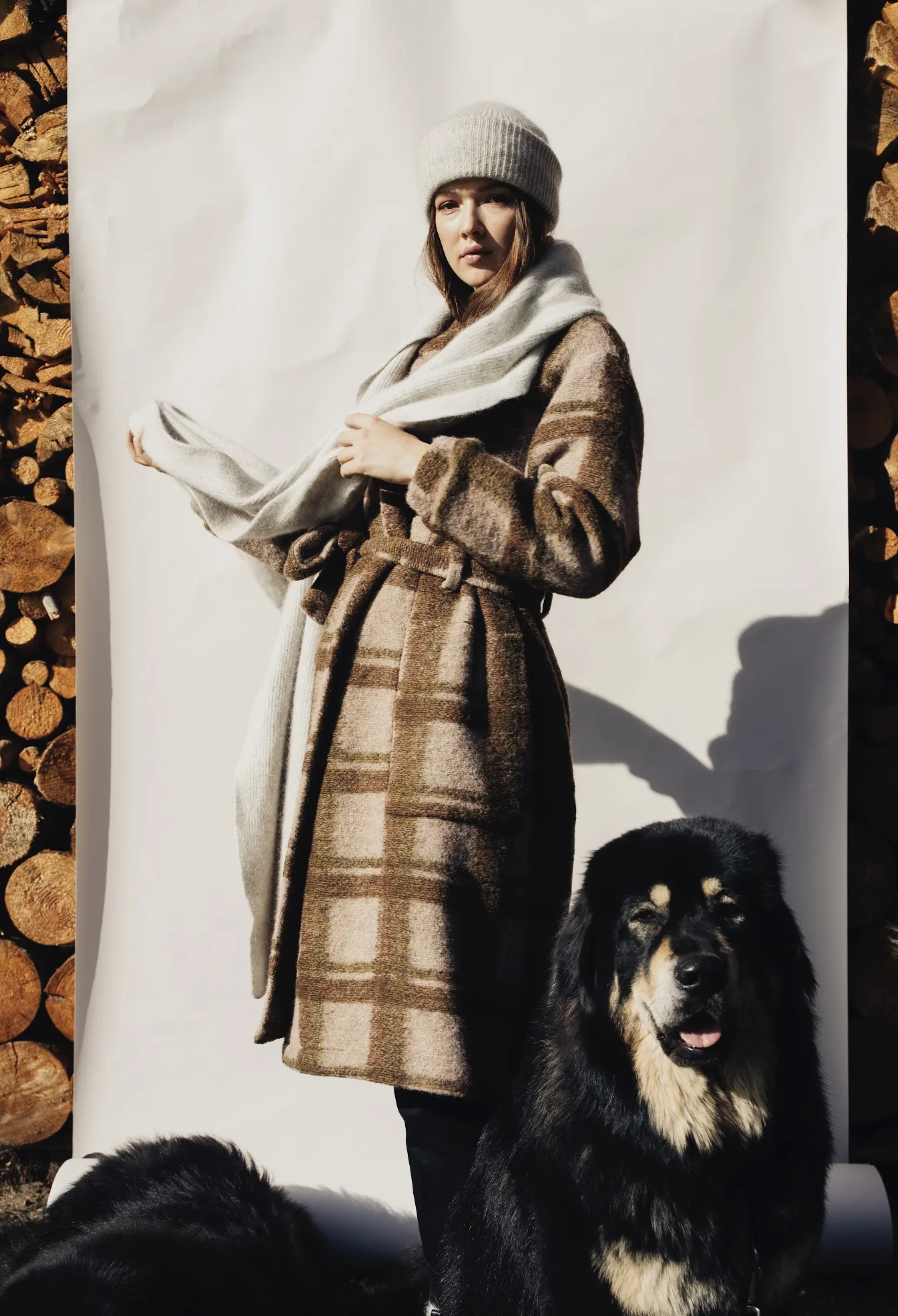
Dog hair felts. It is the basis of chiengora, a genuine fibre tradition, and a brushed-out husky produces more usable fibre in a season than most people know what to do with.
Whether it works for you depends almost entirely on one thing: which part of the coat you have collected.
Undercoat versus guard hair
Double-coated dogs have two kinds of hair.
- Undercoat — soft, fine, crimped, and covered in a scaled surface much like wool. This felts.
- Guard hair — long, straight, coarse and smooth. This does not felt, and mixed in quantity it works its way out of finished pieces as prickly whiskers.
What comes out of a deshedding brush during a moult is nearly all undercoat, which is exactly what you want. What comes off a clipper or a groomer's table is a mixture, and needs sorting.
Which dogs
- Excellent: husky, samoyed, malamute, chow chow, keeshond, german shepherd, collie, newfoundland, golden retriever, pyrenean.
- Workable: poodle and doodle coats (fine but curly and short), spaniels, corgis.
- Poor: greyhound, whippet, boxer, dobermann, dalmatian — short single coats with almost no undercoat at all.
Fibre length matters as much as breed. Anything under about 2 cm is hard to felt alone and needs blending with wool.
Collecting it
Brush during a moult, when the undercoat comes away in clouds. Store it dry in a paper bag or a breathable box — never a sealed plastic bag, which traps moisture and makes it smell.
You need more than you think: about 30 g for a small keepsake ornament, 100 g and up for anything substantial. That is several weeks of a heavy-moulting dog.
Washing — do not skip this
Unwashed fur carries skin oils and dander that smell strongly the moment they get warm and damp, which is precisely what felting involves.
- Fill a basin with hot water and a little washing-up liquid or wool wash.
- Submerge the fur and press it down. Do not agitate — agitation felts it into a solid mat before you have made anything.
- Soak twenty minutes, lift out, squeeze gently.
- Rinse in water at the same temperature, twice.
- Spread on a towel and dry completely. Damp fur stored away goes mouldy.
A second wash is worth it if the dog was oily. The finished piece should smell of nothing at all.
Preparing it
Wash first, then pick through it by hand and pull out guard hairs — tedious, and the single biggest quality difference in the finished piece.
Then card it. Hand carders open the fur, remove remaining debris, and let you blend wool in at the same time. The method is in carding wool by hand.
Blending with wool
Pure dog hair works with a good long undercoat, and it is slower and less predictable than wool. Blending gives you structure and speed:
- 70% dog / 30% wool — the fur still dominates and it behaves far better.
- 50/50 — reliable, and the recommended starting point.
- Wool core, dog hair surface — the practical trick for keepsakes. All the structure comes from cheap wool and the visible surface is entirely the dog.
Needle felting with it
Works well. Dog hair compacts more slowly than wool and stays slightly softer, so expect to work longer for the same firmness, and expect a slightly hazier surface — the fine fibres do not lie down as neatly.
The standard approach applies: build a core, add the fur as a surface layer, finish with a 40 gauge needle. See needle felting techniques.
Wet felting with it
Also works, and it needs more patience. Dog undercoat is slippery when wet and takes longer to grab. Use hotter water, more soap and a longer rubbing stage before rolling, and lay the fibre thicker than you would wool.
The general process is in wet felting for beginners.
What to make
- A small sculpture of the dog itself — the classic memorial piece, in the animal's own fur.
- A felted ball or bead — small, quick, and it uses very little fibre.
- An ornament with the fur as the surface layer over a wool core.
- A cushion insert or a small mat — blended with wool, for the households with a genuine surplus.
Because the quantity is usually limited, keepsakes are the right scale. A wool core with a dog-hair surface makes 30 g go three times as far.
Honest limitations
- It will smell if it gets wet, mildly, for the life of the piece — less so if it was washed properly, but wet dog is wet dog.
- Colour fades. Undercoat is often paler than the coat looks, and finished pieces come out lighter than people expect.
- Allergies. Working with a lot of fur releases dander. If anyone in the house reacts to dogs, do it outdoors.
- It is slower. Every stage takes longer than with wool. That is worth knowing before you start something ambitious.
The same questions come up with cats, with slightly different answers — see felting with cat hair.
Frequently asked questions
Can you felt with dog hair?
Yes, if it is soft undercoat rather than coarse guard hair. Undercoat has a scaled surface much like wool and tangles readily. Guard hairs are smooth and straight and will not felt on their own.
Which dog breeds have hair that felts best?
Double-coated breeds with heavy undercoats — huskies, samoyeds, chow chows, german shepherds, collies, golden retrievers. Short smooth-coated breeds like greyhounds and boxers give almost nothing usable.
How do you stop felted dog hair from smelling?
Wash the fur properly before felting: hot water with a little detergent, no agitation, then rinse and dry completely. Unwashed fur carries skin oils that smell strongly once damp and warm.
Do you need to mix dog hair with wool?
Not always, but it helps. Blending 30 to 50% wool gives structure and speed, especially with shorter fur. Pure dog hair works with a good long undercoat and takes noticeably longer.