Wet Felting Books: What to Read, and in What Order
3 min read
Felting books split into three kinds — technique manuals, project collections and artist monographs. Most people buy the second kind first and wish they had bought the first.
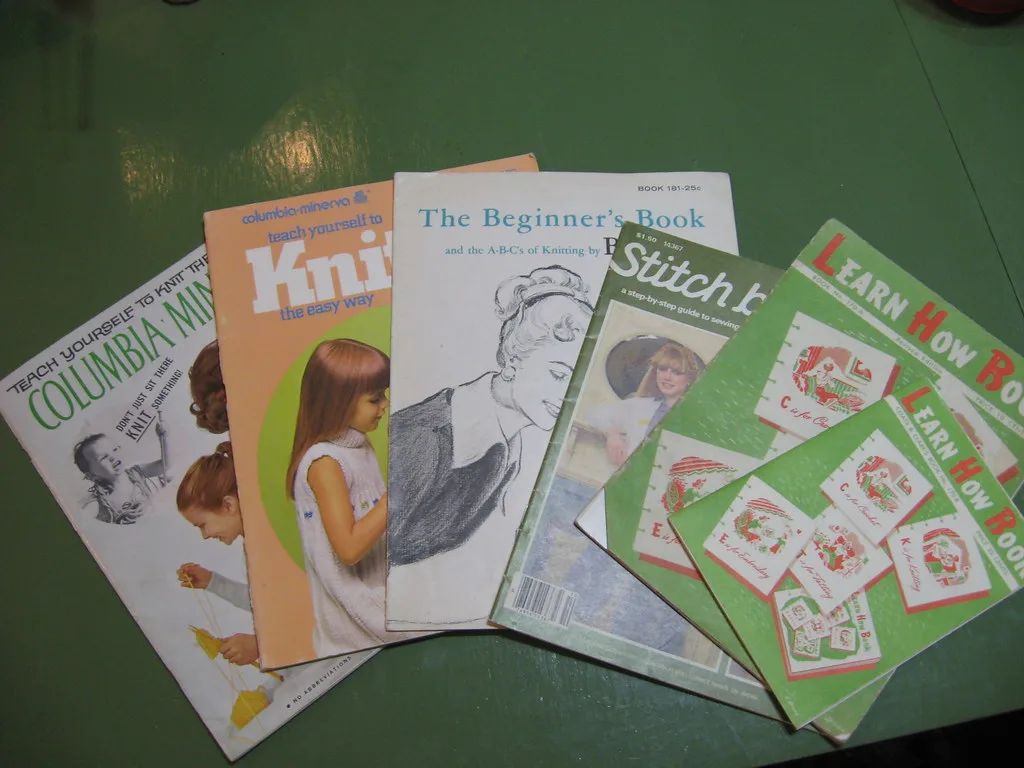
There are more felting books in print than the craft strictly needs, and they are not interchangeable. Knowing which of the three types you are holding saves buying the wrong one twice.
The three kinds
1. Technique manuals
These explain the process rather than a list of objects. Look for chapters on:
- Fibre — breeds, micron counts, why merino behaves differently from Corriedale
- Layout — crossed layers, thickness, edges
- Water, soap and temperature, with actual numbers
- Shrinkage percentages by fibre and technique — the single most useful table in any felting book
- Fulling as a separate stage from felting
- Resists: how to draw one, how much to oversize it
- Troubleshooting: thin patches, fuzzy surfaces, pieces that will not felt
This is the type to own. Everything else in the craft is a variation on it.
2. Project collections
Twenty makes, photographed well, with step-by-step instructions and a template at the back. Enjoyable, and the fastest route to a finished object. The limitation is that you can make the twenty things in the book and nothing else, because the reasoning is not there.
Judge one by whether the projects build on each other. A good collection starts with a flat sample, moves to a resist, then to shaping — a weak one is twenty unconnected items in ascending order of page count.
3. Artist monographs
Books about a particular felt artist's work, heavy on photographs and light on instruction. They will not teach you technique and they are often the most useful books on the shelf, because they show what the material can do. Nuno work, felted sculpture and large-scale wall pieces are best learned by looking.
How to judge a book before buying
- Find the shrinkage discussion. If there is a table with percentages, the book is serious. If shrinkage appears only as "the wool will shrink", it is not.
- Check whether fulling is treated separately from felting. Books that conflate the two produce readers whose work falls apart.
- Look at the photographs of hands. Good books show hand position and pressure; weak ones show only finished objects.
- Check the resist templates. Are the enlargement percentages given, and are they explained?
- Read the troubleshooting section first. It is the fastest test of whether the author has taught beginners.
Specialist areas worth a separate book
- Nuno felting — enough of a distinct discipline to justify its own volume, particularly for fabric selection. The essentials are in nuno felting for beginners and best fabrics for nuno felting.
- Felted garments — sizing, shrinkage allowances and fit are a specialism, and general books cover them badly.
- Dyeing — usually a separate book entirely; see dyeing wool roving for the basics.
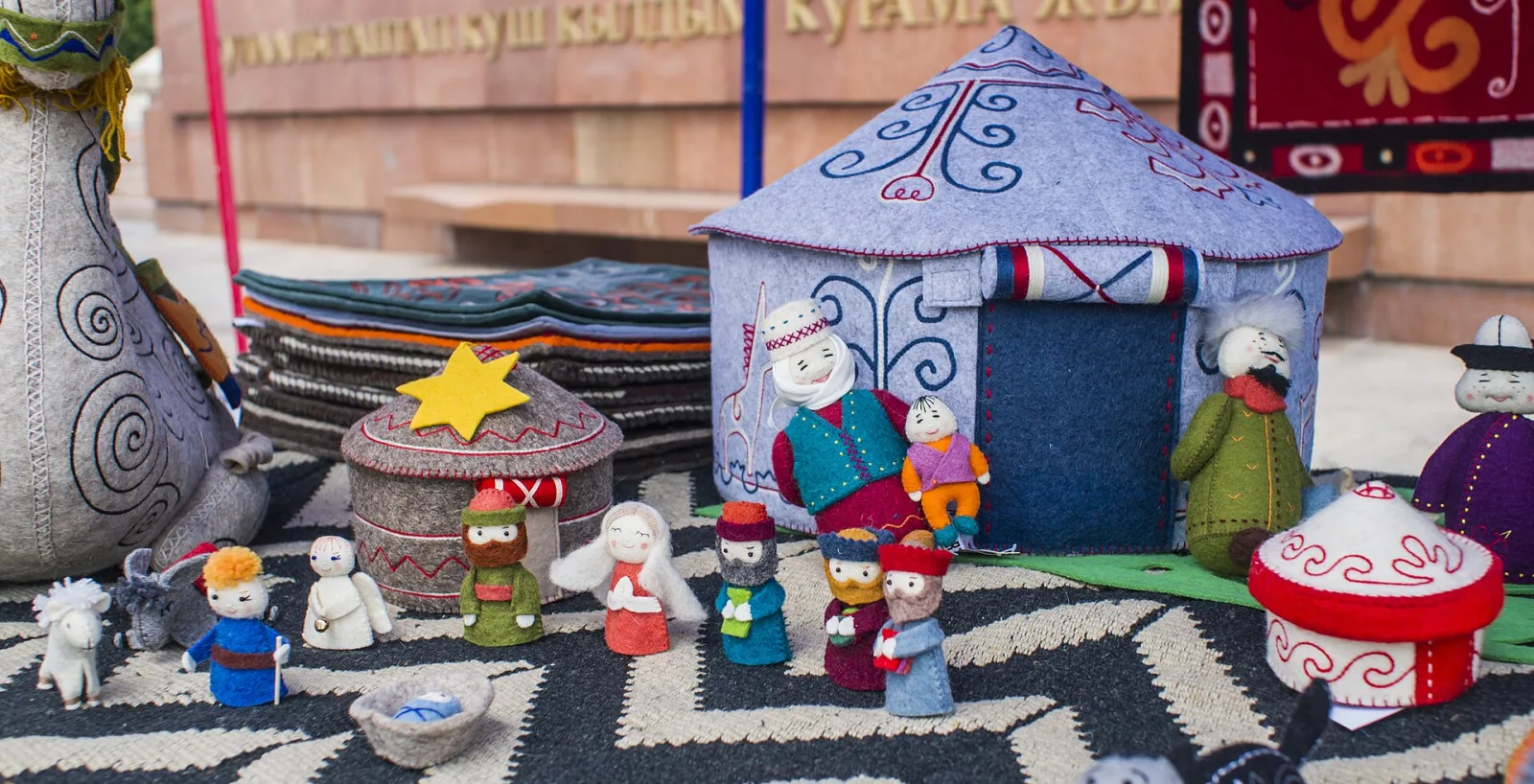
- Traditional and historical felt — Central Asian, Turkish and Mongolian felt-making, which is where most of the large-scale techniques come from.
- Sculptural and hollow forms — resist geometry deep enough to design your own; the introduction is in resist felting.
Where to find them
- Secondhand — felting books date slowly and sell cheaply. The 1980s and 1990s craft revival produced some of the clearest technical writing on the subject.
- Guild libraries — most guilds of weavers, spinners and dyers keep a library members can borrow from. Read before you buy; details in wet felting classes.
- Public library inter-loan — craft sections are thin, but inter-library loan reaches specialist titles.
- Wool festivals — booksellers attend, and you can look inside before paying.
- Artists' self-published books — often the most detailed instruction available for a specific technique, sold direct from their own sites.
What a book cannot give you
The judgement of when a piece is fulled enough. That is a feel — a specific stiffness and a specific sound when the felt is squeezed — and no photograph transmits it. One afternoon with an experienced felter fixes it permanently, which is why a class is worth more than a shelf at the beginning.
Until then, the reliable substitute is the pinch test: pinch the surface and pull. If fibres lift away, keep fulling. Nothing lifts, it is done. That test, and the rest of the process, is in wet felting for beginners.
Frequently asked questions
What should a good wet felting book cover?
Fibre types and how they differ, laying out crossed layers, water temperature and soap, the difference between felting and fulling, shrinkage percentages, and resists. A book that starts at project one and never explains shrinkage will leave you unable to size anything.
Are old felting books still useful?
Very. The chemistry has not changed and neither has the wool. Books from the 1980s and 1990s often explain the mechanism better than modern project-led ones, and they are cheap secondhand.
Do I need a book at all?
Not to start — the process is simple enough to learn from a page or two. A book earns its place at the point where you want to design your own pieces rather than follow someone else's, because that is when shrinkage maths and resist geometry start to matter.
What is the difference between a felting book and a felting pattern?
A pattern gives measurements for one object. A book should teach you why those measurements work, so you can draw your own. Books that are simply bound collections of patterns are the ones people outgrow fastest.