Wool Felt Fabric: Sheets, Yardage and How to Choose
3 min read Beginner
We may earn a commission from links on this page, at no extra cost to you. As an Amazon Associate I earn from qualifying purchases. Learn more.
Pure wool felt, wool blend and acrylic craft felt look almost identical on a shelf and behave nothing alike. What the labels mean and what each is good for.
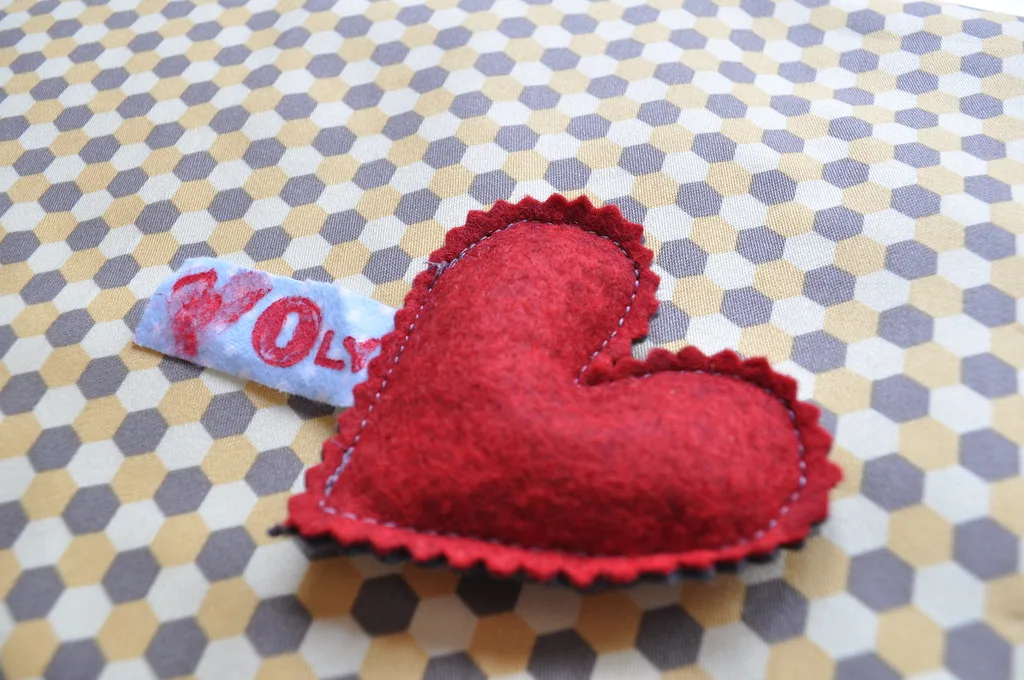
Two squares of felt on a shop shelf, same colour, same size, one three times the price of the other. The expensive one is wool. Whether that difference matters depends entirely on what you are making, and the answer is not always yes.
The three grades
- 100% wool felt. Dense, matte, slightly fibrous surface. Cuts to a clean edge that never frays, moulds when damp, takes needle felting, and lasts. Expensive.
- Wool blend — commonly 20 to 35% wool with rayon or polyester. Most of the visual quality of wool felt at roughly half the price. The usual compromise, and a good one for appliqué.
- Acrylic craft felt. Very cheap, very bright, slightly shiny. Pills within weeks, will not mould, will not accept needled fibre. Fine for a child's collage, wrong for anything meant to survive.
A quick test if the label is missing: pull a fibre out and burn the end. Wool smells of burnt hair and crushes to ash. Acrylic melts into a hard bead and smells of plastic.
How felt fabric is actually made
Loose carded wool is layered, wetted, heated and pressed in an industrial press until the fibres lock. It is the same mechanism as wet felting by hand, run at a scale and pressure no one can reproduce in a kitchen — which is why commercial felt is more even than anything you will make.
That also explains why it has no grain, no weave and no fraying edge. There is no thread in it anywhere.
Thickness, and what each is for
- 1 mm — appliqué, flowers, small ornaments, anything you will sew through by hand.
- 2 mm — bags, book covers, cases, coasters. Holds structure without a machine struggling.
- 3–5 mm — bag bases, seat pads, hat blocking, protective liners.
- 5 mm and up — industrial felt. Desk mats, table protectors, gasket and pad work. Usually sold undyed or in greys.
Sheets or by the yard
Sheets — typically 20 × 30 cm — are the sensible way to buy colour. You get a wide range in small amounts and waste almost nothing on small projects.
Yardage, usually 90 or 180 cm wide, is for anything larger than a hand: bags, cushion covers, table runners, several matching pieces. It comes in fewer colours and demands a minimum cut, but works out much cheaper per area.
A practical split is sheets for detail colours and a metre of two or three neutrals for backgrounds.
Using it as a needle felting base
Pure wool felt is the best background for needle felted pictures there is. Pin it to a foam pad, lay fibre or cut prefelt shapes on top, and needle them in. The felt gives the barbs something to anchor into and stops the design distorting as you work.
Blends work but hold less well; acrylic does not work at all. More on base choice in needle felting on fabric.
Moulding and shaping
Damp wool felt takes a shape and keeps it. Steam a piece, press it over a bowl, a hat block or a former, and let it dry cold — it holds. This is how felt hat bodies are made, and it works at home with an iron and a steady hand.
The effect is permanent enough to be useful and reversible enough to be forgiving: steam it again and it relaxes.
Caring for it
Hand wash cool at most, and never agitate — felt fabric can felt further, shrinking and hardening in the process. Most finished wool felt items are better spot-cleaned and aired than washed at all. Brush pilling off with a stiff brush rather than shaving it, which thins the surface.
When to make your own instead
If you want a specific blend, an unusual thickness, colour that shades across the sheet, or texture, hand felting will do things no bolt of commercial felt can. If you want twelve identical squares of even, well-behaved fabric, buy it — evenness is precisely what industrial pressing is good at and hand work is not.
Frequently asked questions
What is the difference between wool felt and craft felt?
Craft felt is usually acrylic or polyester. It is cheap, comes in bright colours, pills quickly and cannot be shaped with heat or moisture. Wool felt is denser, holds a cut edge cleanly, moulds when damp and lasts for decades.
Can you needle felt onto wool felt fabric?
Yes, and it is one of the best backgrounds there is. Pure wool felt takes needled fibre readily and holds it. Acrylic craft felt does not — the barbs push fibre through without anchoring it.
What thickness of wool felt should I buy?
For appliqué and small crafts, 1 mm. For bags, cases and anything structural, 2 to 3 mm. Industrial felt of 5 mm and up is stiff enough to stand on its own and is what desk mats and pads are cut from.
Is wool felt fabric the same as felted wool?
No. Wool felt is made directly from loose fibre pressed together. Felted wool is knitted or woven cloth shrunk after the fact — an old jumper run through a hot wash. Felted wool still shows its stitches; felt has no structure at all.