Hat Steamers: Kettle, Garment Steamer or a Real Hat Steamer, and How to Use One
9 min read
We may earn a commission from links on this page, at no extra cost to you. As an Amazon Associate I earn from qualifying purchases. Learn more.
A hat steamer sends a steady column of steam straight up so both hands are free to shape the felt. How it differs from a kettle and a garment steamer, which one a fedora or cowboy hat owner needs, what to look for, and how to steam felt without scalding yourself or softening the hat.
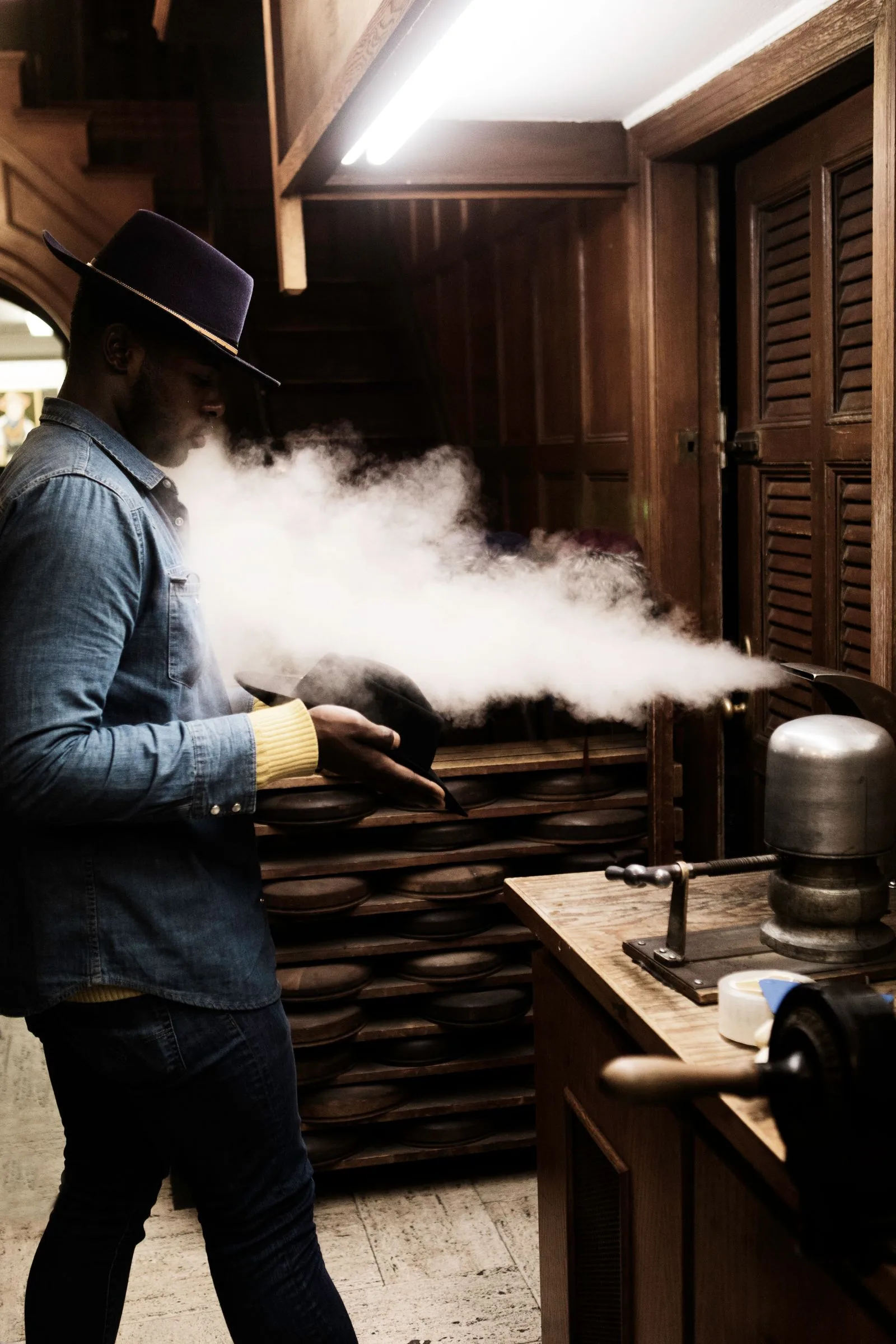
Every felt hat was shaped with steam in the first place. A cone of wool or fur felt is steamed until it goes limp, pulled over a block, and left to cool and dry, and whatever shape it dries in is the shape it keeps. A hat steamer does the same job on a finished hat: it softens one area for a few seconds so you can push a dent out, reset a pinch or curl a brim, and the felt holds the new shape once it cools.
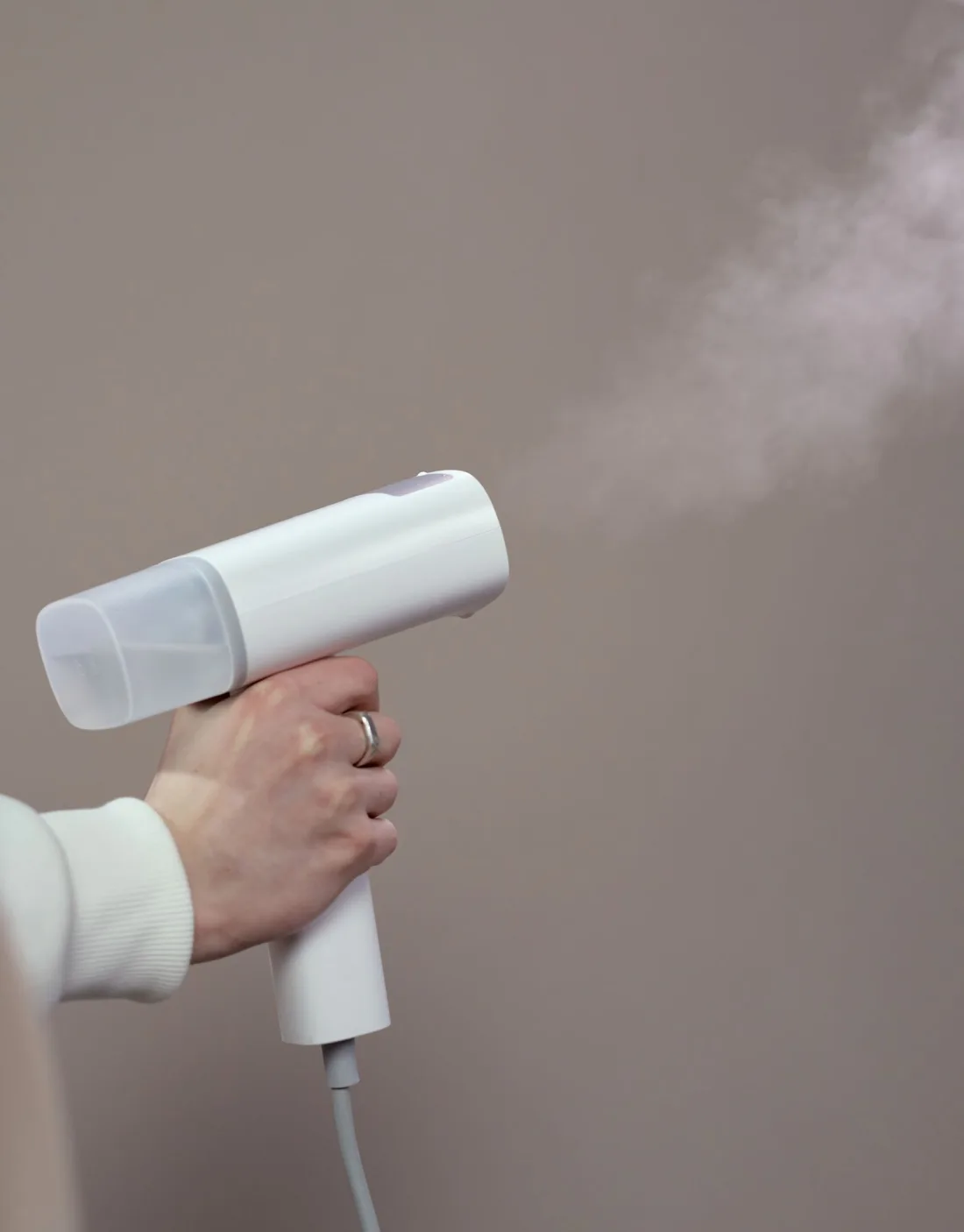
What makes a hat steamer different from the garment steamer in the closet is the direction of the steam. A hat steamer is a small boiler with a nozzle pointing straight up, so the steam rises in a steady column and you move the hat through it with both hands. A kettle does the same thing, badly. A garment steamer does it sideways, with one hand.
Kettle, garment steamer or hat steamer: what is the difference?
All three make steam at about 212 °F (100 °C) at the spout. They differ in how steady the steam is, where it points, and how long they run.
| Kettle | Handheld garment steamer | Countertop hat steamer | Hat steamer machine | |
|---|---|---|---|---|
| Steam direction | Out of the spout, sideways and up | Wherever you point it | Straight up from a fixed nozzle | Straight up, often with interchangeable nozzles |
| Hands free | Yes, but the steam is uneven | No, one hand holds the steamer | Yes | Yes |
| Run time | Until it switches off, then reboil | Short; small tank, often pulses | Continuous for a working session | All day, built for a shop counter |
| Good for | One dent, once in a while | Dents, pinches, a soft brim edge | Creasing, brim work, several hats | Western-wear shops, hatters, milliners |
| Drawback | Bursts of wet steam, hot spout, no aim | One-handed shaping | Another appliance to store | Size, weight and cost |
A kettle is how most people start, and it works for the job in how to clean a felt hat: a few seconds over the spout, push the dent out, hold it. Its problem is control. The steam comes out in a wet gush when the water is at a full boil and fades when it switches off, and the hot spout is right where your hands want to be.
A handheld garment steamer is easier to aim at a brim than a kettle spout. It is the right tool for an occasional fix. Over a longer session it gets tiring: you hold the steamer in one hand and shape with the other, and on a crown crease you really want two hands.
Which one do you need?
Count the hats and the jobs, not the features.
- One or two dress hats, a dent now and then. A handheld garment steamer you probably already own, or a kettle. Buying a dedicated hat steamer for this is optional.
- Western hats, or anyone who creases their own crowns. A countertop hat steamer earns its place. Putting a cattleman crease into an open crown, rolling both sides of a brim evenly and then matching them takes both hands and a few minutes of steady steam, which is exactly what a garment steamer does not give.
- Several hats a week, a shop, or hat making. A hat steamer machine: a heavier unit with a bigger boiler that stays hot on a counter. Western-wear stores keep one to crease and fit hats for customers, and milliners use steam constantly when blocking felt.
If you are blocking blanks into new hats, the steamer is one of the larger purchases on the list, along with a block. The process is in felt hat blanks.
What to look for in a hat steamer
Listings are full of wattages and tank sizes, and those numbers are not always comparable from one maker to another. These are the points that make a difference at the counter:
- Continuous steam, not pulses. The felt needs a steady flow while you work. A steamer that surges and fades makes the timing guesswork.
- A nozzle that points up. That is what defines a hat steamer. Some come with a narrow nozzle for a crease and a wider one for a brim; that is useful, not essential.
- Enough water for a session. Running dry halfway through a crown is a nuisance. Check how long the maker says one fill lasts, and look for a water window so you can see the level.
- A heavy, stable base. You will be leaning a hat over it and pushing on the felt. A light unit that slides or tips is a scalding risk.
- Dry steam. Some steamers spit droplets as they heat up or as the water runs low. Water spots on felt dry out, but they can leave a mark on a dark or long-nap felt. Read reviews for complaints about spitting.
- Automatic shutoff when the tank runs dry, and a cord long enough to reach a table rather than a floor outlet.
A hat steamer shaper, in listings, usually means a steamer sold with shaping tools, or a separate hat stretcher or shaping form. The steamer is the useful part. Your hands do most of the shaping; a stretcher is only for size.
How to steam a felt hat
The method is the same for a fedora, a trilby, a cloche or a western. Only the area you work on changes.
- Let the steamer reach a steady flow before the hat goes near it. The first steam from a cold unit is often wet.
- Hold the hat 4–6 in (10–15 cm) above the nozzle and move it slowly through the steam. Do not park one spot in the jet.
- Steam one small area for 5–10 seconds, until the felt feels warm and slightly limp. Not wet.
- Shape it by hand: push a dent out from inside, pinch the front of the crown with finger and thumb, curl a hand's width of brim up or press it flat on a clean table.
- Hold the shape until the felt cools, usually under a minute. It sets as it cools, not while it is hot.
- Move to the next section and repeat. Work around a brim in sections rather than steaming the whole thing at once.
- Let the hat dry at room temperature on its crown or on a stand before you wear it. Damp felt pushed onto a head takes the shape of the head.
Keep the steam off the sweatband. Leather that gets hot and wet shrinks and goes hard, and a shrunk band makes a hat smaller. If you are working near the base of the crown, fold the band inward and away from the jet.
Short bursts are the rule because of the stiffener. Most felt hats are stiffened with a resin or similar finish, and long, repeated steaming softens it. A brim that has been steamed for minutes at a time loses its spring and may not get it back. If that has already happened, hat stiffener explains how a limp brim is firmed up again.
Cowboy and western hats
This is where a dedicated western hat steamer is worth having. Western hats are often sold with an open crown for the owner or the shop to crease, and the brim curl is set by steam and hand. Typical jobs:
- Creasing a crown. Steam the whole crown evenly until it softens, push the center dent in with the edge of your hand, then pinch the side dents. Two hands and a steady column of steam make this much easier.
- Matching the brim curl. Steam one side, roll it up over your fingers, hold it, then do the other side and compare them from the front.
- Flattening a brim that has cupped. Steam it lightly and press it flat on a table under your palms until it cools.
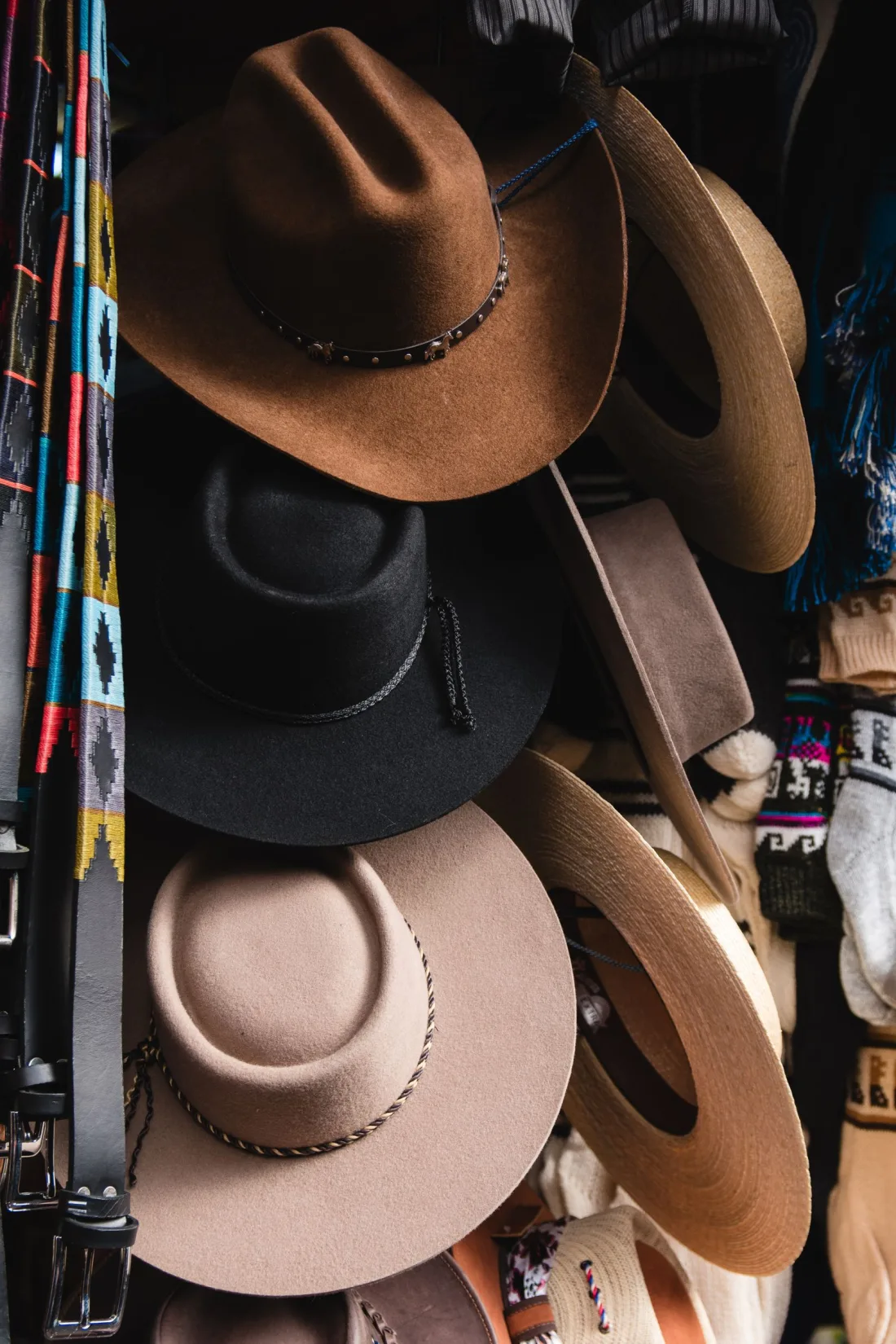
Wool felt westerns lose their shape faster than fur felt and come back to steam more often; the differences between the felts, the crowns and the brim widths are in felt cowboy hats.
Can steam stretch a hat?
By a fraction of a size. Felt gives a little when it is warm, and the usual method combines light steam with a hat stretcher, an adjustable form that sits inside the hat and is widened a turn at a time.
- Steam the felt just above the sweatband for a few seconds, not the band itself.
- Fit the stretcher, widen it until it is snug, then give it one small turn more.
- Leave it in overnight while the felt cools and dries, then try the hat.
Expect a quarter to a half size at most. A hat that is a full size too small needs a different hat; one that is a little big is easier to fix with foam sizing tape behind the band.
Is a hat steamer also a hat cleaner?
Only partly. Steam raises a nap that has been pressed flat, lifts the shine from a spot that has been handled, and loosens dust so a brush takes it out. That is what most "hat steam cleaner" listings mean.
It does not remove grease, makeup or sweat. Those need absorbent powder, a rubber sponge and patience, as set out in how to clean a felt hat. Heat can set some stains deeper into the fiber, so clean the mark first and steam afterward.
Hats you should not steam, or only lightly
- Polyester "felt" hats. They do not reshape with steam the way wool does, so steaming one achieves little. If you are not sure what your hat is made of, the felt hat burn test on one fiber will tell you.
- Hard, stiffened hats. A bowler crown or the curled brim of a homburg is set with stiffener and heat. Steam can lift a dent in a crown, but keep it off a set curl; that is a hatter's job. See the homburg for why.
- Glued trims. Feathers, glued bows and some bands are held on with adhesive that steam can loosen. Steam around them.
- Straw. Straw can take a very light touch of steam on a brim edge, but it cracks if it is bent while dry and can go limp if it is soaked. Use less than you would on felt.
Safety
Steam burns more than its temperature suggests, because it releases extra heat as it condenses on your skin. Most steaming burns happen to the hand under the hat, or to fingers pushed into the jet while shaping.
- Keep hands to the side of the steam column, holding the hat by the brim edges, and move the hat rather than reaching into the jet.
- Wear heat-resistant gloves for long sessions. Many hatters work bare-handed, but they also know exactly where the jet is.
- Mind the condensation. Water collects inside a crown held over steam and runs out when you turn the hat over. Turn it away from you.
- Refill only when the steamer is unplugged and cool, unless the maker says otherwise, and never open a pressurized cap while it is hot.
- Keep it out of reach of children and pets, and on a surface where the cord cannot be pulled.
Water and upkeep
Hard water leaves mineral scale inside the boiler, and scale is the usual cause of spitting and weak steam. Use distilled water if your tap water is hard, empty the tank after each session, and descale as the maker directs. A steamer that has started spitting on a dark hat is telling you it needs cleaning.
Steam fixes the shape of most felt hats. When it cannot, because the brim has gone soft rather than bent, a stiffener is the next step. For the shapes that live or die by their brim, see the felt cloche hat, whose turned-down brim needs a light touch of steam after storage, and the felt bucket hat, which is soft by design and needs very little steam at all.
Frequently asked questions
Can I use a regular garment steamer on a felt hat?
Yes. A handheld garment steamer is the most common home tool for it. The drawback is that one hand holds the steamer, so you shape with the other, and many garment steamers pulse rather than run continuously. For an occasional dent or a pinch that has gone soft, it is enough.
How long should you steam a felt hat?
A few seconds per area, usually 5 to 10, until the felt feels warm and slightly limp. Then shape it and hold it until it cools. Steaming for minutes at a time softens the stiffener in the felt and can leave a brim permanently floppy.
Can you stretch a hat with steam?
A little. Light steam on the felt just above the sweatband, followed by a hat stretcher left in overnight, can ease a tight hat by a fraction of a size. It will not make a hat a full size bigger, and steam on a leather sweatband can shrink it.
Does steaming clean a hat?
It freshens one. Steam raises a flattened nap and makes dust easier to brush out, but it does not remove grease or sweat marks, and heat can set some stains deeper. Clean marks first, then steam.
What water should go in a hat steamer?
Distilled water, if your area has hard water. Minerals build up inside the boiler and can make the steamer spit hot droplets, which leave spots on felt. Empty the tank after use so the water does not sit in it.
Topics
Image credits
- A man in a denim shirt and a dark felt hat holding a second dark felt hat in a jet of steam in a wood-paneled hat shop, with shelves of hat brims and a metal steam unit on the counter — nappy (Pexels License)
- A hand holding a white handheld garment steamer with steam blowing sideways against a plain gray background — Ron Lach (Pexels License)
- Hats hanging at a market stall: a brown western hat with a creased crown and a brim curled up at the sides, a black flat-brimmed hat and a tan flat-crowned hat with a braided cord, beside straw hats and woven belts — Michel Jose (Pexels License)