Dyeing Wool Roving: Acid Dyes, Food Colouring and Onion Skins
4 min read Intermediate
We may earn a commission from links on this page, at no extra cost to you. As an Amazon Associate I earn from qualifying purchases. Learn more.
Dyeing your own fibre is cheaper than buying it dyed, gives colours nobody sells, and is easy to do badly — the one thing that ruins roving is agitation.
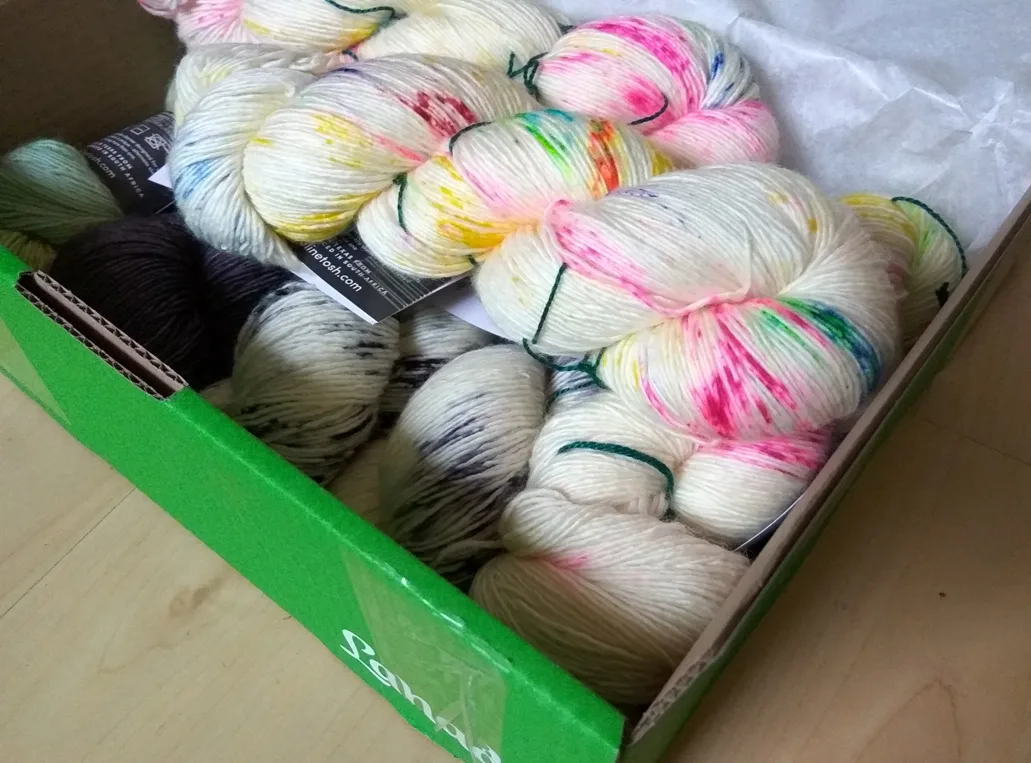
Dyed merino tops cost several times what undyed ones do, and the colour you want is never quite the one in stock. Dyeing your own is straightforward chemistry with one hard rule attached: do not agitate the fibre while it is hot.
Why wool is easy to dye
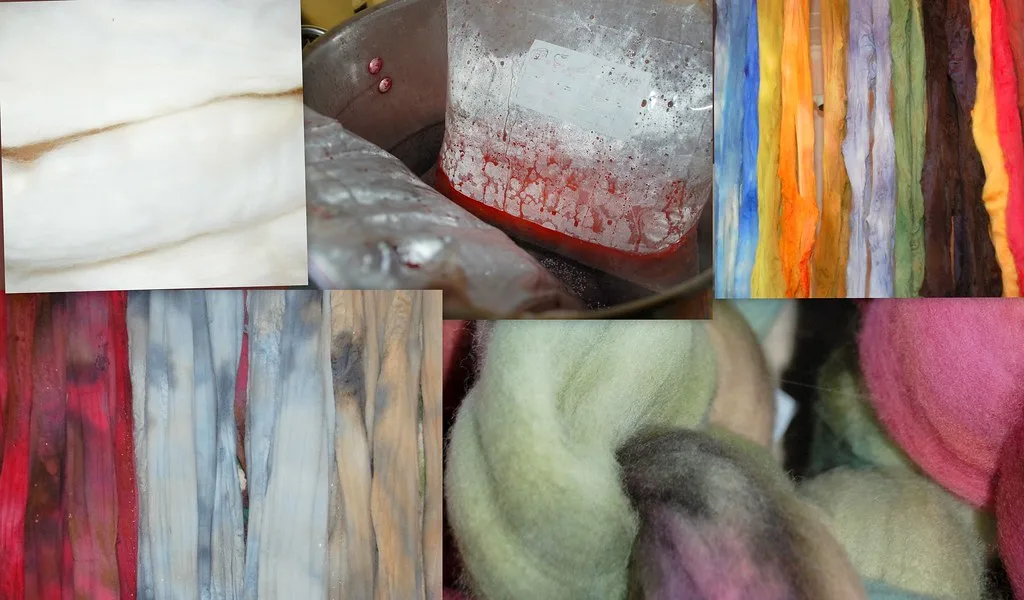
Wool is protein, and protein takes acid dyes readily. Add heat and a mild acid — vinegar or citric acid — and the dye forms a permanent bond with the fibre. Done properly the water runs clear at the end because effectively all the dye has been absorbed.
This is also why cotton dyes are useless here. Fibre-reactive dyes are built for cellulose, and all-purpose supermarket dyes contain both types, so half the packet does nothing on wool.
What to use
- Acid dyes — the standard. Cheap per gram, enormous colour range, excellent wash fastness. Powder, so wear a mask when measuring.
- Food colouring and unsweetened drink powders — food-safe acid dyes with a limited palette. Ideal with children and for pale to mid shades. Blues and greens are hard to get strong.
- Rit and other all-purpose dyes — will work on wool with heat and vinegar, but you waste the cotton portion and colours are duller. Convenient rather than good.
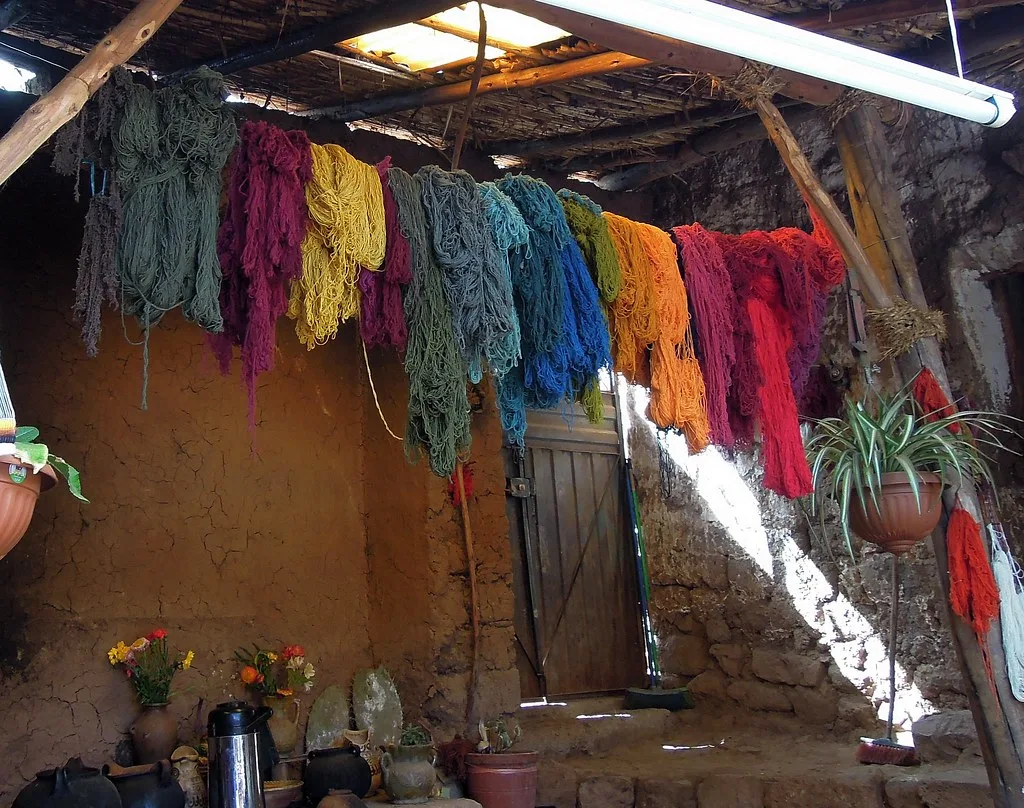
- Natural dyes — onion skins, avocado stones, madder, indigo. Beautiful, slow, and most need a mordant such as alum. Onion skins are the exception: they give strong golds and rusts with nothing but heat.
The method that does not felt your fibre
- Soak first. Half an hour in cool water with a drop of washing-up liquid. Dry wool floats and takes dye in blotches.
- Lift, do not wring. Support the fibre with both hands and squeeze gently.
- Make the dye bath. Enough water to cover, dye dissolved separately in a jug, plus 60 ml of white vinegar per litre.
- Lower the wool in and leave it alone. No stirring. Not once.
- Heat slowly to just below simmer, around 85 °C, over 20 to 30 minutes. Hold there for another 30.
- Let it cool in the pot. This is not optional. Moving hot wool into cold water is a temperature shock, and temperature shock is a felting technique.
- Rinse in water the same temperature as the fibre, then dry flat, out of the sun.
Agitation, hot-to-cold shock and squeezing while hot are the three things that felt fibre. Avoid all three and the roving comes out exactly as loose as it went in. If yours matted anyway, the mechanism is described in wool shrinkage when felting.
Hand painting
For multiple colours in one length, lay the wet roving on cling film, paint dye on with a brush or squeeze bottle, wrap it up like a sausage, and steam for 30 to 40 minutes in a covered pan or a microwave in short bursts.
Leave a little undyed between colours or they merge into mud. Steaming avoids a bath entirely, which is also the safest way to avoid agitation.
Kitchen safety
Acid dye powders should not share equipment with food. A dedicated stainless or enamel pot, dedicated spoons, gloves, a dust mask when measuring, and good ventilation. Food colouring and onion skins are genuinely food-safe and can use ordinary pans.
Dyeing over colour
Dye is transparent and adds rather than replaces. Yellow over blue gives green; anything over a strong colour gives a darker version of that colour. This is the fastest way to rescue a shade you dislike — overdye a whole batch of unloved fibre with a weak grey or brown and it becomes a usable, coherent set.
What to dye
Merino tops take dye most brilliantly, which is why nearly all hand-dyed fibre is merino. Coarser wool gives softer, chalkier colour and is the better choice for anything with texture.
Undyed core wool is worth dyeing in bulk in one or two neutrals: a kilo of soft grey costs almost nothing and covers cores, blends and backgrounds for months. From there it feeds straight into carding and colour blending.
Superwash, again
Superwash roving dyes beautifully — better than untreated wool, since the scales are gone and colour goes on evenly. It will never felt. If you plan to dye and then felt, check the label before you spend an afternoon on it. Which dye to reach for is the next decision: acid dyes for wool for saturated, repeatable colour, or natural dyes for wool for the muted range that suits felted landscapes and animal coats. See why wool will not felt.
Frequently asked questions
Can you dye wool roving without felting it?
Yes. Felting needs agitation and sudden temperature change; dyeing needs neither. Heat the fibre slowly, never stir or poke it, and let it cool in the pot before rinsing, and it comes out as loose as it went in.
What dye should I use for wool roving?
Acid dyes for serious work — they are cheap, wash-fast and give clear colours. Food colouring and drink powders work well for pale to mid shades and are entirely food-safe. Fibre-reactive and all-purpose dyes are a poor fit.
Does dyeing wool make it harder to felt?
Only if you accidentally part-felt it during the process. Properly dyed roving felts exactly as it did before. Fibre that has been stirred in a hot pot will be subtly matted and will never lay out smoothly again.
Can you dye wool with food colouring?
Yes, on wool and other animal fibres. Food colouring is an acid dye in all but name — add vinegar, heat gently and it bonds permanently. It gives softer colours than professional dyes and is the safest option to do in a kitchen.