Core Wool
The cheap coarse wool that fills the inside of every needle felted sculpture. Why using merino for a core wastes both money and time, and what to buy instead.
4 min read Beginner
The cheap coarse wool that fills the inside of every needle felted sculpture. Why using merino for a core wastes both money and time, and what to buy instead.
4 min read Beginner
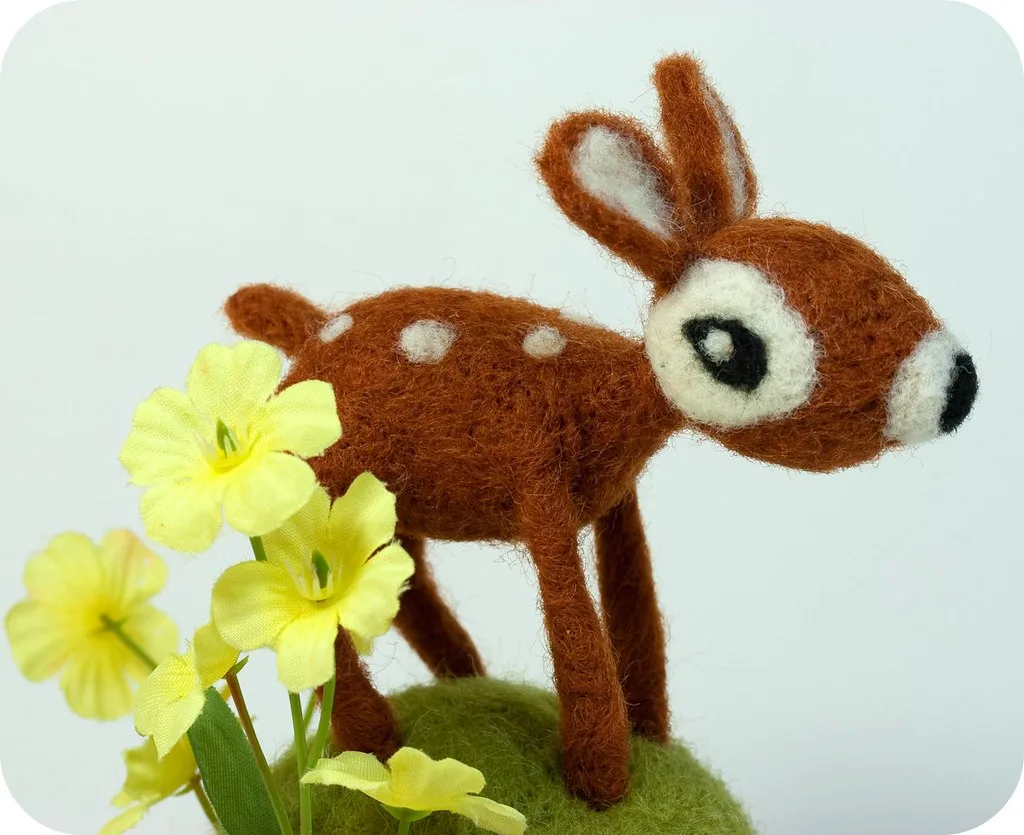
Faces are made by taking wool away, not adding it. The order of operations that gets a head from a ball to a character, for animals and dolls alike.
4 min read Advanced
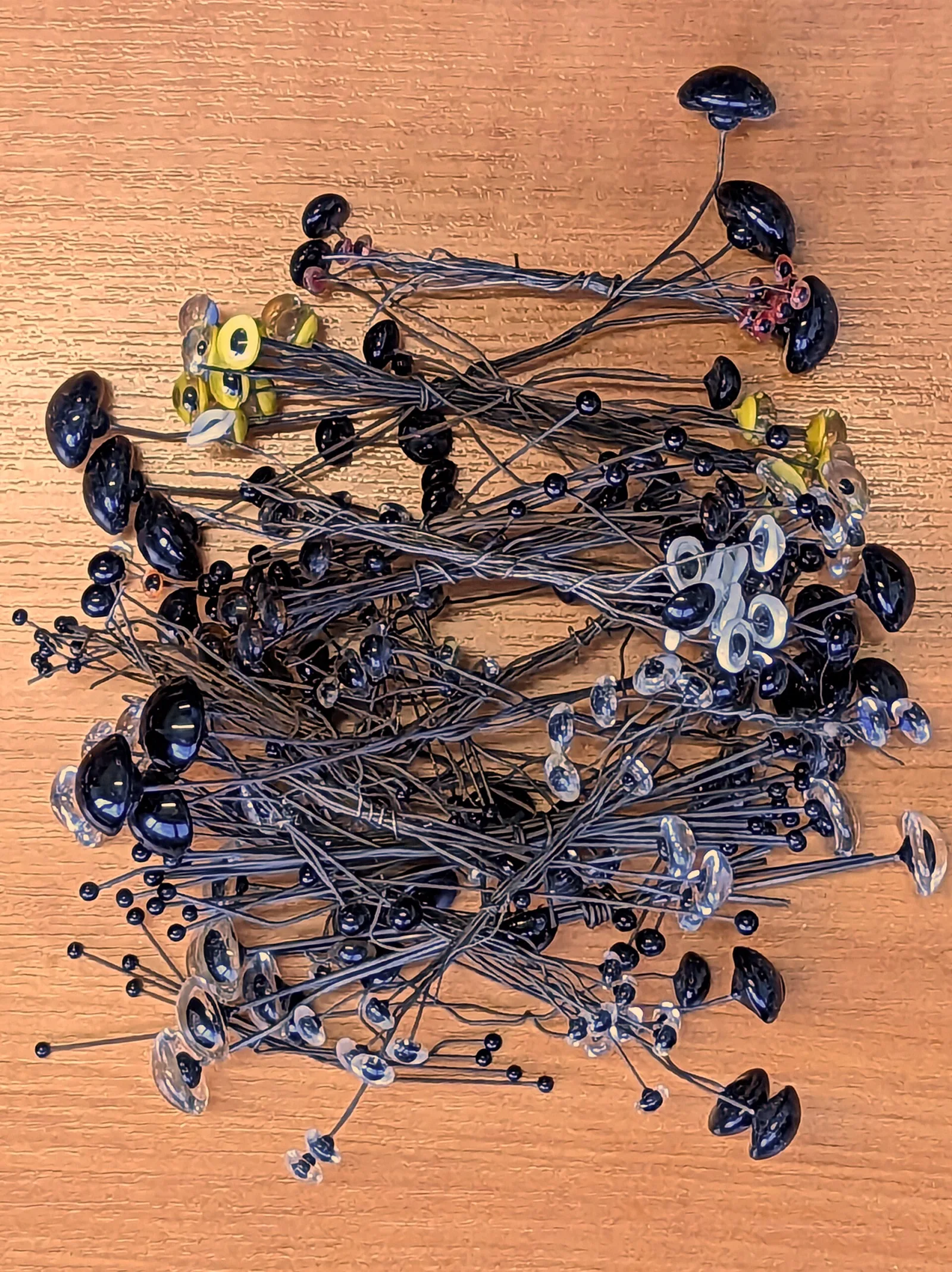
Eyes are the last thing you add and the first thing anyone looks at. The three types, how to sink them so they belong in the face, and the highlight that brings them alive.
4 min read Intermediate
The foundation shape behind almost every felted figure. Learn how to build a ball that is genuinely round, genuinely firm, and smooth on the surface.
4 min read Beginner
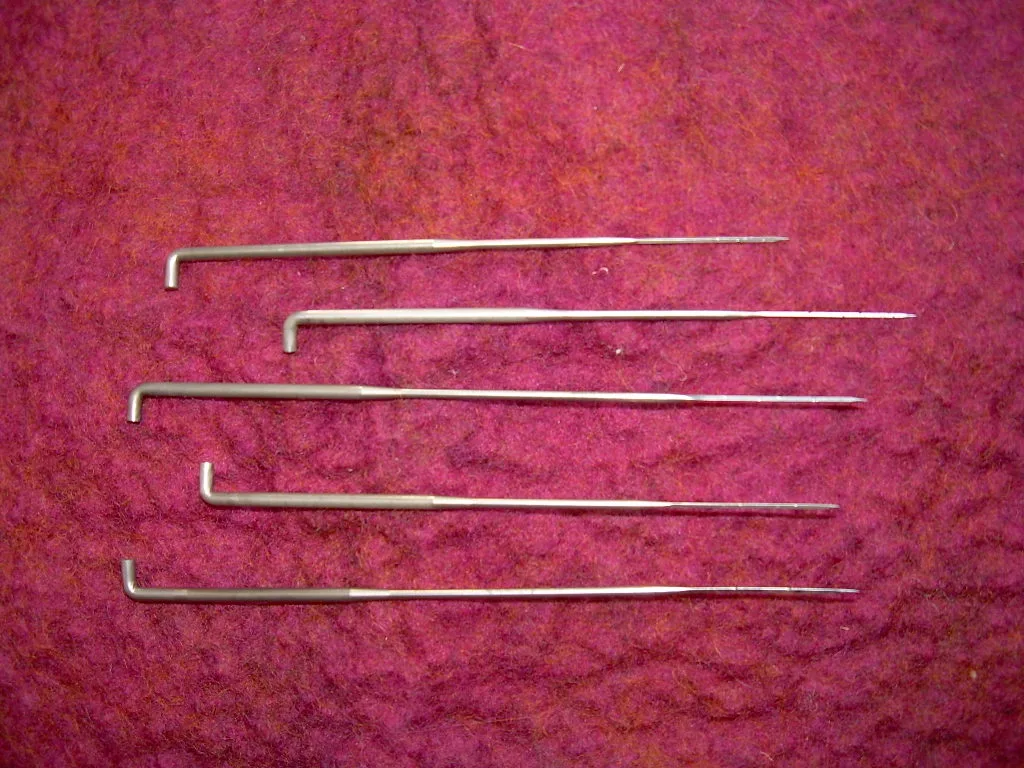
A pen holds three to seven needles and covers ground several times faster than one. Where that speed is worth having, where it ruins the work, and which tool to buy.
4 min read Beginner
Wool is the only common fibre that permanently tangles itself into cloth. What actually happens to the fibre, and the four different crafts that all get called felting.
4 min read Beginner
Baubles, puddings, robins, stars and garlands — ornaments built from the two or three shapes you already know, sized so a set gets done before December.
4 min read Beginner
A mouse is one shape. Get the teardrop right — fat at the back, tapering to a point at the nose — and the ears, tail and eyes take five minutes.
4 min read Beginner
A felting machine is a sewing machine with no thread and twelve barbed needles. What it does well, what it cannot do at all, and whether you need one.
4 min read Intermediate
The mat only has one job — to receive the needle after it leaves the wool. Several things in your house already do it, and some do it better than foam.
3 min read Beginner
How to build a wire armature that lets a felted figure stand, bend and stay bent — and how to wrap it so the needles never meet the wire.
4 min read Intermediate
The honest answer: you will stab yourself, it will hurt, and that is the whole of the risk for most people. Here is what to do about it and the two rarer concerns.
4 min read Beginner
Warm water, soap and friction turn loose fibre into solid fabric. Learn layouts, shrinkage and resists for scarves, soaps, vessels and flat felt.
Felt merino through open-weave fabric to create light, drapey textiles. Fabric choice, fibre weight and migration, explained clearly.
Complete makes with photos at every stage — animals, flowers, ornaments and home decorations, sorted by how much experience they need.
Printable templates, measurements and shaping guides you can follow exactly, or adapt once you know what the shapes are doing.
The core techniques, one skill at a time — each written as a sequence you can follow at the table with wool in your hands.
Which needles, wool and mats are actually worth buying — what the gauges mean, what to skip, and what a starter kit really needs.
Fixes for the things that go wrong: fuzzy surfaces, broken needles, wool that will not felt, and shapes that refuse to hold.
The knitting side of working with wool — leaf patterns, casting on, needle sizes and knitting faster — including the pieces that go on to be felted.
Why leaves fall when they do, what a cobweb actually is, and the seasonal makes that follow from both.
What to do with the pumpkin once it is carved — cooking from fresh, including the parts most people throw away.