Projects
Needle Felted Cat
Cats read as cats because of the skull, not the fur. The proportions that make the difference, plus ears, whiskers and the sleeping pose that hides every hard part.
6 min read Intermediate
Cats read as cats because of the skull, not the fur. The proportions that make the difference, plus ears, whiskers and the sleeping pose that hides every hard part.
6 min read Intermediate
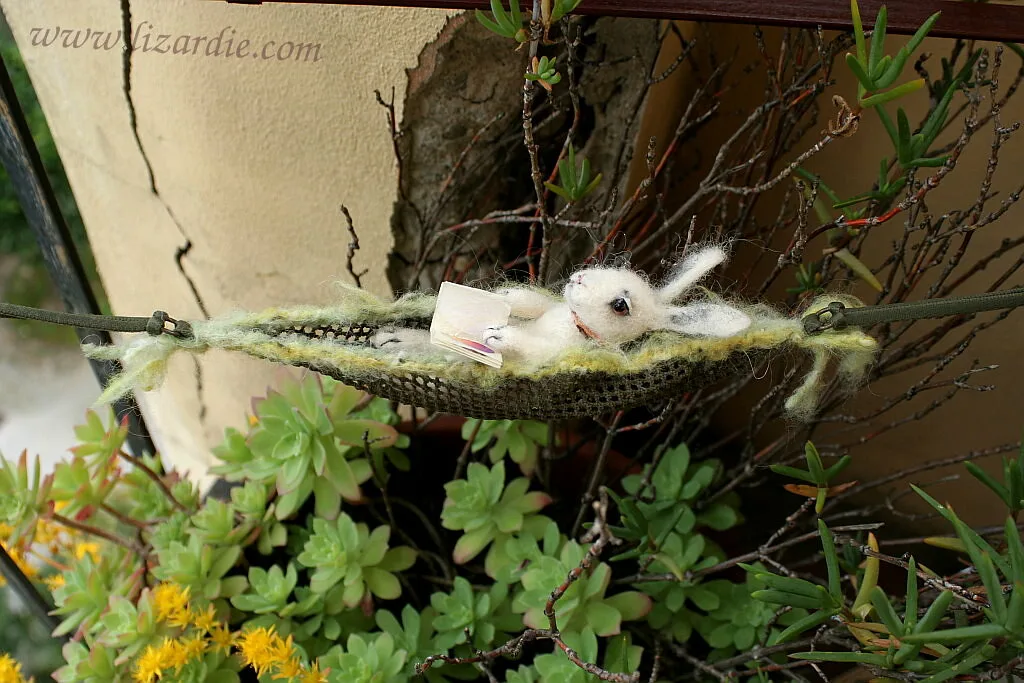
Two balls, two ears and a tail. The simplest sculpture worth making, plus what to change to get a lop, a hare or a sitting rabbit that does not topple.
7 min read Beginner
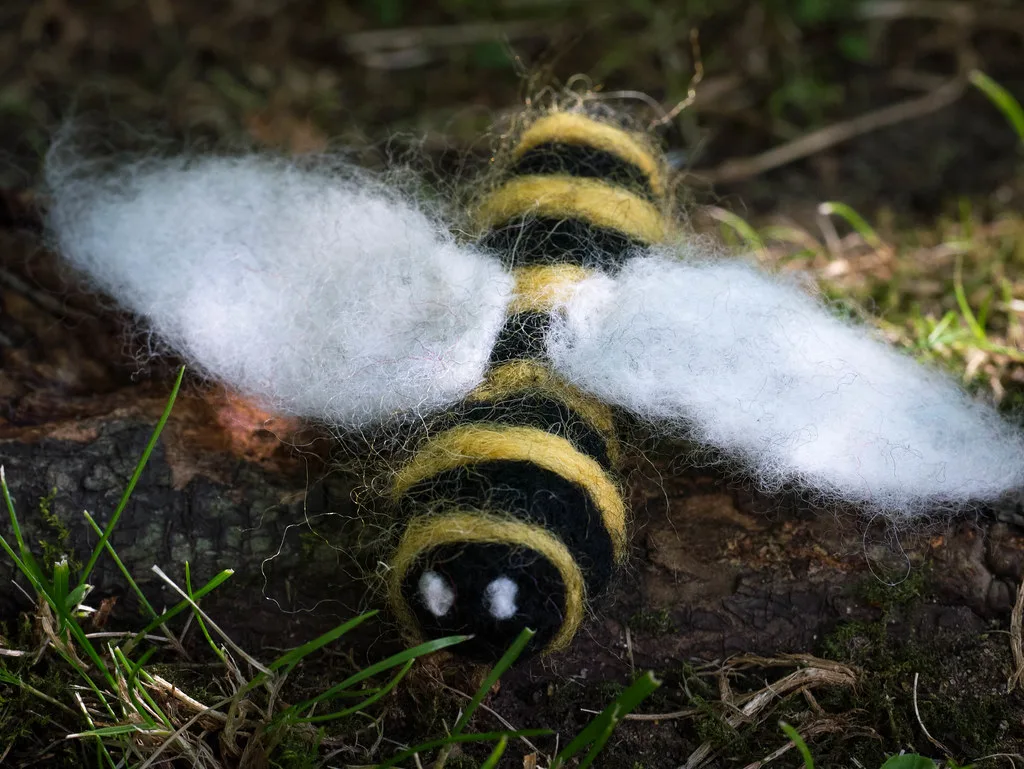
A striped oval with wings. Small, quick, sells well at craft fairs, and the one project where getting the stripes wrong ruins everything.
4 min read Beginner
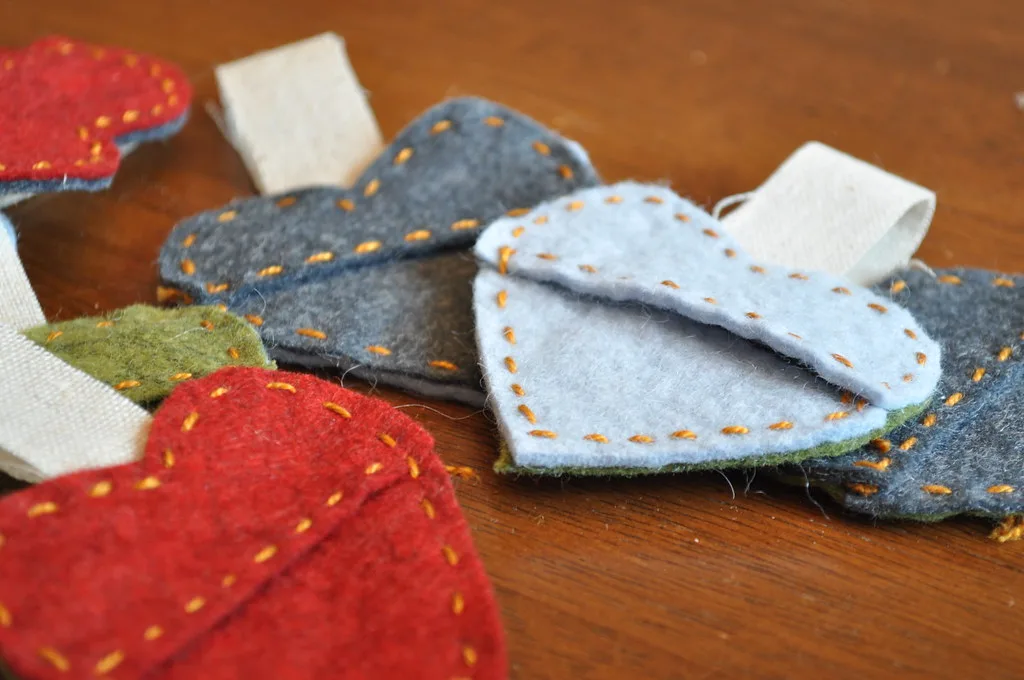
The shape everyone gets slightly wrong. Three ways to make a heart in wool, and the one adjustment that stops it looking like a leaf.
4 min read Beginner
Halfway between merino and a carpet fleece, and better than either at most felting jobs. What corriedale is, how it behaves, and when merino is still the right answer.
5 min read Beginner
The cheap coarse wool that fills the inside of every needle felted sculpture. Why using merino for a core wastes both money and time, and what to buy instead.
7 min read Beginner
Needle felting is the easiest fibre craft to teach yourself and one of the most rewarding to be taught, for one specific reason: someone can look at your work and tell you it is not dense enough.
3 min read Beginner
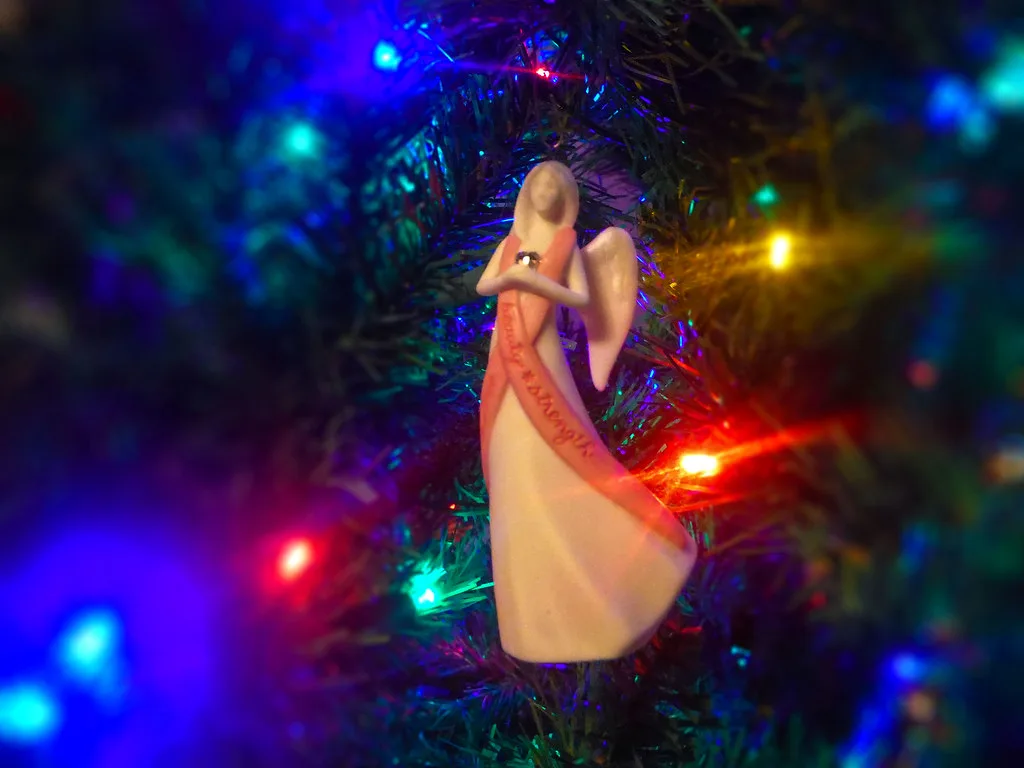
An angel is three shapes you already know how to make. Get the cone standing straight and the rest is decoration.
4 min read Beginner
A mouse is one shape. Get the teardrop right — fat at the back, tapering to a point at the nose — and the ears, tail and eyes take five minutes.
5 min read Beginner
A bag charm gets knocked against doorframes every day, so it has to be felted harder than it looks. Twenty minutes each, and a hardware fitting that will not shed it.
4 min read Beginner
The animal is the easy part. The reason most felt hair clips end up in the bin is the join between the felt and the metal, and glue is never the answer.
4 min read Beginner
How to build a wire armature that lets a felted figure stand, bend and stay bent — and how to wrap it so the needles never meet the wire.
4 min read Intermediate
Warm water, soap and friction turn loose fibre into solid fabric. Learn layouts, shrinkage and resists for scarves, soaps, vessels and flat felt.
Felt merino through open-weave fabric to create light, drapey textiles. Fabric choice, fibre weight and migration, explained clearly.
Complete makes with photos at every stage — animals, flowers, ornaments and home decorations, sorted by how much experience they need.
Printable templates, measurements and shaping guides you can follow exactly, or adapt once you know what the shapes are doing.
The core techniques, one skill at a time — each written as a sequence you can follow at the table with wool in your hands.
Which needles, wool and mats are actually worth buying — what the gauges mean, what to skip, and what a starter kit really needs.
Fixes for the things that go wrong: fuzzy surfaces, broken needles, wool that will not felt, and shapes that refuse to hold.
The knitting side of working with wool — leaf patterns, casting on, needle sizes and knitting faster — including the pieces that go on to be felted.
Why leaves fall when they do, what a cobweb actually is, and the seasonal makes that follow from both.
What to do with the pumpkin once it is carved — cooking from fresh, including the parts most people throw away.