Projects
Needle Felted Easter Eggs
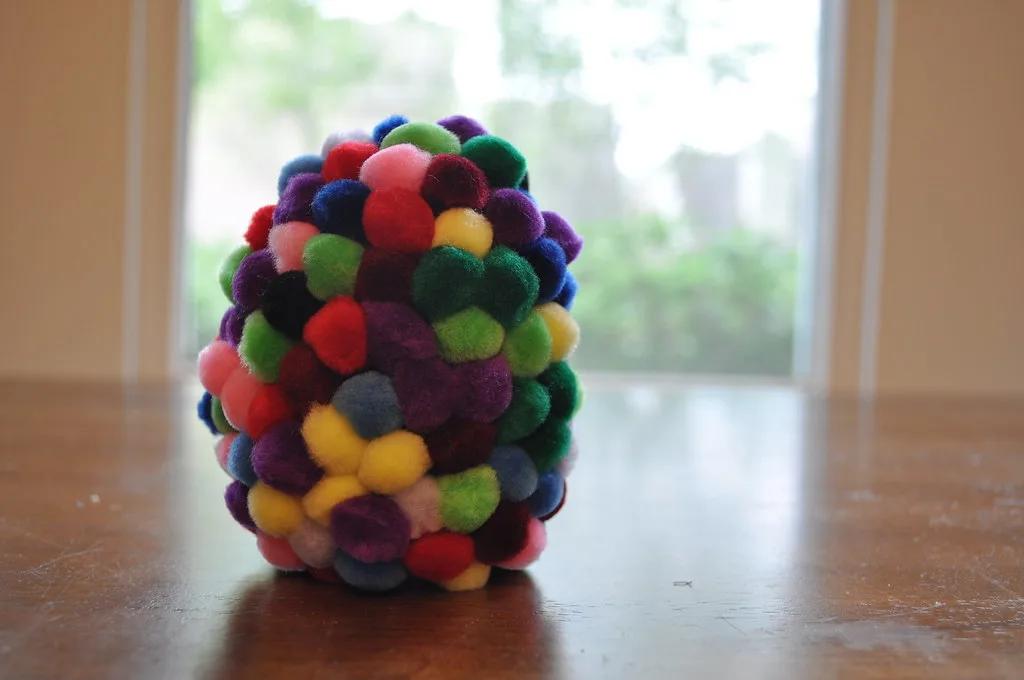
A wooden egg wrapped in wool takes ten minutes; a solid felted one takes forty. Both methods, plus the decoration that stops them looking like coloured lumps.
4 min read Beginner
Topic
Autumn, Halloween and the makes that belong to a particular time of year.
A wooden egg wrapped in wool takes ten minutes; a solid felted one takes forty. Both methods, plus the decoration that stops them looking like coloured lumps.
4 min read Beginner
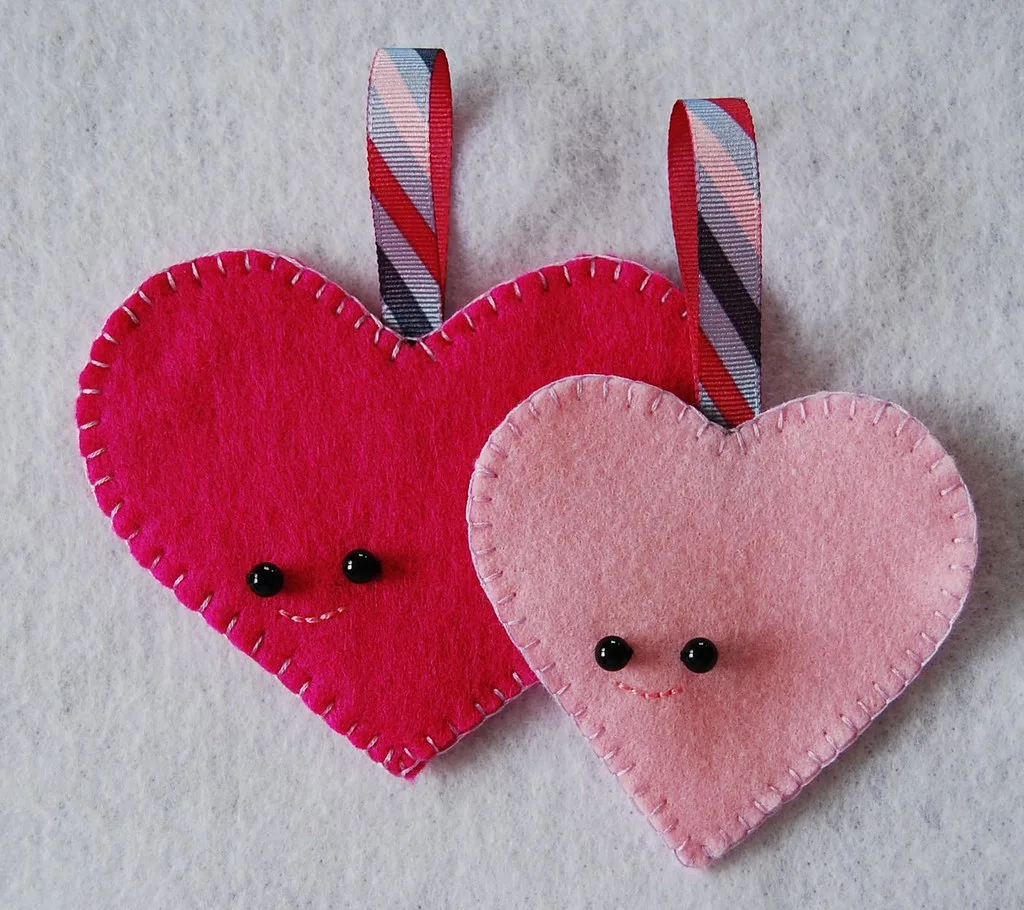
The shape everyone gets slightly wrong. Three ways to make a heart in wool, and the one adjustment that stops it looking like a leaf.
4 min read Beginner
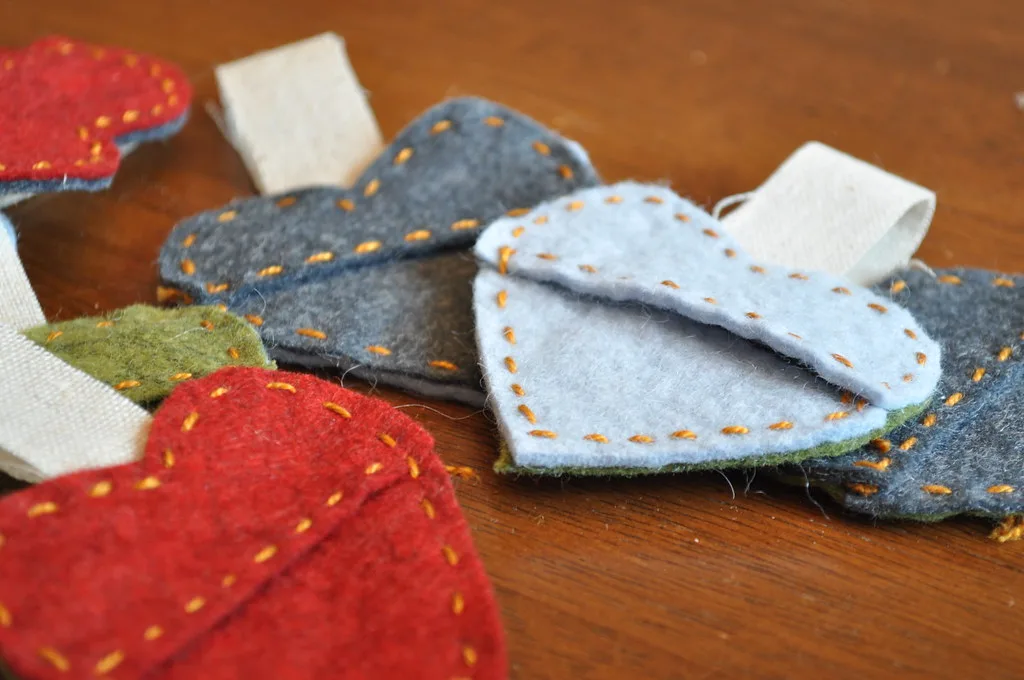
Felt does not fray, cuts cleanly and comes in every red there is. A dozen Valentine projects sorted by how long they actually take.
4 min read Beginner
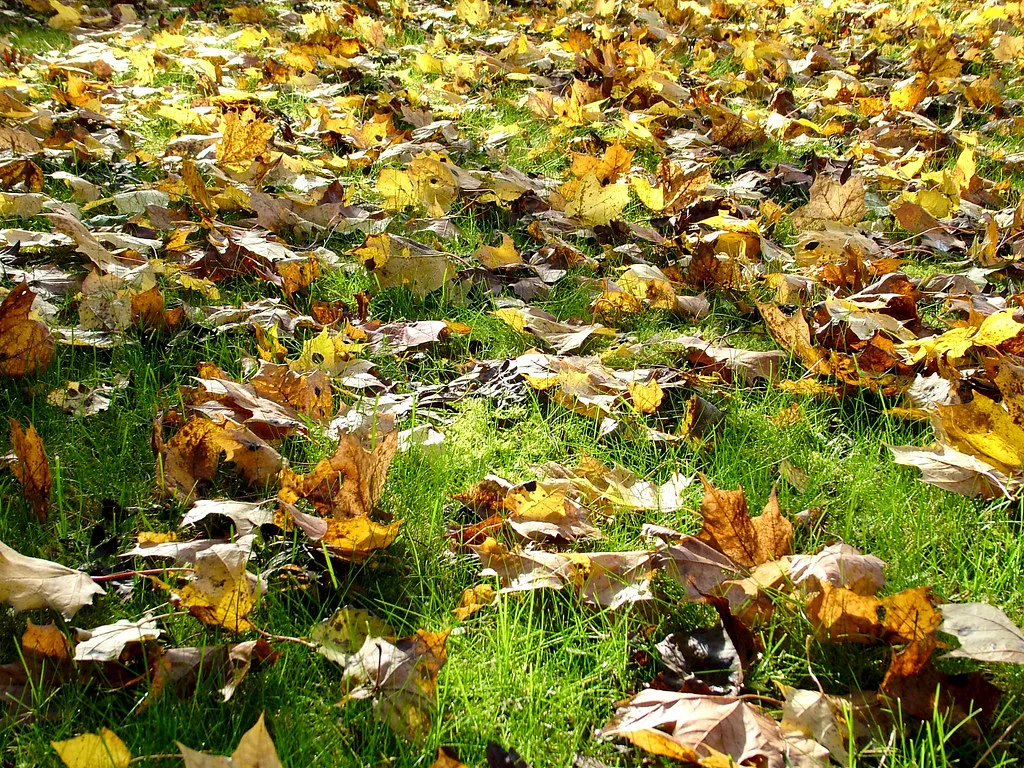
A tree does not lose its leaves — it drops them, deliberately, by building a layer of cells that cuts each leaf off at the stem. Day length starts it, and weather decides how it looks.
4 min read
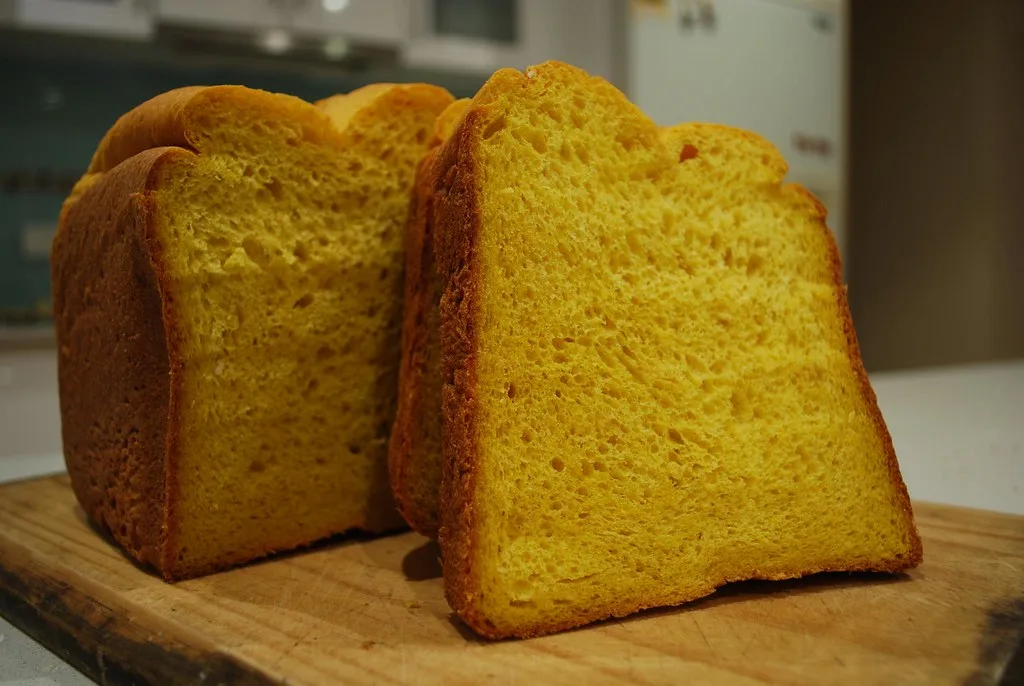
Fresh pumpkin puree holds far more water than tinned. Drain it, cut the liquid elsewhere in the recipe, and you get a loaf that is moist rather than wet in the middle.
3 min read
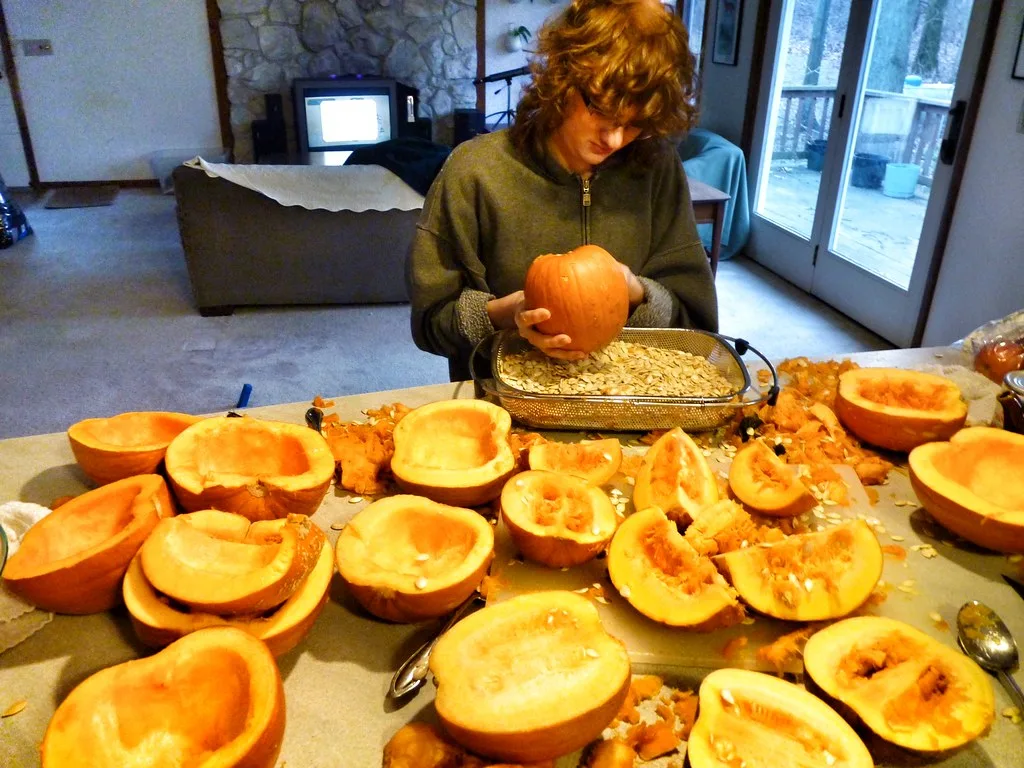
The stringy handful you scoop out and bin is sweet, gelatinous and full of flavour. It makes a better stock than the flesh does — and the seeds in it only crisp properly if you boil them first.
4 min read
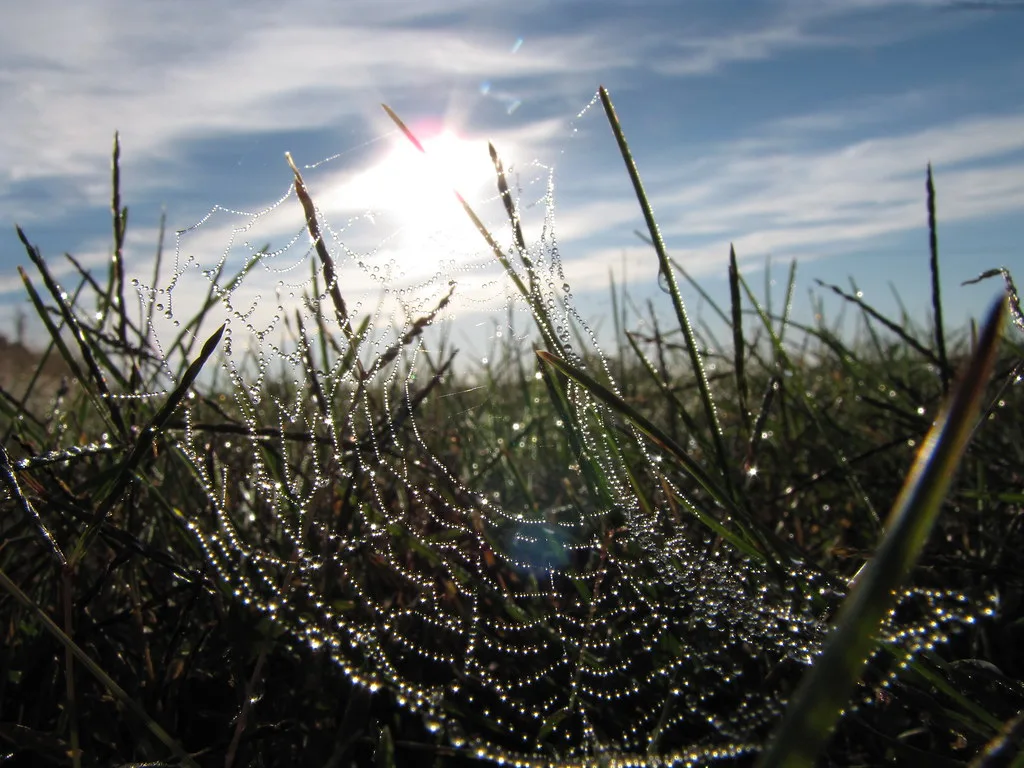
Stretched wadding, hot glue strings, a spinning drill and a hairspray-and-cotton trick. Which one to use depends on whether the web needs to hang, stick or survive rain.
3 min read Beginner
A knitted leaf is a triangle worked twice — increase to the widest point, decrease back to a tip. Twenty-one rows, three stitches to start, and it works in any yarn you have.
4 min read Beginner
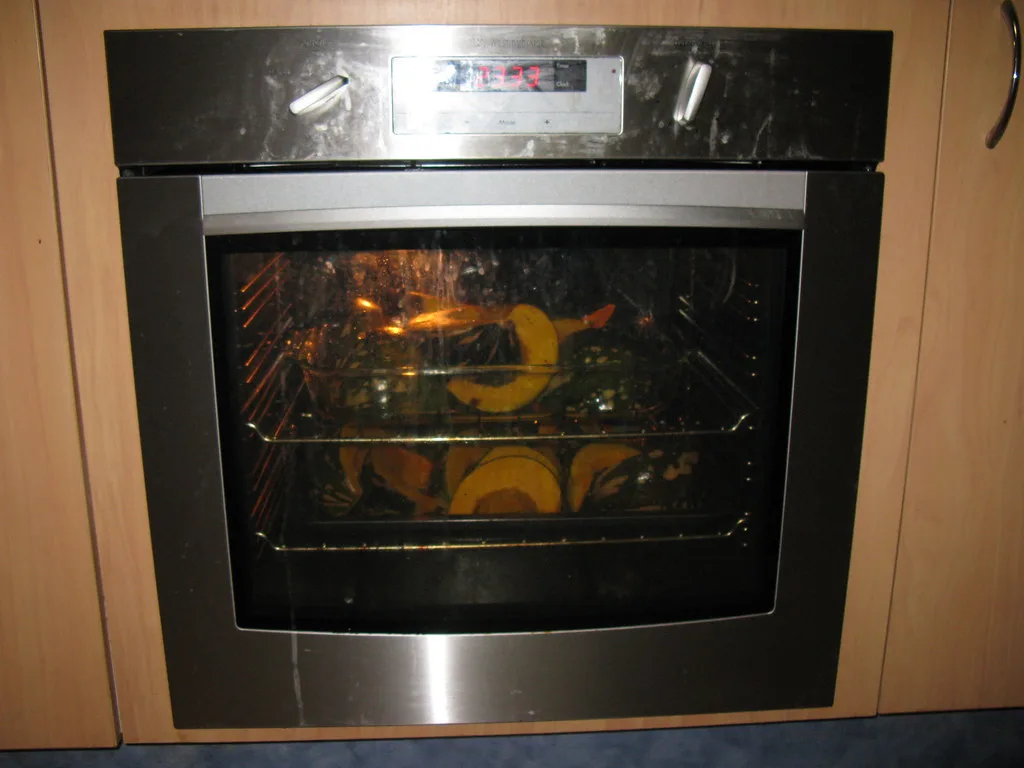
Fresh pumpkin is wetter and milder than the tinned kind, which changes every recipe it goes into. Roast it first, drain it properly, and the rest follows.
4 min read
Two complete patterns from one eleven-stitch leaf repeat — a straight scarf you can start tonight, and a top-down triangular shawl with a leaf border.
4 min read Intermediate
They come from the same animal. One is in use, the other has been abandoned and has collected dust. That is the whole distinction — plus one older meaning of the word almost nobody uses now.
4 min read
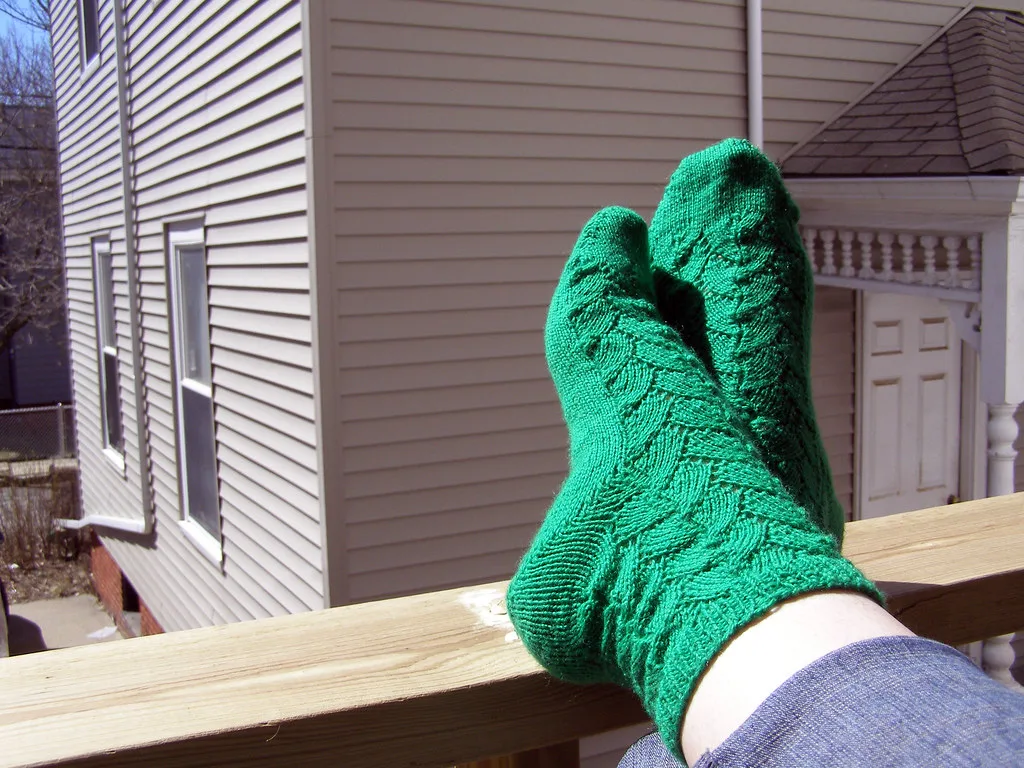
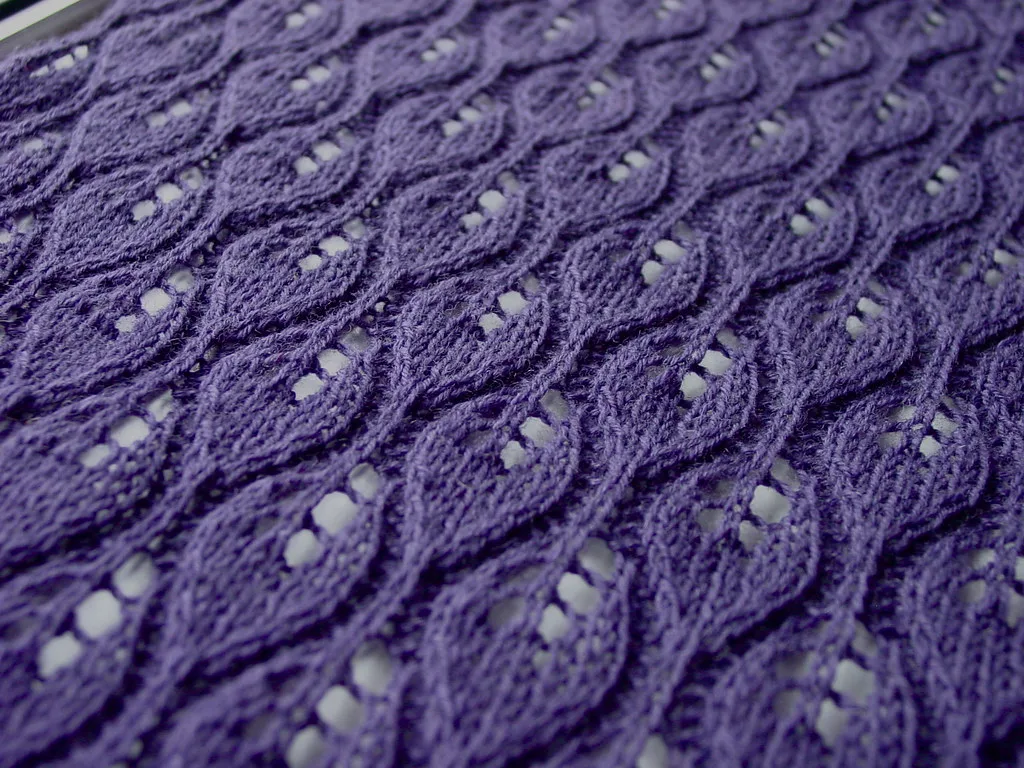
One eleven-stitch repeat, one right-side row to remember, and every wrong-side row purled. It makes columns of leaves — or, with four plain rows between, leaves scattered across the fabric.
4 min read Beginner