Needle Felted Bunny
Two balls, two ears and a tail. The simplest sculpture worth making, plus what to change to get a lop, a hare or a sitting rabbit that does not topple.
4 min read Beginner
Two balls, two ears and a tail. The simplest sculpture worth making, plus what to change to get a lop, a hare or a sitting rabbit that does not topple.
4 min read Beginner
What the gauge number means, how triangle, star and reverse needles differ, and the smallest set that will cover everything a beginner makes.
4 min read
A portrait is not a better sculpture — it is a different problem. How to read a photograph, which four features carry the likeness, and what to charge.
4 min read Advanced
One armature and one method covers every breed. What actually changes between a dachshund and a labrador, and the four measurements that make a dog recognisable.
5 min read Intermediate
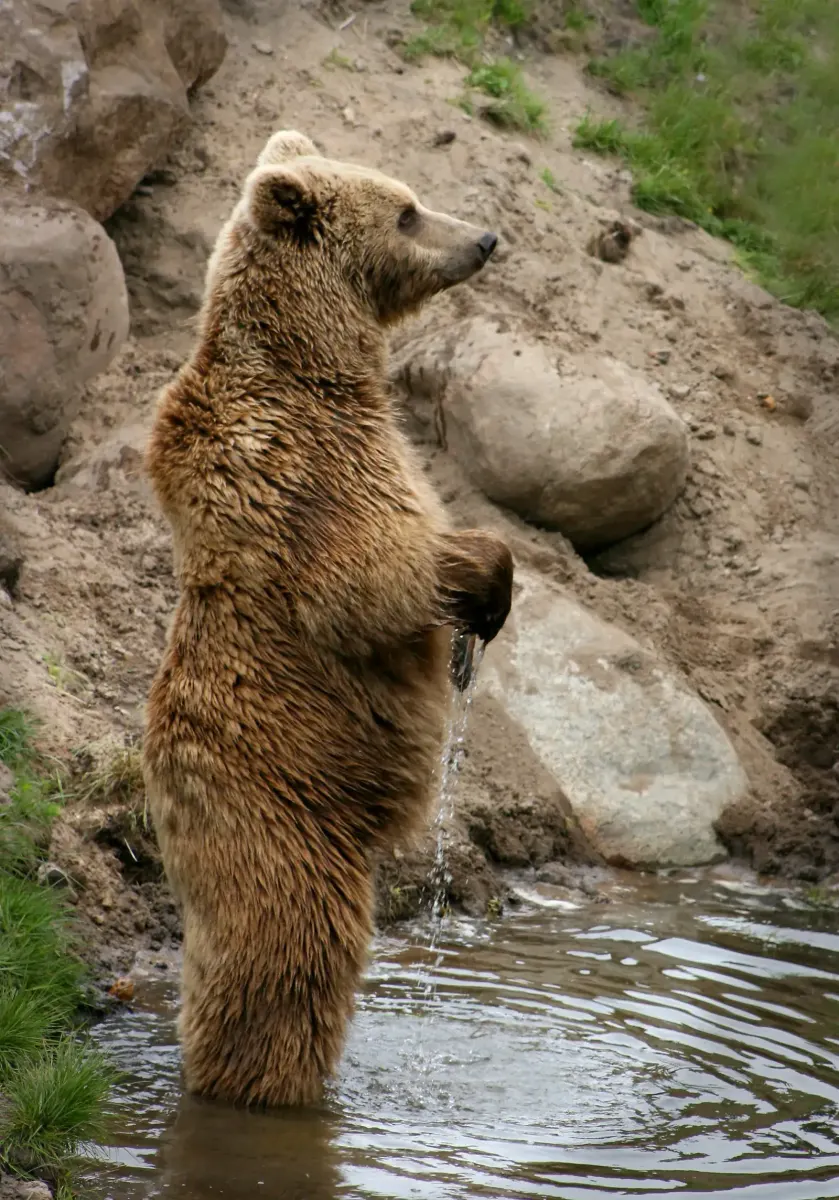
Cats read as cats because of the skull, not the fur. The proportions that make the difference, plus ears, whiskers and the sleeping pose that hides every hard part.
6 min read Intermediate
Soft shapes, fuzzy surfaces, visible seams and snapped needles almost always trace back to the same handful of habits. Here is how to spot and fix each one.
4 min read Beginner
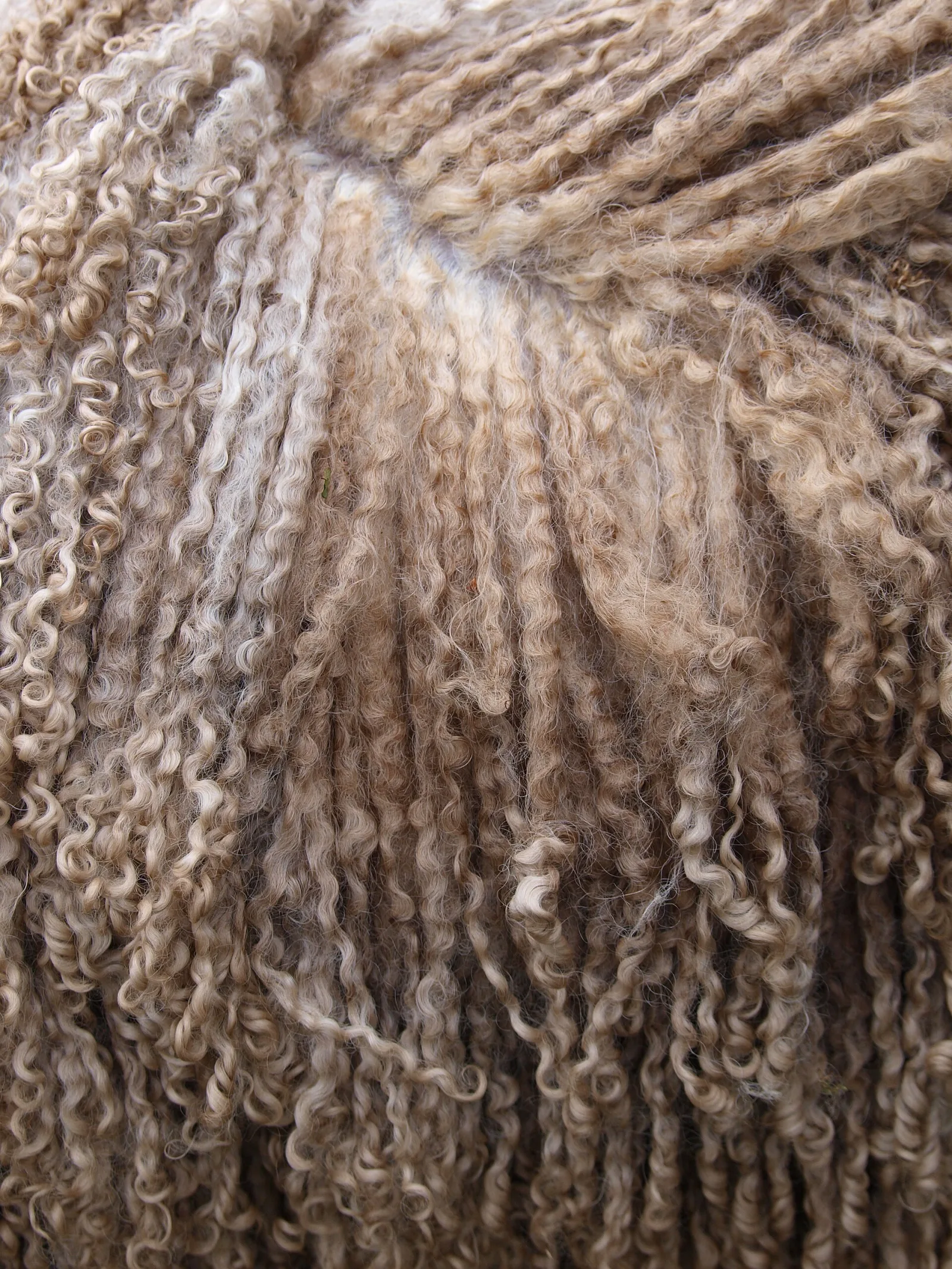
Wensleydale, teeswater and other longwool curls are sold as intact locks rather than tops. How to attach them, wash them and use them without losing the curl.
4 min read Intermediate
Needle felting is the easiest fibre craft to teach yourself and one of the most rewarding to be taught, for one specific reason: someone can look at your work and tell you it is not dense enough.
3 min read Beginner
Petals, centres, leaves and stems. The flat-shape technique that makes botanical work fast, and why irregularity is an advantage here.
4 min read Beginner
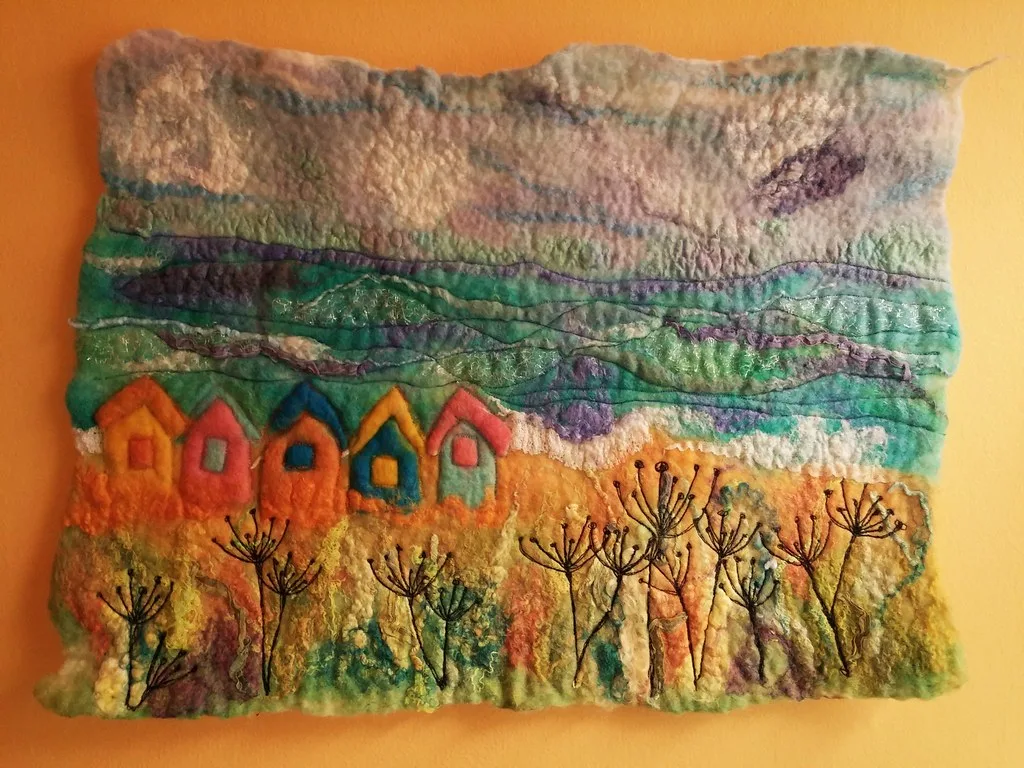
Flat needle felting onto a background, built up like an oil painting — dark to light, back to front. The method, the materials and the framing.
5 min read Intermediate
Halfway between merino and a carpet fleece, and better than either at most felting jobs. What corriedale is, how it behaves, and when merino is still the right answer.
3 min read Beginner
Smooth felt looks like felt. Four methods for making a surface that reads as fur, and when each one is the right answer.
4 min read Advanced
Warm water, soap and friction turn loose fibre into solid fabric. Learn layouts, shrinkage and resists for scarves, soaps, vessels and flat felt.
Felt merino through open-weave fabric to create light, drapey textiles. Fabric choice, fibre weight and migration, explained clearly.
Complete makes with photos at every stage — animals, flowers, ornaments and home decorations, sorted by how much experience they need.
Printable templates, measurements and shaping guides you can follow exactly, or adapt once you know what the shapes are doing.
The core techniques, one skill at a time — each written as a sequence you can follow at the table with wool in your hands.
Which needles, wool and mats are actually worth buying — what the gauges mean, what to skip, and what a starter kit really needs.
Fixes for the things that go wrong: fuzzy surfaces, broken needles, wool that will not felt, and shapes that refuse to hold.
The knitting side of working with wool — leaf patterns, casting on, needle sizes and knitting faster — including the pieces that go on to be felted.
Why leaves fall when they do, what a cobweb actually is, and the seasonal makes that follow from both.
What to do with the pumpkin once it is carved — cooking from fresh, including the parts most people throw away.