Wool Dryer Balls
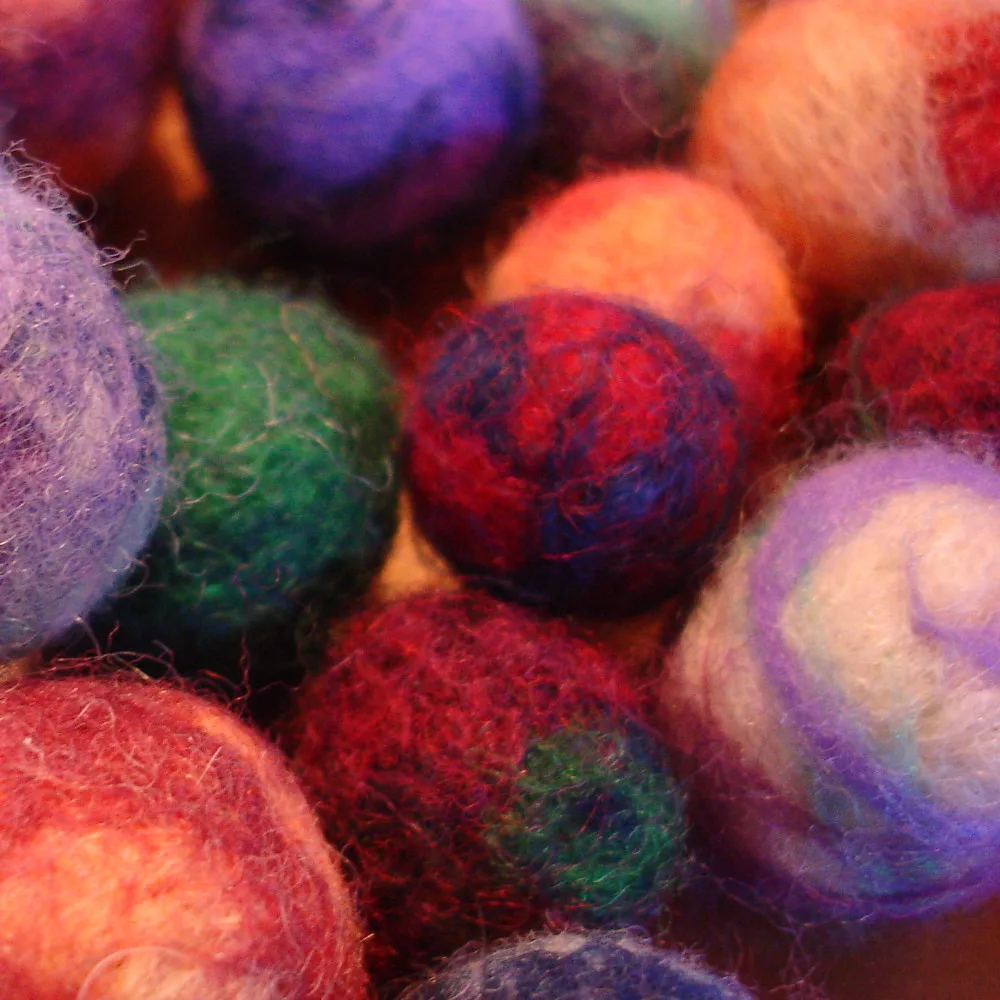
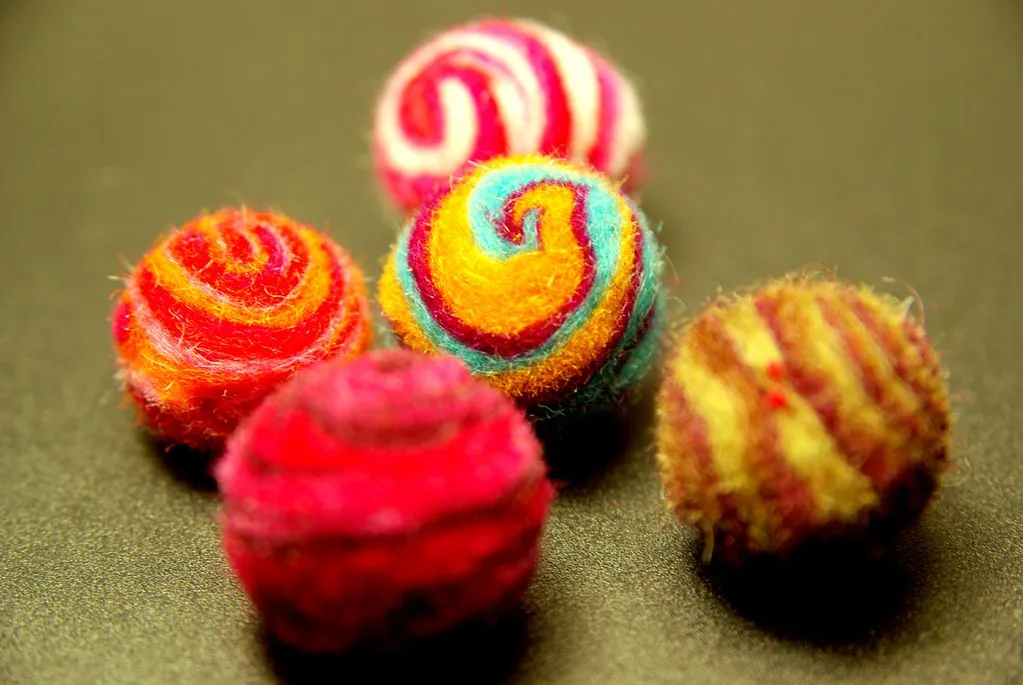
Three balls of felted wool in a tumble dryer cut drying time by roughly a fifth and replace fabric softener entirely. Making them takes an afternoon.
4 min read Beginner
Three balls of felted wool in a tumble dryer cut drying time by roughly a fifth and replace fabric softener entirely. Making them takes an afternoon.
4 min read Beginner
One softens fabric by beating it, the other by coating it in a waxy film. That single difference decides which is better for towels, sportswear and your dryer.
3 min read Beginner
Oil on wool in a hot dryer needs a little care: how many drops, when to add them, which oils stain, and why undiluted oil on hot fabric is worth avoiding.
4 min read Beginner
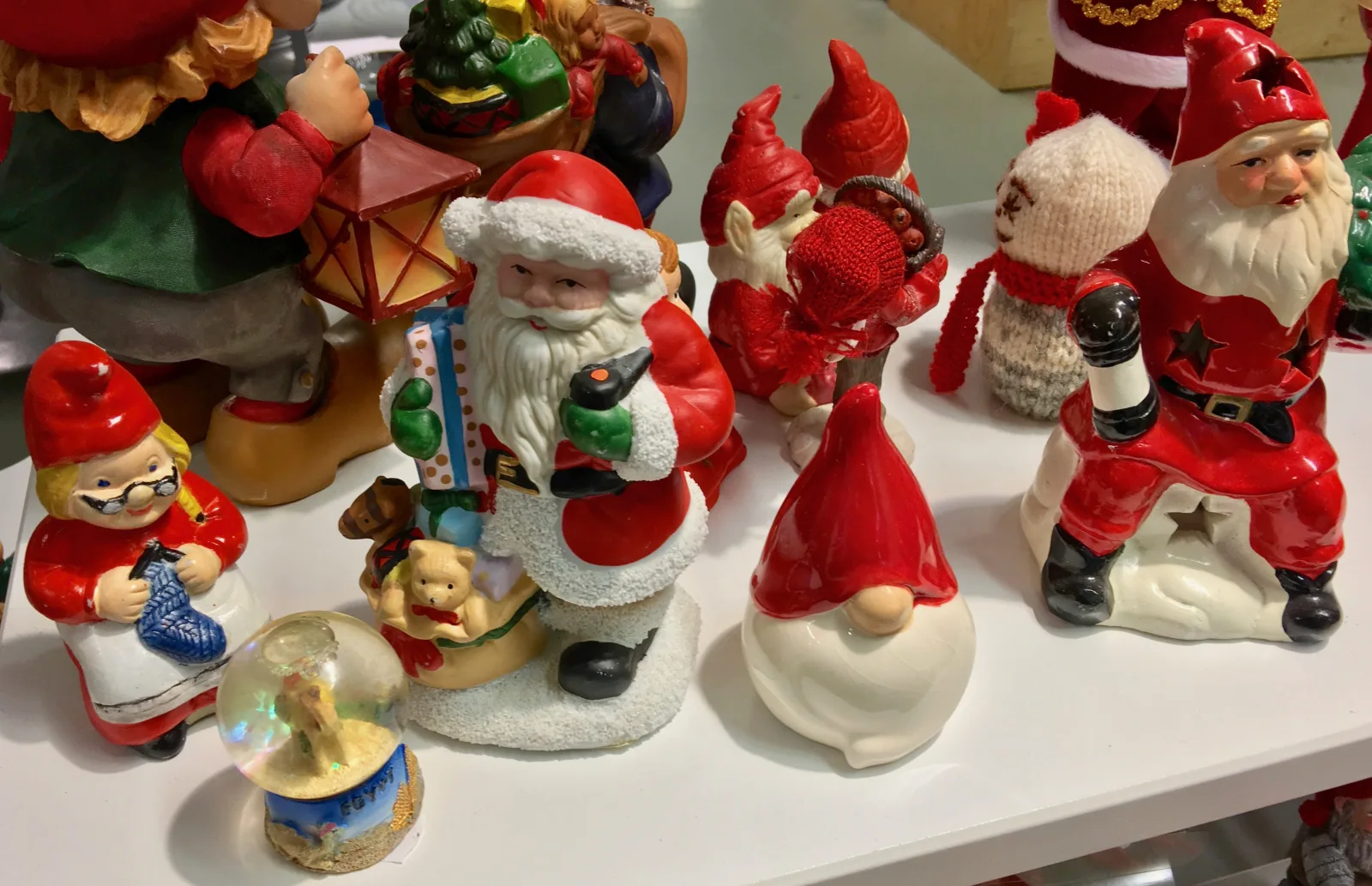
A gnome is a cone under a hat. Get the hat proportion right and it works; get it wrong and nothing else saves it. Includes a drawable flat pattern with real measurements.
9 min read Beginner
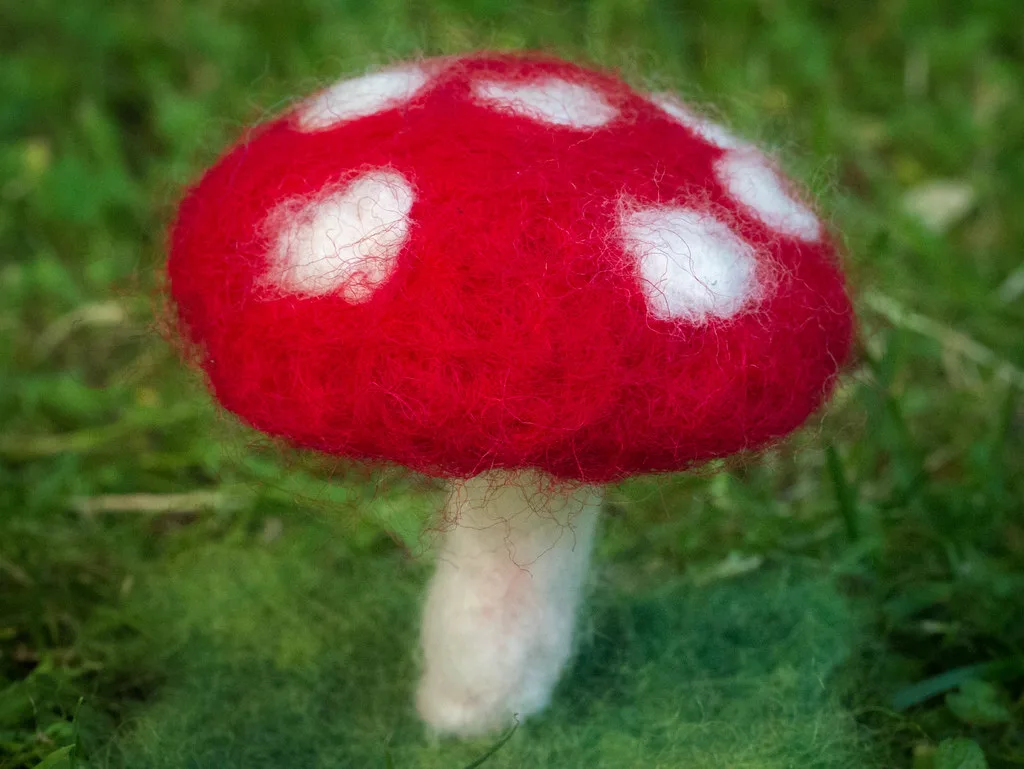
Two shapes, one join, and the gills underneath that make the difference between a mushroom and a red ball on a stick.
4 min read Beginner
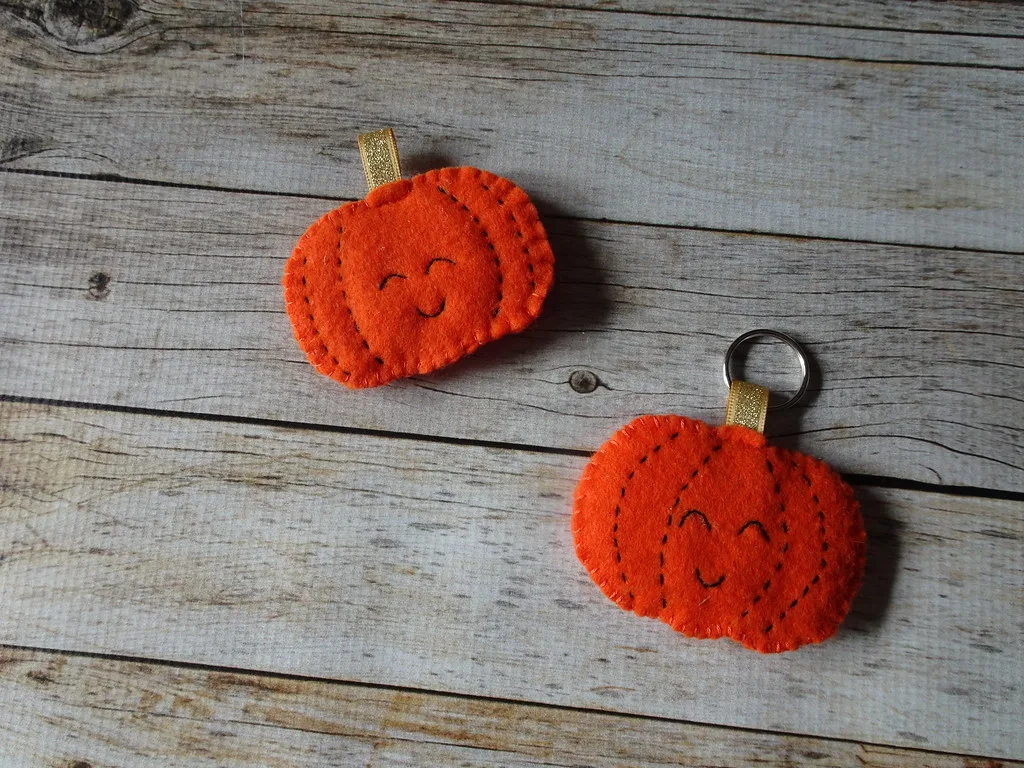
The ribs are everything. Whether you needle felt or wet felt one, a pumpkin without deep segments is just an orange ball — and the fix is a length of thread.
4 min read Beginner
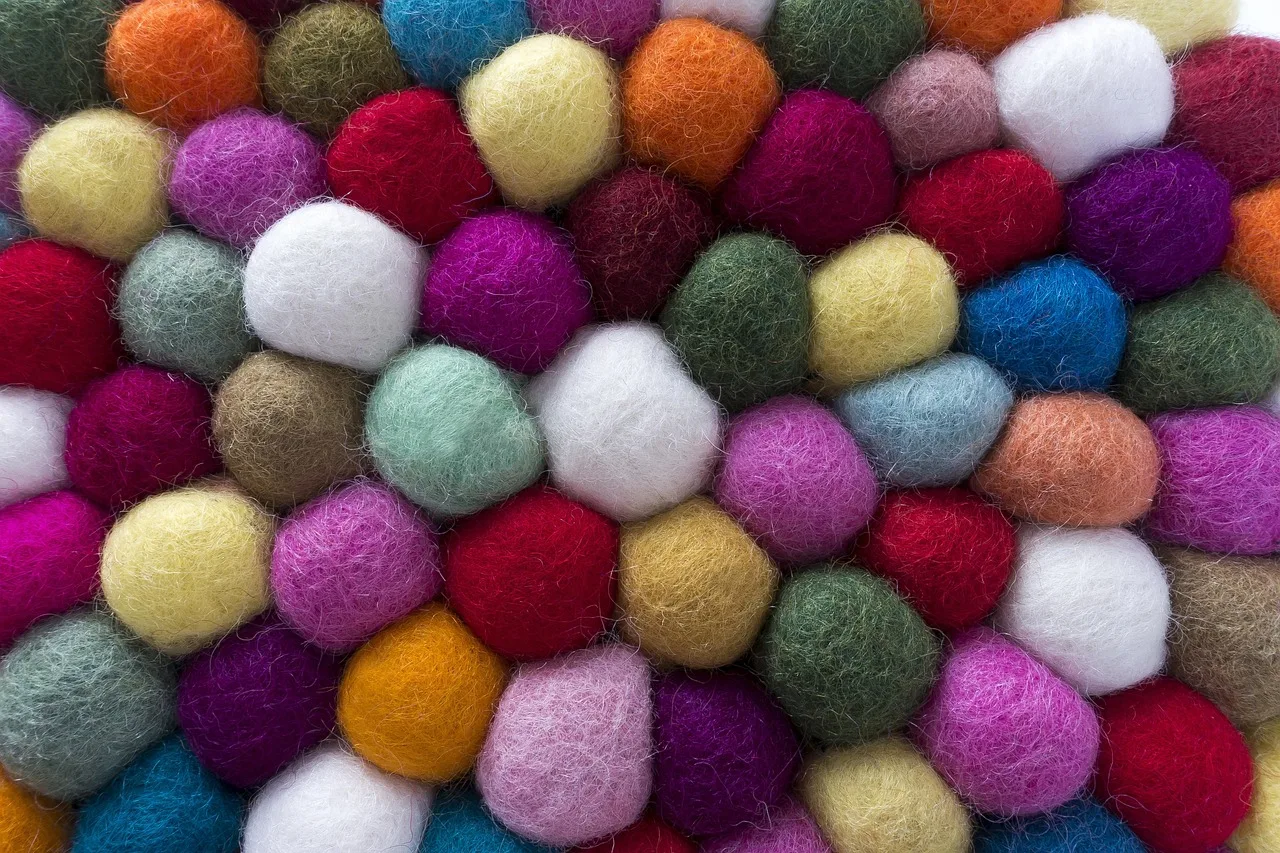
Several hundred felt balls, a strong thread and a long evening. How many balls a rug actually needs, how to string them, and how to stop it curling.
4 min read Intermediate
Projects chosen by what they teach, not by how they look in a photograph — each one adds a skill you will use in everything you make afterwards.
3 min read Beginner
A wet felted rug is one enormous flat piece of felt. The making is simple; the thickness, the fulling and the floor it goes on are what decide whether it lasts.
4 min read Advanced
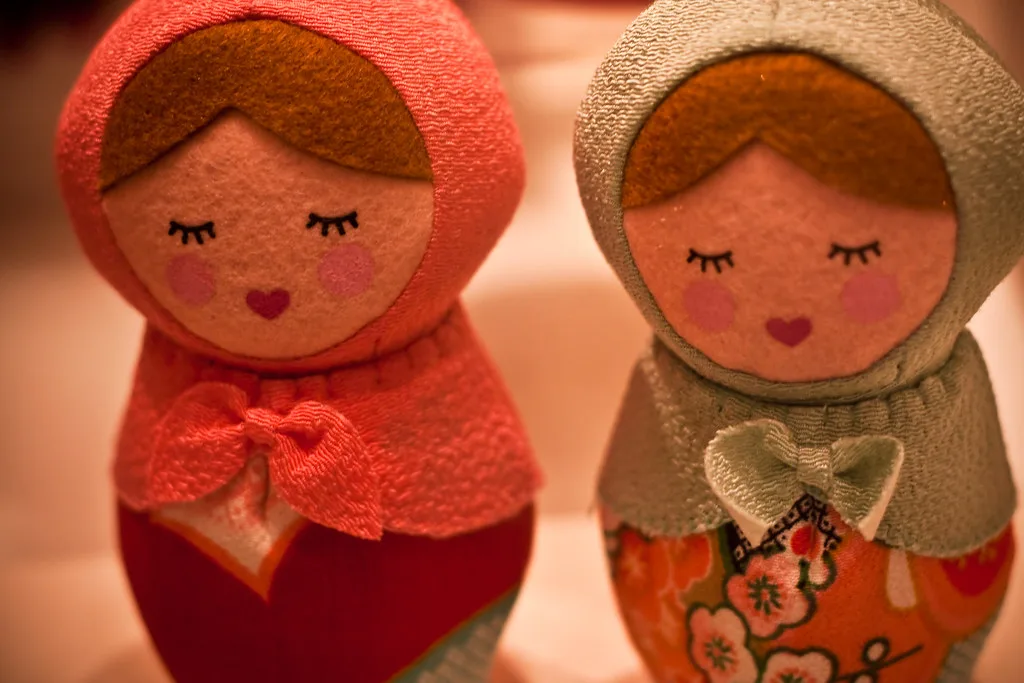
Two quite different crafts share the name: needle felted wool dolls, and dolls sewn from felt fabric. Both are beginner projects, and the choice changes everything.
7 min read Beginner
Roving is not only for felting. Weaving, spinning, doll hair, punch needle and wreaths all take loose wool, and several of them need no equipment at all.
7 min read Beginner
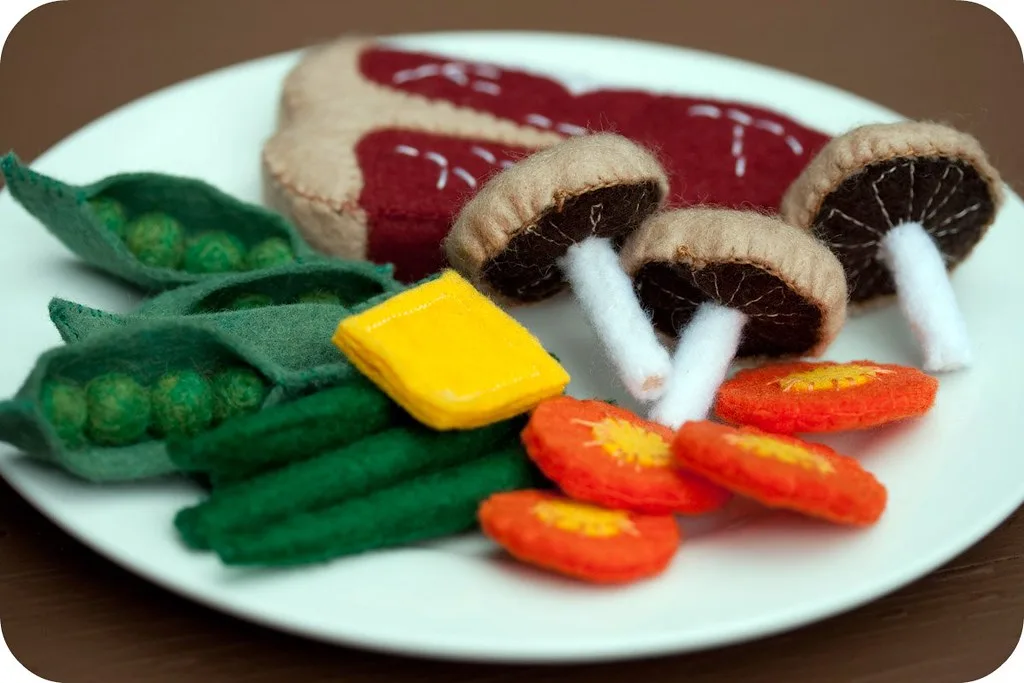
Play food from felt is the rare craft where crude shapes work better than accurate ones — and where the sewn and needle felted methods each win at different foods.
3 min read Beginner
Sculpt wool into animals, figures and decorations with barbed needles. Start with the basics, then work up to armatures, faces and fine detail.
Warm water, soap and friction turn loose fibre into solid fabric. Learn layouts, shrinkage and resists for scarves, soaps, vessels and flat felt.
Felt merino through open-weave fabric to create light, drapey textiles. Fabric choice, fibre weight and migration, explained clearly.
Printable templates, measurements and shaping guides you can follow exactly, or adapt once you know what the shapes are doing.
The core techniques, one skill at a time — each written as a sequence you can follow at the table with wool in your hands.
Which needles, wool and mats are actually worth buying — what the gauges mean, what to skip, and what a starter kit really needs.
Fixes for the things that go wrong: fuzzy surfaces, broken needles, wool that will not felt, and shapes that refuse to hold.
The knitting side of working with wool — leaf patterns, casting on, needle sizes and knitting faster — including the pieces that go on to be felted.
Why leaves fall when they do, what a cobweb actually is, and the seasonal makes that follow from both.
What to do with the pumpkin once it is carved — cooking from fresh, including the parts most people throw away.