Projects
Felt Birkin Bag
Two different things go by this name — a felt tote in the Birkin silhouette, and the felt organiser that sits inside a real one. Both come down to how stiff the felt is.
4 min read Advanced
Two different things go by this name — a felt tote in the Birkin silhouette, and the felt organiser that sits inside a real one. Both come down to how stiff the felt is.
4 min read Advanced
A bag charm gets knocked against doorframes every day, so it has to be felted harder than it looks. Twenty minutes each, and a hardware fitting that will not shed it.
4 min read Beginner
The animal is the easy part. The reason most felt hair clips end up in the bin is the join between the felt and the metal, and glue is never the answer.
4 min read Beginner
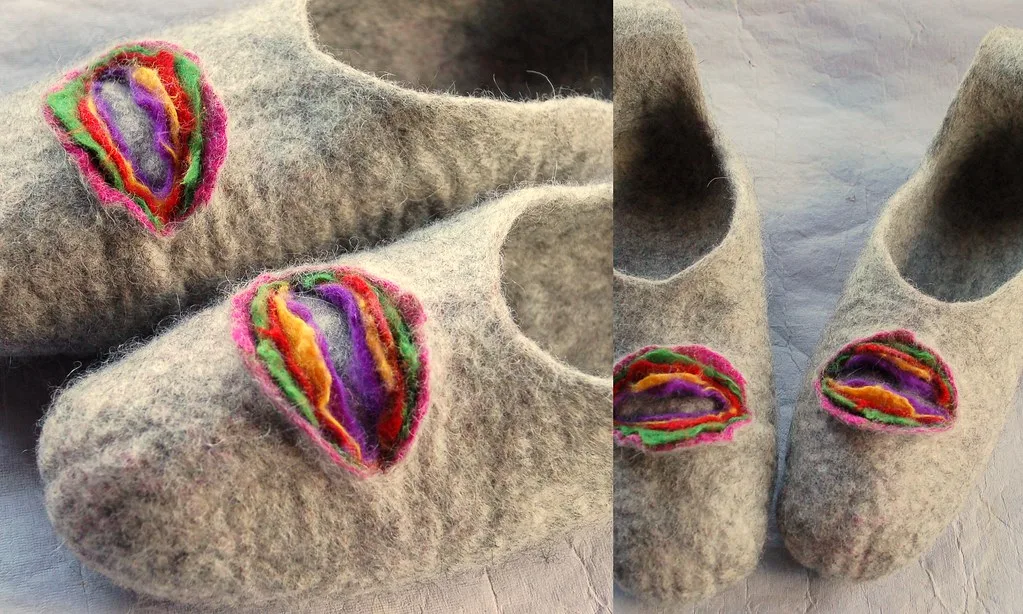
A felt slipper is only as good as the wool it is made of and the sole it is joined to. How to tell boiled wool from needled felt, which soles last, which footbeds actually hold an arch, and why Nordic slippers feel so different.
6 min read
Roving is not only for felting. Weaving, spinning, doll hair, punch needle and wreaths all take loose wool, and several of them need no equipment at all.
7 min read Beginner
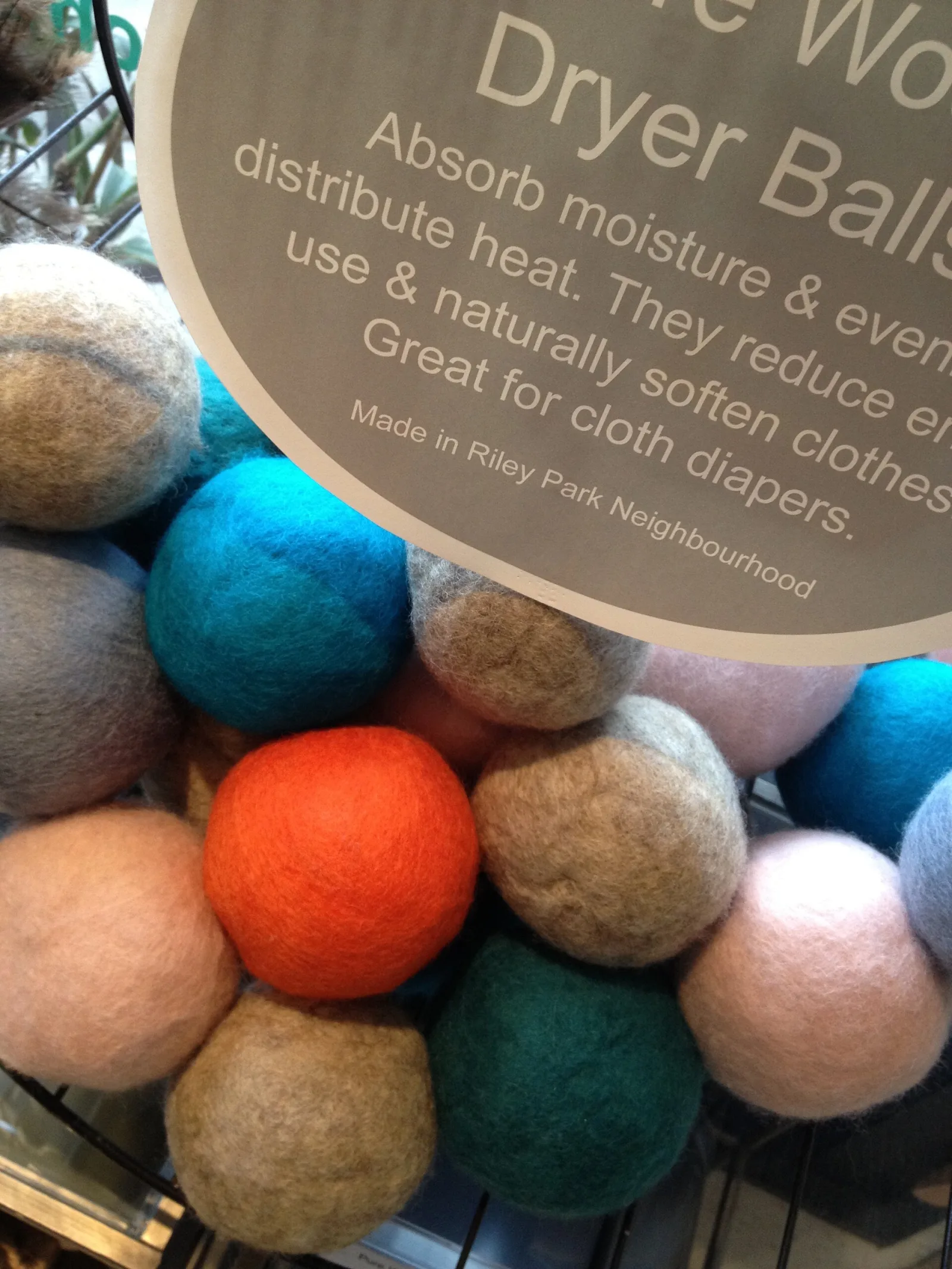
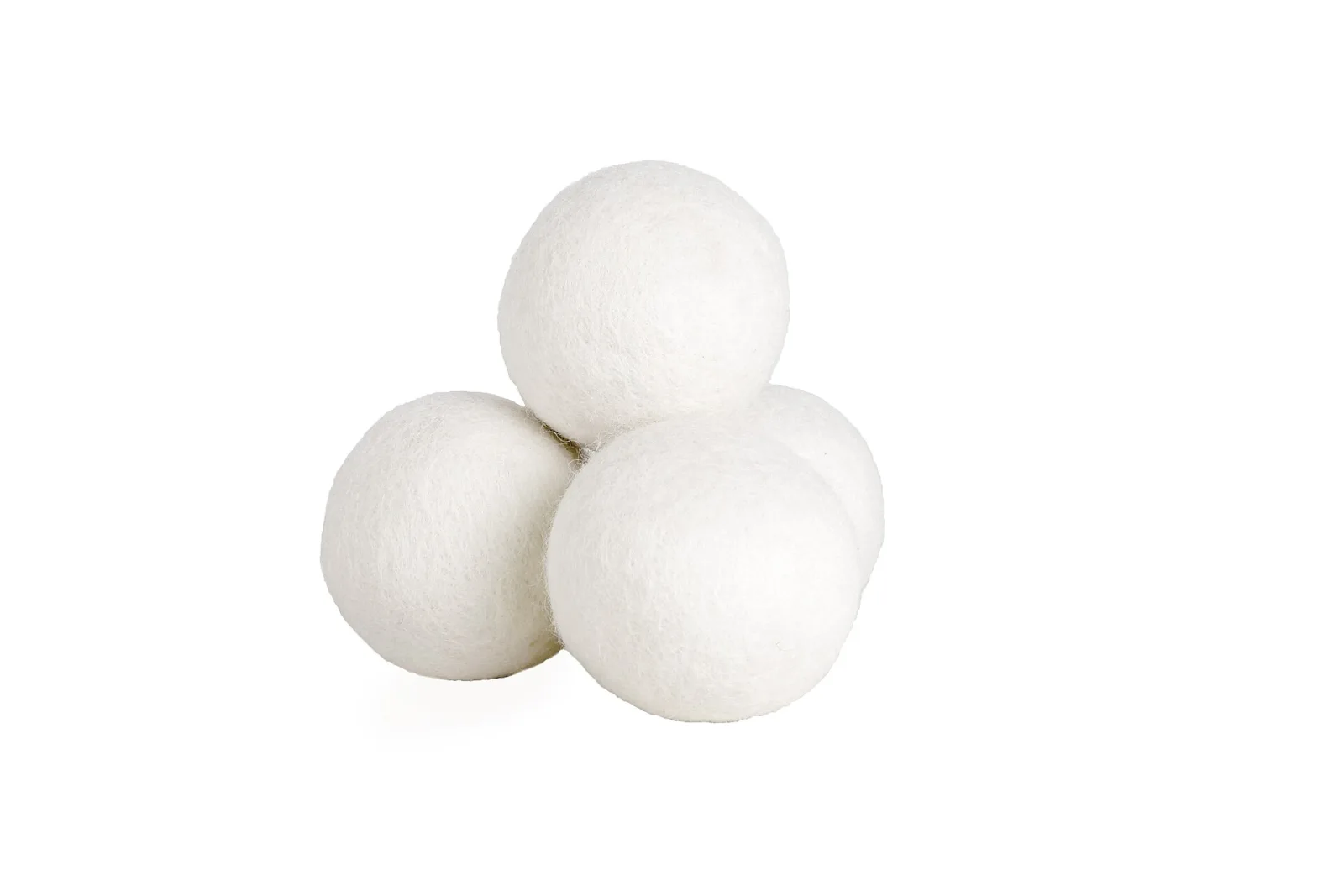
Three balls of felted wool in a tumble dryer cut drying time by roughly a fifth and replace fabric softener entirely. Making them takes an afternoon.
5 min read Beginner
Oil on wool in a hot dryer needs a little care: how many drops, when to add them, which oils stain, and why undiluted oil on hot fabric is worth avoiding.
4 min read Beginner
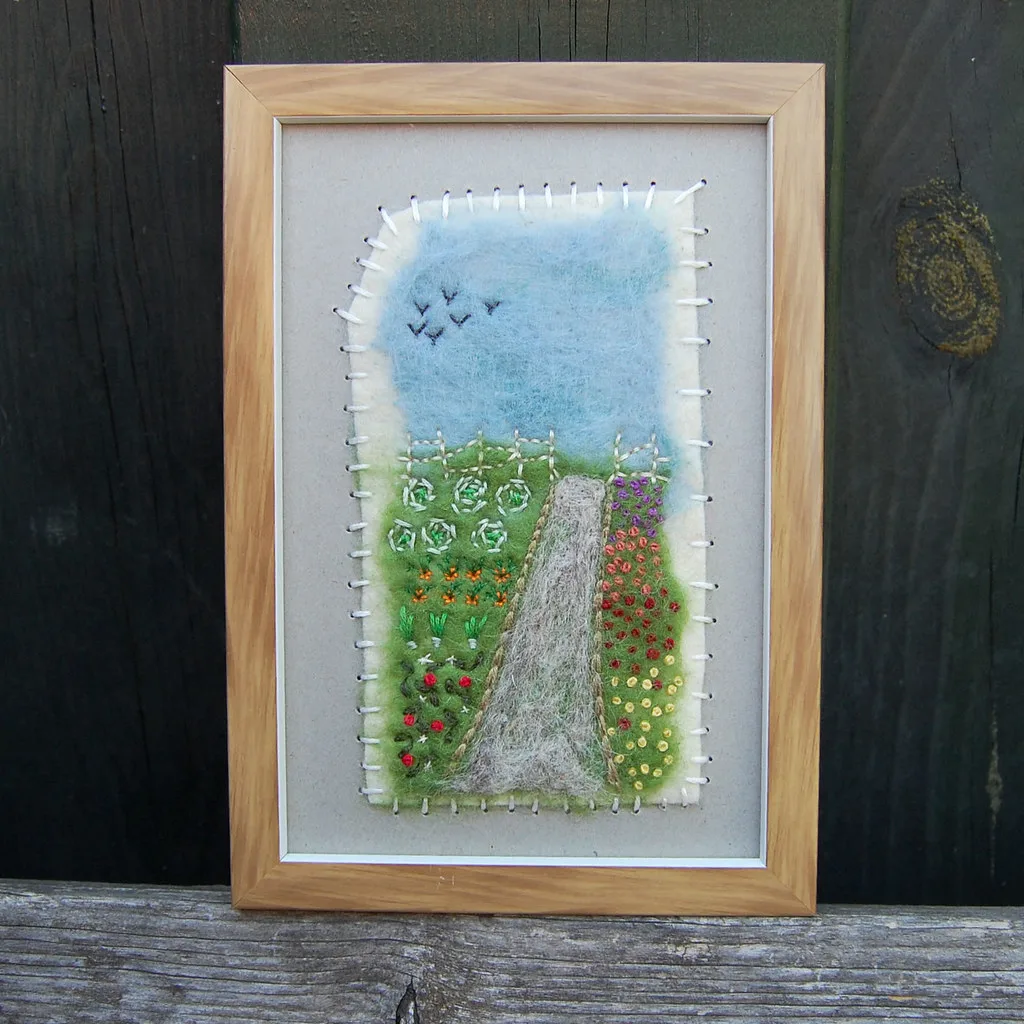
Wool paintings are laid, not brushed, and they move when they get wet. How to compose a felted picture that still looks like your sketch afterwards.
4 min read Intermediate
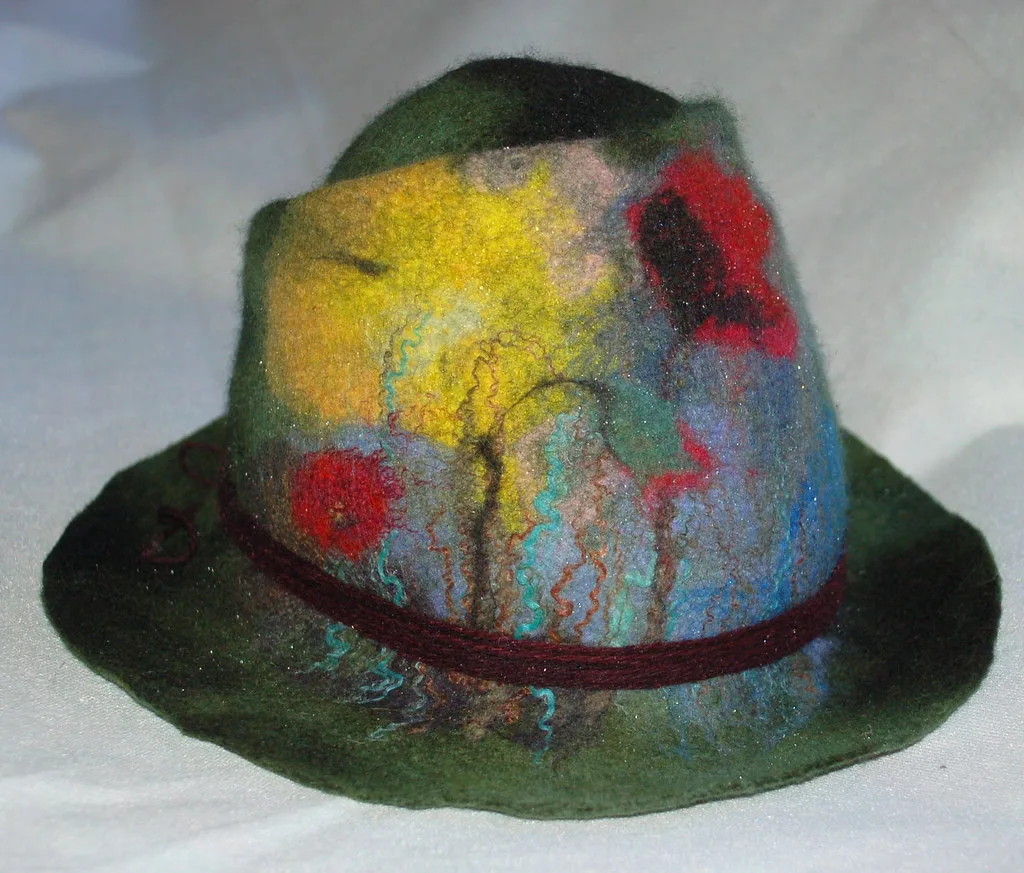
A felted hat is a resist project with one unforgiving constraint — it has to fit a head. How to size the resist, and how to stop when it fits.
4 min read Advanced
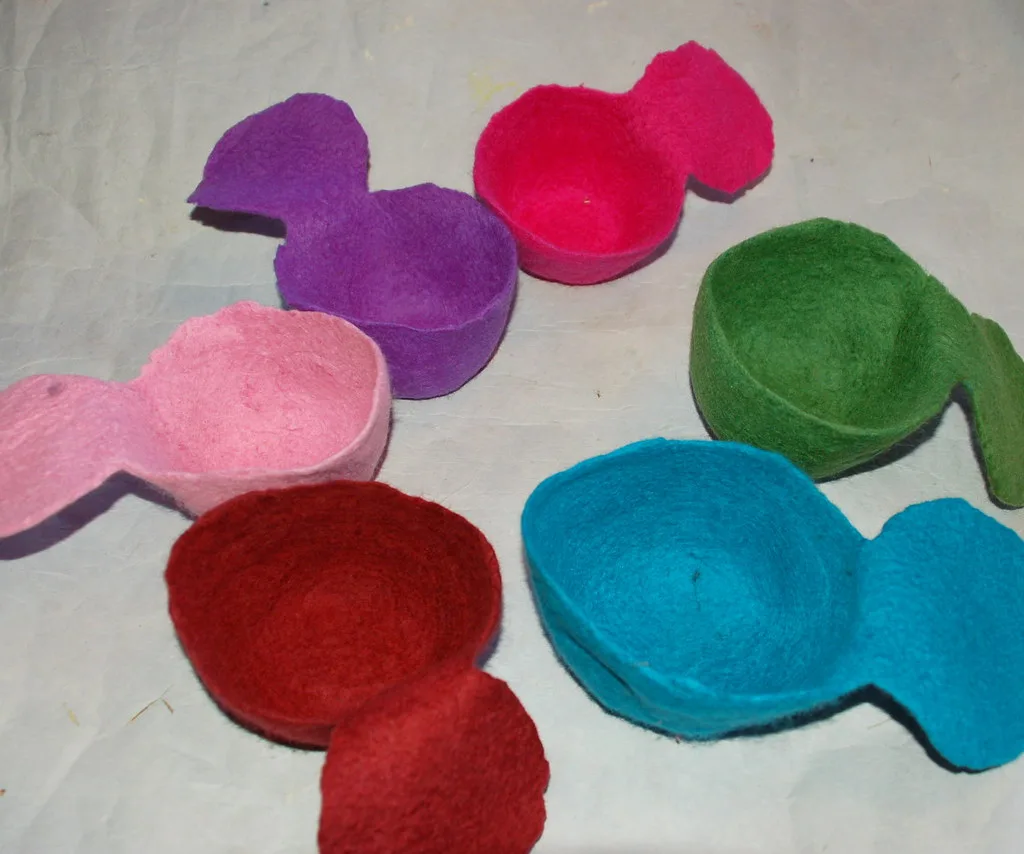
A felted bowl is a closed pocket with a hole cut in the top. The making is easy; getting it to sit flat and hold its walls up is the part worth reading about.
4 min read Intermediate
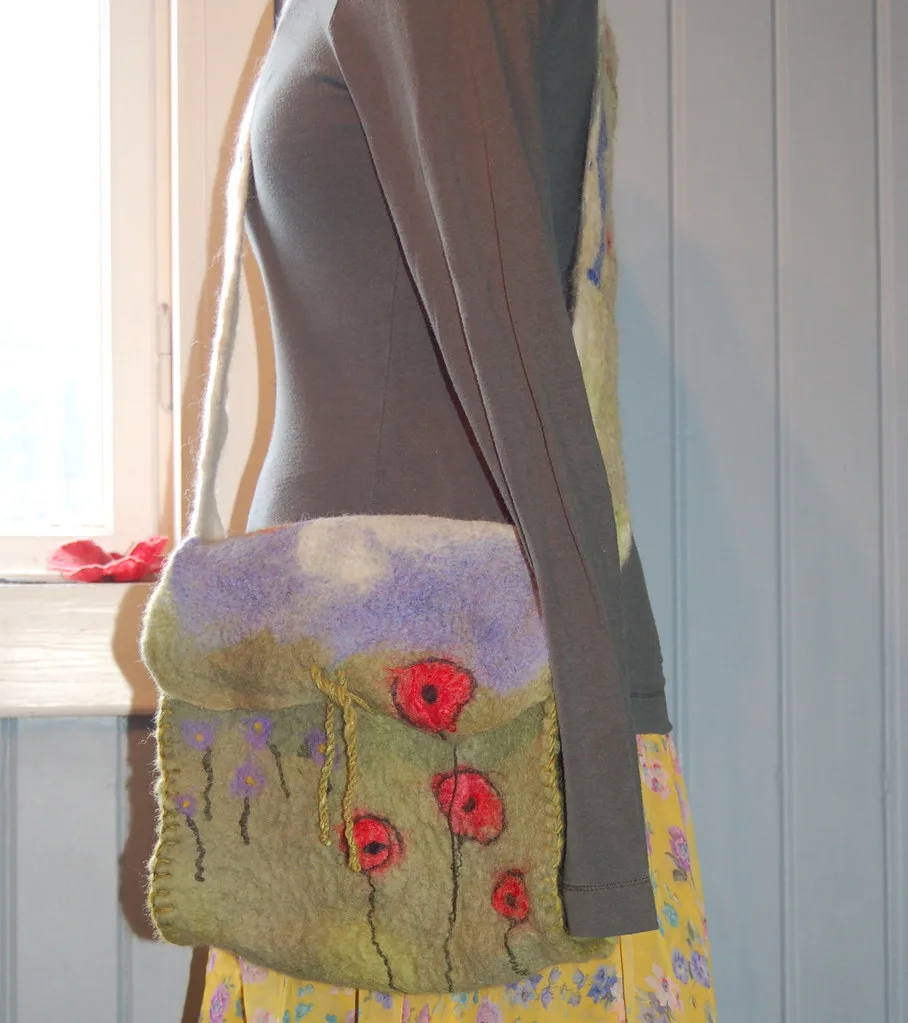
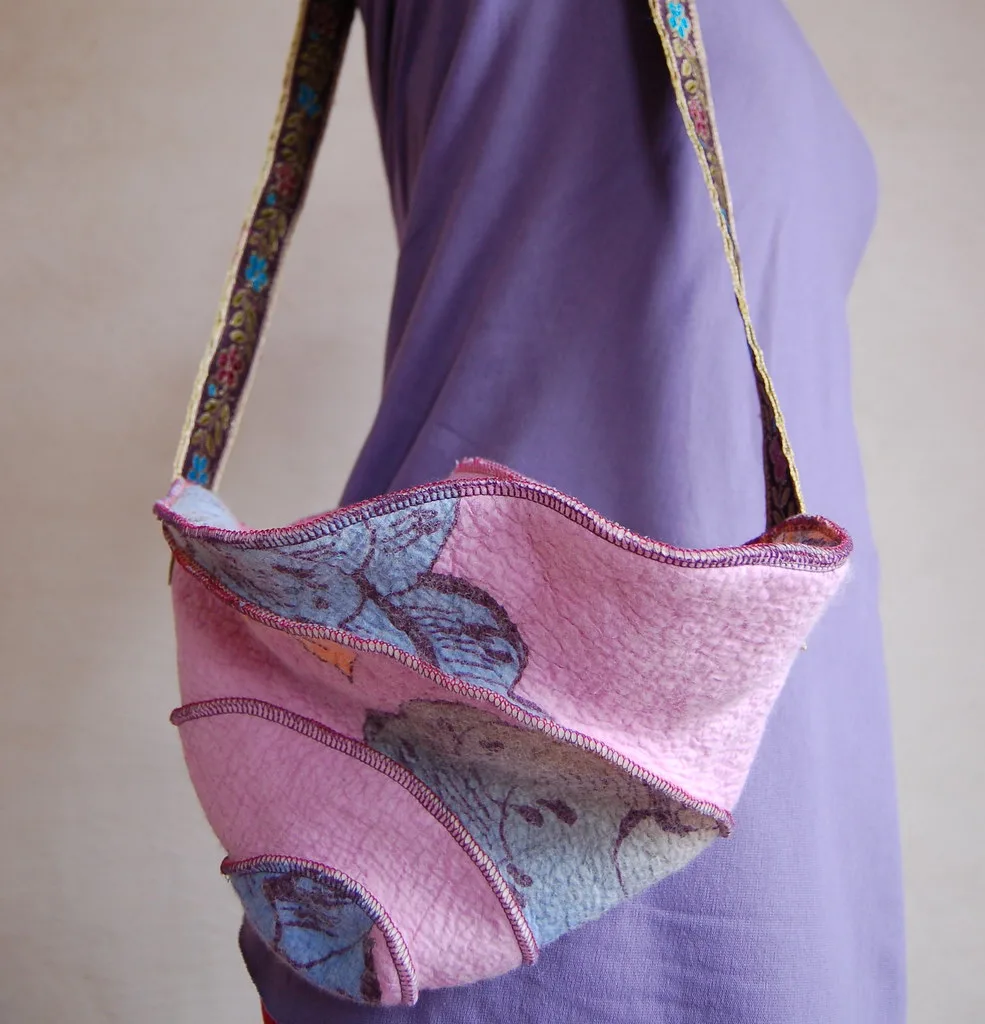
A seamless felted bag, made from one resist, thick enough to carry a book. Includes the three ways of attaching handles that do not eventually rip out.
4 min read Intermediate
Projects chosen by what they teach, not by how they look in a photograph — each one adds a skill you will use in everything you make afterwards.
3 min read Beginner
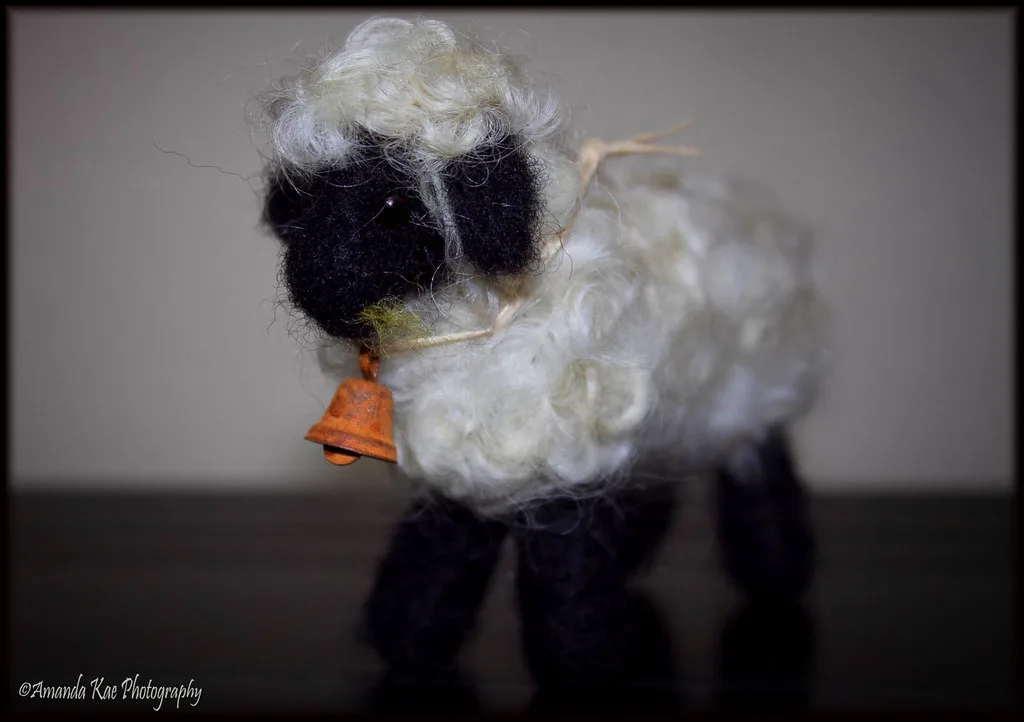
Sculpt wool into animals, figures and decorations with barbed needles. Start with the basics, then work up to armatures, faces and fine detail.
Warm water, soap and friction turn loose fibre into solid fabric. Learn layouts, shrinkage and resists for scarves, soaps, vessels and flat felt.
Felt merino through open-weave fabric to create light, drapey textiles. Fabric choice, fibre weight and migration, explained clearly.
Printable templates, measurements and shaping guides you can follow exactly, or adapt once you know what the shapes are doing.
The core techniques, one skill at a time — each written as a sequence you can follow at the table with wool in your hands.
Which needles, wool and mats are actually worth buying — what the gauges mean, what to skip, and what a starter kit really needs.
Fixes for the things that go wrong: fuzzy surfaces, broken needles, wool that will not felt, and shapes that refuse to hold.
The knitting side of working with wool — leaf patterns, casting on, needle sizes and knitting faster — including the pieces that go on to be felted.
Why leaves fall when they do, what a cobweb actually is, and the seasonal makes that follow from both.
What to do with the pumpkin once it is carved — cooking from fresh, including the parts most people throw away.