Tutorials
How to Make Felt Beads
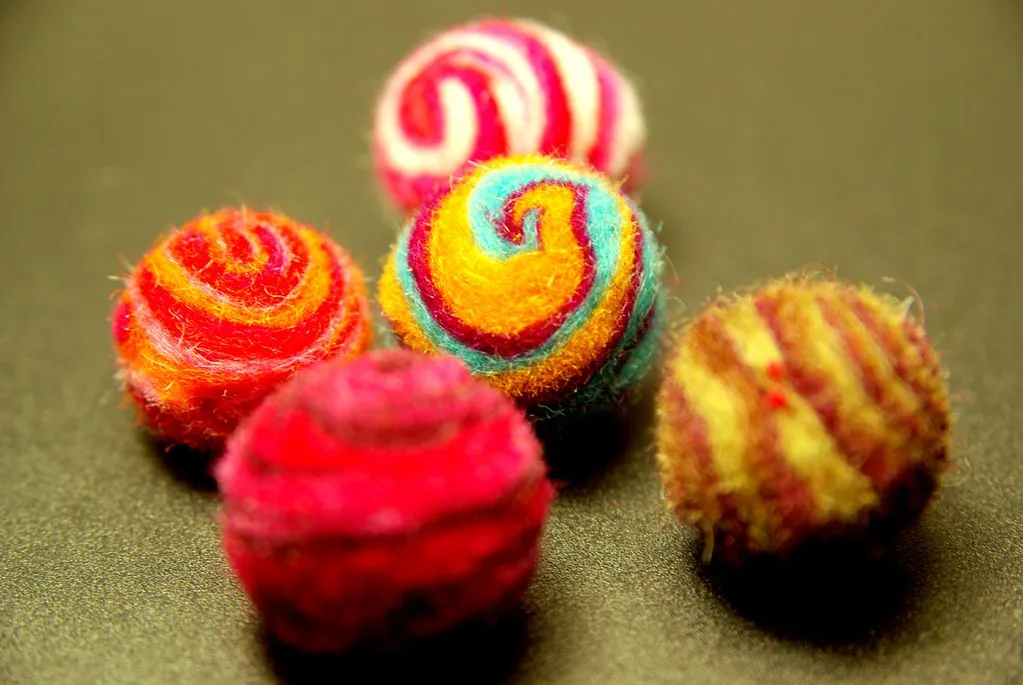
Felt beads are small felt balls with a hole through them, and the hole is the difficult part. Three ways to make one that does not close up as the wool shrinks.
4 min read Beginner
Felt beads are small felt balls with a hole through them, and the hole is the difficult part. Three ways to make one that does not close up as the wool shrinks.
4 min read Beginner
Needles are one route to felt, and the newer one. Water, soap and friction do the whole job with nothing sharp involved: five methods with quantities, water temperatures and timings, and what to use if you only need a needle substitute.
5 min read Beginner
Undercoat felts, guard hair does not, and the difference decides whether you get a keepsake or a bag of fluff. How to collect, wash and work with it.
4 min read Intermediate
Cat fur felts more readily than dog hair and gives you far less of it. What to make with the small amount you get, and the one safety point worth knowing.
4 min read Intermediate
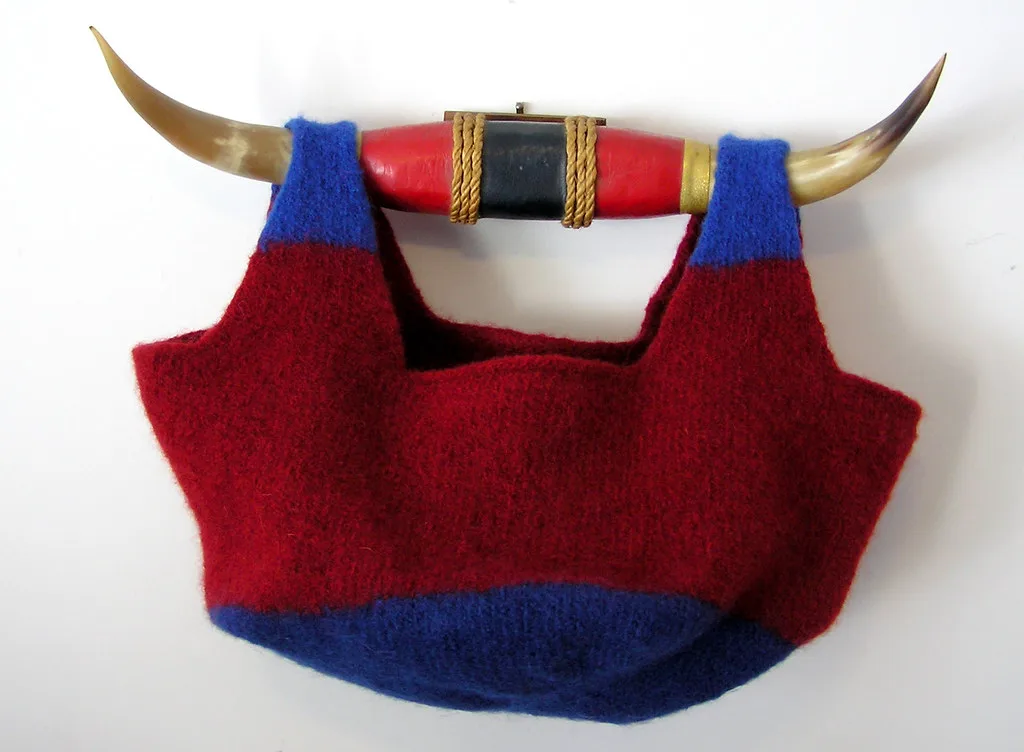
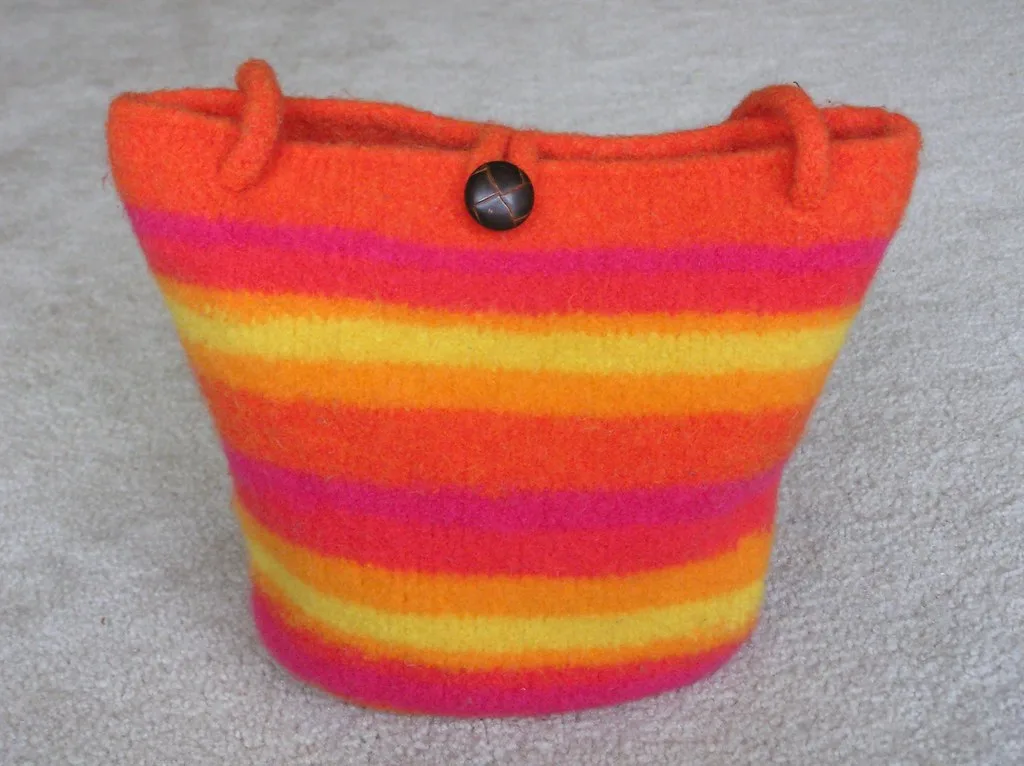
Knit it huge and loose, wash it hot, and it becomes dense fabric that never frays. The rules for hitting a target size instead of a felted disappointment.
4 min read Intermediate
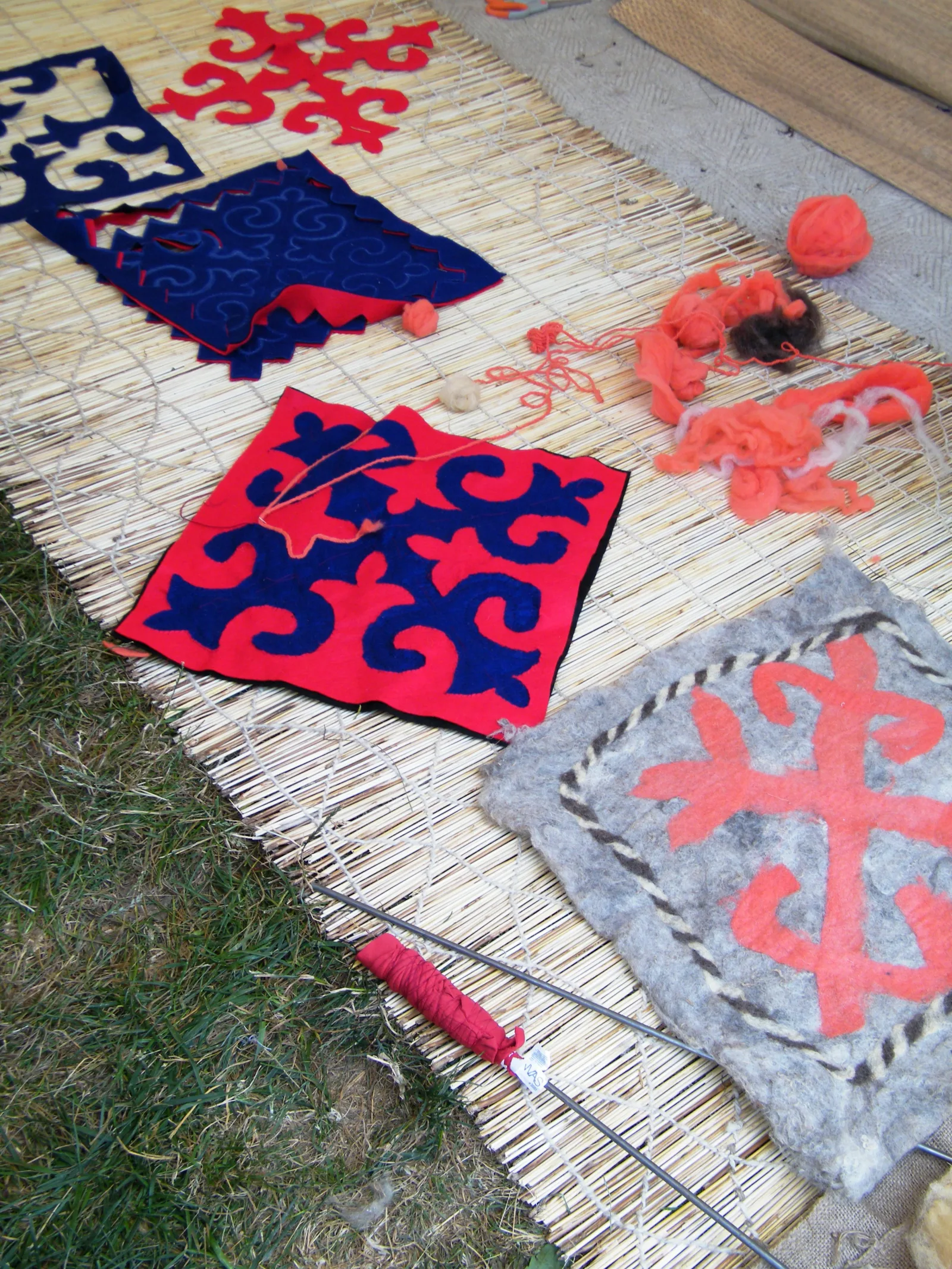
A wet felted rug is one enormous flat piece of felt. The making is simple; the thickness, the fulling and the floor it goes on are what decide whether it lasts.
4 min read Advanced
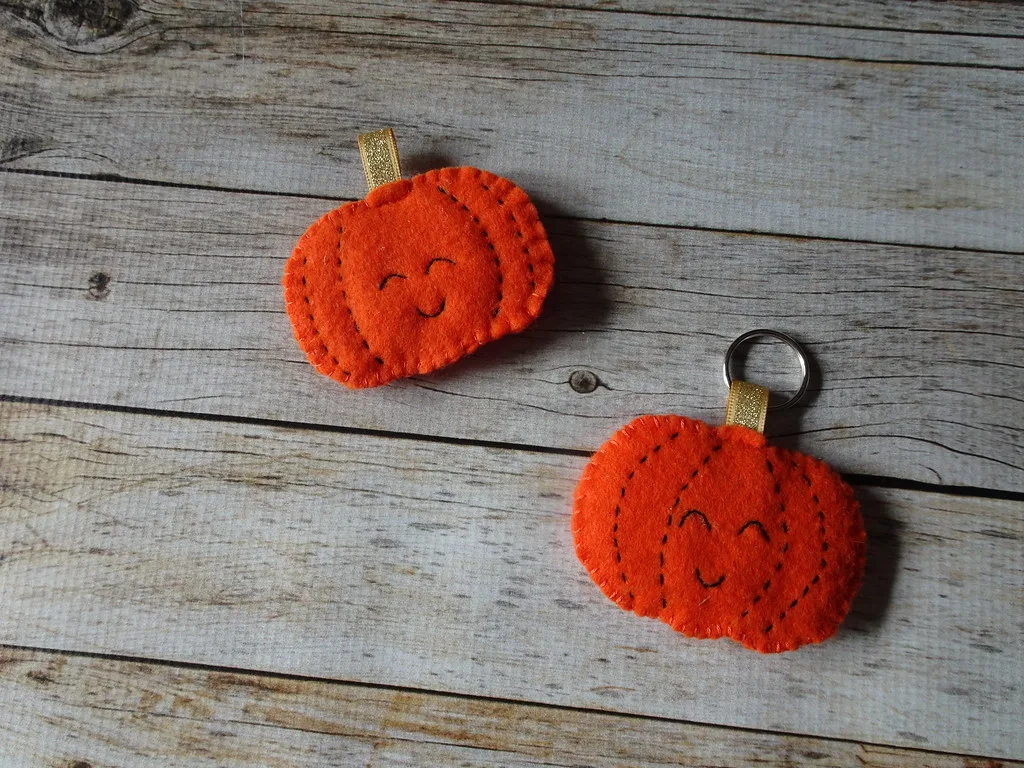
The ribs are everything. Whether you needle felt or wet felt one, a pumpkin without deep segments is just an orange ball — and the fix is a length of thread.
4 min read Beginner
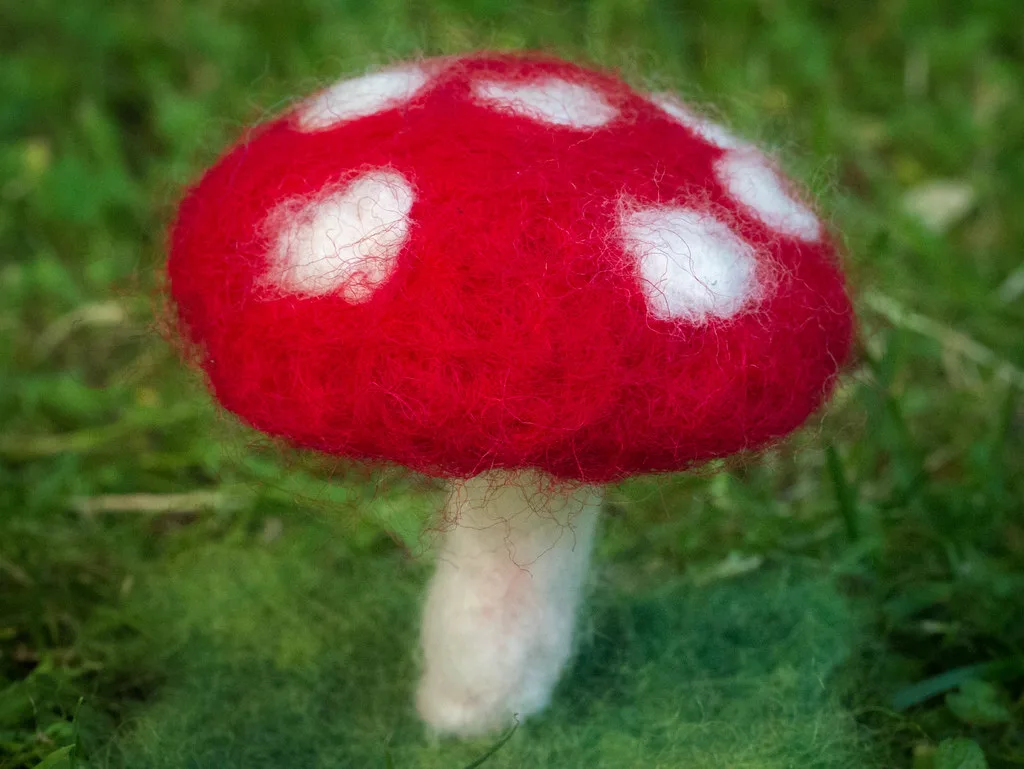
Two shapes, one join, and the gills underneath that make the difference between a mushroom and a red ball on a stick.
4 min read Beginner
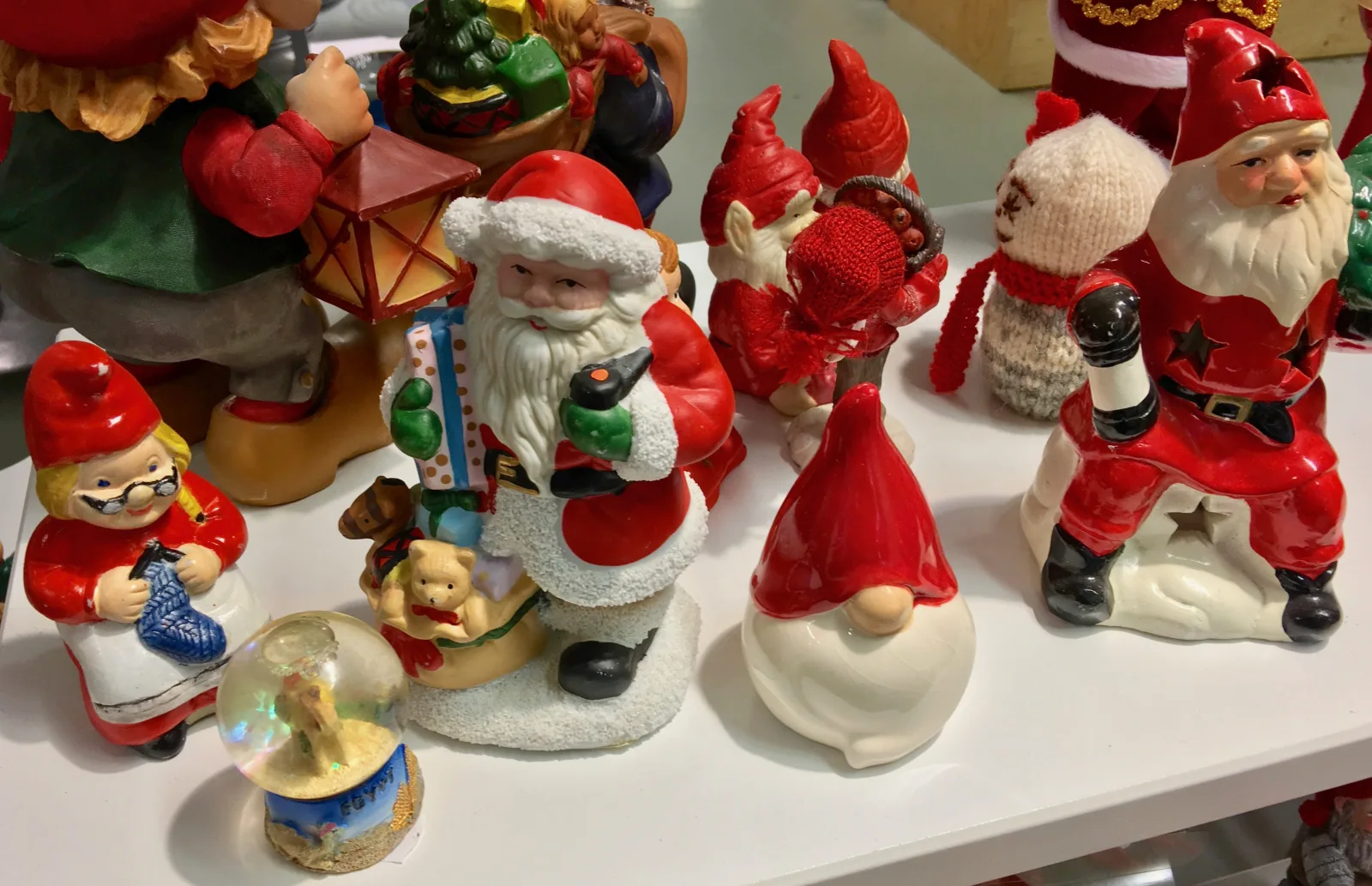
A gnome is a cone under a hat. Get the hat proportion right and it works; get it wrong and nothing else saves it. Includes a drawable flat pattern with real measurements.
9 min read Beginner
A tree full of wool baubles that survive being dropped by children and cats. Three methods, what each one actually weighs, and how to hang them so the loop holds.
4 min read Beginner
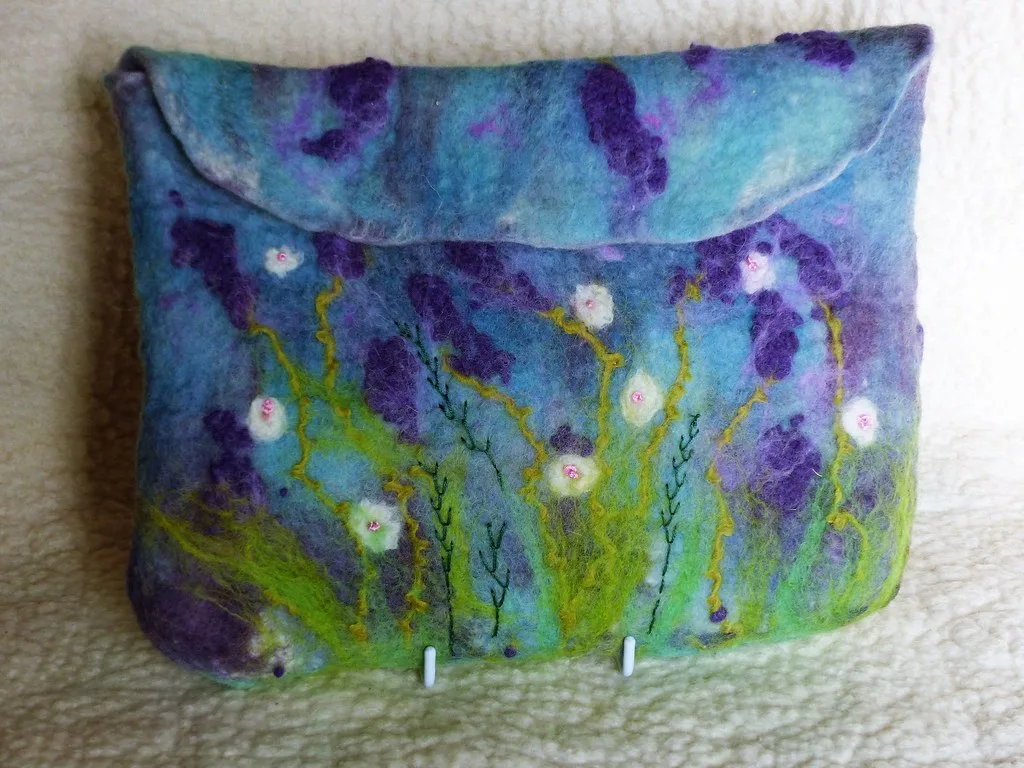
A simple felted bag pattern with the arithmetic explained, so you can size it to any yarn instead of hoping somebody else's gauge matches yours.
5 min read Intermediate
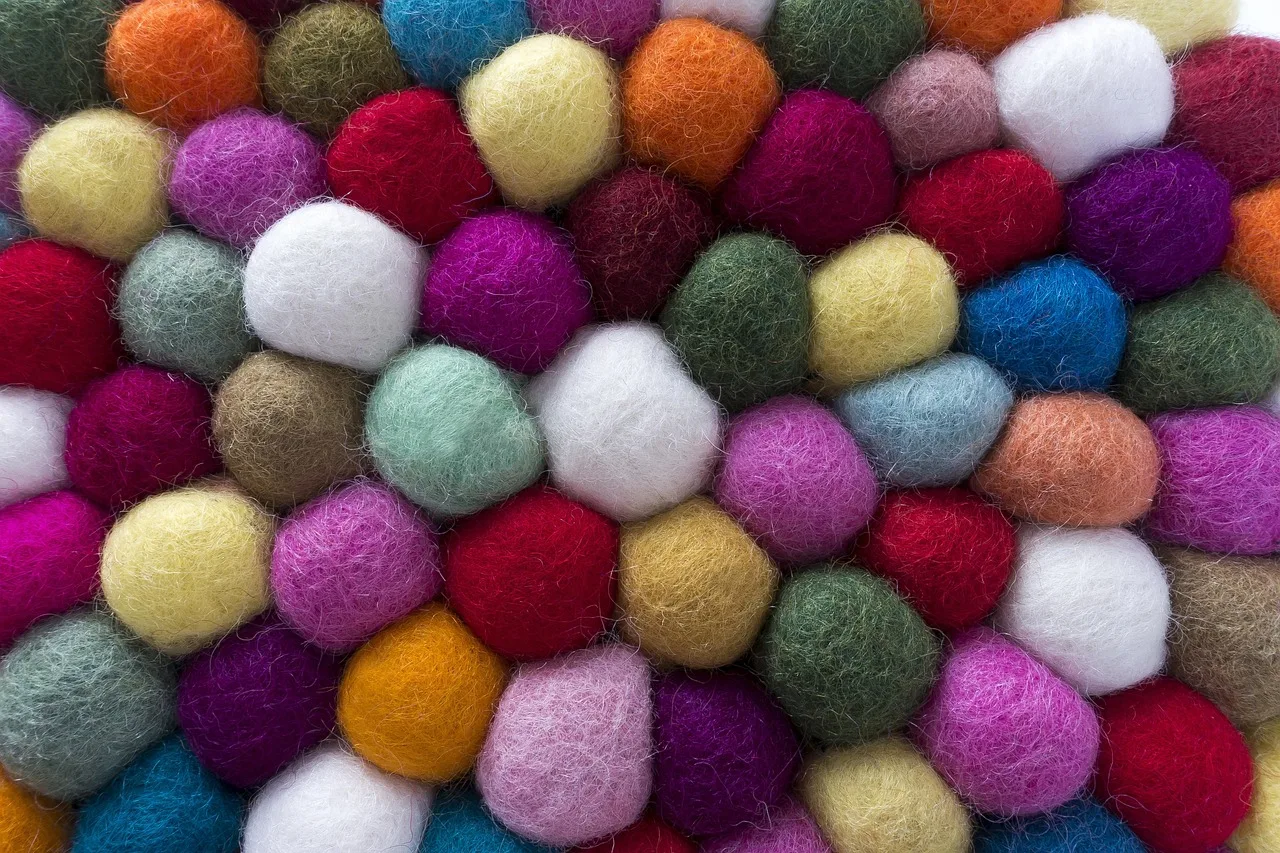
Several hundred felt balls, a strong thread and a long evening. How many balls a rug actually needs, how to string them, and how to stop it curling.
4 min read Intermediate
Sculpt wool into animals, figures and decorations with barbed needles. Start with the basics, then work up to armatures, faces and fine detail.
Warm water, soap and friction turn loose fibre into solid fabric. Learn layouts, shrinkage and resists for scarves, soaps, vessels and flat felt.
Felt merino through open-weave fabric to create light, drapey textiles. Fabric choice, fibre weight and migration, explained clearly.
Complete makes with photos at every stage — animals, flowers, ornaments and home decorations, sorted by how much experience they need.
Printable templates, measurements and shaping guides you can follow exactly, or adapt once you know what the shapes are doing.
Which needles, wool and mats are actually worth buying — what the gauges mean, what to skip, and what a starter kit really needs.
Fixes for the things that go wrong: fuzzy surfaces, broken needles, wool that will not felt, and shapes that refuse to hold.
The knitting side of working with wool — leaf patterns, casting on, needle sizes and knitting faster — including the pieces that go on to be felted.
Why leaves fall when they do, what a cobweb actually is, and the seasonal makes that follow from both.
What to do with the pumpkin once it is carved — cooking from fresh, including the parts most people throw away.