Felting with Cat Hair: Can You Do It, and How
4 min read Intermediate
We may earn a commission from links on this page, at no extra cost to you. As an Amazon Associate I earn from qualifying purchases. Learn more.
Cat fur felts more readily than dog hair and gives you far less of it. What to make with the small amount you get, and the one safety point worth knowing.
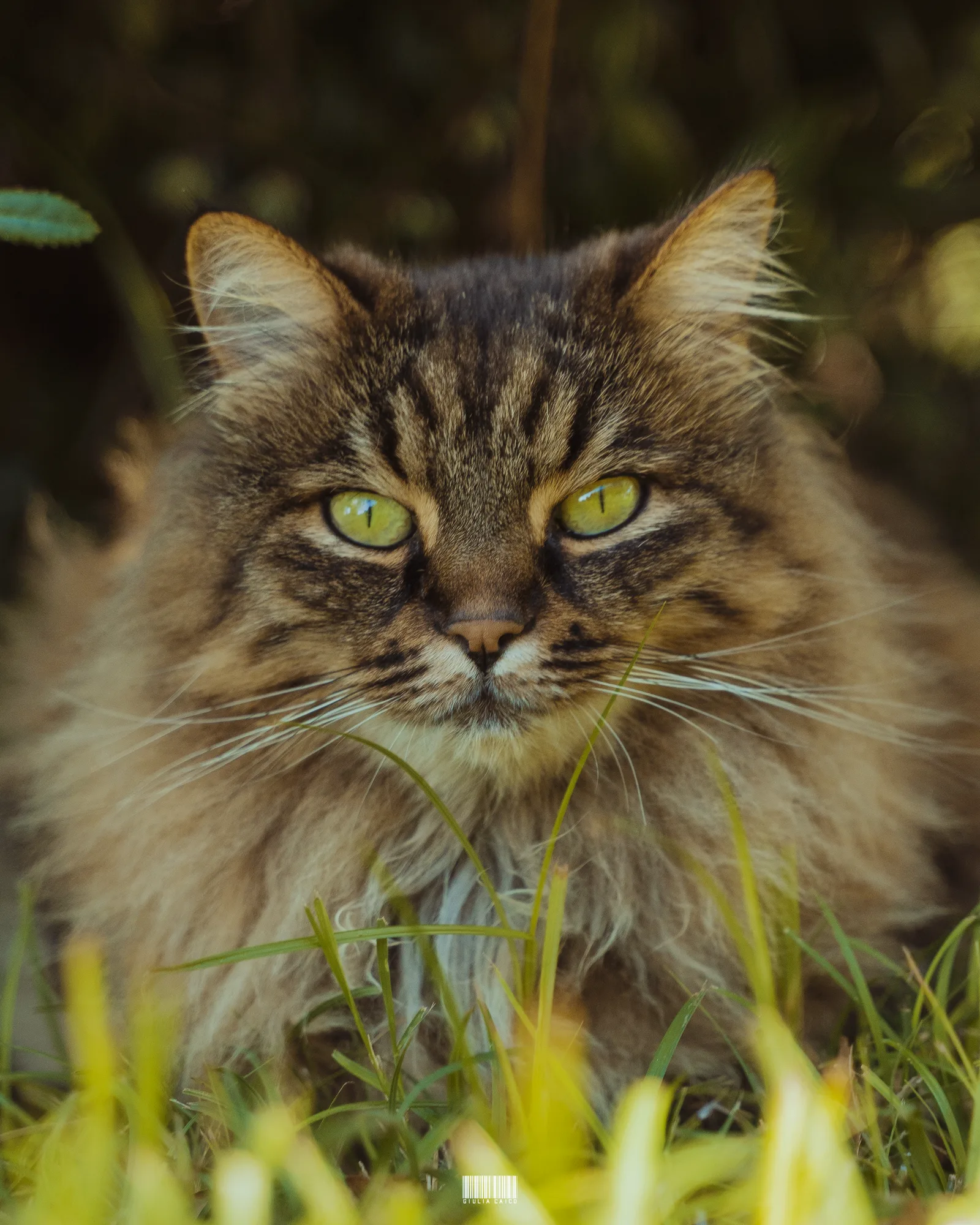
Cat fur felts, and it felts well. It is fine, soft, slightly crimped and tangles quickly — anyone who has untangled a mat from a long-haired cat has watched felting happen without meaning to.
The constraint is not whether it works. It is how little of it you will ever have.
How much you can expect
A moulting long-haired cat brushed regularly gives perhaps 5 to 10 g a month of usable undercoat. A short-haired cat gives less. Compare that with a husky, which can produce 100 g in a week during a moult, and the scale of the project sets itself.
So: keepsakes, ornaments, beads, small sculptures. Not scarves, not bags.
Which fur
The soft undercoat, which is what a slicker brush or a deshedding tool pulls out during a moult. Longer guard hairs will not felt on their own and work their way out of a finished piece as whiskers, so pick them out.
Long-haired breeds — persian, maine coon, ragdoll, norwegian forest, siberian — give the best fibre. Short-haired cats give small quantities of very fine fluff that felts fine but needs blending.
Collecting and storing
Brush during a moult and keep the fur in a paper bag or a breathable box, never sealed plastic. Because you are collecting over months, storage matters more here than with dog hair — damp fur in a sealed bag goes musty and cannot be rescued.
Fur pulled out of a mat is usable, though it is often already partly felted and needs teasing apart.
Washing it
Cats groom constantly, so their fur starts cleaner than a dog's. It still needs washing, because dander and skin oils are the things that cause smell and irritation.
- Hot water with a little wool wash or washing-up liquid.
- Submerge, press down, do not agitate — agitation felts it into a mat immediately.
- Soak fifteen minutes, lift out, squeeze gently.
- Rinse twice at the same temperature.
- Dry completely, spread on a towel.
Blending with wool
Cat fur is very fine and often short, which makes pure cat-hair pieces soft and slow to firm up. Two ways round it:
- Blend 50/50 with wool, carded together. Structure from the wool, character from the cat. See carding wool by hand.
- Wool core, fur surface. Build the whole shape in cheap core wool and use the cat fur only as the visible outer layer. Ten grams of fur covers a piece that would take fifty grams to build.
For a memorial piece, the second option is usually the right one — the visible surface is entirely the cat, and the fibre goes several times further.
Needle felting it
Straightforward. Fine fur compacts readily under a 38 gauge needle and takes a good surface with a 40. Expect it to stay a little softer than wool and to have a slight halo, which on a cat sculpture is exactly right.
Work the surface layer with shallow strokes so you do not push the colour through into the core. General approach in needle felting techniques.
Wet felting it
Possible, and rarely worth it at these quantities. Wet felting needs enough fibre to lay out in layers, and 10 g does not go far. If you do, use hot water and plenty of soap, and be patient during the early rubbing stage.
Safety, briefly
- Dander is a common allergen. Handling a bag of fur releases a lot of it at once. Ventilate, and consider a mask if anyone in the house reacts to cats.
- Do not use fur from an unwell cat — ringworm, mites and skin infections are all transmissible, and washing does not reliably clear them.
- Skip fur collected shortly after a spot-on flea treatment.
- Keep loose wool away from the cat. Cats eat wool, and wool in a digestive tract is a serious veterinary problem.
What to make
- A small sculpture of the cat in its own fur — the usual reason people ask about this at all.
- Felt beads for a keepsake bracelet. Method in how to make felt beads.
- A hanging ornament with a wool core and a fur surface.
- A small heart — the simplest memorial piece and one of the most affecting.
Compared with dog hair
Cat fur felts more easily, smells less, and comes in far smaller quantities. Dog hair is more work per gram and there is often enough of it to make something substantial. Both follow the same preparation rules — see felting with dog hair for the fuller version, most of which applies here too.
Frequently asked questions
Can you felt with cat hair?
Yes. Cat undercoat is fine and soft and tangles readily — it felts more easily than most dog hair. The limitation is quantity, since even a long-haired cat sheds far less usable fibre than a husky.
How much cat hair do you need?
About 10 to 15 g for a small keepsake, which is several months of brushing for most cats. Building a wool core and using the fur only as a surface layer makes a small amount go much further.
Is it safe to felt with cat hair?
For most people, yes, provided the fur is washed and the cat is healthy. Cat dander is a common allergen, so work in a ventilated room, and do not use fur from a cat with a skin condition or an active flea treatment.
Does felted cat hair smell?
Not if it is washed before felting. Cats groom themselves constantly and their fur is cleaner than dog fur to begin with, so a single wash is usually enough.