Bamboo Mat for Felting
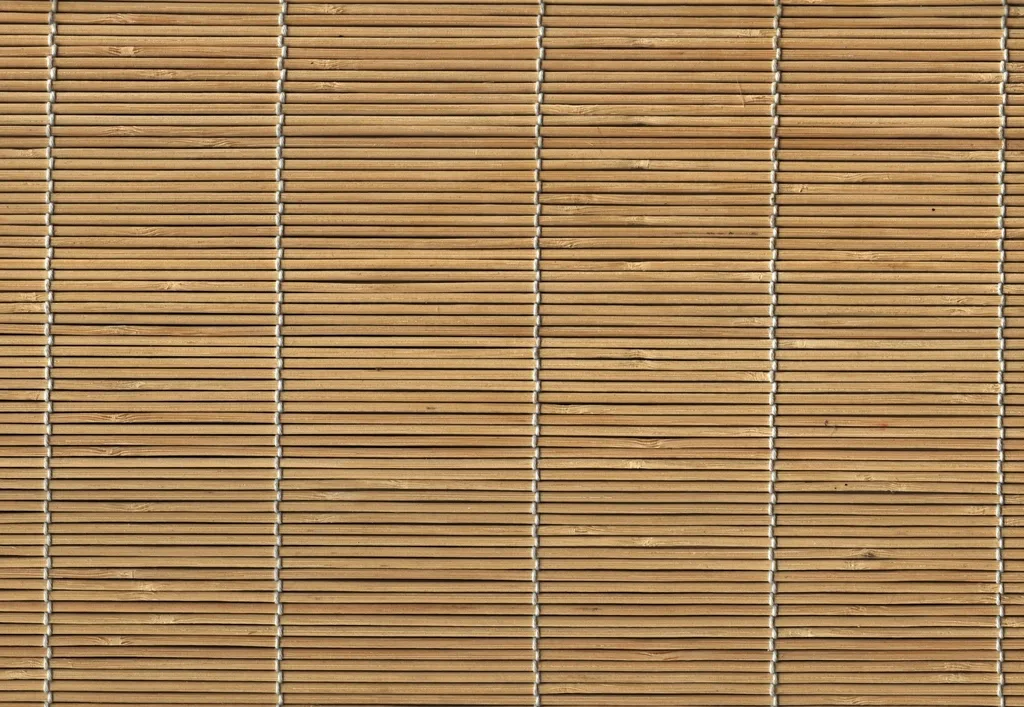
The mat is not padding. Its ridges grip the wool through the plastic and shear it slightly with every roll, and that shear is what turns a fragile web into fabric.
3 min read Beginner
The mat is not padding. Its ridges grip the wool through the plastic and shear it slightly with every roll, and that shear is what turns a fragile web into fabric.
3 min read Beginner
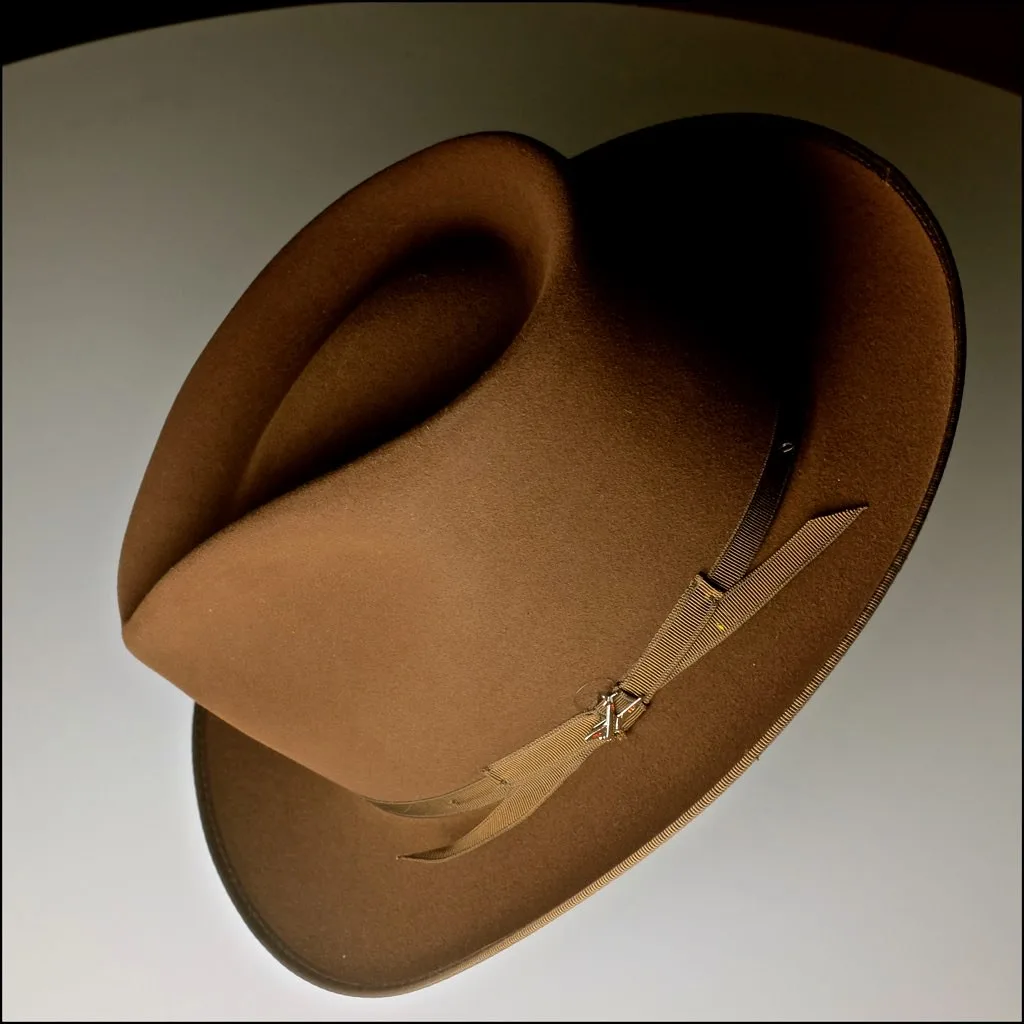
Fifteen felt hat names, what distinguishes each one, and which of them turn up as crossword answers — because half the questions about hat names come from a grid.
3 min read
Needles almost never break because they were cheap. Four habits account for nearly every snapped needle, and all four are easy to unlearn.
4 min read
Australia grows a fifth of the world's wool and imports most of its slippers. What is actually made locally, why merino is the wrong fibre for a hard-wearing slipper, and how the sizing converts.
3 min read
A fedora, a trilby and a homburg are three different hats, and the difference is measurable in centimetres of brim. What each shape does for a face, and how to size one properly.
3 min read
Most slippers advertised as supportive have a soft foam insole, which is the opposite of support. Three constructions genuinely hold an arch, and one of them you can fit yourself.
3 min read
Nordic slippers are built around coarse, long-staple wool and a hard-wearing sole, not softness. The result is a slipper that survives a decade of concrete-cold floors.
3 min read
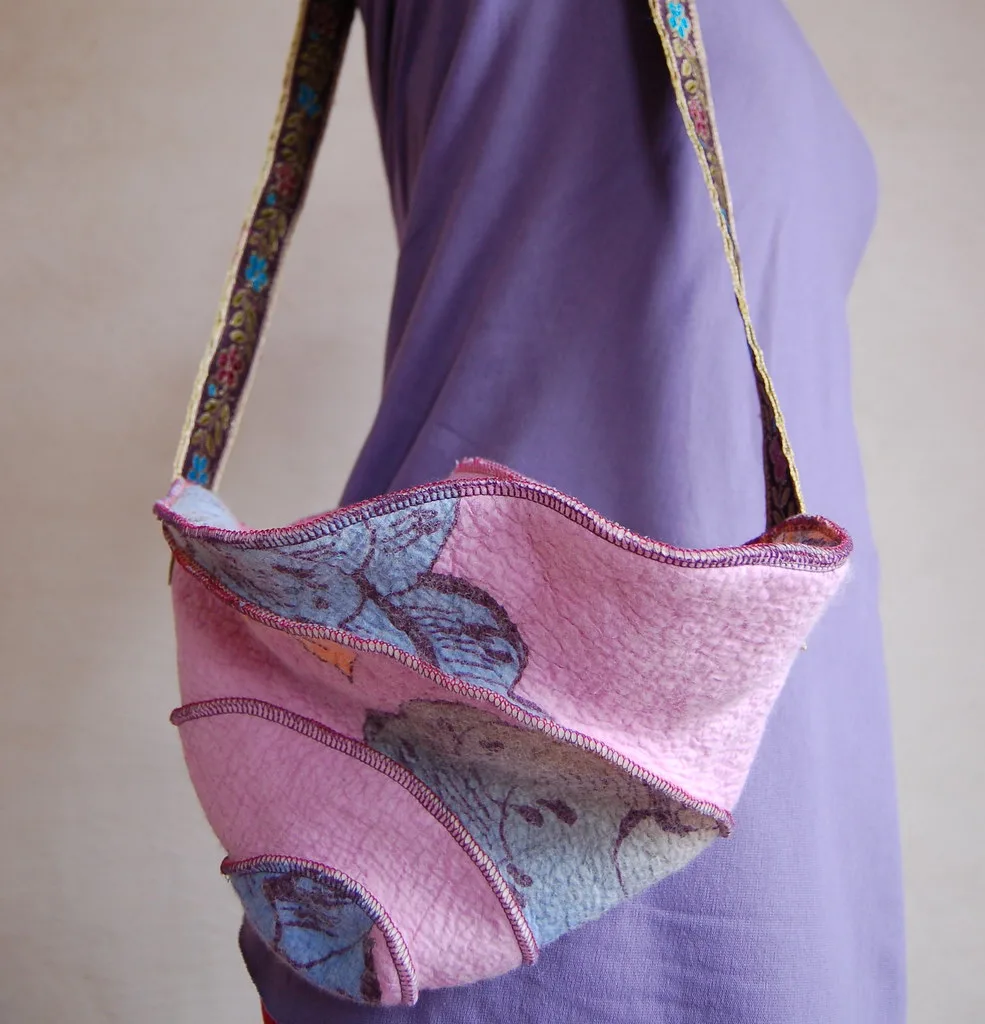
Two different things go by this name — a felt tote in the Birkin silhouette, and the felt organiser that sits inside a real one. Both come down to how stiff the felt is.
4 min read Advanced
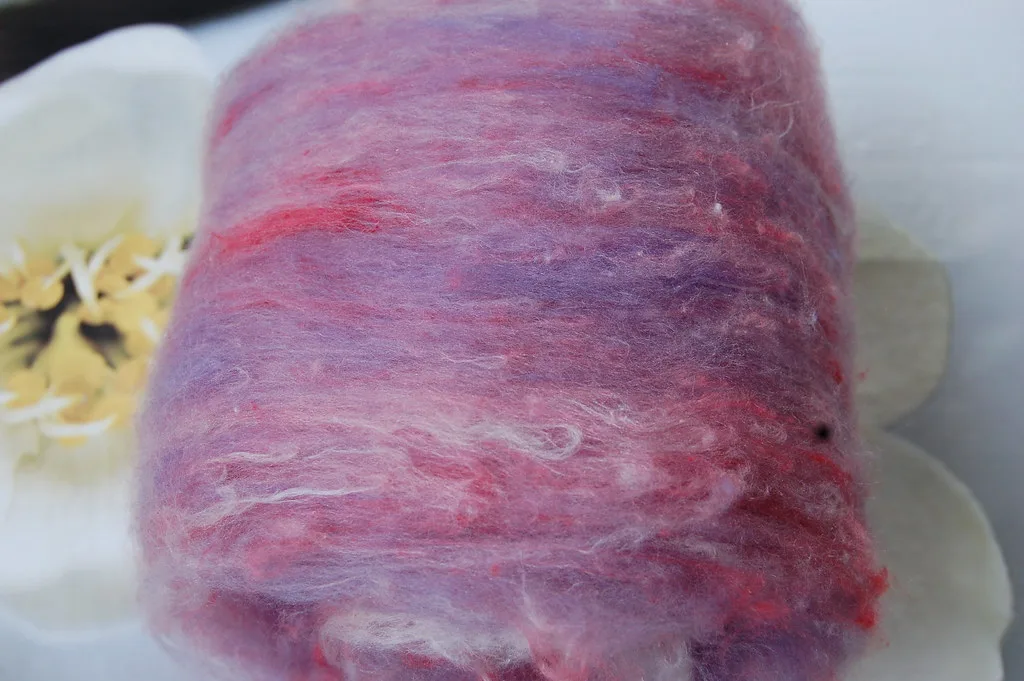
What roving is, how it differs from tops and batts, which breeds are sold in it, and how much you need before you spend money on the wrong fibre.
4 min read Beginner
A felt slipper is only as good as the sole it is joined to. Cork, rubber, leather and bare felt each behave differently on a wooden floor — and only one of them can be replaced.
3 min read
Merino is the fibre most felting shops sell most of, and it is the wrong choice for about half the projects people buy it for. Here is the split.
4 min read Beginner
Carded batts felt faster than combed tops and cost less per gram. What batting is, which kind to buy, and why quilters and felters want different things from it.
4 min read Beginner
Sculpt wool into animals, figures and decorations with barbed needles. Start with the basics, then work up to armatures, faces and fine detail.
Warm water, soap and friction turn loose fibre into solid fabric. Learn layouts, shrinkage and resists for scarves, soaps, vessels and flat felt.
Felt merino through open-weave fabric to create light, drapey textiles. Fabric choice, fibre weight and migration, explained clearly.
Complete makes with photos at every stage — animals, flowers, ornaments and home decorations, sorted by how much experience they need.
Printable templates, measurements and shaping guides you can follow exactly, or adapt once you know what the shapes are doing.
The core techniques, one skill at a time — each written as a sequence you can follow at the table with wool in your hands.
Fixes for the things that go wrong: fuzzy surfaces, broken needles, wool that will not felt, and shapes that refuse to hold.
The knitting side of working with wool — leaf patterns, casting on, needle sizes and knitting faster — including the pieces that go on to be felted.
Why leaves fall when they do, what a cobweb actually is, and the seasonal makes that follow from both.
What to do with the pumpkin once it is carved — cooking from fresh, including the parts most people throw away.