Felt Hat Colours: What Works, and Why Black Is the Hard One
3 min read
Charcoal reads as neutral, brown reads as warm, and black reads as formal whether you meant it to or not. How felt takes dye, and which shades survive sunlight.
Felt takes dye deeply and evenly, which is why hat colours look solid rather than printed. The trade-off is that the colour goes all the way through the fibre, so it cannot be lifted out again, and every fade is permanent.
The neutral shades, ranked by how easy they are to wear
- Charcoal. The most useful hat colour there is. Dark enough to have weight, grey enough to stay quiet, and it sits with navy and black without competing.
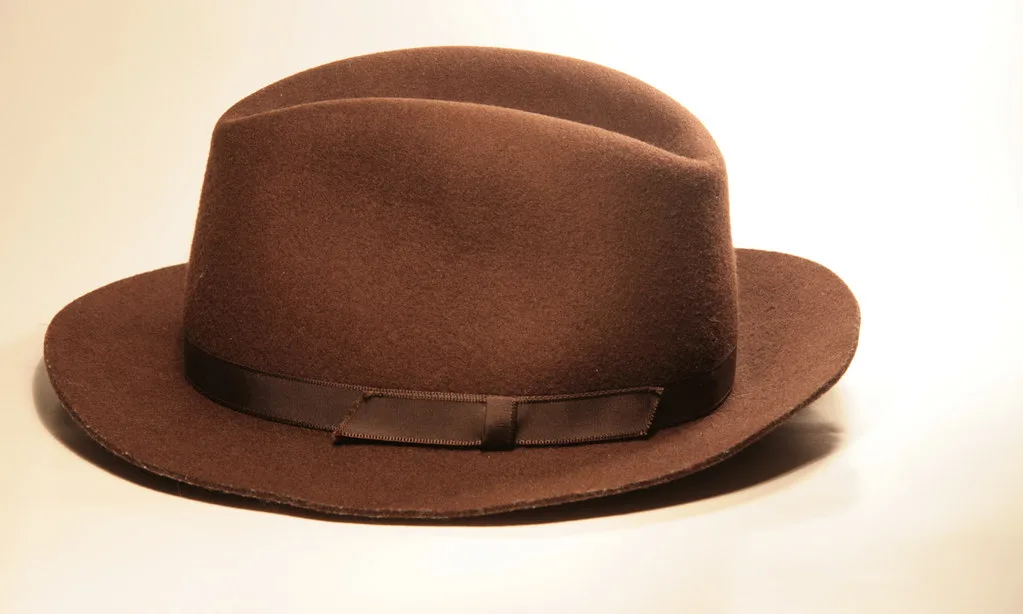
- Dark brown / chocolate. Warmer than charcoal and better against tan, olive and camel. The natural partner to leather.
- Mid grey / silverbelly. The classic western tone. Reads lighter and more relaxed; shows marks less than black but more than brown.
- Camel / sand / pecan. Summer weight in appearance even in winter felt. Flattering on darker skin tones and difficult against pale beige coats.
- Black. Formal by default, and unforgiving.
Why black is the difficult one
- It carries a signal. A black fedora reads as either formal dress or as costume, with very little middle ground. Charcoal reads as neither.
- It shows everything. Dust, lint, hair and rain spots all sit visibly on black felt. Expect to brush it after every wear.
- Blacks do not match. A black hat against a black coat exposes any difference in undertone, and one of the two nearly always looks faded.
- It flattens in photographs. The crease and side dents disappear into a silhouette.
If you want black, buy one with a visible texture or a contrasting band — the break stops the hat reading as a solid shape. Or buy the darkest charcoal you can find and get most of the effect with none of the difficulty.
Colours beyond the neutrals
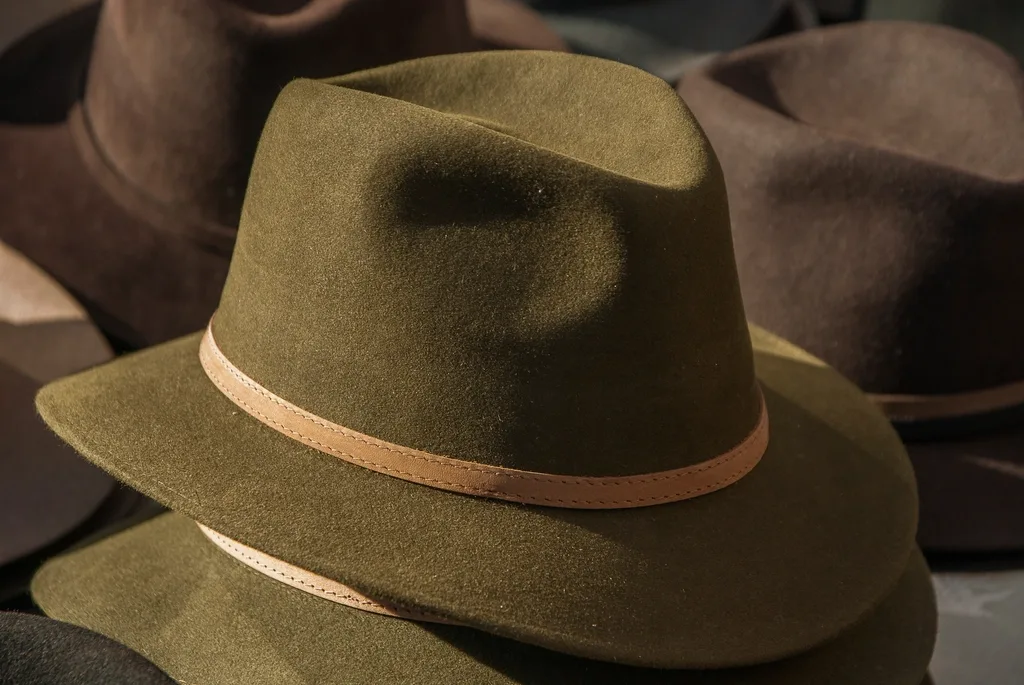
- Bottle green and forest green — the most wearable non-neutral. Works with brown, tan and denim.
- Burgundy and oxblood — good against grey and charcoal, hard against brown.
- Navy — safer than it sounds, but only with a genuinely navy or grey coat. Navy against black is the same clash as black against black.
- Rust and mustard — striking, seasonal and quick to date.
- Cream and white — impractical in wool felt, which greys along the brim edge within a season.
How felt is coloured
Hat bodies are usually dyed in the fibre or dyed as a formed cone before blocking, using acid dyes that bond to the protein in wool. That gives an even, saturated colour with no surface film — but it also means:
- The colour is the same shade all the way through, so a scuff does not show a pale core.
- Any later attempt to change the colour can only go darker.
- Sun fading affects the whole fibre, not a coating, so it cannot be buffed out.
The same chemistry applies to dyeing loose fibre at home — see dyeing wool roving for the acid dye method, and dyeing a wool sweater for how to darken a finished wool item without shrinking it.
Fading, and how to slow it
- Store out of direct light. A hat left on a sunny windowsill fades in weeks.
- Rotate two hats if you wear one daily — the fade is cumulative exposure, not time.
- Rain spots dry as pale rings on mid-tones. Reshape and dry away from heat rather than blotting hard.
- Brush after wear. Embedded dust dulls a colour before it truly fades.
Cleaning method in how to clean a felt hat. The muted greens, rusts and browns that read as traditional in a hat are exactly what plant dyes give, which is the case for natural dyes for wool if you are colouring your own felt. If you are choosing a first hat rather than a second one, start with the shapes in felt hats for men and the shade list above, in that order — the shape decides whether the hat suits you, the colour only decides how often you reach for it.
Frequently asked questions
What colour felt hat is the most versatile?
Charcoal grey. It sits with navy, black, brown and denim without arguing with any of them, and it does not carry the formal signal that a black hat does.
Is a black felt hat hard to wear?
It is the most demanding shade. Black reads as formal or as costume, shows every speck of dust and lint, and needs the rest of the outfit to be deliberate. Charcoal or dark brown gives you the same depth with far more latitude.
Do felt hats fade in the sun?
Yes. Dyed wool felt fades noticeably after a summer of daily wear, and the fade is uneven — the crown top and the side that faces the sun go first. Darker shades show it as a dulling, mid-tones as a colour shift.
Can you dye a felt hat a different colour?
You can darken one, but not lighten it, and wet dyeing risks shrinking and distorting the block. Going a shade or two darker within the same family is realistic; anything more is a job for a hatter.