Felt Cutting Machine
Felt has no grain and no weave, which makes it ideal for machine cutting and awful for a blade that expects resistance. Which machine cuts which thickness, and the settings that actually work.
4 min read
Felt has no grain and no weave, which makes it ideal for machine cutting and awful for a blade that expects resistance. Which machine cuts which thickness, and the settings that actually work.
4 min read
Combs remove short fibre and align the rest, which carders cannot do. What the pitch and tine count mean, which size to buy, and how to make a usable pair for very little.
4 min read Intermediate
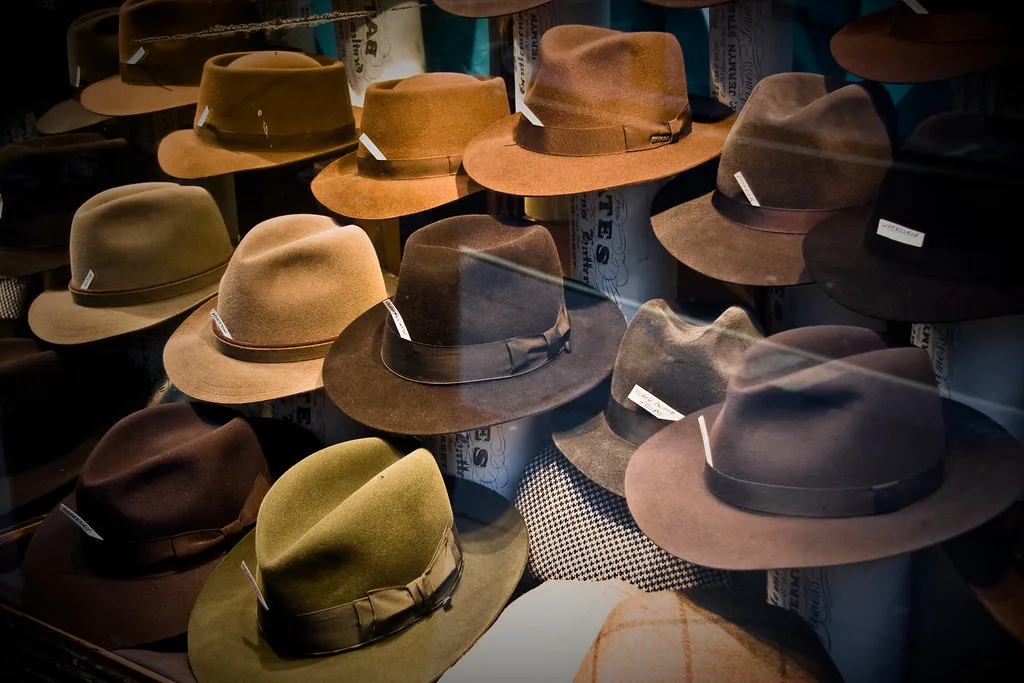
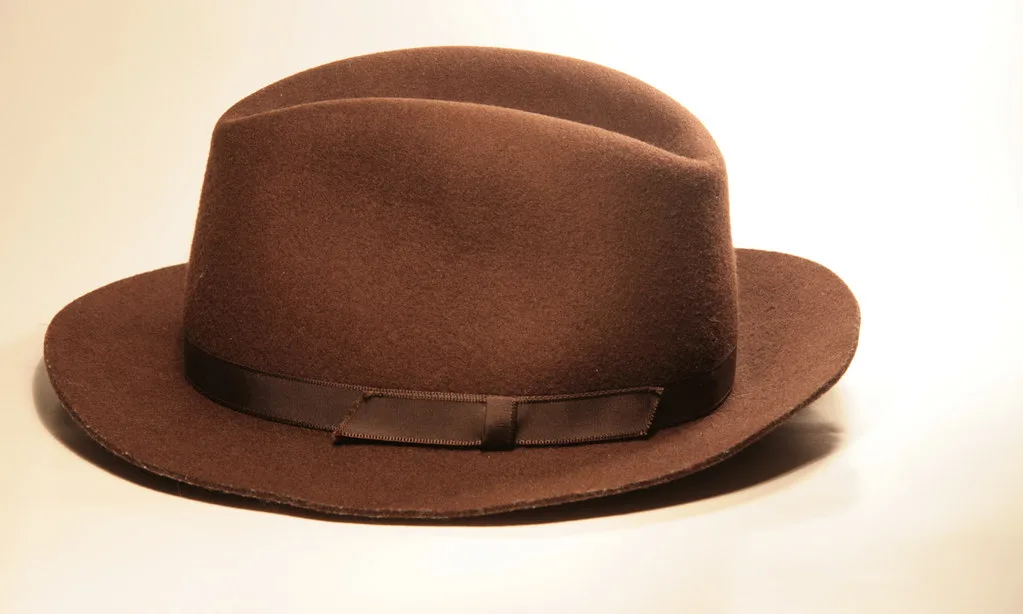
A hat band changes the hat more than anything else you can buy for it. The rest of the list is care equipment — and two items on it save a hat that would otherwise be ruined.
3 min read
Moths eat keratin, and a fibre stash is a buffet. What actually kills eggs, why cedar and lavender are not enough, and how to store wool so it survives.
4 min read Beginner
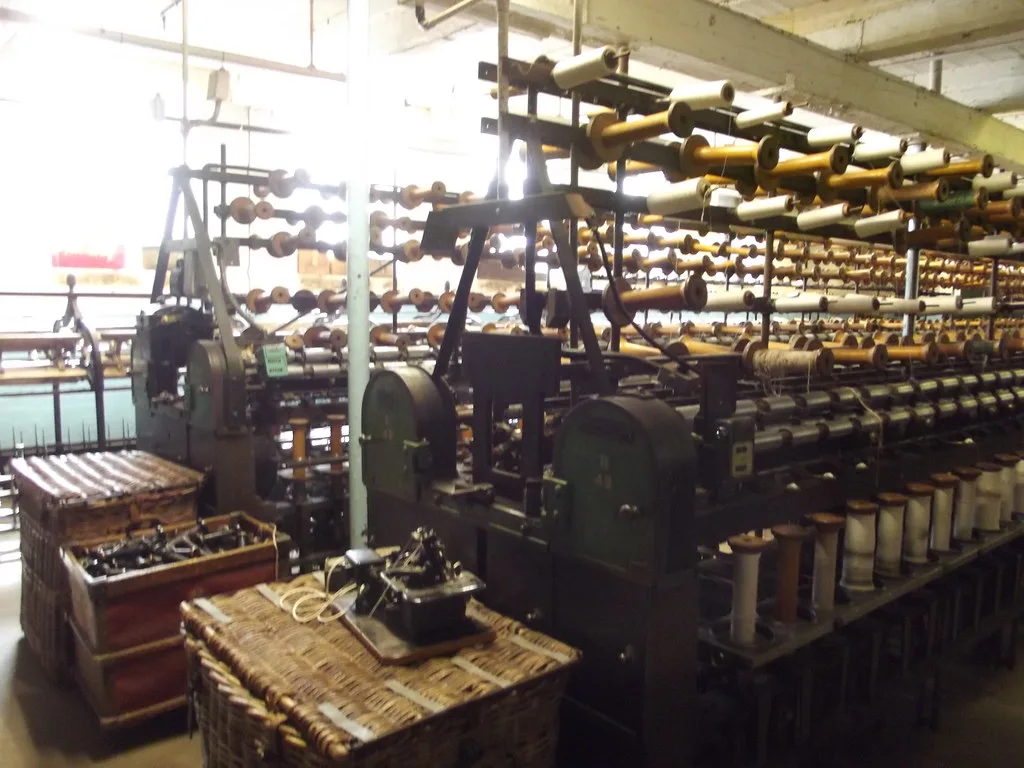
Fibre enters at the hopper and leaves as a web at the doffer. Between them sit the licker-in, the cylinder, the workers and strippers and the fancy — each doing one job to the fibre as it passes.
4 min read
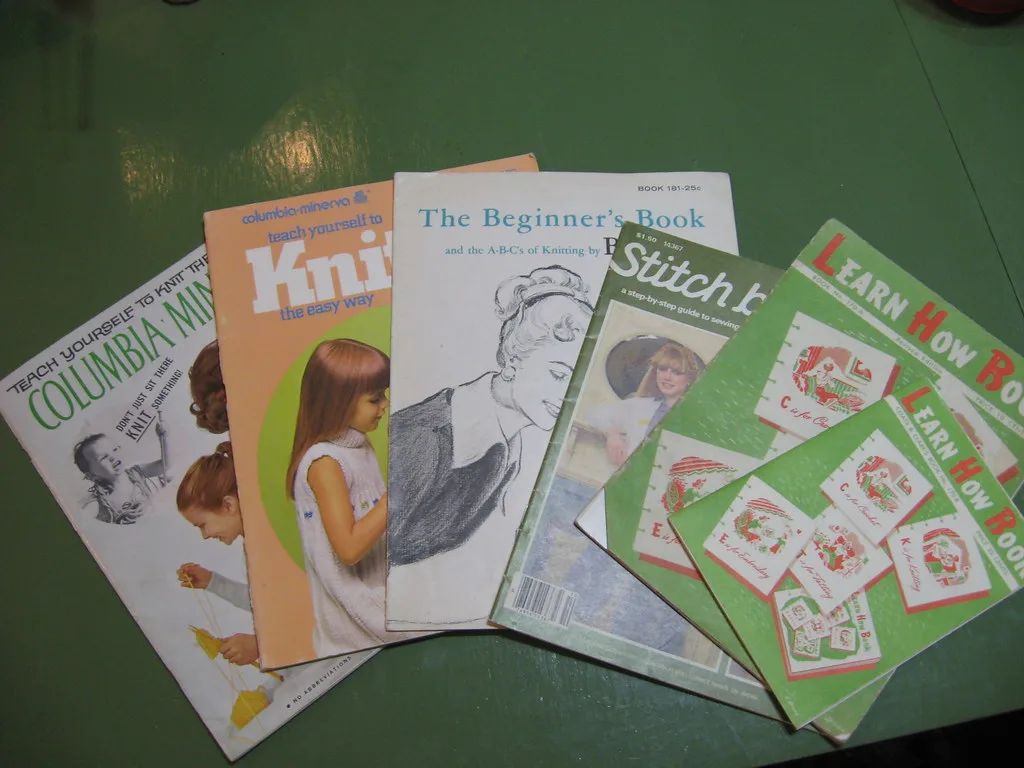
Felting books split into three kinds — technique manuals, project collections and artist monographs. Most people buy the second kind first and wish they had bought the first.
3 min read
A pen holds three to seven needles and covers ground several times faster than one. Where that speed is worth having, where it ruins the work, and which tool to buy.
4 min read Beginner
A handful of firms still block their own felt. Everyone else buys bodies from the same few mills. What the names mean, what to expect at each price, and where to buy in Australia or on Amazon.
3 min read
Silk gauze, chiffon, muslin, scrim — how to judge whether a fabric will let wool through before you commit a project to it.
4 min read Intermediate
Wool felt, craft felt and needle felted sculpture behave completely differently in water. How to wash each without destroying it.
4 min read Beginner
Felt is the easiest fabric an embroidery machine will ever meet — no fraying, no grain, and it is its own stabiliser. Almost. The two places it goes wrong are density and hooping.
4 min read
Charcoal reads as neutral, brown reads as warm, and black reads as formal whether you meant it to or not. How felt takes dye, and which shades survive sunlight.
3 min read
Sculpt wool into animals, figures and decorations with barbed needles. Start with the basics, then work up to armatures, faces and fine detail.
Warm water, soap and friction turn loose fibre into solid fabric. Learn layouts, shrinkage and resists for scarves, soaps, vessels and flat felt.
Felt merino through open-weave fabric to create light, drapey textiles. Fabric choice, fibre weight and migration, explained clearly.
Complete makes with photos at every stage — animals, flowers, ornaments and home decorations, sorted by how much experience they need.
Printable templates, measurements and shaping guides you can follow exactly, or adapt once you know what the shapes are doing.
The core techniques, one skill at a time — each written as a sequence you can follow at the table with wool in your hands.
Fixes for the things that go wrong: fuzzy surfaces, broken needles, wool that will not felt, and shapes that refuse to hold.
The knitting side of working with wool — leaf patterns, casting on, needle sizes and knitting faster — including the pieces that go on to be felted.
Why leaves fall when they do, what a cobweb actually is, and the seasonal makes that follow from both.
What to do with the pumpkin once it is carved — cooking from fresh, including the parts most people throw away.