Felt Hat Brands: Who Makes What, and Where to Buy
4 min read
A handful of firms still block their own felt. Everyone else buys bodies from the same few mills. What the names mean, what to expect at each price, and where to buy in Australia or on Amazon.
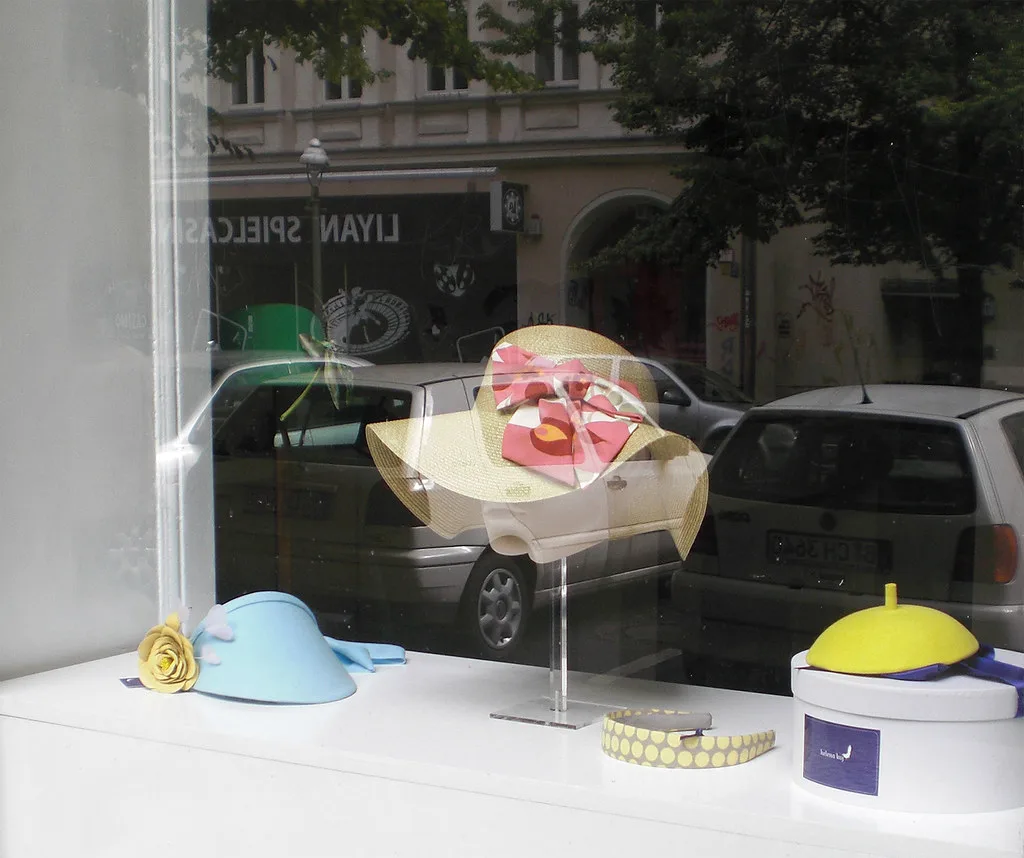
There are far fewer felt mills than there are hat brands. A large share of the world's fur felt hat bodies come from a small number of factories in the Czech Republic, Portugal, Italy and the United States, and are then blocked and finished under many different names. What you are buying from a brand is the felt grade, the blocking and the finishing — not usually a wholly separate supply chain.
The top tier
- Borsalino (Italy, 1857) — the reference point for fur felt fedoras. Long-shaved finishes, very light bodies.
- Lock & Co. Hatters (London, 1676) — bowlers and homburgs, bespoke blocking, conformateur fitting.
- Optimo (Chicago) — hand-blocked American fur felt, made to order.
- Panizza and Cervo (Italy) — comparable felt, lower profile, better value.
Expect to pay several times what a good wool hat costs, and to get one that can be cleaned, reblocked and rebanded for decades.
The middle, where most people should buy
- Stetson (US/Germany) — the western name, though the European line covers fedoras and trilbies. Wool felt at the accessible end of the range, fur felt at roughly three times that.
- Akubra (Australia) — rabbit fur felt made in Kempsey since 1912. The Campdraft, Cattleman and Territory are the workhorses.
- Bailey of Hollywood — good fur-blend fedoras in the middle of the range.
- Christys' London — wool and fur felt, strong on classic British shapes.
- Barbisio, Failsworth, Tesi — solid mid-market European makers.
Buying in Australia
Australia is the one market where the local product is also the best value: Akubra fur felt is made domestically, and Australian hat shops carry it alongside imported Stetson and Borsalino at import-loaded prices. Practical notes:
- Akubra sizes run in Australian/UK sizing — 57 cm is a 7.
- The factory reconditions its own hats, which is worth more over ten years than any discount.
- For sun rather than style, look at brim width first: 7.5 cm and up is the practical minimum, and cattle-country shapes go to 10 cm.
- Torb & Reiner in Melbourne supplies blanks, blocks and millinery tools for anyone making rather than buying.
Buying on Amazon
Genuine Stetson, Bailey and Christys' hats are sold there, mixed in with a very large number of unbranded imports. Filters that work:
- Material line must say 100% wool, or state fur felt. "Wool blend" and "felt" on their own mean polyester content.
- Brim width in centimetres must be listed. Sellers who omit it are usually selling a 4 cm brim photographed to look like 7.
- Weight, if listed. A real wool felt fedora is 120–180 g. A 60 g hat is a costume.
- Single-size listings — "one size fits all" means an elastic band and no sweatband.
- At the very cheapest listings, assume stiffened polyester regardless of the description.
The burn test in how to tell if a felt hat is wool settles the question in thirty seconds once the hat arrives.
Buying blanks wholesale
If you are blocking your own, you are buying hat bodies rather than hats, and the supplier list is short:
- UK — Baxter Hart & Abraham, Parkin Fabrics, MacCulloch & Wallis for trims.
- US — Hatco and Winchester bodies through millinery wholesalers; Judith M for small quantities.
- Europe — Tonak (Czech Republic) and Fepsa (Portugal) are the mills most bodies come from.
- Australia — Torb & Reiner.
Minimums are usually a dozen bodies, and prices fall sharply past that. Wool capelines are inexpensive in quantity; fur felt bodies start at roughly three to four times the price. What the grades and shapes mean is covered in felt hat blanks.
What you actually get for the money
- Budget — wool felt of unknown density, glued sweatband, brim that softens in a season.
- A step up, and the sensible first hat — decent 100% wool felt, stitched grosgrain band, a proper sweatband. Roughly twice the budget tier.
- Entry fur felt — or heavy wool. Holds a crease, sheds light rain. Twice again.
- Good fur felt — hand-finished and reblockable, at something like twice the entry tier. Akubra sits here and punches above it.
- Fine fur felt — bespoke or made-to-order blocking, and effectively open-ended above that.
Shape and fit matter more than the label at every one of those steps — start with felt hats for men for sizing, and felt hat colours for the shade.
Frequently asked questions
Which felt hat brands are actually worth the money?
At the top, Borsalino, Optimo and Lock & Co. block their own fur felt to order. In the middle, Stetson, Akubra, Bailey and Christys' give reliable fur or wool felt at a fraction of the price. At the budget end you are buying wool felt of variable density from unbranded factories.
Is Akubra worth it?
For an Australian buyer, yes — it is rabbit fur felt made in Kempsey, NSW, built for weather and repairable by the factory. It sells for fur felt at close to wool felt money by international standards, which is why it has the following it does.
Are felt hats on Amazon any good?
The genuine brands sell there, but so do thousands of unbranded wool hats. Check the stated material for "100% wool" rather than "wool blend", look for a listed brim measurement in centimetres, and treat the cheapest listings as costume hats.
Where can I buy felt hat blanks wholesale?
Millinery suppliers sell cones and capelines by the box — in the UK, Baxter Hart & Abraham and Parkin Fabrics; in the US, Hatco and Winchester bodies through millinery wholesalers; in Australia, Torb & Reiner. Most set a minimum order of a dozen bodies.