Felted Slippers
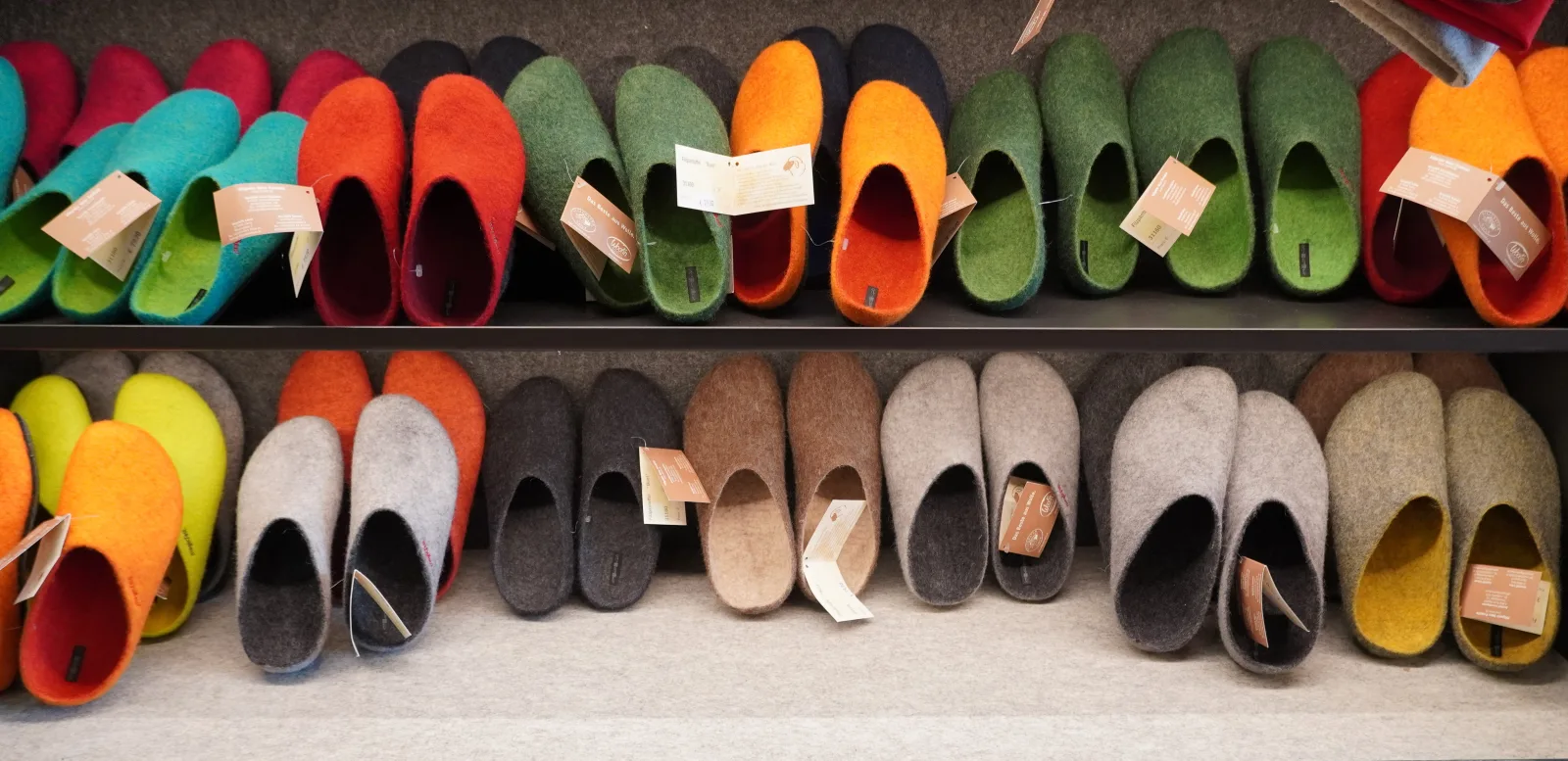
Felted slippers are made four different ways — knitted, crocheted, wet felted over a resist, or cut from an old jumper. Which one you should use depends on which craft you already have in your hands.
10 min read Intermediate
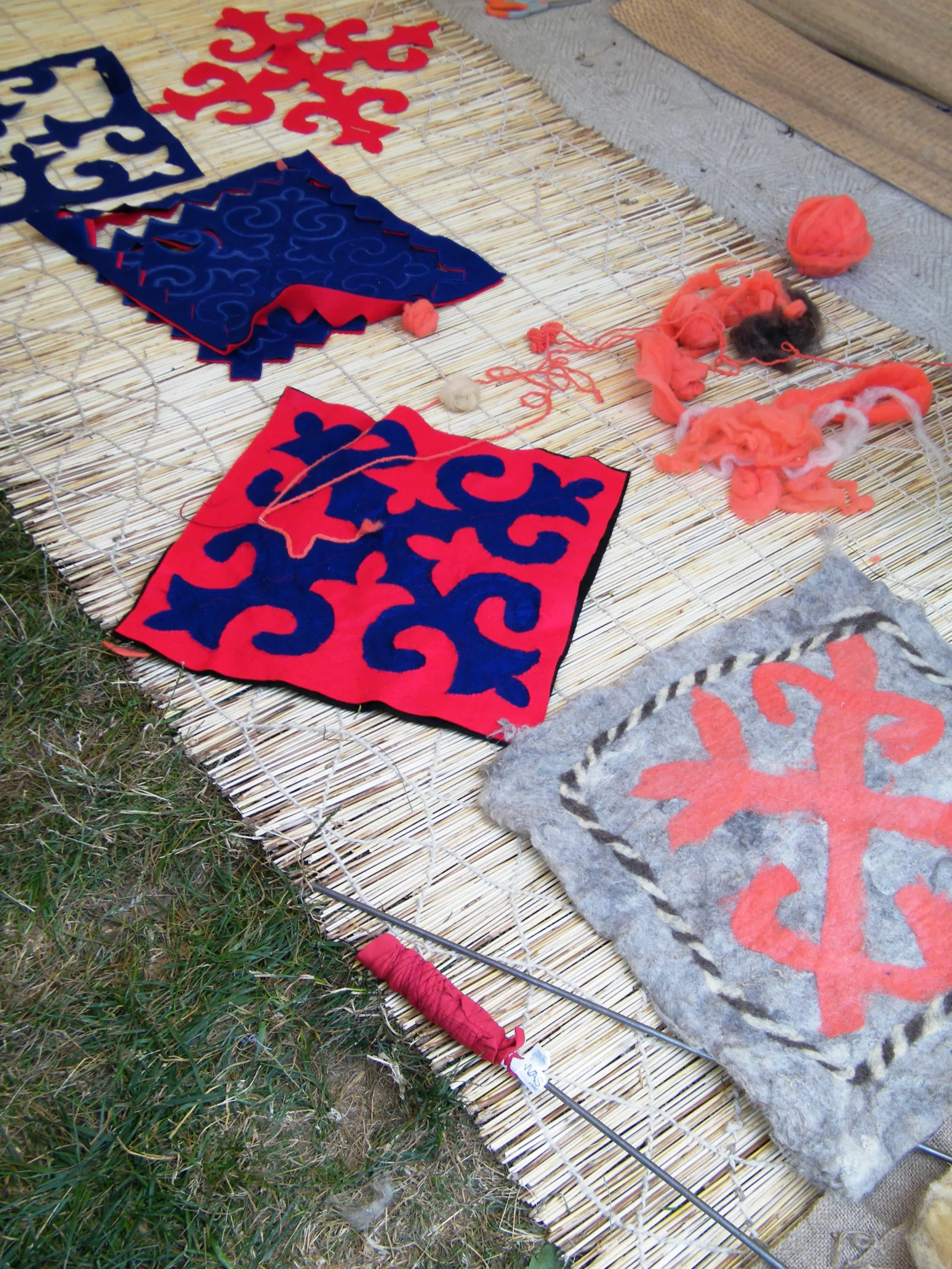
Felted slippers are made four different ways — knitted, crocheted, wet felted over a resist, or cut from an old jumper. Which one you should use depends on which craft you already have in your hands.
10 min read Intermediate
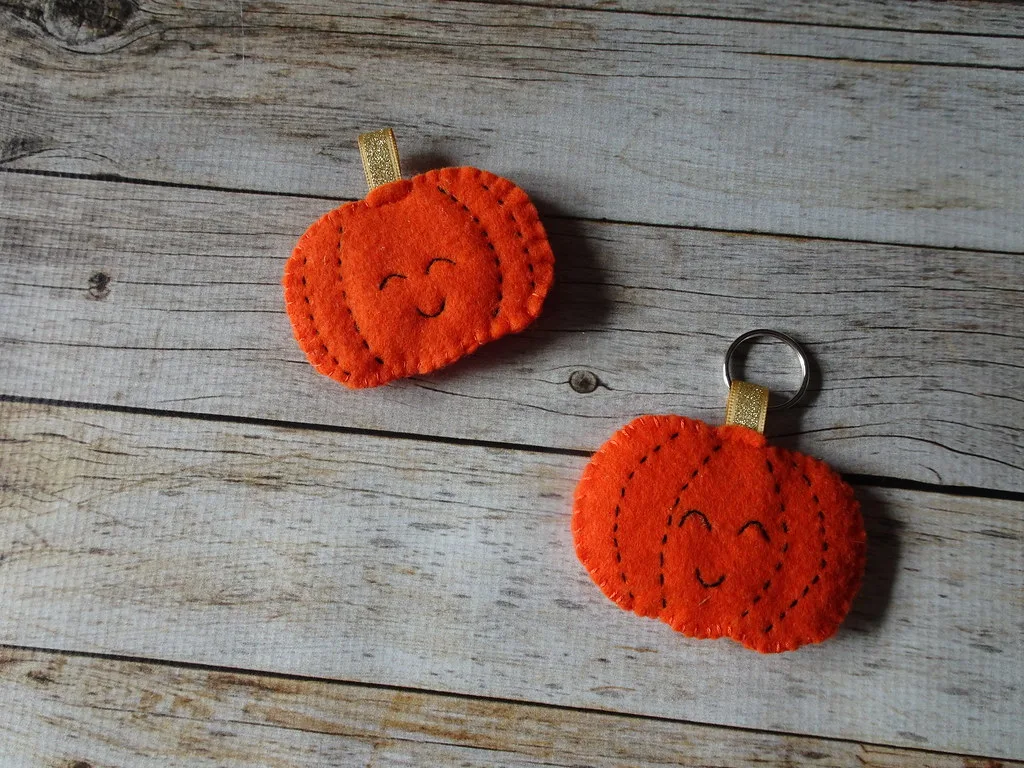
A wet felted rug is one enormous flat piece of felt. The making is simple; the thickness, the fulling and the floor it goes on are what decide whether it lasts.
4 min read Advanced
The ribs are everything. Whether you needle felt or wet felt one, a pumpkin without deep segments is just an orange ball — and the fix is a length of thread.
4 min read Beginner
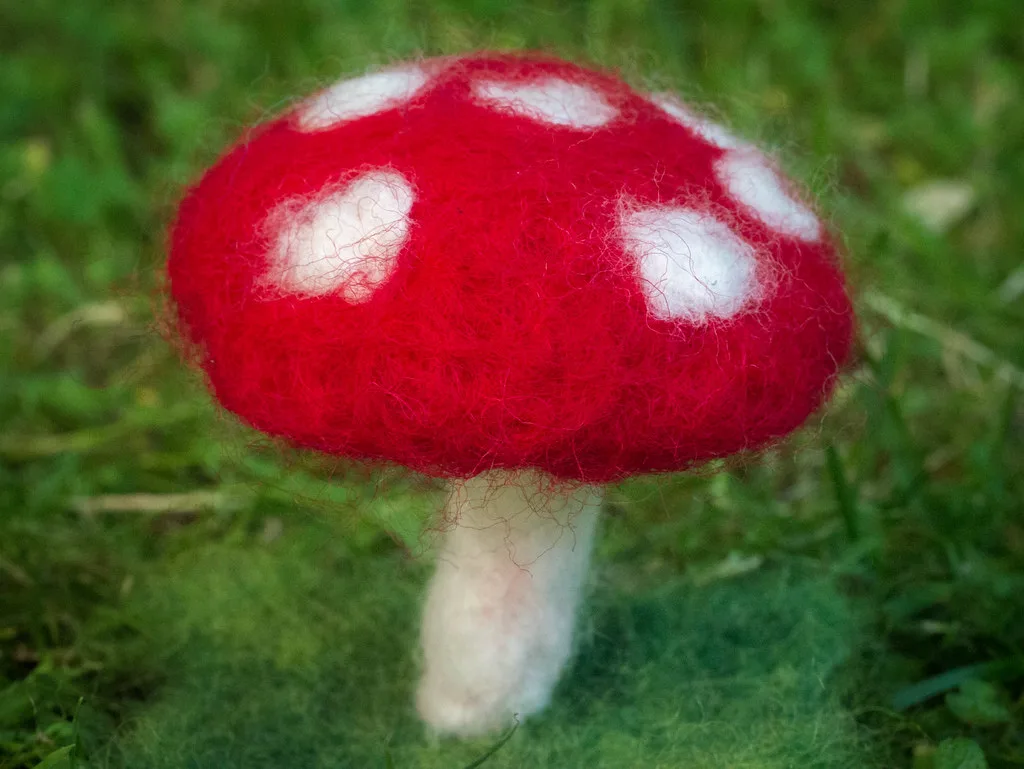
Two shapes, one join, and the gills underneath that make the difference between a mushroom and a red ball on a stick.
8 min read Beginner
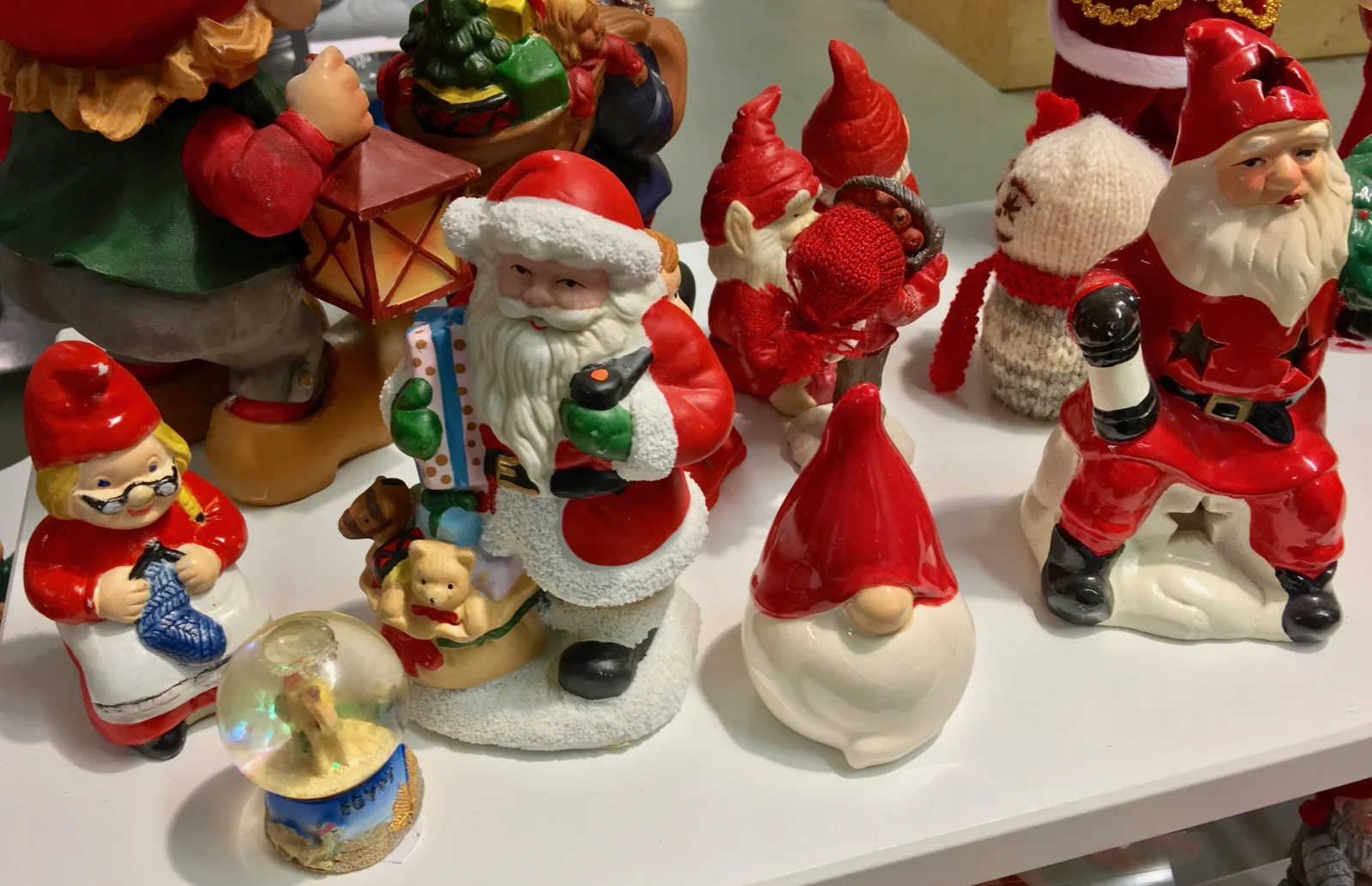
A gnome is a cone under a hat. Get the hat proportion right and it works; get it wrong and nothing else saves it. Includes a drawable flat pattern with real measurements.
9 min read Beginner
A tree full of wool baubles that survive being dropped by children and cats. Three methods, what each one actually weighs, and how to hang them so the loop holds.
4 min read Beginner
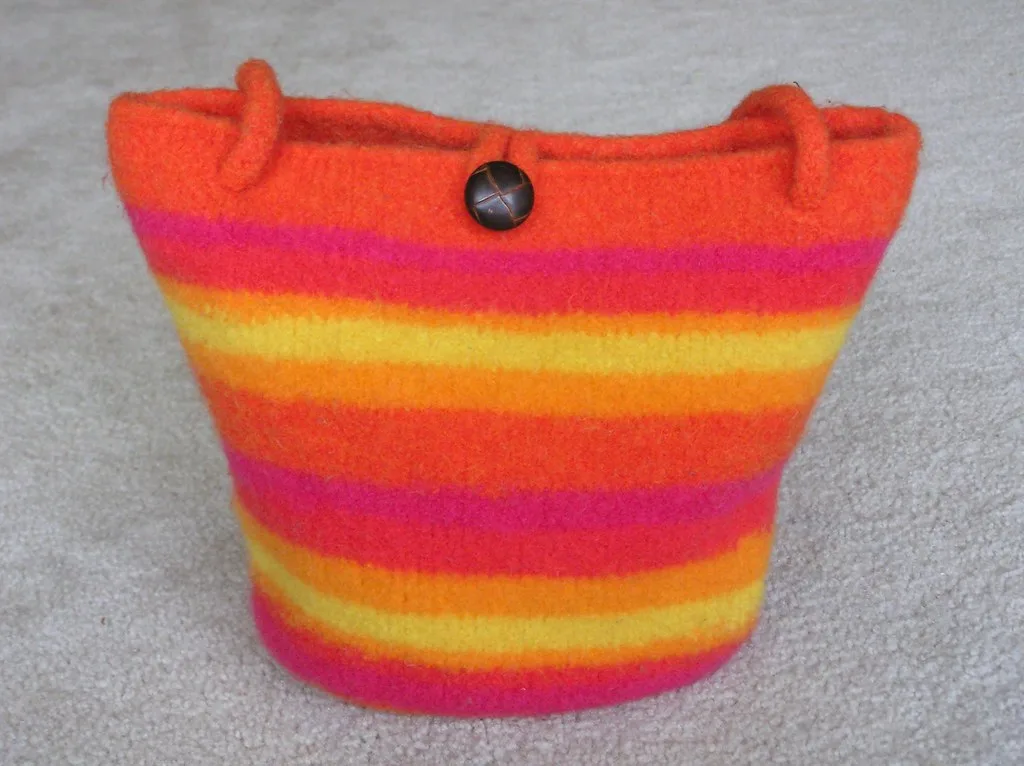
A simple felted bag pattern with the arithmetic explained, so you can size it to any yarn instead of hoping somebody else's gauge matches yours.
5 min read Intermediate
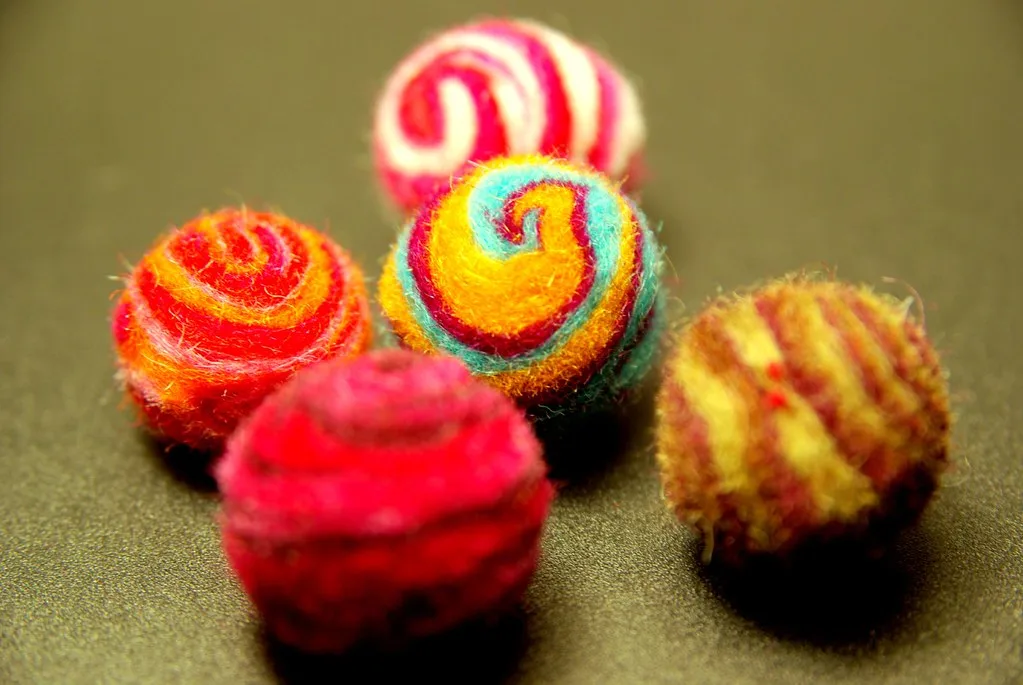
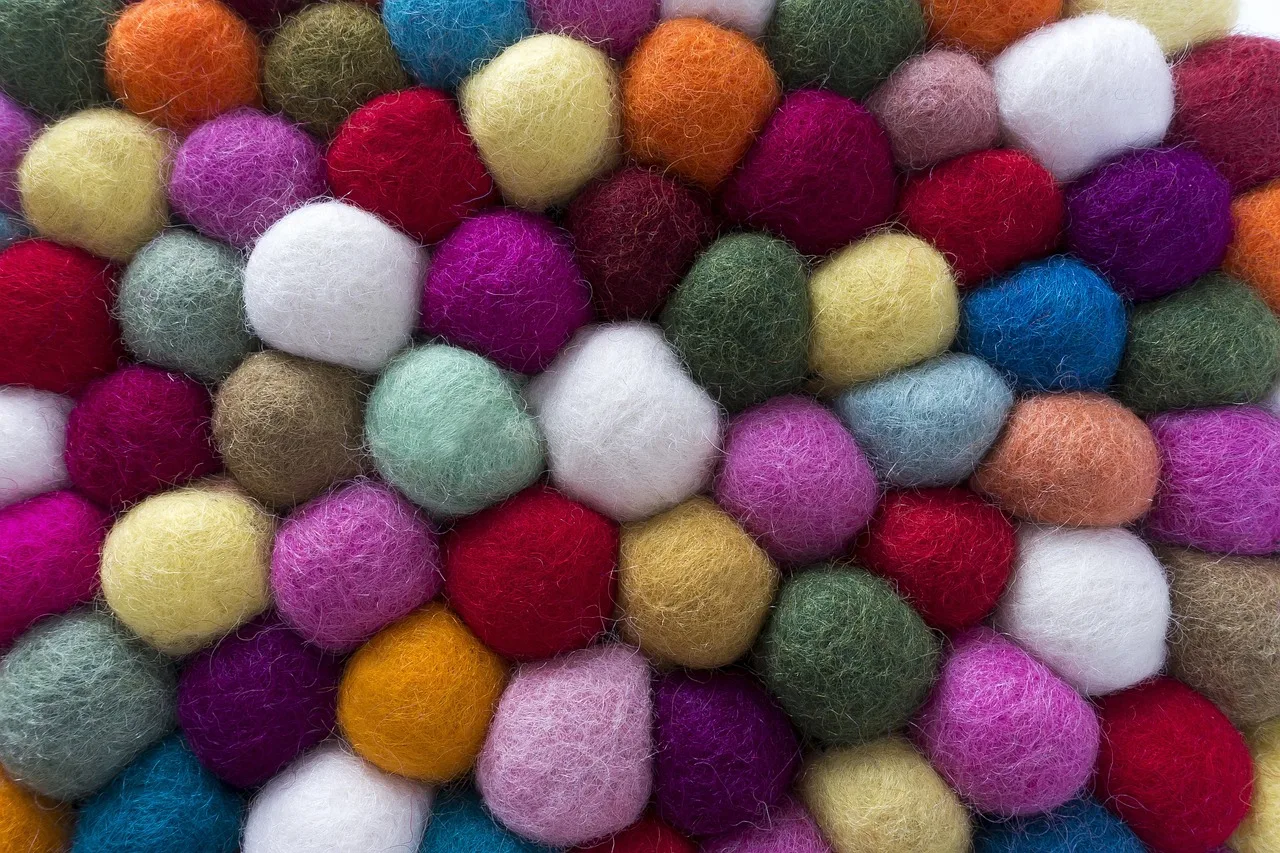
Several hundred felt balls, a strong thread and a long evening. How many balls a rug actually needs, how to string them, and how to stop it curling.
4 min read Intermediate
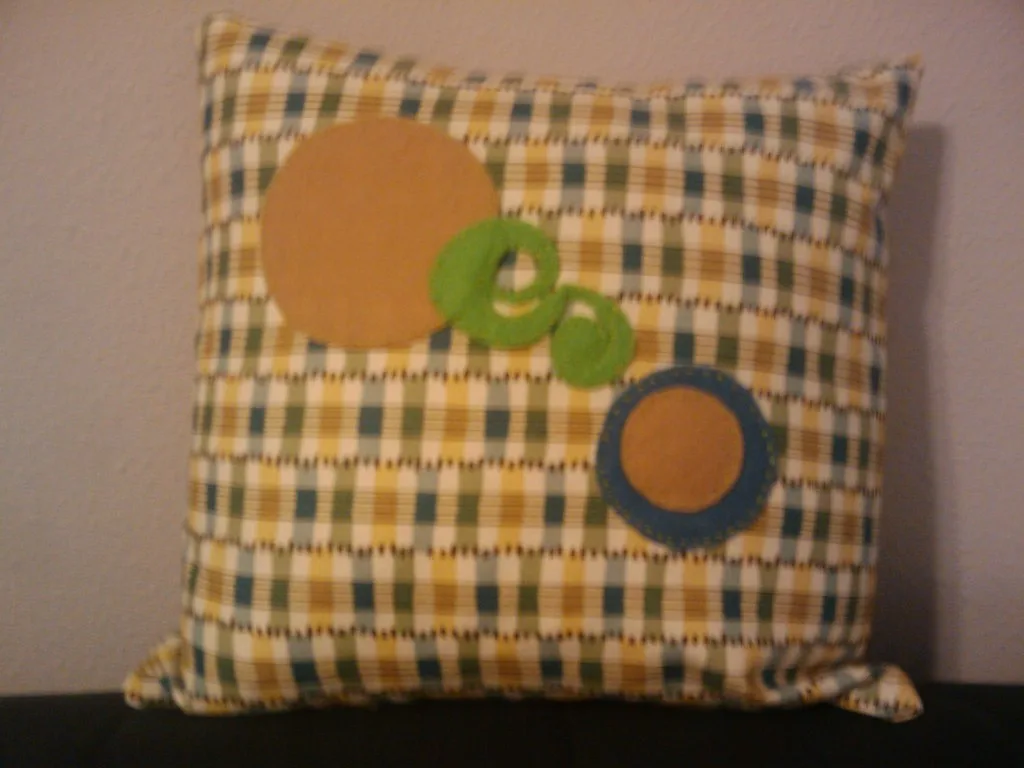
Felt is the ideal appliqué material because it has no fraying edge. Which felt to use, how to hold shapes down while you stitch, and the four edge stitches worth knowing.
4 min read Beginner
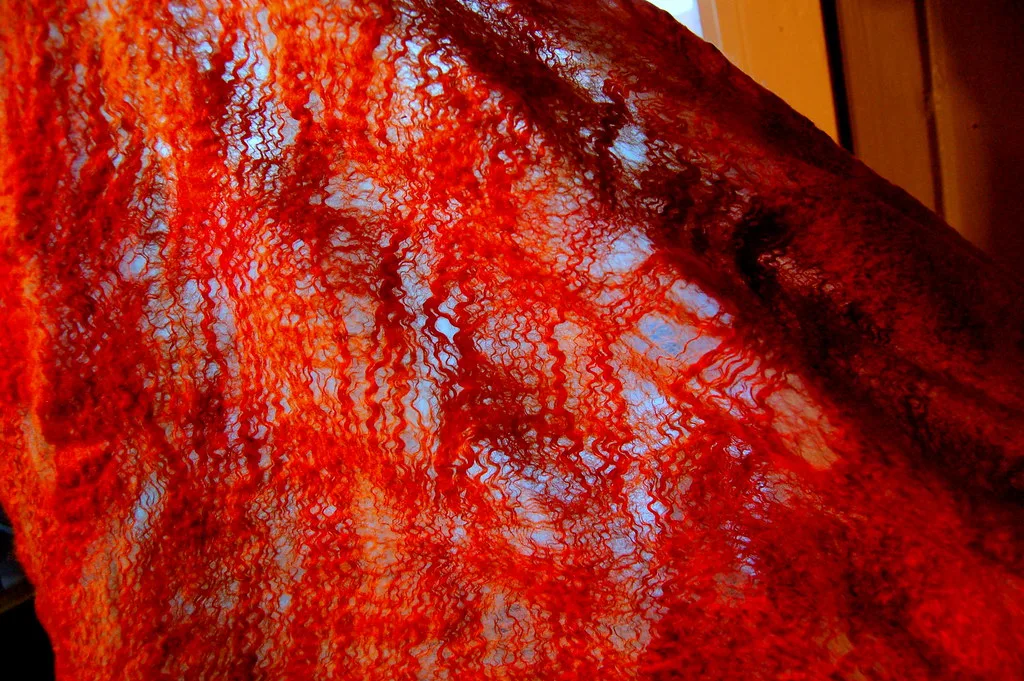
Cobweb felt is wool laid so thinly it has holes in it on purpose — lace-light, full of gaps, and the most forgiving advanced technique in wet felting.
4 min read Intermediate
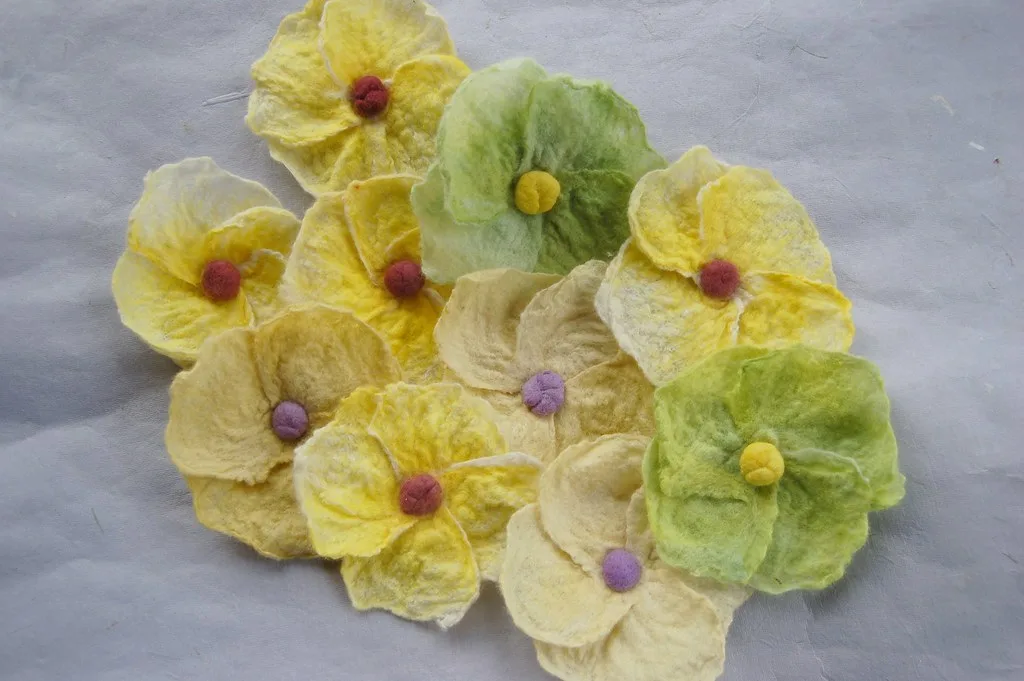
Petals, centres, leaves and stems. The flat-shape technique that makes botanical work fast, and why irregularity is an advantage here.
6 min read Beginner
Nineteen animals on this site and about five shapes between them. The construction method that builds all of them, and the order to make them in so each one teaches the next.
10 min read Beginner
Sculpt wool into animals, figures and decorations with barbed needles. Start with the basics, then work up to armatures, faces and fine detail.
Warm water, soap and friction turn loose fibre into solid fabric. Learn layouts, shrinkage and resists for scarves, soaps, vessels and flat felt.
Felt merino through open-weave fabric to create light, drapey textiles. Fabric choice, fibre weight and migration, explained clearly.
Printable templates, measurements and shaping guides you can follow exactly, or adapt once you know what the shapes are doing.
The core techniques, one skill at a time — each written as a sequence you can follow at the table with wool in your hands.
Which needles, wool and mats are actually worth buying — what the gauges mean, what to skip, and what a starter kit really needs.
Fixes for the things that go wrong: fuzzy surfaces, broken needles, wool that will not felt, and shapes that refuse to hold.
The knitting side of working with wool — leaf patterns, casting on, needle sizes and knitting faster — including the pieces that go on to be felted.
Why leaves fall when they do, what a cobweb actually is, and the seasonal makes that follow from both.
What to do with the pumpkin once it is carved — cooking from fresh, including the parts most people throw away.