Wet Felting
Wet Felting for Beginners
Warm water, soap and friction turn loose fibre into cloth. Learn the layout, the rubbing, the fulling and the point where most beginners stop too early.
4 min read Beginner
Warm water, soap and friction turn loose fibre into cloth. Learn the layout, the rubbing, the fulling and the point where most beginners stop too early.
4 min read Beginner
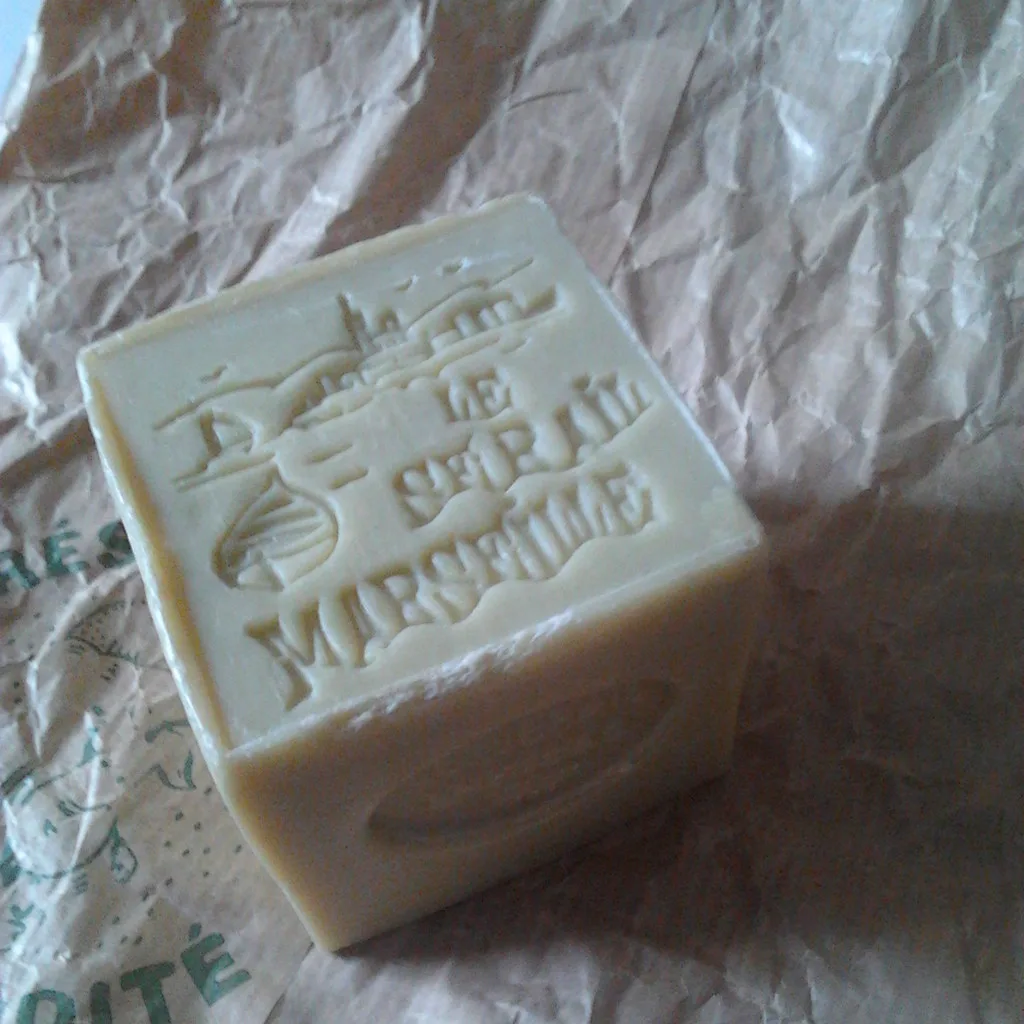
Wrap a bar of soap in wool and felt it with your hands. The fastest way to understand wet felting, and the wool becomes a built-in washcloth that never slips.
4 min read Beginner
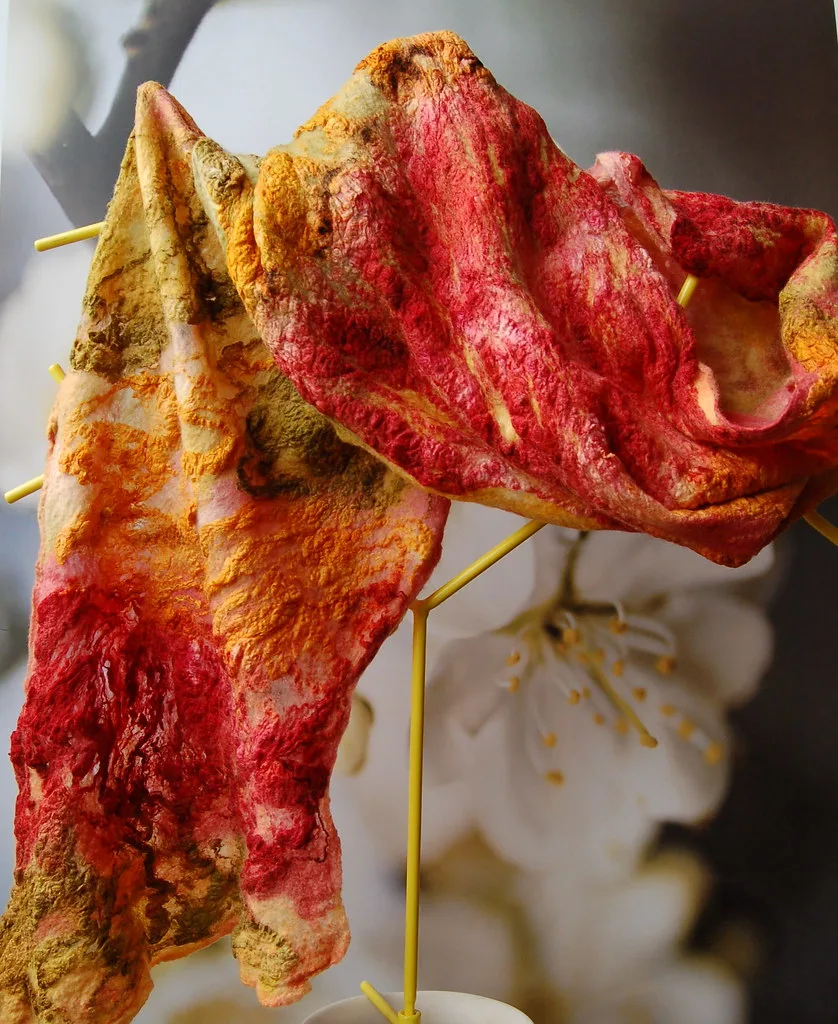
A first wearable piece. How thin to lay the wool, how much length to add for shrinkage, and why a scarf needs less felting than you would think.
4 min read Intermediate
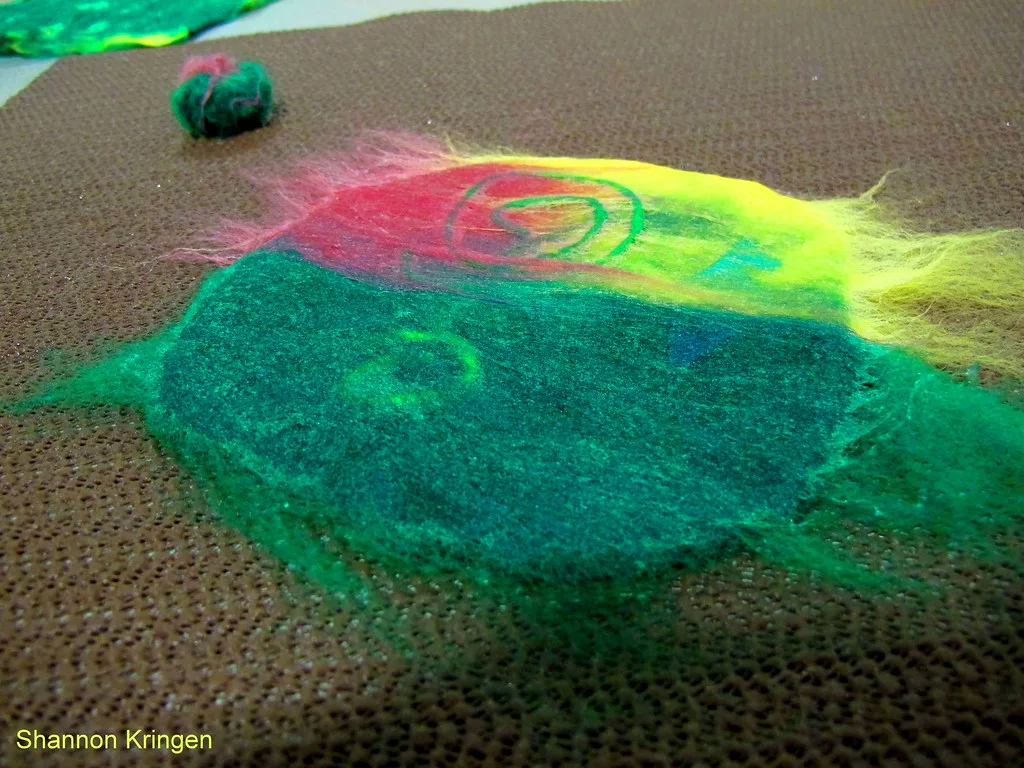
The wet felting method for wool balls: fast, repeatable and much better than needle felting when you need a garland's worth rather than one.
4 min read Beginner
Sculpt wool into animals, figures and decorations with barbed needles. Start with the basics, then work up to armatures, faces and fine detail.
Felt merino through open-weave fabric to create light, drapey textiles. Fabric choice, fibre weight and migration, explained clearly.
Complete makes with photos at every stage — animals, flowers, ornaments and home decorations, sorted by how much experience they need.
Printable templates, measurements and shaping guides you can follow exactly, or adapt once you know what the shapes are doing.
The core techniques, one skill at a time — each written as a sequence you can follow at the table with wool in your hands.
Which needles, wool and mats are actually worth buying — what the gauges mean, what to skip, and what a starter kit really needs.
Fixes for the things that go wrong: fuzzy surfaces, broken needles, wool that will not felt, and shapes that refuse to hold.
The knitting side of working with wool — leaf patterns, casting on, needle sizes and knitting faster — including the pieces that go on to be felted.
Why leaves fall when they do, what a cobweb actually is, and the seasonal makes that follow from both.
What to do with the pumpkin once it is carved — cooking from fresh, including the parts most people throw away.