Supplies & Tools
Felt Hat Blanks
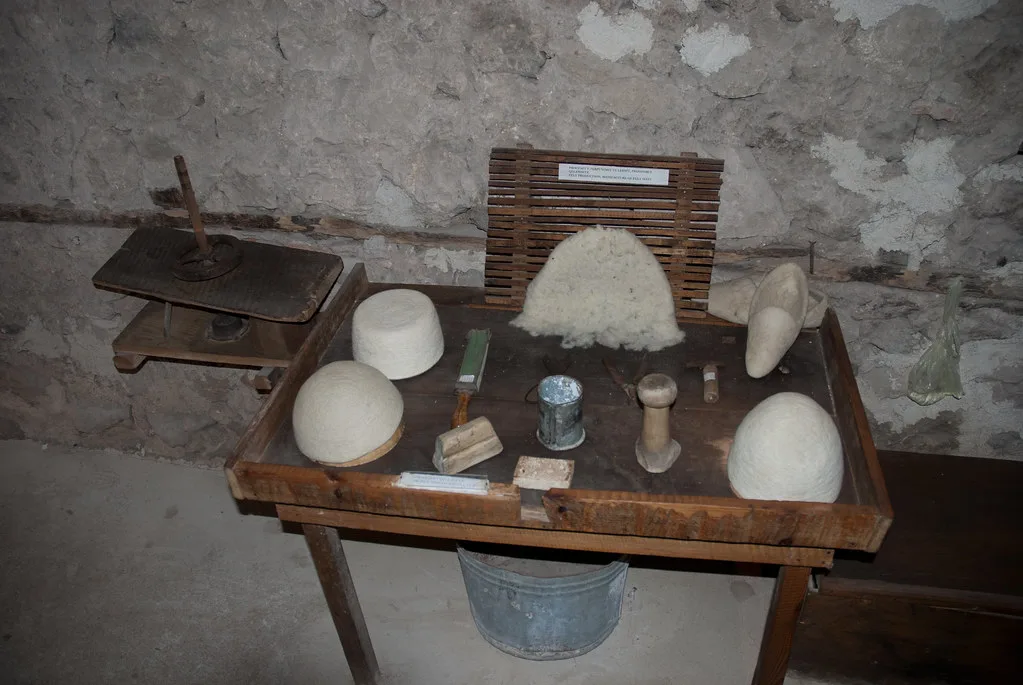
A hat blank is felt already shaped into a rough cone or capeline, waiting to be blocked. Which shape to buy, what the grades mean, and what it costs to start.
4 min read Advanced
A hat blank is felt already shaped into a rough cone or capeline, waiting to be blocked. Which shape to buy, what the grades mean, and what it costs to start.
4 min read Advanced
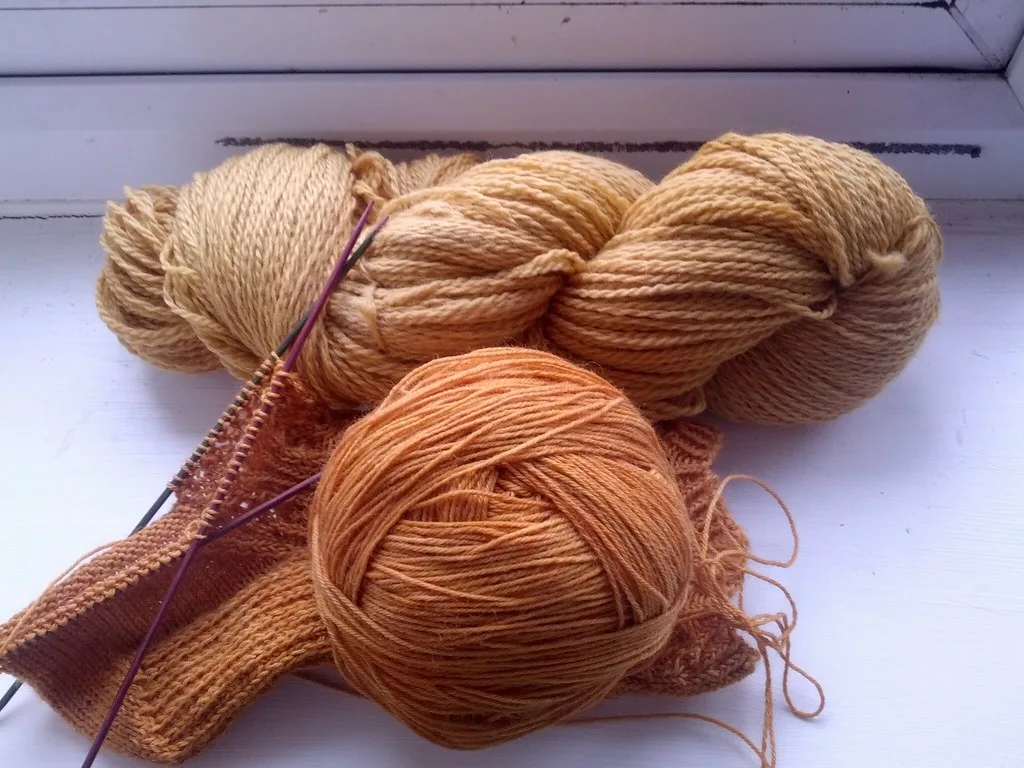
Onion skins give strong golds, ambers and rusts from something you throw away, and unusually among natural dyes they work without a mordant.
4 min read Intermediate
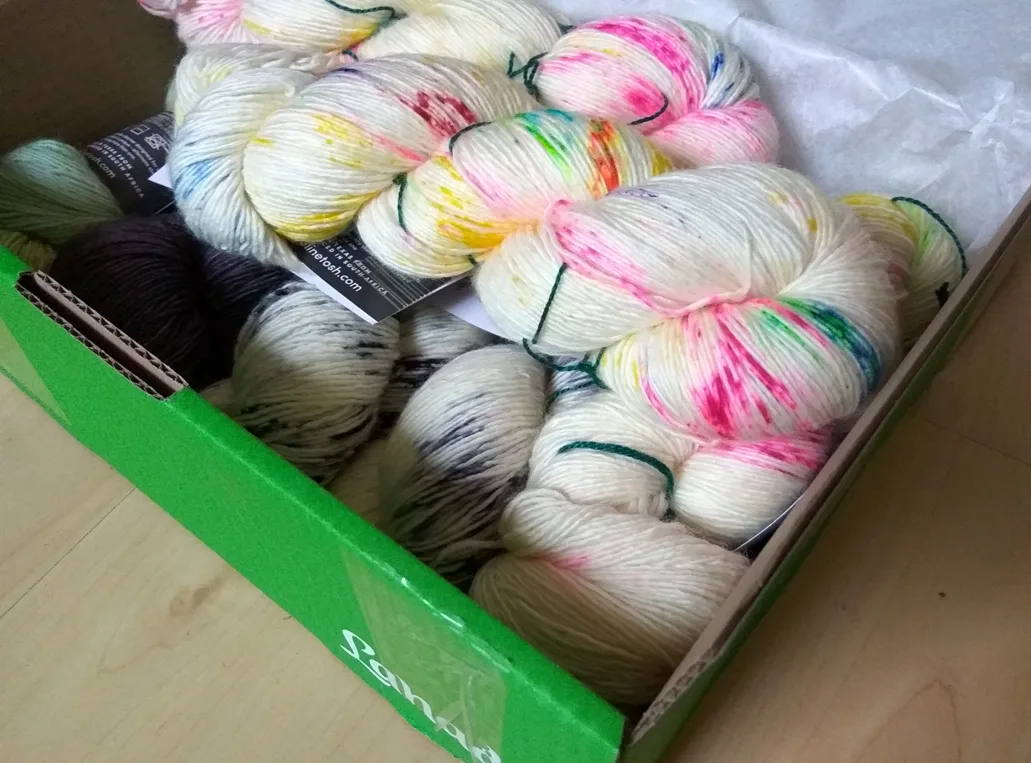
Food colouring is an acid dye in everything but name. With vinegar and gentle heat it bonds permanently to wool, using pans you can still cook in afterwards.
4 min read Beginner
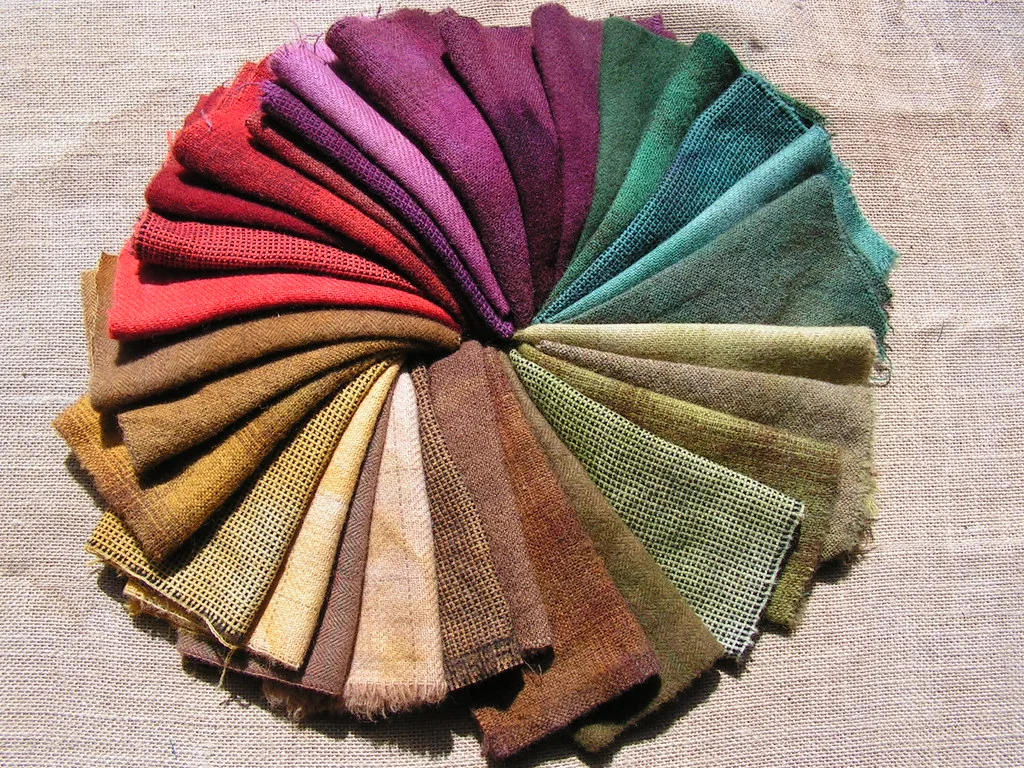
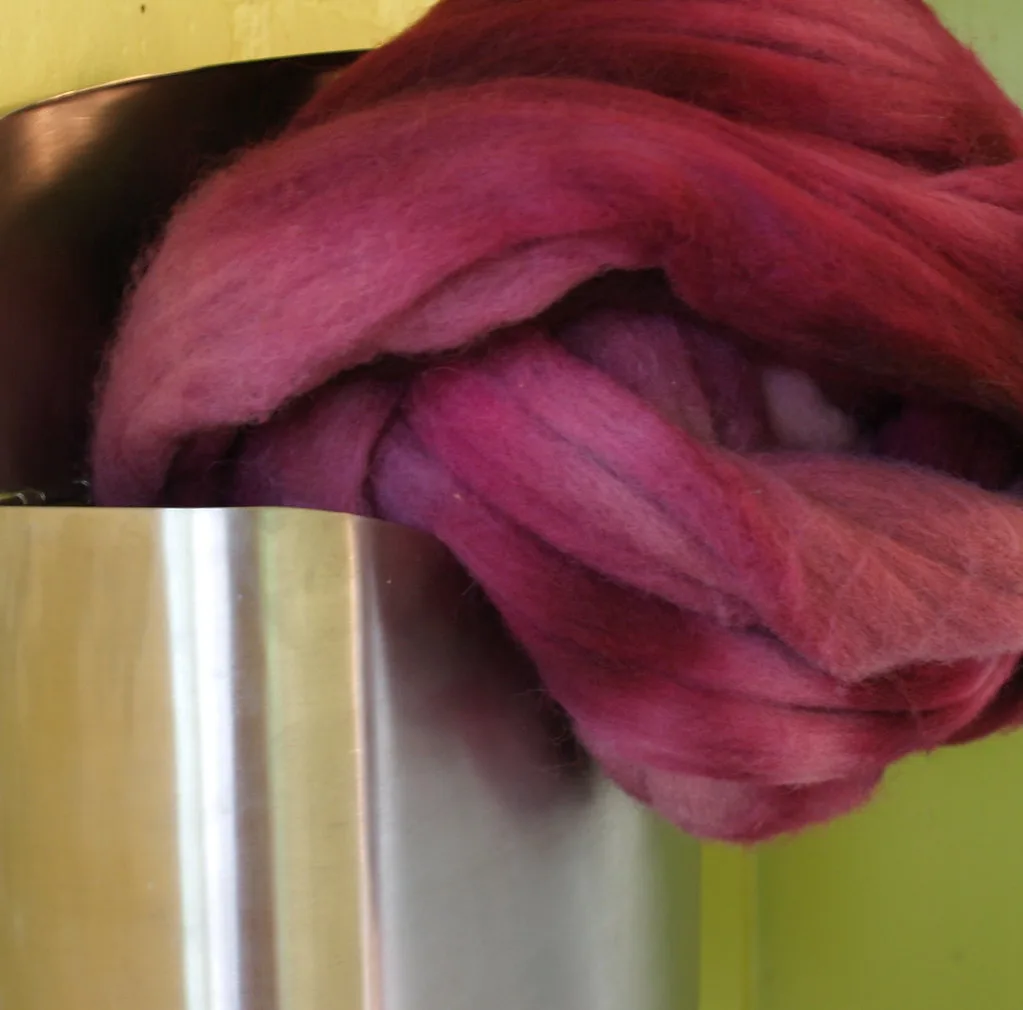
Dyeing your own fibre is cheaper than buying it dyed, gives colours nobody sells, and is easy to do badly — the one thing that ruins roving is agitation.
4 min read Intermediate
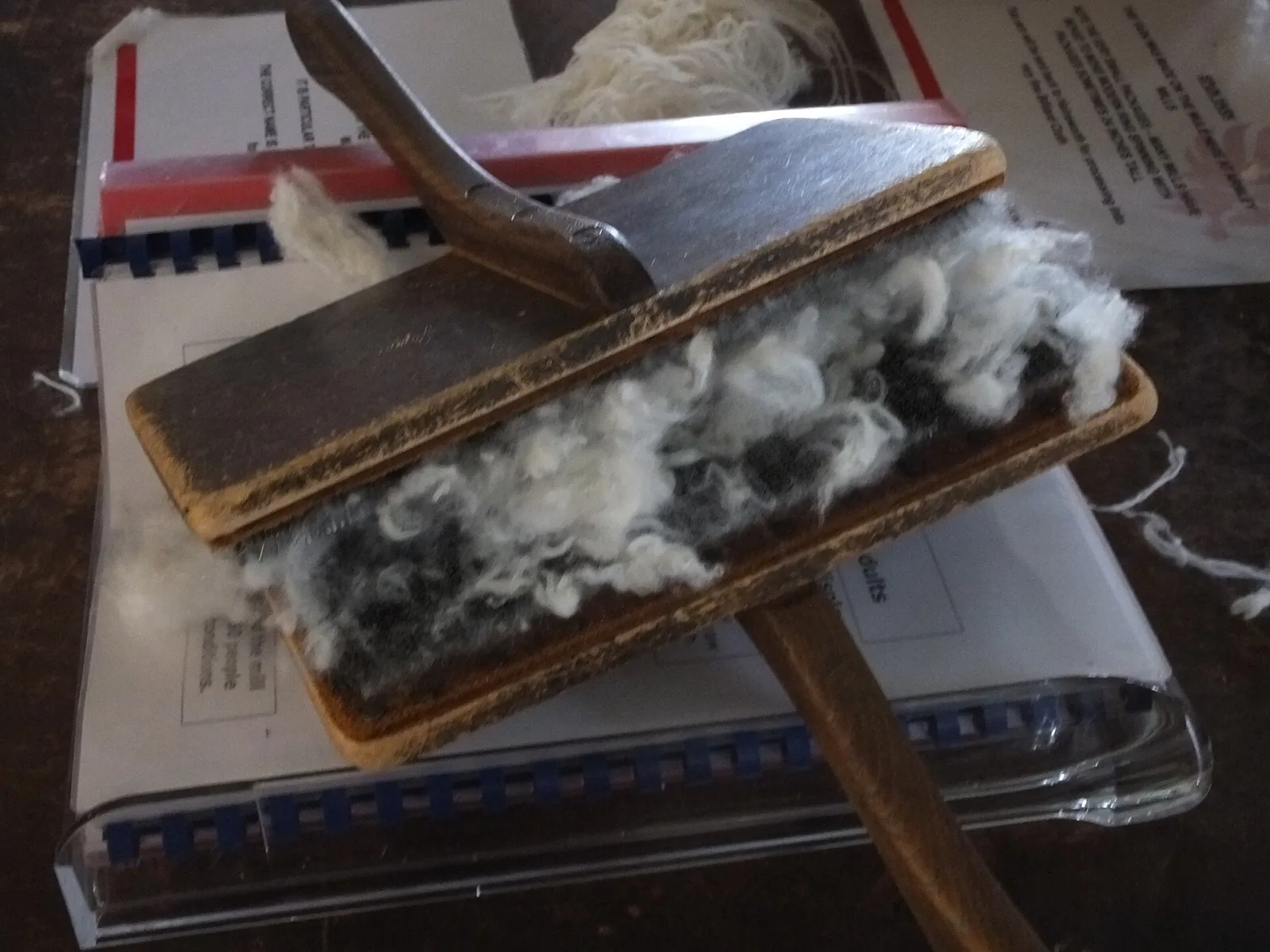
How to card wool with hand carders, what a good batt looks like, and why felters get more out of carding than spinners do — custom colour blends, mostly.
6 min read Intermediate
Alpaca has fewer scales than sheep wool, so it felts more slowly and drapes far better. Where that trade-off helps, and where you should blend it with wool instead.
4 min read Intermediate
Needles almost never break because they were cheap. Four habits account for nearly every snapped needle, and all four are easy to unlearn.
4 min read
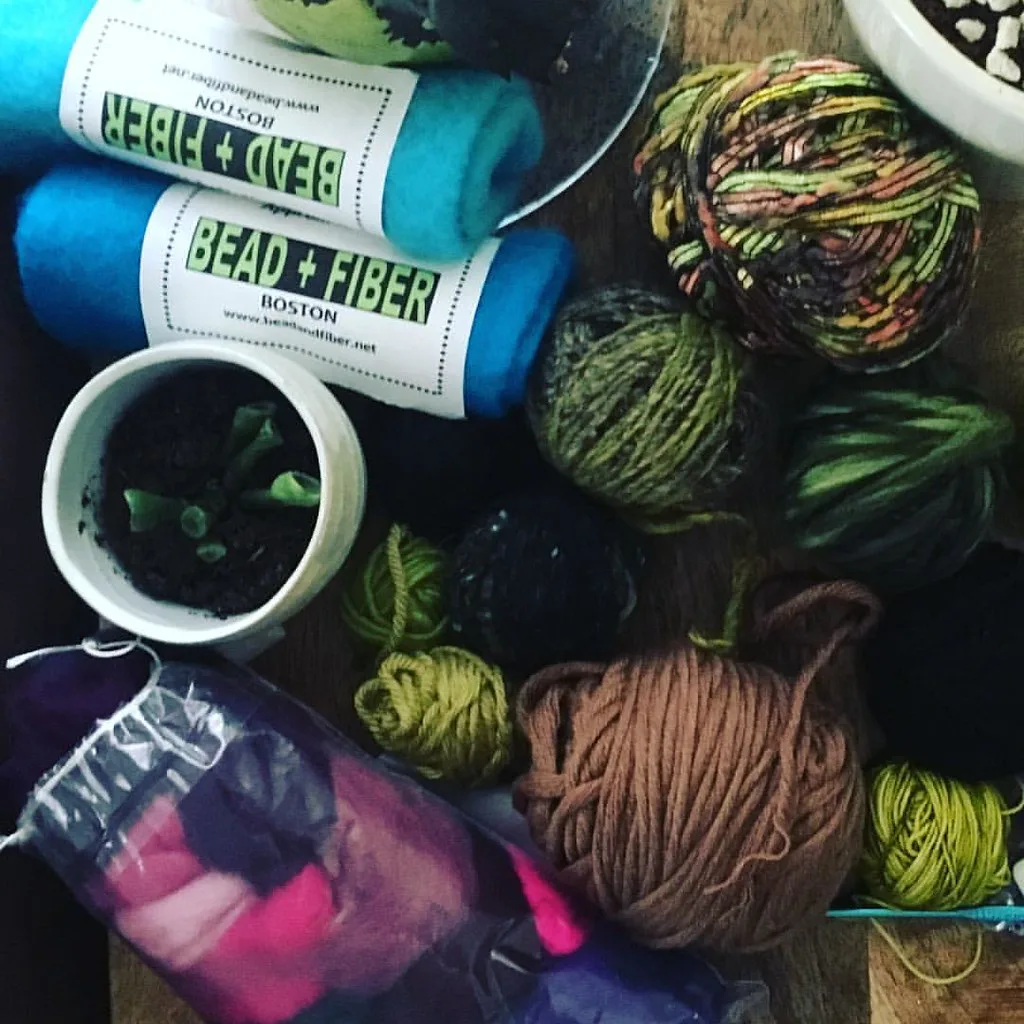
A starter kit that costs less than a takeaway, what to add once you know you like it, and the equipment that mostly sits in a drawer.
4 min read
A gauge chart from 32 to 46, what each felting needle size is for, how triangle, star and reverse needles differ, and the smallest set that covers everything a beginner makes.
8 min read
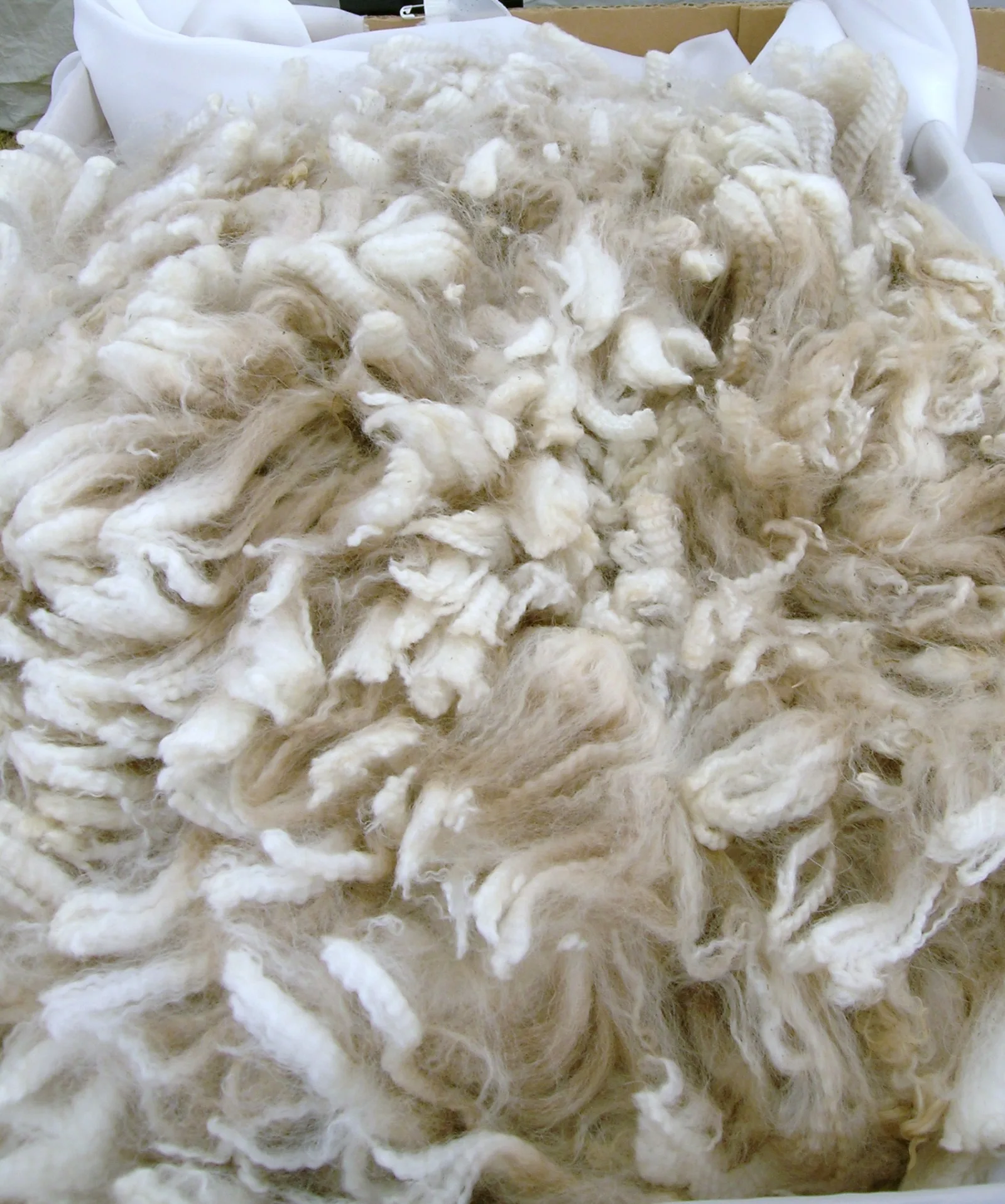
Merino, corriedale, core wool, batts and tops explained — which fibre felts fastest, which gives the best surface, and which will never felt at all.
4 min read
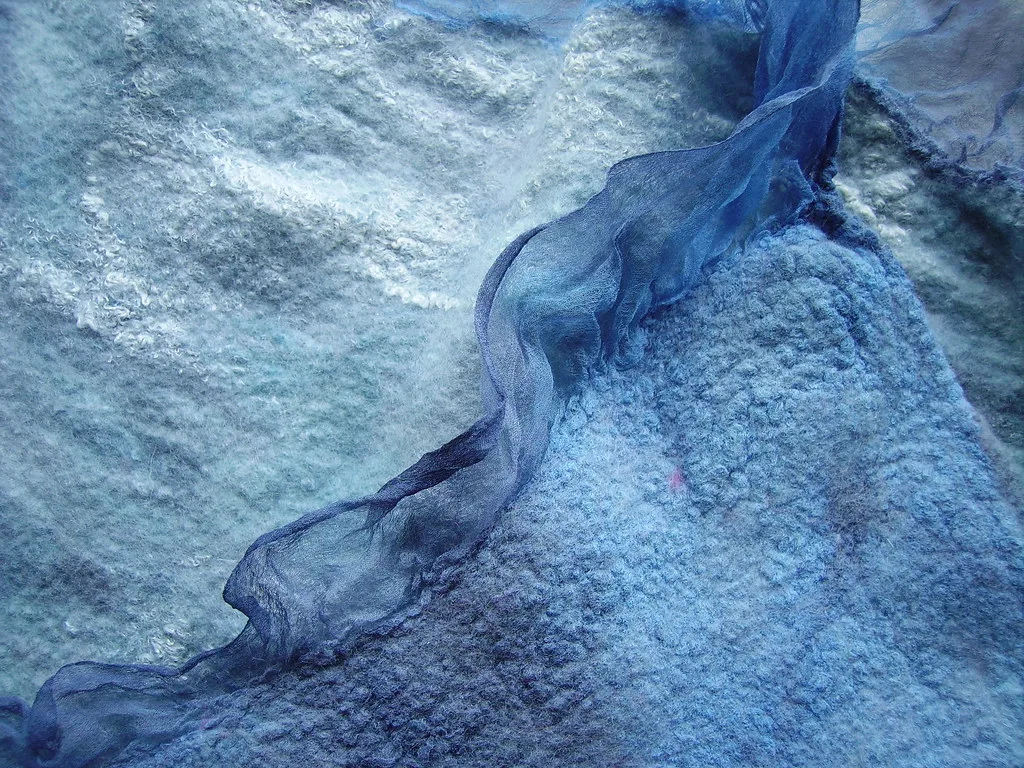
Silk gauze, chiffon, muslin, scrim — how to judge whether a fabric will let wool through before you commit a project to it.
4 min read Intermediate
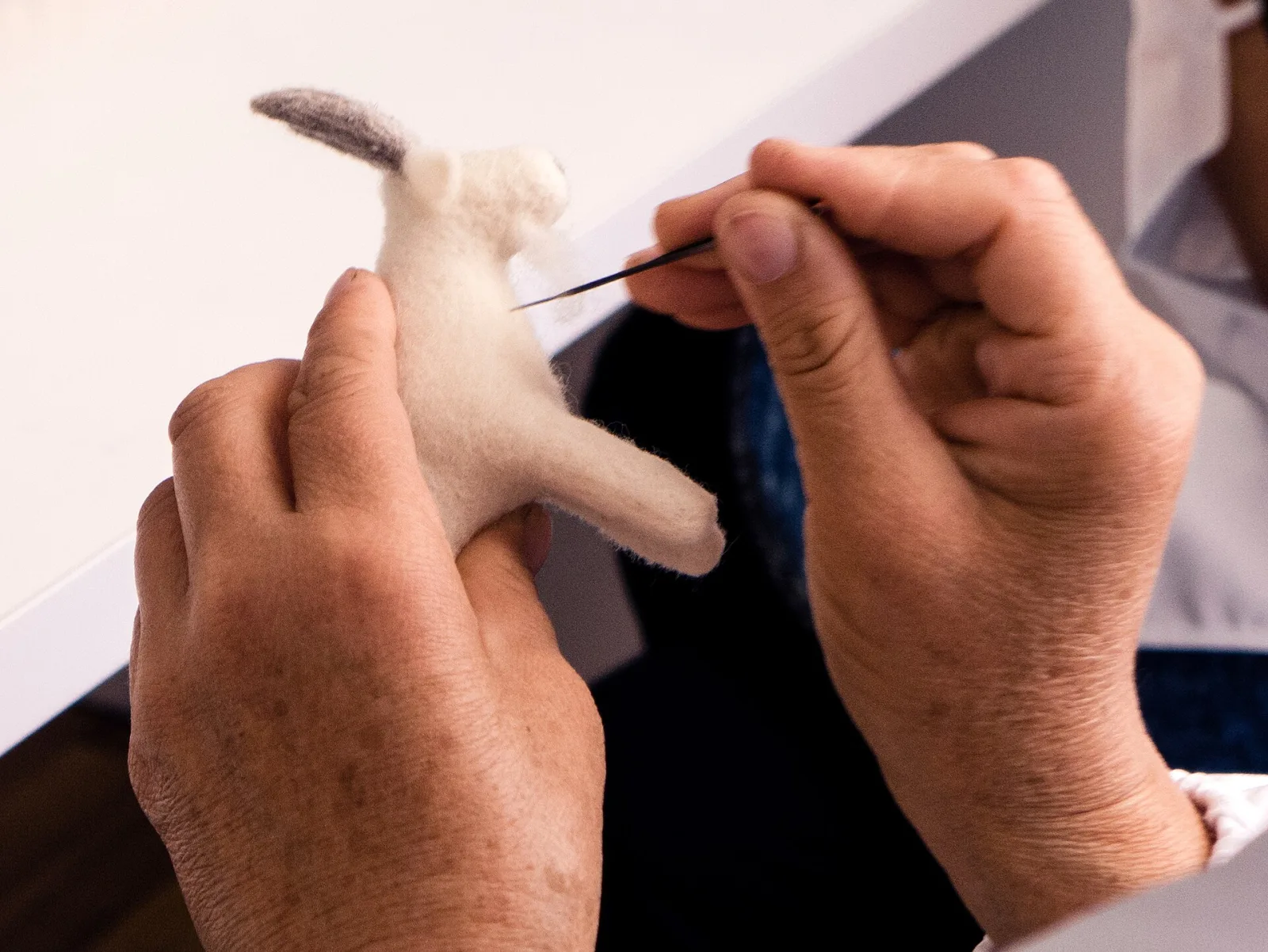
Sculpt wool into animals, figures and decorations with barbed needles. Start with the basics, then work up to armatures, faces and fine detail.
Warm water, soap and friction turn loose fibre into solid fabric. Learn layouts, shrinkage and resists for scarves, soaps, vessels and flat felt.
Felt merino through open-weave fabric to create light, drapey textiles. Fabric choice, fibre weight and migration, explained clearly.
Complete makes with photos at every stage — animals, flowers, ornaments and home decorations, sorted by how much experience they need.
Printable templates, measurements and shaping guides you can follow exactly, or adapt once you know what the shapes are doing.
The core techniques, one skill at a time — each written as a sequence you can follow at the table with wool in your hands.
Fixes for the things that go wrong: fuzzy surfaces, broken needles, wool that will not felt, and shapes that refuse to hold.
The knitting side of working with wool — leaf patterns, casting on, needle sizes and knitting faster — including the pieces that go on to be felted.
Why leaves fall when they do, what a cobweb actually is, and the seasonal makes that follow from both.
What to do with the pumpkin once it is carved — cooking from fresh, including the parts most people throw away.