Merino Wool for Felting: When to Use It and When Not To
4 min read Beginner
We may earn a commission from links on this page, at no extra cost to you. As an Amazon Associate I earn from qualifying purchases. Learn more.
Merino is the fibre most felting shops sell most of, and it is the wrong choice for about half the projects people buy it for. Here is the split.
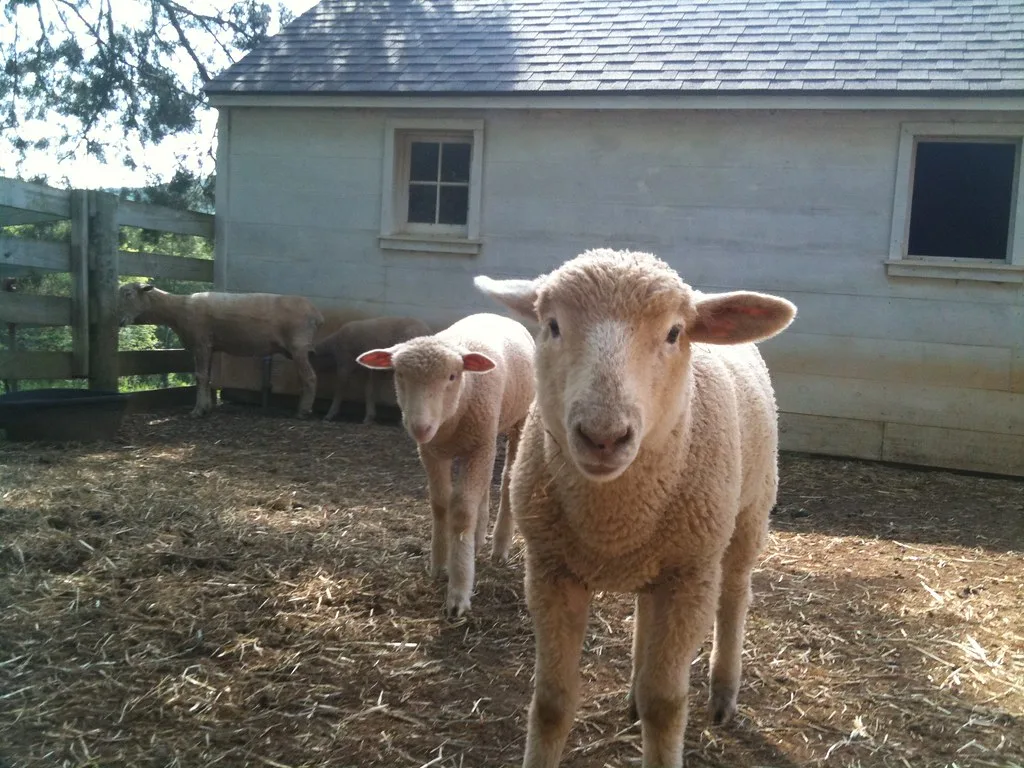
Walk into any fibre shop and the wall of colour in front of you is merino. It dyes beautifully, it feels wonderful, and it is what almost everyone buys first. It is also the reason a lot of beginners conclude that needle felting is harder than it is.
Merino is excellent at some felting and mediocre at the rest. Knowing which is which saves both money and an afternoon of stabbing.
What makes merino different
Merino fibre is fine — typically 19 to 23 micron, against roughly 30 for Corriedale and 35 or more for a coarse crossbred. Fine fibre means more individual fibres per gram, more scales in contact, and a softer result.
That fineness cuts both ways. In water, with soap and friction, all those scales grip each other and merino felts into a dense, smooth, drapey cloth that no coarse wool can match. Under a needle, the same fineness means the barbs catch less per stroke and the fibre compacts slowly.
Where merino is the right choice
- Wet felting anything worn. Scarves, shawls, hats, slippers. Softness against the skin matters and merino is the reason hand felted cloth can be worn at all. See wet felting for beginners.
- Nuno felting. Fine fibre migrates through silk and open-weave fabric far more readily than coarse wool. It is effectively the only sensible choice — more in nuno felting.
- Surface colour on sculptures. A thin merino skin over a coarse core gives a smooth finish and clean colour without the slowness of building the whole shape from it.
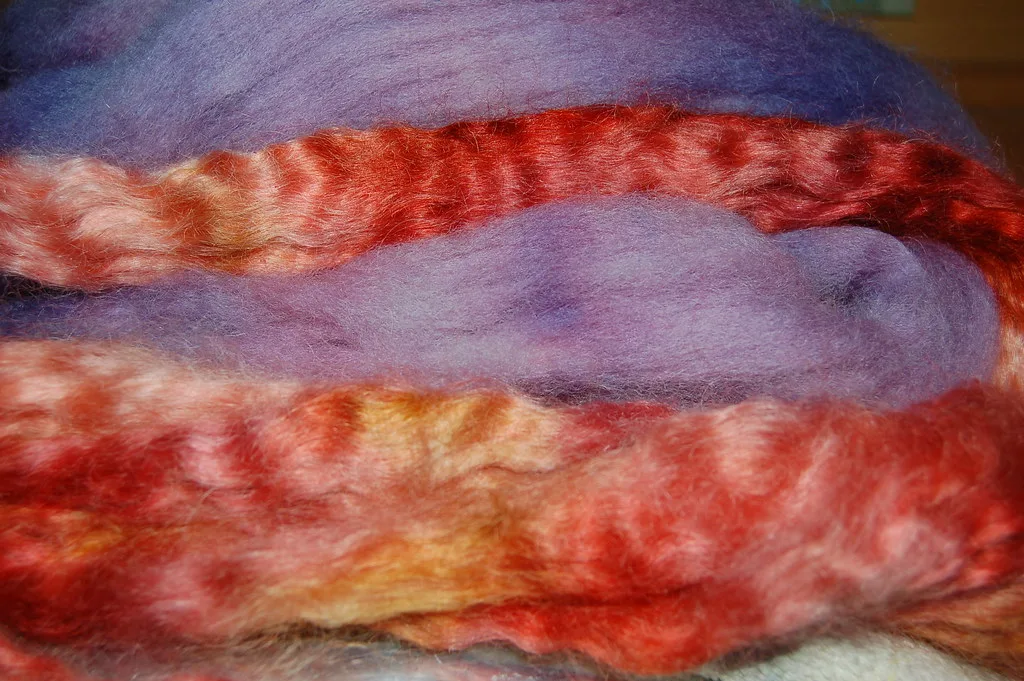
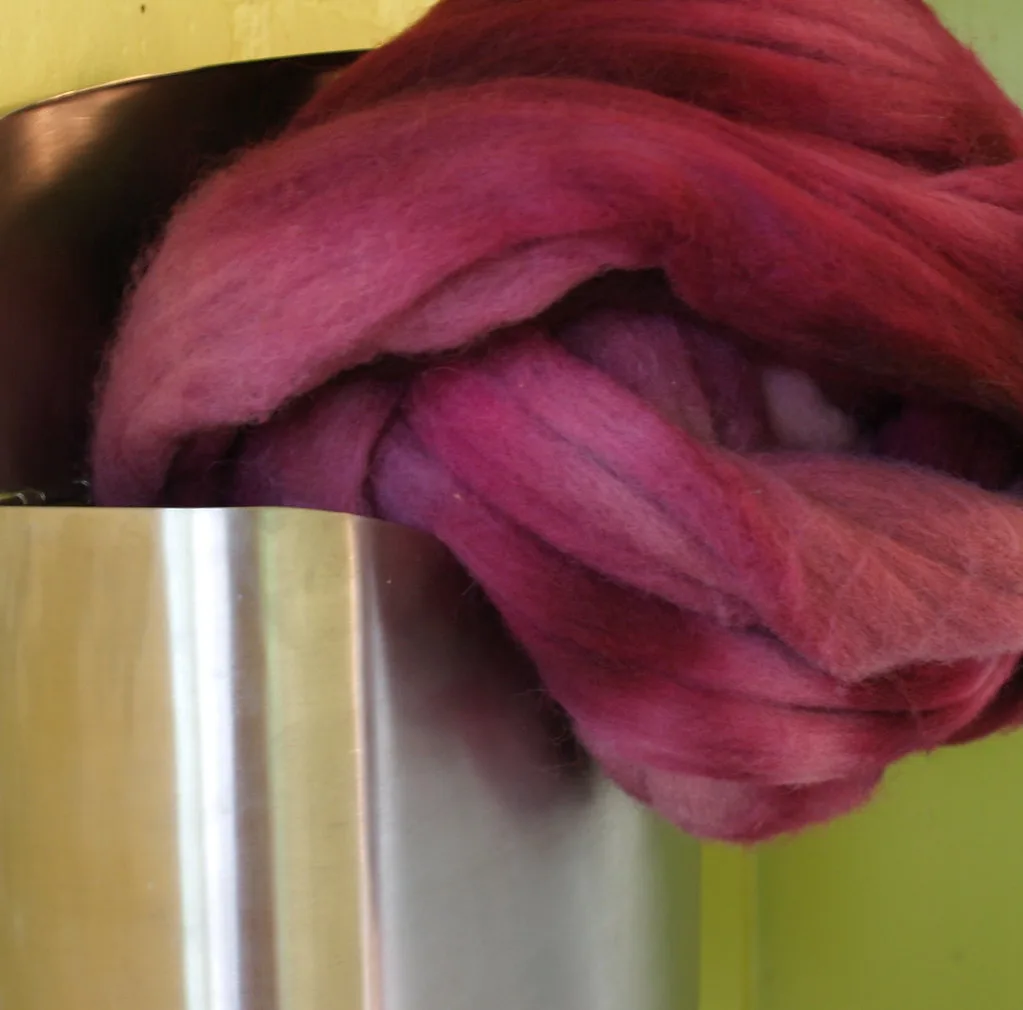
- Colour blending. Merino takes dye brilliantly and blends smoothly, which is why almost every hand-dyed top you see is merino. See blending wool colours.
Where it is the wrong choice
- Building the bulk of a needle felted figure. Slow, expensive, and it stays soft in the middle far longer than a coarser wool would.
- Anything textural. Sheep fleece, bark, tweedy landscapes. Merino wants to be smooth; fighting that is pointless when Shetland does it for you.
- Children's first projects. Slow progress kills the interest. Corriedale firms up visibly within a minute of work.
- Hard-wearing objects. Fine fibre pills. A merino-surfaced bag or slipper fuzzes faster than a coarse-wool one.
Micron counts, plainly
- 19 micron and finer — luxury, expensive, felts slowly. Bought mostly by spinners.
- 21 micron — the standard. What most shops mean by merino tops. Right for nearly everything.
- 23 micron — slightly firmer, cheaper, felts a little faster. Perfectly good and often better value.
Below 19 you are paying for softness you cannot feel through a layer of felt. Above 23 you are effectively buying a different wool, and you may as well buy Corriedale and save more.
The superwash trap
Merino is the fibre most often sold superwash-treated, because it is the fibre buyers most want machine washable. Treated merino will not felt under any circumstances — no amount of heat, soap or stabbing will make it. It is worth saying twice because it is by far the most common cause of a failed first project.
If a merino top is unusually cheap, dyed in very saturated colours, or sold in a knitting section rather than a felting one, check the label. The full list of symptoms is in why wool will not felt.
Is merino itchy?
Rarely, and less than almost any other wool. Prickle is a function of fibre diameter rather than of wool being wool, and merino sits below the threshold where most people feel it. Felted merino is firmer than knitted merino but no scratchier. The longer answer is in is merino wool itchy.
A sensible way to buy it
One kilo of cheap undyed core wool, plus 100 g each of four or five merino colours you actually like. That combination covers sculpture, surface work and small wet felted projects for months.
Add merino by the colour as projects demand it rather than buying a rainbow. The two or three shades you reach for constantly will reveal themselves quickly, and those are the ones worth buying in 200 g bags.
Merino batting and prefelt
Merino is also sold as carded batts and as prefelt sheets. Batts felt faster than tops because the fibres are jumbled rather than parallel, which makes them a good compromise for needle felting when you want merino's colour but not its pace. Prefelt gives you flat merino sheet ready to cut for appliqué and surface design — see prefelt wool.
Frequently asked questions
Is merino wool good for felting?
For wet felting, yes — it is the standard and it produces the smoothest, softest cloth. For needle felting it is slow and slightly frustrating, because the fine fibres compact reluctantly. Most people use it as a surface layer over a coarser core.
What micron merino should I buy for felting?
Anything from 19 to 23 micron. Finer than 19 is expensive, slow to felt and mostly bought for spinning; 21 micron is the usual sweet spot and is what most shops mean by plain merino tops.
Why is my merino not felting?
Almost always because it is superwash. Merino is the most commonly superwash-treated wool on the market, since it is the fibre people most want machine washable. Treated fibre cannot felt at all.
What can I use instead of merino for felting?
Corriedale for general work, Shetland or Romney where you want speed and texture, and undyed core wool for anything hidden. All three felt faster than merino and cost less.