Felt Hat Blanks and Hat Bodies: What to Buy and How to Block One
4 min read Advanced
We may earn a commission from links on this page, at no extra cost to you. As an Amazon Associate I earn from qualifying purchases. Learn more.
A hat blank is felt already shaped into a rough cone or capeline, waiting to be blocked. Which shape to buy, what the grades mean, and what it costs to start.
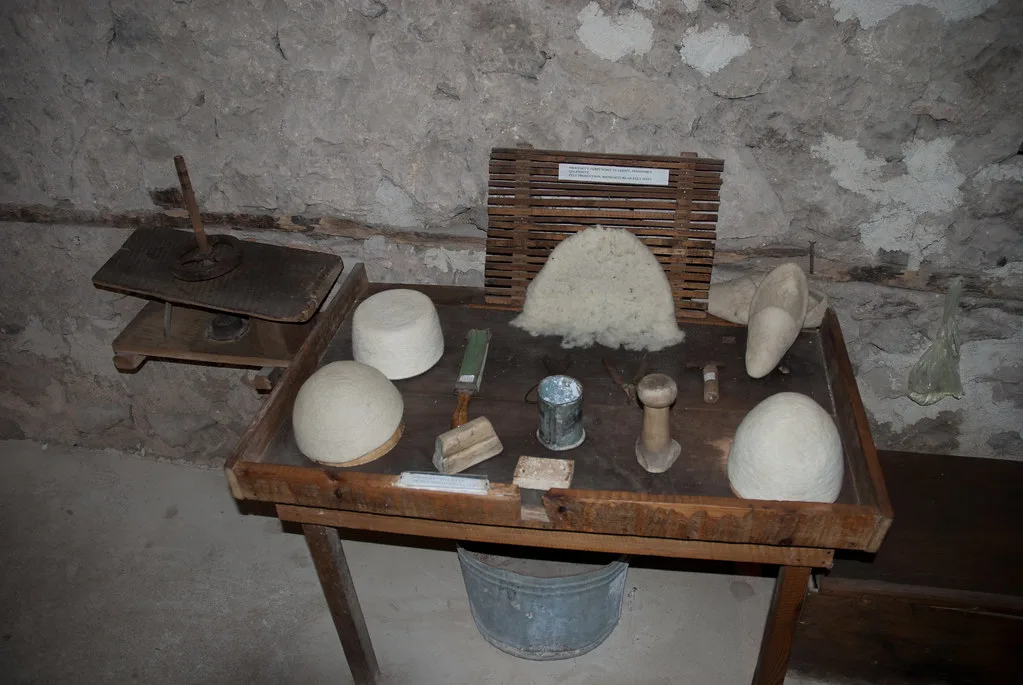
Nobody making hats commercially felts each one from loose wool. They start with a blank — felt already formed into a rough shape by an industrial press — and block, cut and finish it into a hat. It is a different craft from wet felting a hat by hand, and it is how almost every felt hat you have ever seen was made.
The shapes
- Cone — a tall narrow shape, like a witch's hat. Enough felt for a crown and a narrow brim. Right for fedoras with modest brims, beanies and cloches.
- Capeline — a cone with a wide flared skirt. Considerably more felt, and the only sensible choice for anything with a wide brim, a picture hat or a large cloche.
- Hood — the general trade term covering both, most often used to mean a cone.
- Flare — a shallow, wide blank for brims specifically, often blocked separately and joined to a crown.
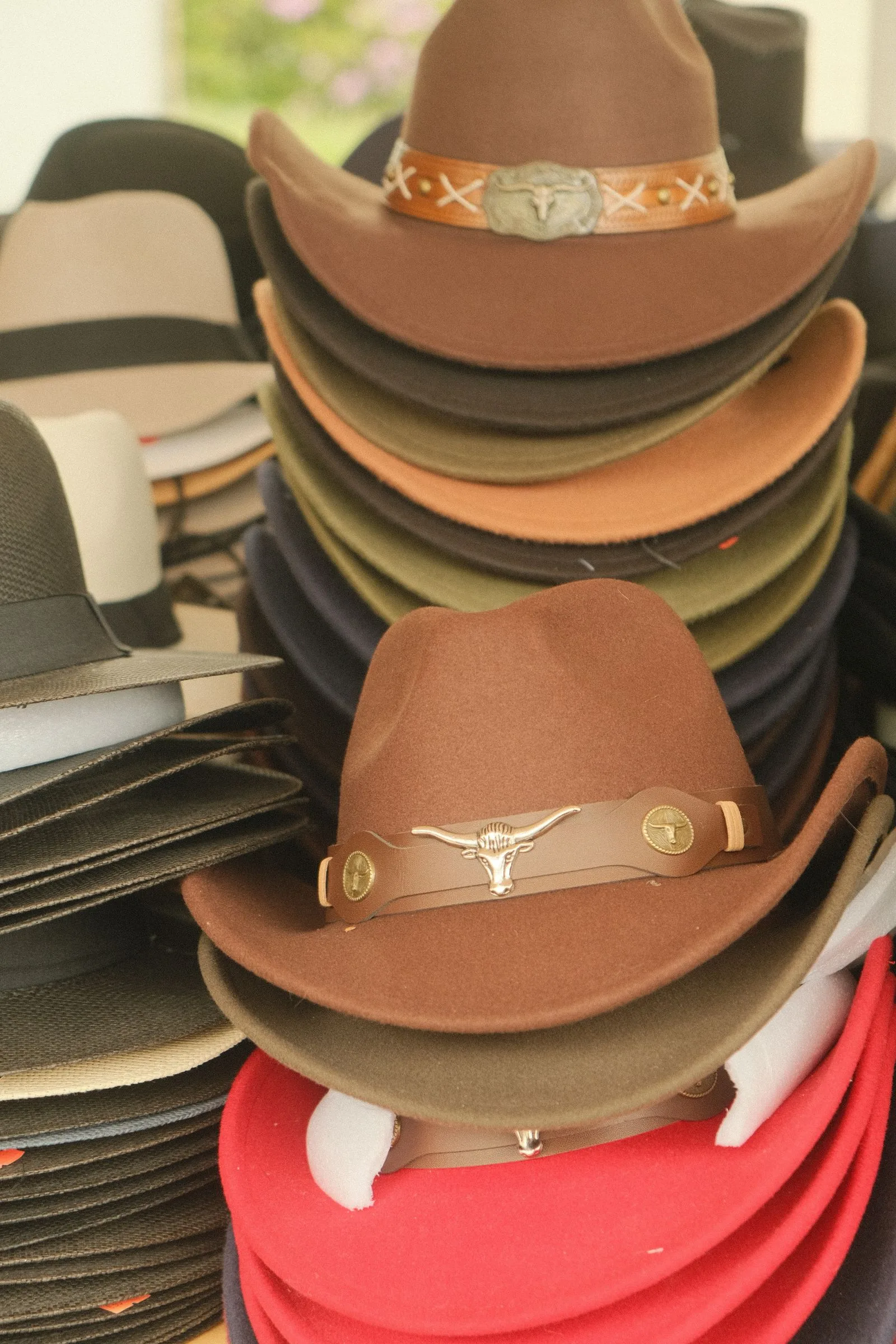
Buy a capeline if you are unsure. You can always cut felt away; you cannot add it. Western hats are blocked from wide-flared bodies too; the crowns and brim widths they end up as are covered in felt cowboy hats.
Wool felt or fur felt
Wool felt blanks are made from pressed sheep's wool. They are matte, slightly fuzzy, take colour well, and cost roughly a fifth of the alternative. They hold a shape adequately, soften over time and dislike heavy rain.
Fur felt blanks — traditionally rabbit or hare — are finer, denser, lighter for their stiffness, genuinely water resistant, and hold a crisp crease indefinitely. This is what a good fedora is made from, and the price reflects it.
Learn on wool. Every mistake you are going to make is cheaper that way, and a well-blocked wool hat is a perfectly respectable object.
Grades and weights
Blanks are sold by weight and quality grade, and the terminology varies by supplier. What matters in practice:
- Weight — heavier felt holds a structured shape and takes a sharper crease. Lighter felt drapes and suits soft, unstructured styles.
- Stiffened or unstiffened. Many blanks come pre-stiffened with a resin. Unstiffened felt is softer to work and needs stiffener applied afterwards if you want structure.
- Finish — velour, melusine and long-hair finishes are surface treatments rather than different felts, and they cannot be steamed as aggressively without flattening the pile.
What blocking involves
- Steam the blank thoroughly until the felt is soft and pliable — over a kettle, a steamer, or a pan of boiling water.
- Pull it down over the block and work it into every curve, stretching evenly rather than in one direction.
- Tie it off at the base of the crown with blocking cord or elastic, pulled tight.
- Smooth out every wrinkle while the felt is still warm. Wrinkles set permanently.
- Leave it to dry completely on the block — 24 hours at least, longer for heavy felt.
- Cut the brim to width once dry, using a brim cutter or a marked gauge and sharp shears.
- Finish — wire or bind the brim edge, fit a sweatband, add a ribbon band.
Blocks, and what to use instead
Wooden hat blocks are the proper tool and are expensive, especially in a full range of head sizes. A crown block plus a separate brim block is the usual minimum for structured work.
Improvised alternatives get a beginner surprisingly far for a simple crown: a well-shaped mixing bowl, a football, a balloon inflated to head size, or a polystyrene head with padding to bring it to the right measurement. None of them will give a crisp brim, which is where a real block earns its price.
Stiffening
Millinery stiffener — brushed or sprayed onto the inside of the felt and allowed to dry — is what turns soft felt into a hat that holds its brim. Diluted PVA is the household substitute and works, at the cost of a slightly plasticky hand.
Apply it before final shaping, and keep it off the outer surface where it will show as a shine.
What it costs to start
A wool capeline, a crown block, blocking cord, a pair of good shears and a bottle of stiffener will get you a first hat. That is a real investment compared with most felting, and it is why hand blocking sits at the far end of the craft.
Blanks are also how nearly every shop-bought beret begins, blocked over a disc rather than a crown — wool felt berets follows one from hood to finished hat.
Cheaper routes to a wearable felt hat: wet felting one over a resist, or knitting one enormous and fulling it in the machine. Neither will produce a fedora, and both will produce a hat.
Caring for the result
Once made, a blocked felt hat is cleaned by brushing and steaming, never washing — the whole of which is in how to clean a felt hat.
Frequently asked questions
What is a felt hat blank?
A piece of felt already formed into a rough hat shape — usually a cone or a wide capeline — that a milliner blocks, shapes and trims into a finished hat. It is the standard starting point in millinery.
What is the difference between a cone and a capeline?
A cone is a tall, narrow blank with just enough felt for a crown and a small brim. A capeline has a much wider flare, which is what you need for anything with a proper brim.
Is fur felt better than wool felt for hats?
Fur felt is finer, lighter, more water-resistant and holds a crisp shape far better — and costs several times as much. Wool felt blanks are perfectly good for learning and for casual hats.
Do you need a hat block?
For a properly shaped hat, yes. Wooden blocks are expensive; a well-shaped bowl, a balloon or a polystyrene head will get a beginner through a simple crown, but not a structured brim.
Topics
Image credits
- Carved wooden hat blocks on display in a hat museum — Clem Rutter, Rochester, Kent. (BY 3.0)