Felt Rug Pads: What They Do and Which Thickness to Buy
3 min read Beginner
We may earn a commission from links on this page, at no extra cost to you. As an Amazon Associate I earn from qualifying purchases. Learn more.
A felt rug pad is not the same thing as a non-slip pad, and buying the wrong one is why rugs still creep across hardwood floors.
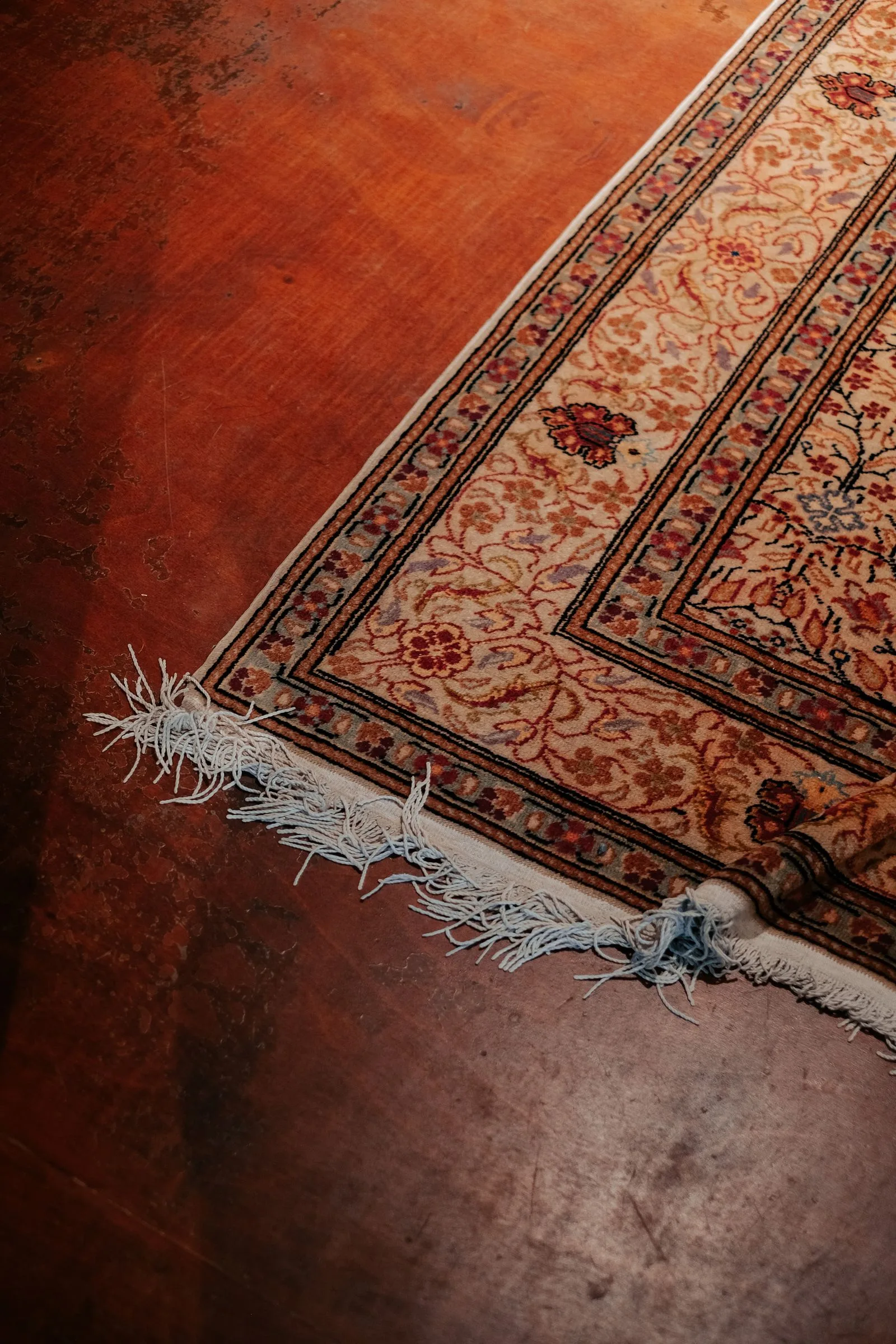
Felt rug pads sit between a rug and the floor. They are sold as a solution to rugs sliding about, which they only partly are, and as protection for hardwood, which they genuinely are.
The confusion is worth clearing up before you buy the wrong one.
What felt actually does
A dense felt pad has three effects, and grip is not among them:
- Cushioning. It makes a thin rug feel like a thick one, which is the single most noticeable difference underfoot.
- Wear protection. Rug fibres crush against a hard floor with every footstep. A pad absorbs that, and a rug on a good pad lasts considerably longer.
- Floor protection. It keeps grit from grinding into a wooden finish, and stops the rug backing abrading it.
- Sound. A useful amount of dampening in a room with hard floors.
What it does not do is stop movement. Felt against wood is fairly slippery, and a rug on pure felt will still creep.
The three types
- Pure felt. Cushioning and protection, no grip. Correct under a heavy rug that is not going anywhere, or under furniture that pins the rug down.
- Felt and natural rubber. Felt layer on top, a rubber layer bonded underneath. Cushioning plus real grip. This is what most people actually want.
- Rubber or PVC mesh only. Thin, grippy, cheap, no cushioning at all. Fine under a thin rug on carpet; poor everywhere else.
Thickness
- 6 mm — thin flatweaves, kilims, anything under a door that has to clear the sweep.
- 9–10 mm — the general-purpose choice for most rooms.
- 12 mm and up — thick, hand-knotted or heavily used rugs where the cushioning is the point.
Thicker is not automatically better. A very thick pad under a thin rug makes the rug feel unstable underfoot and lifts its edges into a trip hazard.
Hardwood floors
This is where the material matters more than the thickness. Wool felt and natural rubber are inert against modern floor finishes. PVC, vinyl and some cheap adhesives are not — over months of contact they can soften a finish and leave a haze or a sticky film, and removing that usually means refinishing the floor.
Look for "natural rubber" and "no PVC" on the label. If a pad has a strong chemical smell out of the packet, it does not belong on a wooden floor.
Sizing and cutting
Buy or cut the pad 2 to 3 cm smaller than the rug on every side. It should be invisible from above, and the rug edge should lie flat to the floor rather than riding up over the pad.
Cutting is easy: mark with chalk, cut with a sharp craft knife against a straight edge on a protected surface. Felt has no grain and no fraying, so a raw cut edge is finished.
Is wool felt worth it over synthetic?
Rug pads are made from wool felt, recycled synthetic felt, and blends. For this application the differences are small — nobody sees it, nobody touches it, and density matters far more than fibre. Judge a pad by how firm and heavy it is rather than by what it is made of, and spend the difference on the rubber layer instead.
Under a hand felted rug
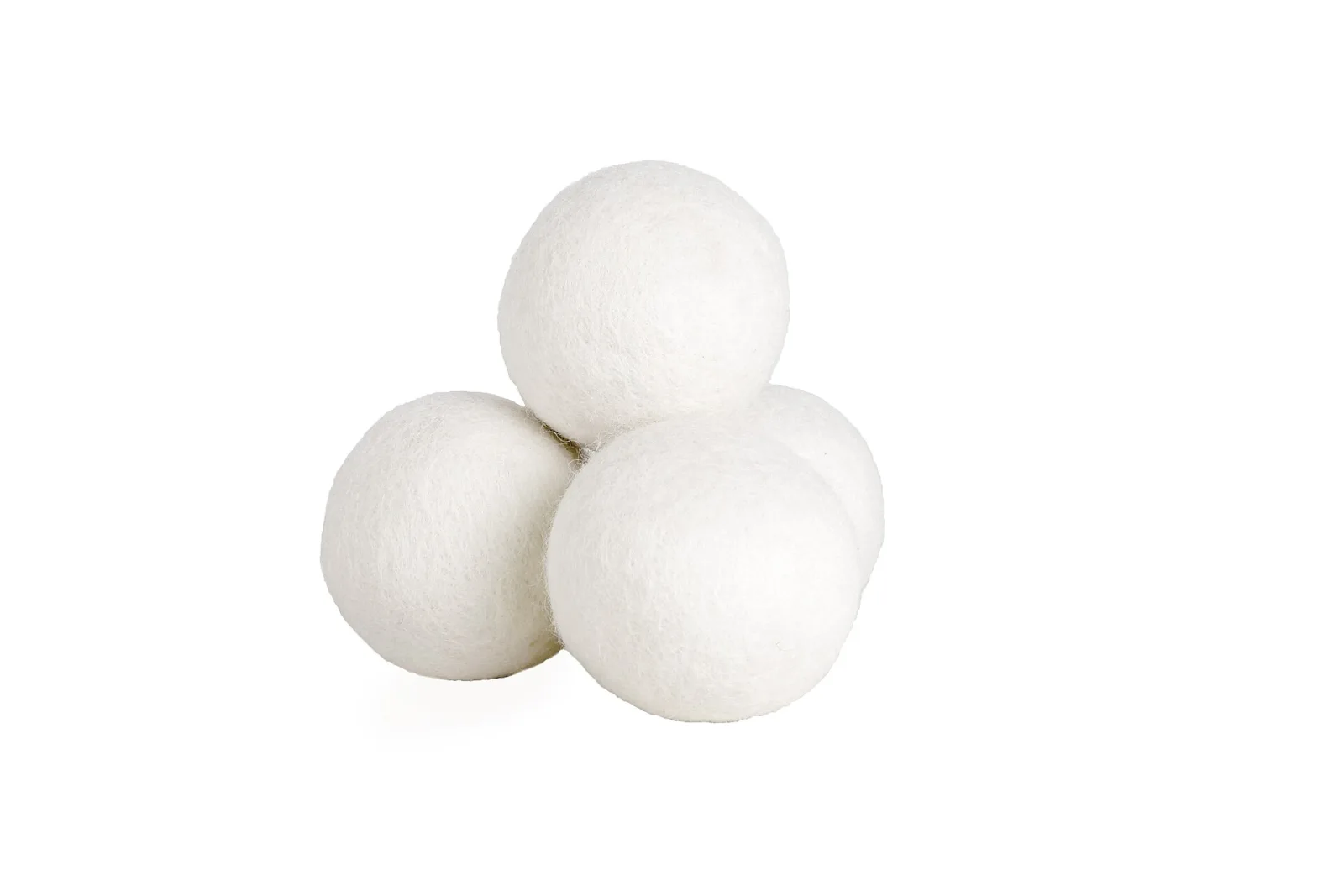
A hand felted wool rug benefits from a pad as much as any other, and needs the grip layer more than most — hand felted rugs are lighter than woven ones and slide readily. The same applies to a felt ball rug, where a pad also stops individual balls being crushed against the floor.
Maintenance
Lift the rug and shake both out a couple of times a year. Grit accumulates between rug and pad and is exactly what wears a rug from beneath. Natural rubber hardens with age and eventually stops gripping — expect five to ten years from a good pad, less in a warm room.
Frequently asked questions
Do felt rug pads stop rugs slipping?
On their own, not much. Pure felt adds cushioning and protects the floor but has little grip. A felt-and-rubber pad, with felt on top and natural rubber underneath, is what actually stops a rug moving.
What thickness of felt rug pad should I buy?
About 6 mm for thin flatweaves and under doors, 9 to 10 mm for general use, and 12 mm and up for thick or hand-knotted rugs where you want real cushioning underfoot.
Are felt rug pads safe for hardwood floors?
Pure felt and natural rubber are. Avoid PVC and cheap synthetic-backed pads, which can react with floor finishes over time and leave a sticky residue or discolouration that is very hard to remove.
How big should a rug pad be?
About 2 to 3 cm smaller than the rug on every side, so the pad is invisible and the rug edge lies flat to the floor. Cut it with a sharp craft knife — felt does not fray, so no finishing is needed.