Dyeing Wool with Food Colouring: Kitchen-Safe and Genuinely Permanent
4 min read Beginner
We may earn a commission from links on this page, at no extra cost to you. As an Amazon Associate I earn from qualifying purchases. Learn more.
Food colouring is an acid dye in everything but name. With vinegar and gentle heat it bonds permanently to wool, using pans you can still cook in afterwards.
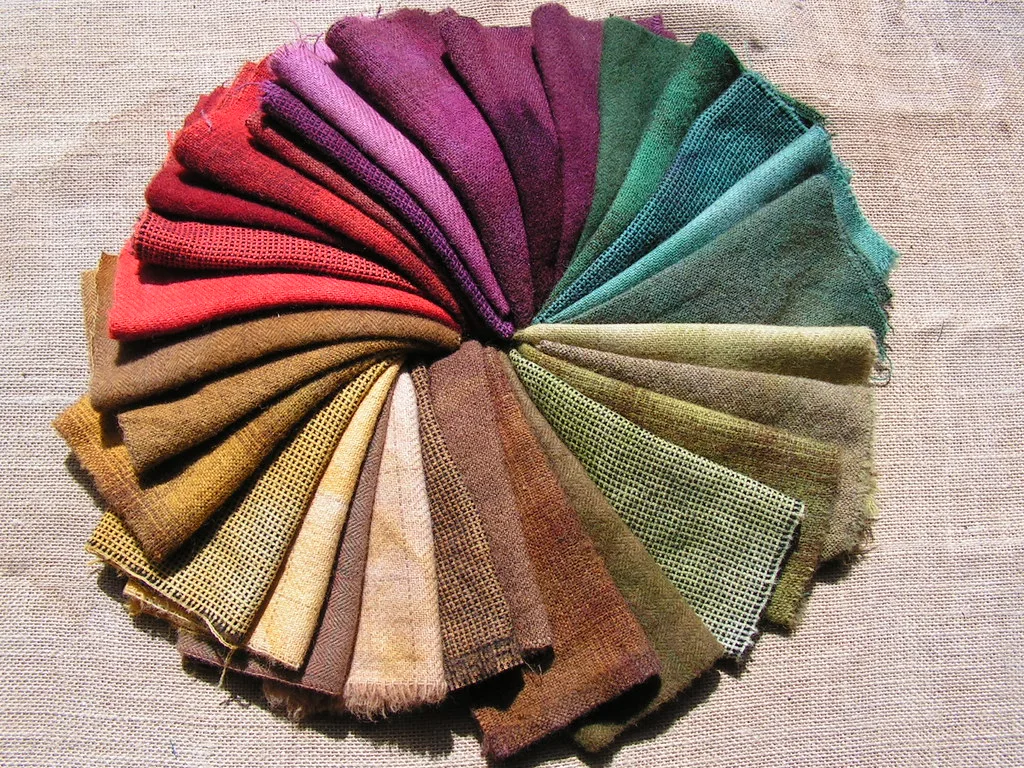
Professional acid dyes are cheap, powerful and slightly forbidding — powder that needs a mask, dedicated pans and a plan. Food colouring does the same chemistry with a bottle from the baking aisle, in a kitchen, with children helping.
The result is genuinely permanent. This is not a temporary stain.
Why it works
Wool is protein. Acid dyes bond to protein when heat and a mild acid are present, and food colourings are acid dyes formulated to be eaten. Add vinegar, warm it up, and the dye locks onto the fibre — the water goes clear because effectively all of it has been absorbed.
The same bottle on cotton or acrylic does nothing at all, which is worth knowing before you dye a blend.
What you need
- Wool roving, yarn or fleece — anything not superwash if you plan to felt it
- Food colouring: gel or paste is stronger than liquid, and cheap supermarket liquid is weakest
- White vinegar
- A pan, a microwave-safe bowl, or jam jars
- Rubber gloves — food-safe does not mean it will not stain your hands for three days
The rule that matters: do not agitate
Everything about felting — heat, movement, temperature shock — is present in dyeing. The only thing keeping loose roving loose is that you never stir it, never shock it, and never squeeze it hot.
- Lower the wool in and leave it alone.
- Heat slowly.
- Let it cool in the pot before moving it.
- Rinse at the same temperature as the wool.
Break those and you get a felted lump. The mechanism is explained in wool shrinkage when felting.
Stovetop method
- Soak the wool in cool water with a drop of washing-up liquid for 30 minutes. Dry wool floats and dyes in blotches.
- Fill the pan with enough water to cover, add 60 ml vinegar per litre, and stir in the food colouring.
- Lift the wool in gently, supporting it with both hands, and do not stir.
- Heat slowly to just below a simmer, around 85 °C, over 20 to 30 minutes.
- Hold for another 30 minutes, until the water is clear or nearly so.
- Cool in the pan. Completely.
- Rinse in water at the same temperature, then dry flat out of the sun.
Microwave method
Faster and better for small quantities and for working with children.
- Put soaked wool in a microwave-safe bowl with water, vinegar and colour.
- Cover, and microwave two minutes on high.
- Rest two minutes.
- Repeat three or four times until the water clears.
- Leave to cool completely before touching it — steam inside wet wool is genuinely hot.
Jam jar method — the one to do with children
One jar per colour. Soaked wool, water, a splash of vinegar, a few drops of colour, lid on. Stand the jars in a pan of water and heat gently, or microwave them uncovered in short bursts.
Children can see the water go clear, which is the interesting part, and nobody has to handle anything hot.
Colour, honestly
- Reds, pinks, oranges and yellows are strong and reliable.
- Purples work well and often split slightly into red and blue, which can look beautiful.
- Blues are weak. Use gel colour, use more than you think, and accept a softer shade.
- Greens inherit the blue problem. Mixing yellow with a strong blue gel gives a better green than a bottle labelled green.
- Black is effectively impossible. Aim for a very dark navy or brown instead.
Colours come out paler than the dye bath looks. If you want strong colour, use two or three times as much as feels sensible.
Hand painting
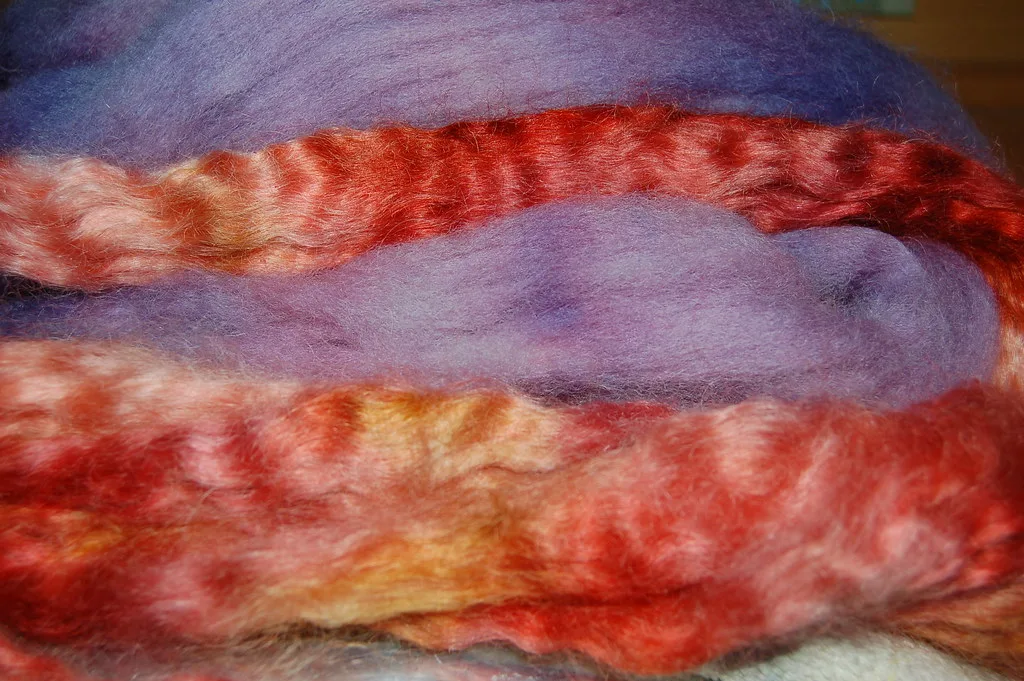
For several colours in one length: lay the wet roving on cling film, squeeze or brush colours on, wrap it into a sausage, and steam for 30 minutes in a covered pan or in the microwave in bursts.
Leave undyed gaps between colours or they merge into brown.
Fastness
Properly heat-set food colouring on wool does not run. Where it disappoints is light: some food dyes fade in a sunny window over a year or two, more than professional acid dyes would. For anything meant to last a decade on display, use acid dyes — the comparison is in dyeing wool roving.
Afterwards
The pan can go back to cooking. That is the whole appeal, and it is why this method is the right one for a kitchen table, a school holiday or a first attempt. Once you find yourself dyeing a kilo at a time, acid dyes for wool and a dedicated pot become the sensible next step.
Frequently asked questions
Does food colouring work as a dye on wool?
Yes. Food colouring is an acid dye, and wool is a protein fibre, so with vinegar and heat it forms a permanent bond. It will not wash out. It does nothing at all on cotton or synthetics.
How much vinegar do you need to dye wool?
About 60 ml of white vinegar per litre of water, or a good splash in a jar for small batches. The acid is what lets the dye bond — without it the colour rinses straight back out.
Can you dye wool with food colouring in the microwave?
Yes, and it is the easiest method. Two minutes on high, two minutes rest, repeated three or four times until the water runs clear. Cover the container and let it cool before touching the wool.
Why are blues and greens hard with food colouring?
The blue food dyes are weaker and strike unevenly compared with reds and yellows. Use gel colours rather than liquid, more of it than seems reasonable, and expect a softer shade than the bottle suggests.