Alpaca Felting: Does Alpaca Fibre Felt, and How Well?
4 min read Intermediate
We may earn a commission from links on this page, at no extra cost to you. As an Amazon Associate I earn from qualifying purchases. Learn more.
Alpaca has fewer scales than sheep wool, so it felts more slowly and drapes far better. Where that trade-off helps, and where you should blend it with wool instead.
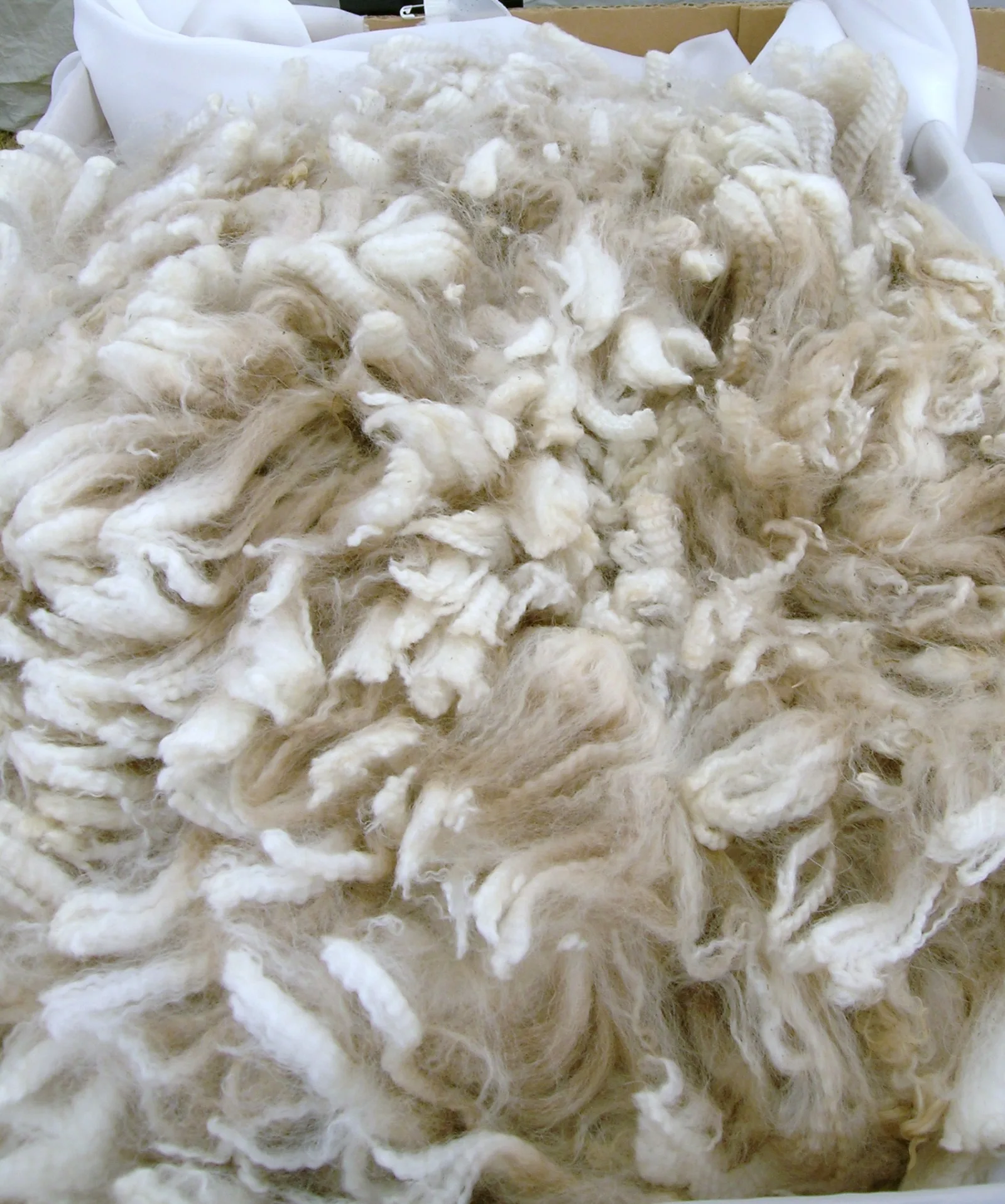
Alpaca is softer than most sheep wool, warmer for its weight, and almost entirely free of lanolin. It also felts reluctantly, which is why felters who love the fibre usually end up blending it.
Why it felts slowly
Felting depends on the scales along each fibre catching on each other. Sheep wool has prominent, deeply overlapping scales; alpaca has smaller, flatter ones that lie closer to the shaft.
The consequences are consistent:
- Wet felting takes roughly half again as long, and needs hotter water and more friction.
- Needle felting takes noticeably more strokes to reach the same density.
- Finished alpaca felt is softer, drapier and less springy than wool felt.
- It shrinks less — allow 20 to 25% rather than the 30 to 40% you would plan for merino.
None of that makes it a bad fibre. It makes it a different one.
Huacaya and suri
- Huacaya — crimped, dense, fluffy. Behaves most like wool and is what you should buy for felting. Around 90% of alpacas are huacaya.
- Suri — long, straight, silky locks with almost no crimp. It felts very poorly alone. Its place in felting is as a surface texture: laid on top of a wool base, suri locks give manes, tails, hair and long fleece that nothing else matches.
Grades
Alpaca is graded by micron much like wool:
- Royal and baby, under 22 micron — extremely soft, expensive, slowest to felt. For next-to-skin garments.
- Superfine to fine, 22–28 micron — the practical range for most felting.
- Adult and coarse, 30 micron and up — felts fastest, prickly, good for bags, rugs and sculpture.
The same trade-off as sheep wool applies, and in the same direction: the coarser the fibre, the faster it felts and the less pleasant it is against skin. See is merino wool itchy for the mechanism.
Blending — usually the right answer
A blend keeps most of what alpaca offers and removes most of the difficulty.
- 70% alpaca / 30% wool — alpaca still dominates the hand and drape, and the piece felts in a reasonable time.
- 50/50 — the reliable working blend. Behaves close to wool.
- Wool core, alpaca surface — all the structure from cheap wool, all the visible softness and sheen from alpaca. The most economical approach for sculpture.
Blend on hand carders rather than trying to mix by hand — the method is in carding wool by hand.
Wet felting with alpaca
The process is the same as standard wet felting, with three adjustments:
- Hotter water and more soap than you would use for merino.
- Longer at the rubbing stage before you start rolling. Alpaca needs more time to grab.
- Lay thicker. Alpaca is slippery when wet, and thin layers can simply slide apart.
The reward is drape. An alpaca scarf hangs in a way a merino one does not, and that is the reason to persevere.
Needle felting with alpaca
Perfectly workable, just slower. Use a slightly coarser needle than usual to start — 36 gauge — and switch to a 40 for finishing. Expect a softer, hazier surface with a natural halo, which suits animals extremely well.
Suri locks needled onto a wool base are the standard way to make convincing long fur, sheep fleece and doll hair.
Preparing raw alpaca
Alpaca has no lanolin, so washing is far easier than washing sheep fleece — warm water and a little detergent, no agitation, and it comes out clean.
What it does carry is dust. Alpacas roll, and their fleece holds fine grit that must be shaken and picked out before carding, or it grinds through your carders and ends up in the finished piece.
Dyeing it
Alpaca is a protein fibre and takes acid dyes exactly as wool does — the method in dyeing wool roving applies without change. Colours come out slightly deeper and more lustrous than on wool because of the fibre's natural sheen.
It also comes in a genuinely wide range of undyed shades — white through fawn, brown, grey and true black — which is unusual and worth using rather than covering up.
What to make with it
- Scarves and shawls — the drape is the point. Blend with merino for reliability.
- Nuno felting — a fine alpaca veil on silk gives an exceptionally soft result. See nuno felting for beginners.
- Animal sculptures — the natural halo reads as fur without any extra work.
- Surface texture — suri locks for manes, tails and fleece.
What to avoid: anything needing stiffness. Bowls, hats and structured bags all want wool's springiness, and alpaca will give you a soft version of each.
Frequently asked questions
Does alpaca felt?
Yes, but more slowly than sheep wool. Alpaca fibre has smaller, flatter scales, so it tangles less readily. Expect to work about half again as long, with hotter water and more friction.
Should you blend alpaca with wool for felting?
For most projects, yes. Around 30 to 50% merino or Corriedale gives structure and speeds the process considerably while keeping alpaca's drape and shine.
What is the difference between huacaya and suri alpaca?
Huacaya is crimped and fluffy and behaves much like wool. Suri hangs in straight silky locks with almost no crimp, felts very poorly on its own, and is used mainly as a surface texture.
Is alpaca warmer than wool?
Weight for weight, yes — the fibre is hollow, which traps more air. It is also heavier in drape and has no natural lanolin, which is why alpaca garments hang rather than spring.