Felting Crochet: Turning Stitches into Solid Fabric
4 min read Intermediate
Crochet felts more slowly than knitting and shrinks less predictably, because the stitches are thicker and lock the yarn tighter. Allow for both and it makes the sturdiest felted fabric there is.
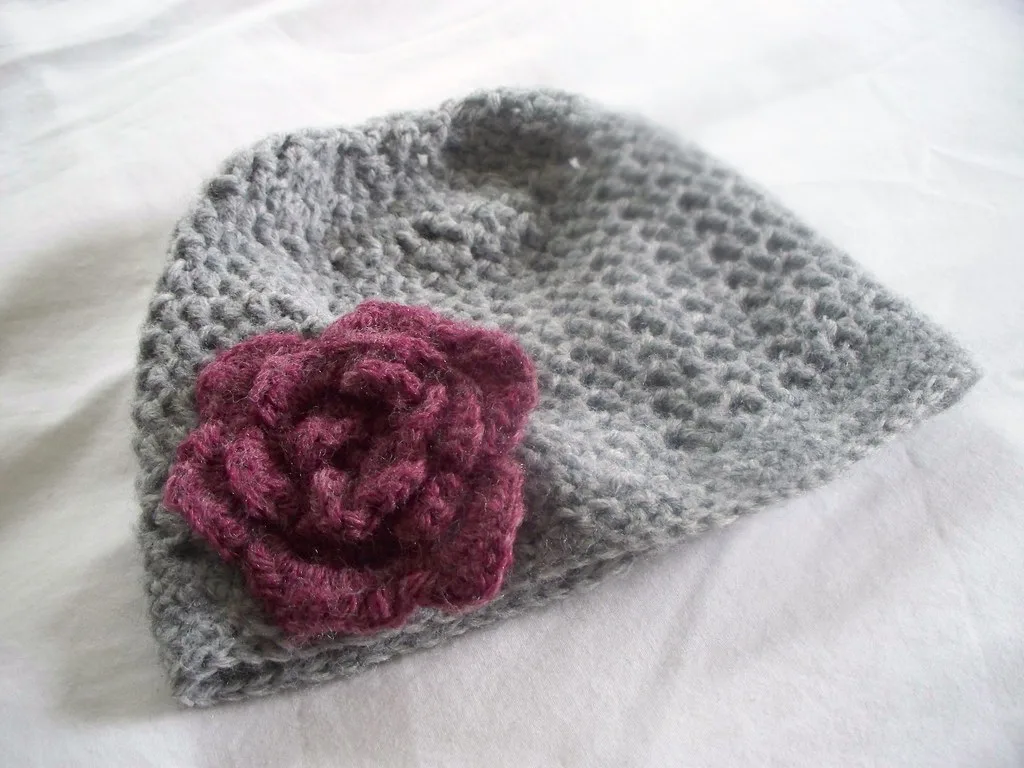
Felted crochet makes a heavier, denser fabric than felted knitting — good for bags, baskets, bowls and slippers, and less good for anything that needs drape. The differences from felting knitwear are real, and they all come from the structure of the stitch.
Why crochet behaves differently
- More yarn per square centimetre. A crochet stitch uses roughly a third more yarn than a knit stitch, so there is more fibre to felt and it takes longer.
- Tighter locking. Each stitch is completed before the next begins, so the yarn is less free to move and migrate.
- Asymmetric shrinkage. Rows collapse downwards more than they draw in sideways, so height shrinks more than width.
- Denser result. Once felted, crochet is stiffer and holds a shape without support — which is exactly why it suits baskets and bowls.
Yarn: the one absolute rule
Non-superwash animal fibre. Superwash wool has had its scales smoothed or coated precisely so it will not felt, and no amount of hot water will change that.
- Best: plain worsted or aran-weight non-superwash wool. Lopi, Shetland, Corriedale and generic "100% wool" craft yarns all felt readily.
- Good: alpaca blends, though alpaca felts more slowly and gives a softer result; see alpaca felting.
- Variable: wool blends with up to 20 per cent nylon, which felt but stay slightly springy.
- Will not felt: superwash, acrylic, cotton, bamboo, and anything over about 25 per cent synthetic.
- Test first. Crochet a 15 cm square, measure it, felt it, measure again. Fifteen minutes now saves a bag that comes out the size of a purse.
Which yarns felt and which never will is covered in more detail in felting yarn.
Making the piece
- Hook size: two to three sizes above the ball band. The fabric should be visibly loose and gappy.
- Stitch: single crochet (UK double) for the most even felt; half double for speed.
- Size: make it 30–40 per cent larger than the finished object in width and 40–50 per cent taller. Use your swatch figures, not these.
- Seams: sew with the same yarn. The seam felts into the fabric and disappears.
- Ends: weave them in generously — 8 cm — before felting. Short ends work loose during agitation.
- Handles and straps: felt separately or crochet them in. Separate straps felt at a different rate and often need extra cycles.
Felting in the machine
- Put the piece in a zipped pillowcase or mesh bag — loose fibre blocks pump filters.
- Add a pair of jeans or a couple of tennis balls for mechanical agitation.
- Use a tablespoon of ordinary detergent. Alkaline conditions speed felting.
- Run a hot wash, 60°C, on the longest agitation with a low spin.
- Check part-way through. Stop the machine, look, and put it back if needed. This is the whole technique — crochet routinely needs two or three cycles where knitting needs one.
- Stop when the stitch definition has just disappeared and the fabric no longer stretches.
- Rinse cool, roll in a towel, and shape while wet.
Felting by hand
Slower, and the only option for anything you need to control precisely:
- Fill a basin with water as hot as your hands can bear and add soap.
- Work the piece between your hands, rubbing and squeezing, for 10 minutes.
- Plunge into cold water, then back into hot. The temperature shock accelerates felting more than either temperature alone.
- Repeat until the stitches close. Expect 30–45 minutes for a bag.
- Rub against a washboard or ridged mat for the final fulling.
Shaping while wet
Felt sets as it dries, so this is the stage that decides the finished object:
- Stuff bags with plastic bags or towels to the shape you want.
- Block bowls and baskets over an upturned bowl.
- Pull edges straight and square corners with your fingers.
- Dry away from direct heat, which takes two to three days for a thick piece.
- Trim any surface fuzz with scissors or a fabric shaver once bone dry.
What to make
- Bags and totes — the classic use; felted crochet holds its own shape without lining.
- Baskets and bowls — worked in the round from a flat base.
- Slippers — durable, and easy to size using a swatch. Compare with the wet-felted method in felted slippers.
- Seat pads and coasters — flat circles or squares, the simplest possible first project.
- Christmas decorations — small, quick, and forgiving; see felted Christmas ornaments.
What goes wrong
- Nothing happens — superwash yarn, or water not hot enough. Check the ball band.
- Shrunk far too much — one cycle too many. Irreversible; felt to just under and re-run if needed.
- Uneven felting — the piece bunched in the machine. Use a larger bag and more agitation partners.
- Stiff as board — the crochet was too tight to begin with. Go up a hook size next time.
- Stitch pattern still visible — under-felted. Another cycle will close it.
The most useful thing to crochet and then full is a pair of crochet felted slippers: thick, seamless and shaped in the round, and forgiving of a stitch count that is slightly off because the fulling closes the gaps. The knitting equivalent, with its own shrinkage figures, is in felting in knitting, and the numbers behind both in wool shrinkage when felting.
Frequently asked questions
Can you felt crochet?
Yes, provided the yarn is non-superwash animal fibre. Crochet felts more slowly than knitting because the stitches are denser and the yarn is more tightly locked, so expect more cycles in the machine to reach the same result.
How much does crochet shrink when felted?
Around 20 to 30 per cent overall, against 30 to 40 per cent for knitting in the same wash — crochet holds more yarn per square centimetre and locks each stitch before the next begins, so the fibres have less room to migrate. Height shrinks more than width in both crafts, because rows collapse downwards further than stitches draw in sideways. Swatch either way: crochet varies more between stitch patterns than knitting does.
What hook size should I use for felting?
Two to three sizes larger than the ball band suggests — 6 mm for DK, 8 mm for aran. The fabric should look far too loose before felting. A tight crochet fabric has nowhere to shrink into and comes out stiff and small.
Which crochet stitches felt best?
Single crochet (UK double crochet) and half double give the most even, solid felt. Tall stitches and open lace collapse unpredictably, and textured stitches lose their definition entirely.