How to Wet Felt a Scarf
A first wearable piece. How thin to lay the wool, how much length to add for shrinkage, and why a scarf needs less felting than you would think.
4 min read Intermediate
A first wearable piece. How thin to lay the wool, how much length to add for shrinkage, and why a scarf needs less felting than you would think.
4 min read Intermediate
The mat is not padding. Its ridges grip the wool through the plastic and shear it slightly with every roll, and that shear is what turns a fragile web into fabric.
3 min read Beginner
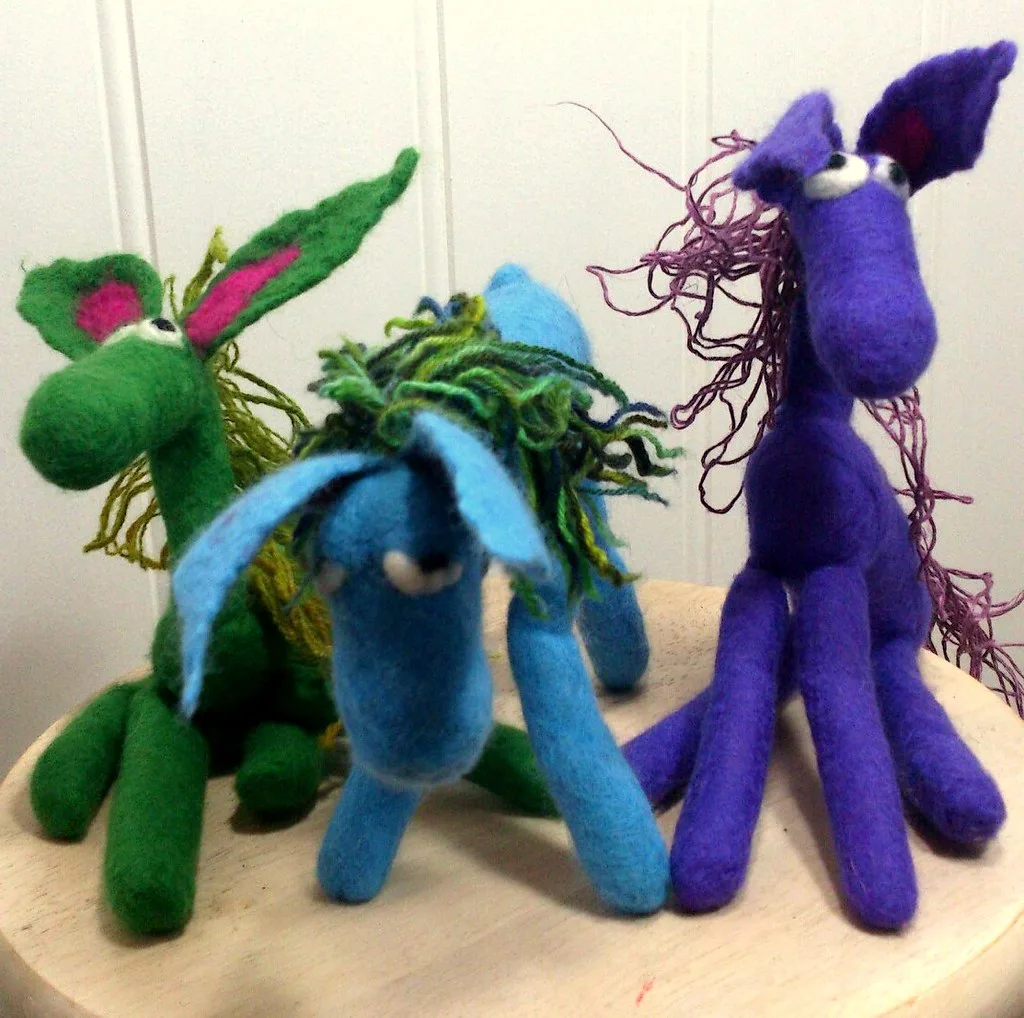
Wet felting makes bodies, not faces. Build the animal as a hollow form over a resist, full it hard, then dry-felt the detail on top — that combination is how the best felted animals are made.
4 min read Intermediate
Felt shrinks by a third or more, and not evenly in both directions. How to measure your own shrinkage rate and size a project so it fits when it is finished.
4 min read Intermediate
Prefelt is wool stopped halfway — solid enough to cut into shapes, loose enough to still felt onto something else. It is the neatest way to get crisp detail into felt.
4 min read Intermediate
A sheet of plastic between two layers of wool is the entire technique behind felted bags, bowls, hats and slippers. How to cut one, wrap it and get it out.
4 min read Intermediate
Cobweb felt is wool laid so thinly it has holes in it on purpose — lace-light, full of gaps, and the most forgiving advanced technique in wet felting.
4 min read Intermediate
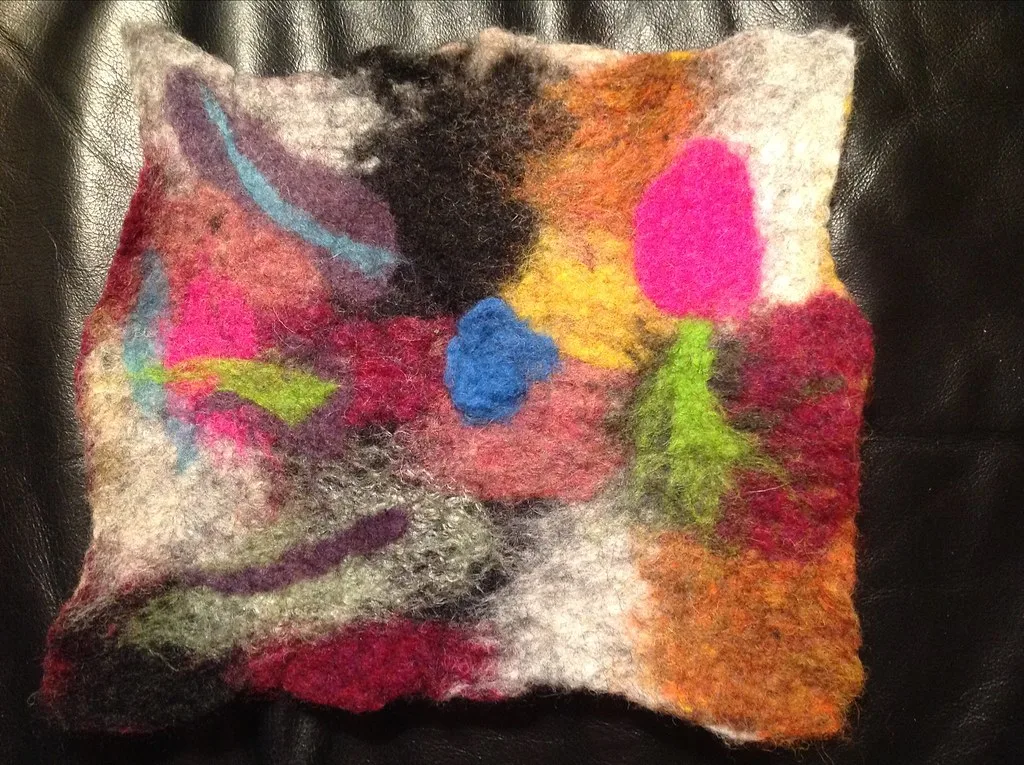
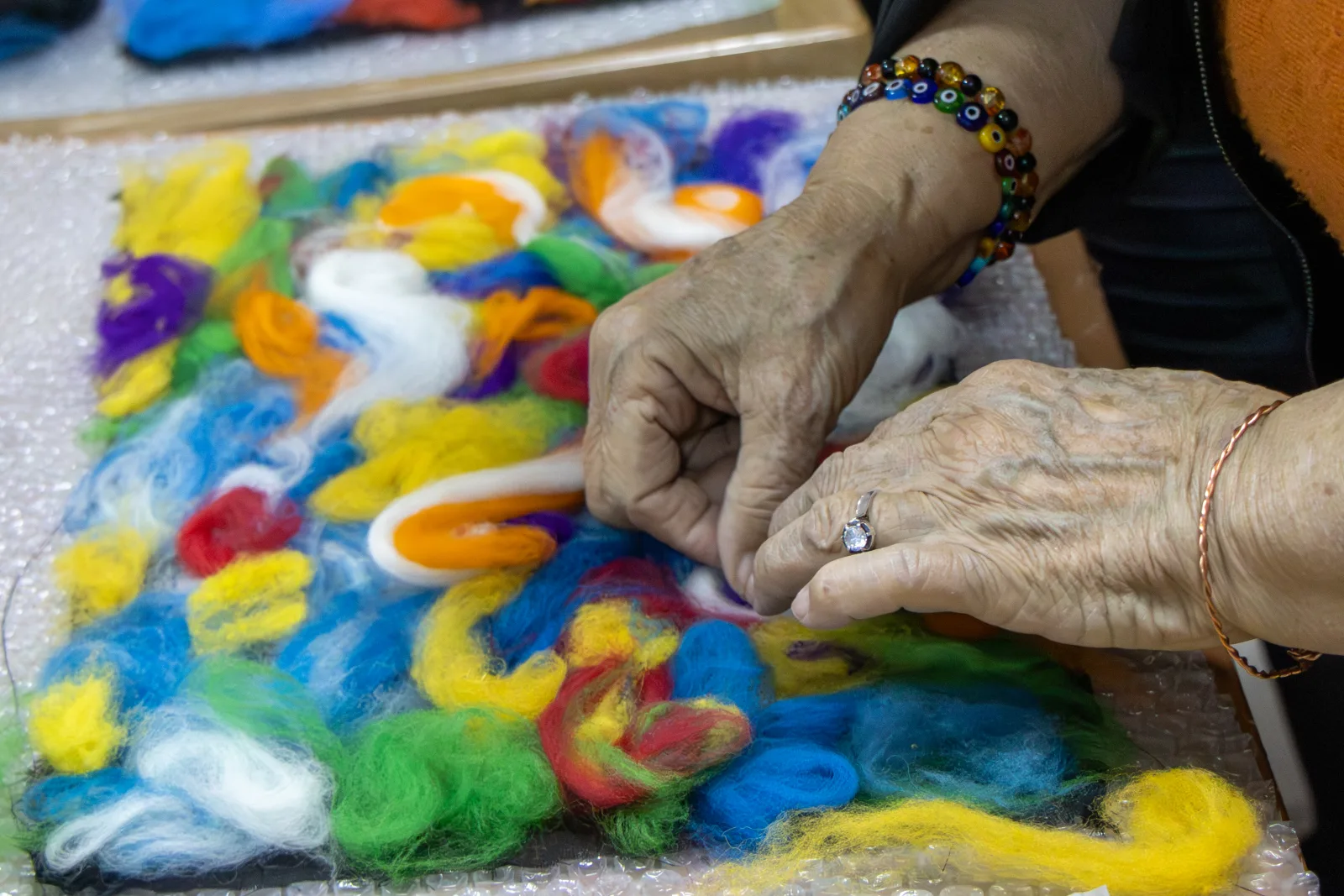
Wool paintings are laid, not brushed, and they move when they get wet. How to compose a felted picture that still looks like your sketch afterwards.
4 min read Intermediate
Needles are one route to felt, and the newer one. Water, soap, friction and a washing machine do the whole job with nothing sharp involved.
3 min read Beginner
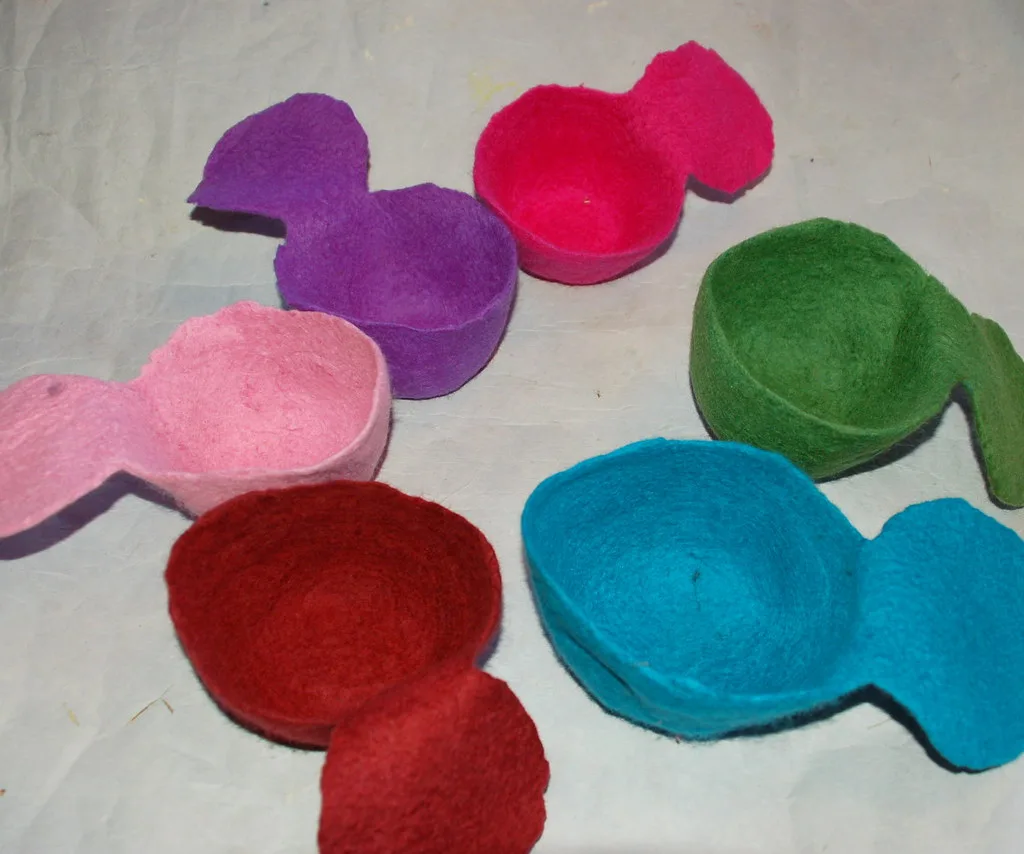
A felted bowl is a closed pocket with a hole cut in the top. The making is easy; getting it to sit flat and hold its walls up is the part worth reading about.
4 min read Intermediate
A felted hat is a resist project with one unforgiving constraint — it has to fit a head. How to size the resist, and how to stop when it fits.
4 min read Advanced
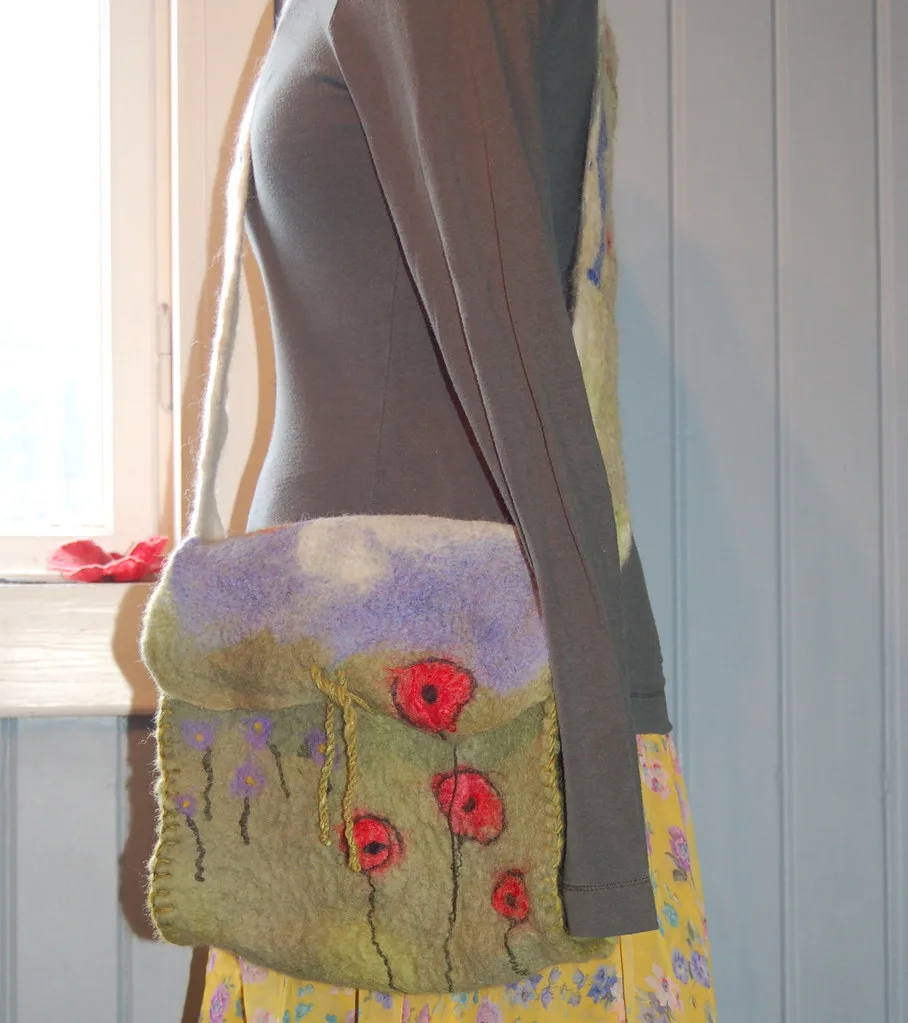
A seamless felted bag, made from one resist, thick enough to carry a book. Includes the three ways of attaching handles that do not eventually rip out.
4 min read Intermediate
Sculpt wool into animals, figures and decorations with barbed needles. Start with the basics, then work up to armatures, faces and fine detail.
Felt merino through open-weave fabric to create light, drapey textiles. Fabric choice, fibre weight and migration, explained clearly.
Complete makes with photos at every stage — animals, flowers, ornaments and home decorations, sorted by how much experience they need.
Printable templates, measurements and shaping guides you can follow exactly, or adapt once you know what the shapes are doing.
The core techniques, one skill at a time — each written as a sequence you can follow at the table with wool in your hands.
Which needles, wool and mats are actually worth buying — what the gauges mean, what to skip, and what a starter kit really needs.
Fixes for the things that go wrong: fuzzy surfaces, broken needles, wool that will not felt, and shapes that refuse to hold.
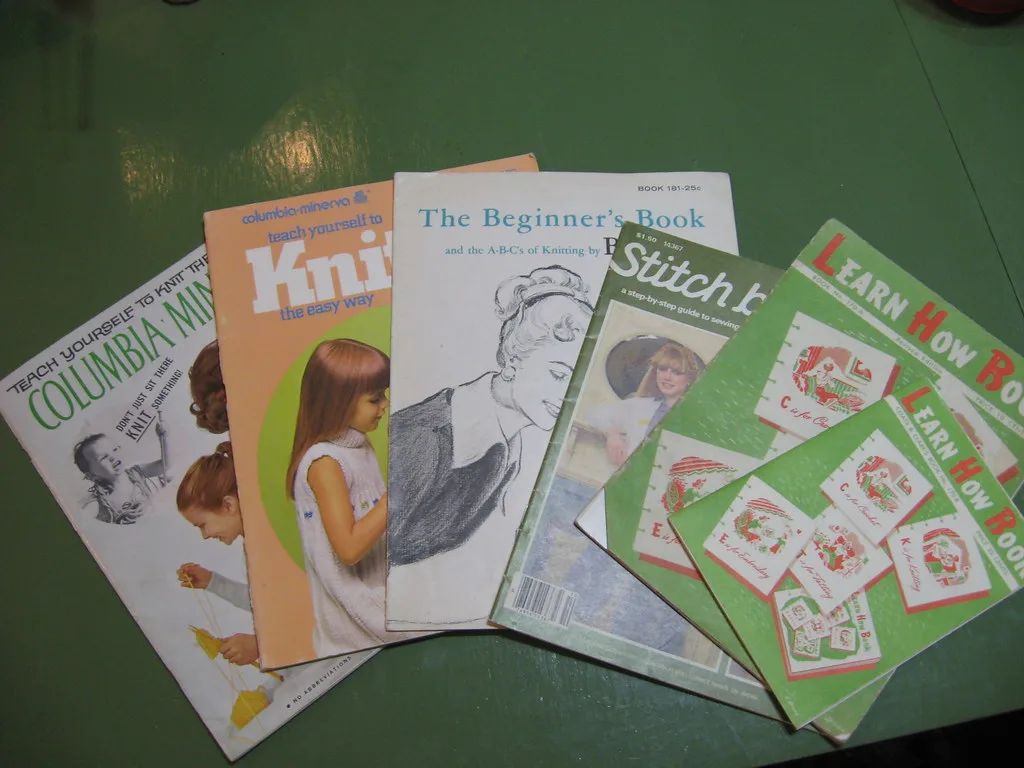
The knitting side of working with wool — leaf patterns, casting on, needle sizes and knitting faster — including the pieces that go on to be felted.
Why leaves fall when they do, what a cobweb actually is, and the seasonal makes that follow from both.
What to do with the pumpkin once it is carved — cooking from fresh, including the parts most people throw away.