Needle Felting
Needle Felting Fur
Smooth felt looks like felt. Four methods for making a surface that reads as fur, and when each one is the right answer.
5 min read Advanced
Smooth felt looks like felt. Four methods for making a surface that reads as fur, and when each one is the right answer.
5 min read Advanced
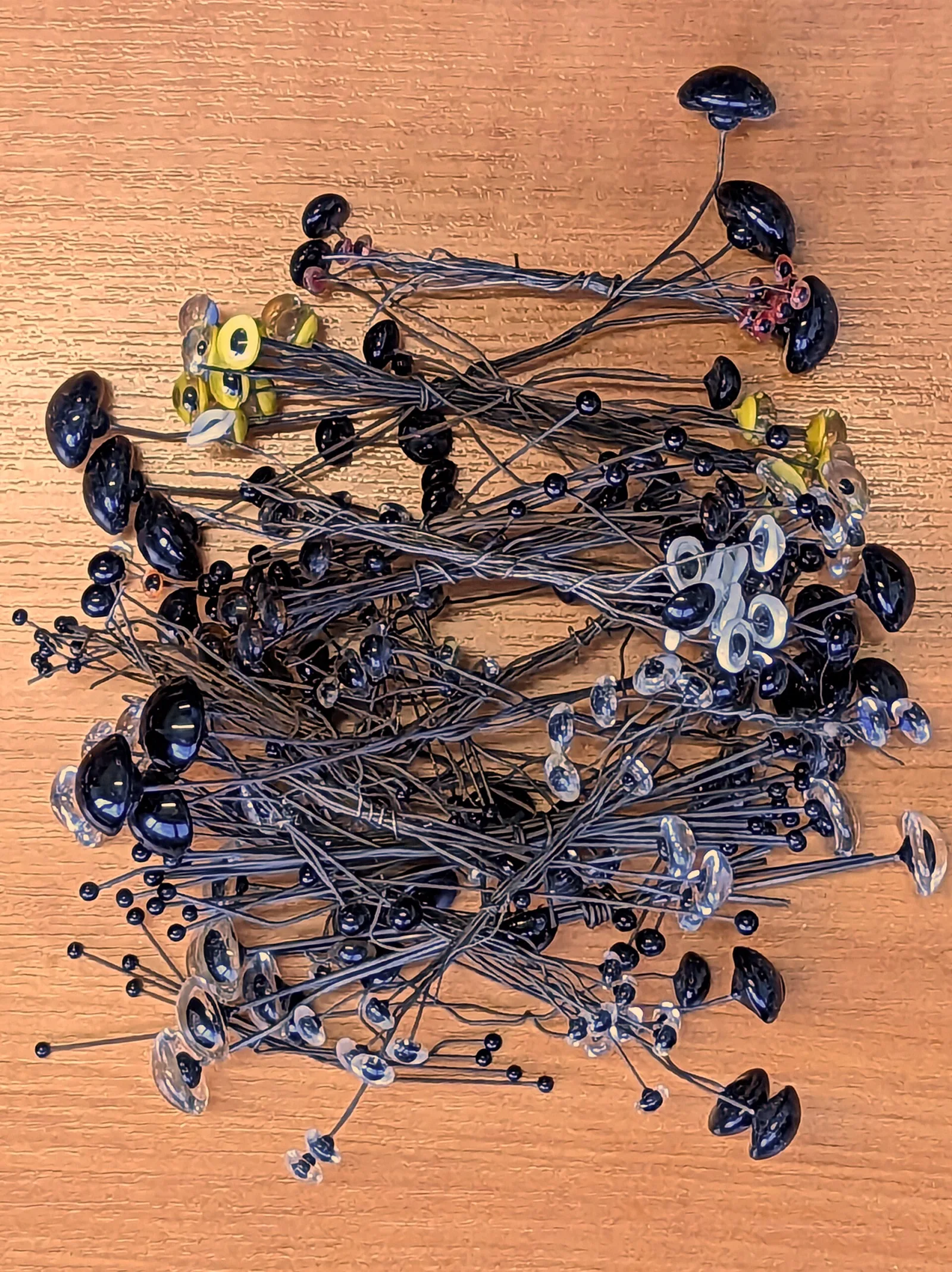
Eyes are the last thing you add and the first thing anyone looks at. The three types, how to sink them so they belong in the face, and the highlight that brings them alive.
5 min read Intermediate
Faces are made by taking wool away, not adding it. The order of operations that gets a head from a ball to a character, for animals and dolls alike.
4 min read Advanced
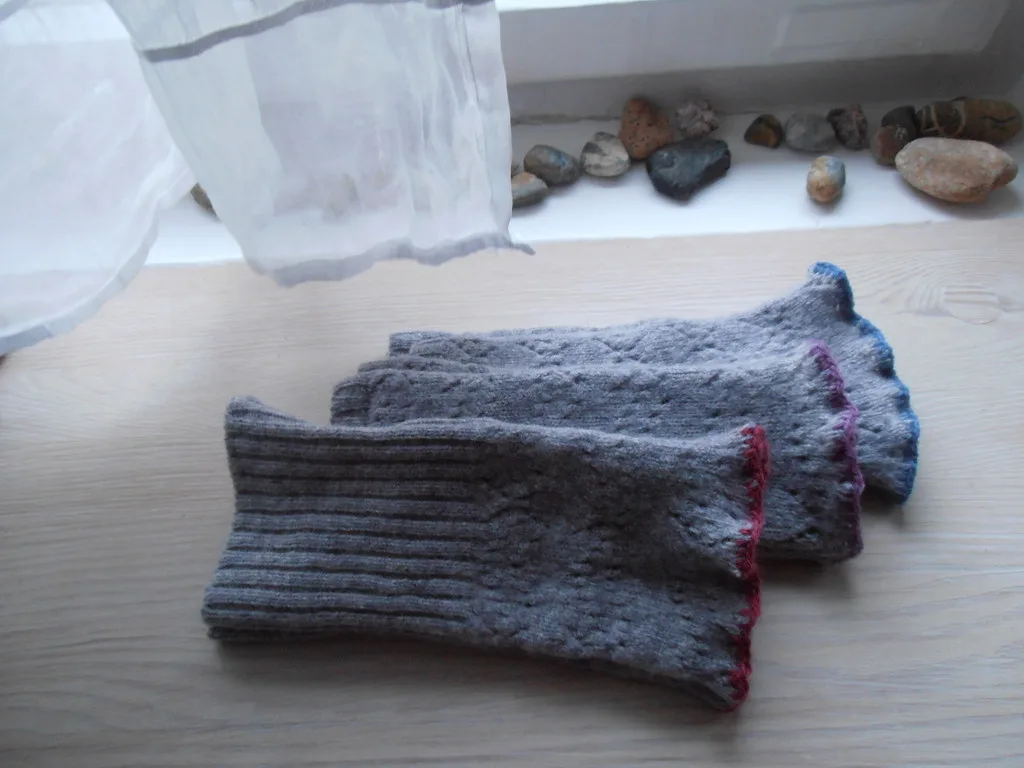
A thrift-store sweater, shrunk on purpose, is the cheapest thick wool fabric there is. Which sweaters will felt, how to do it in a machine or by hand, and how to get a whole sweater used.
7 min read Beginner
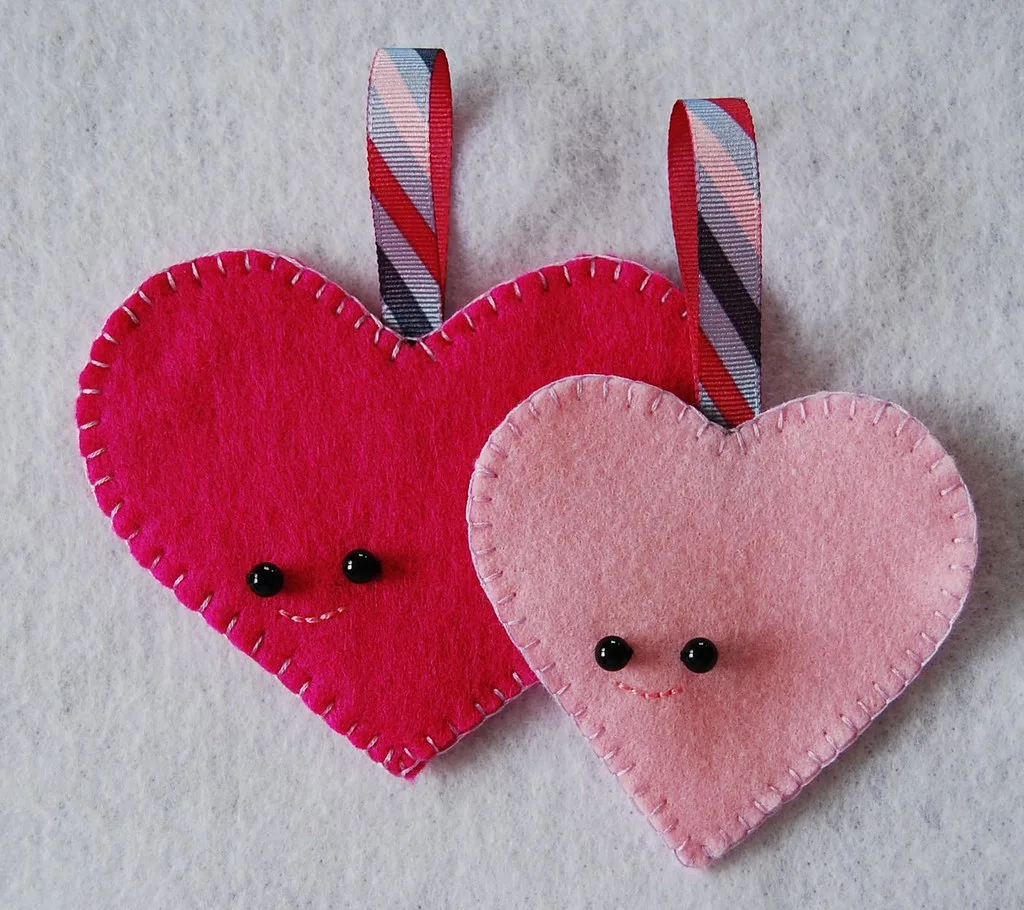
Felt does not fray, cuts cleanly and comes in every red there is. A dozen Valentine projects sorted by how long they actually take.
4 min read Beginner
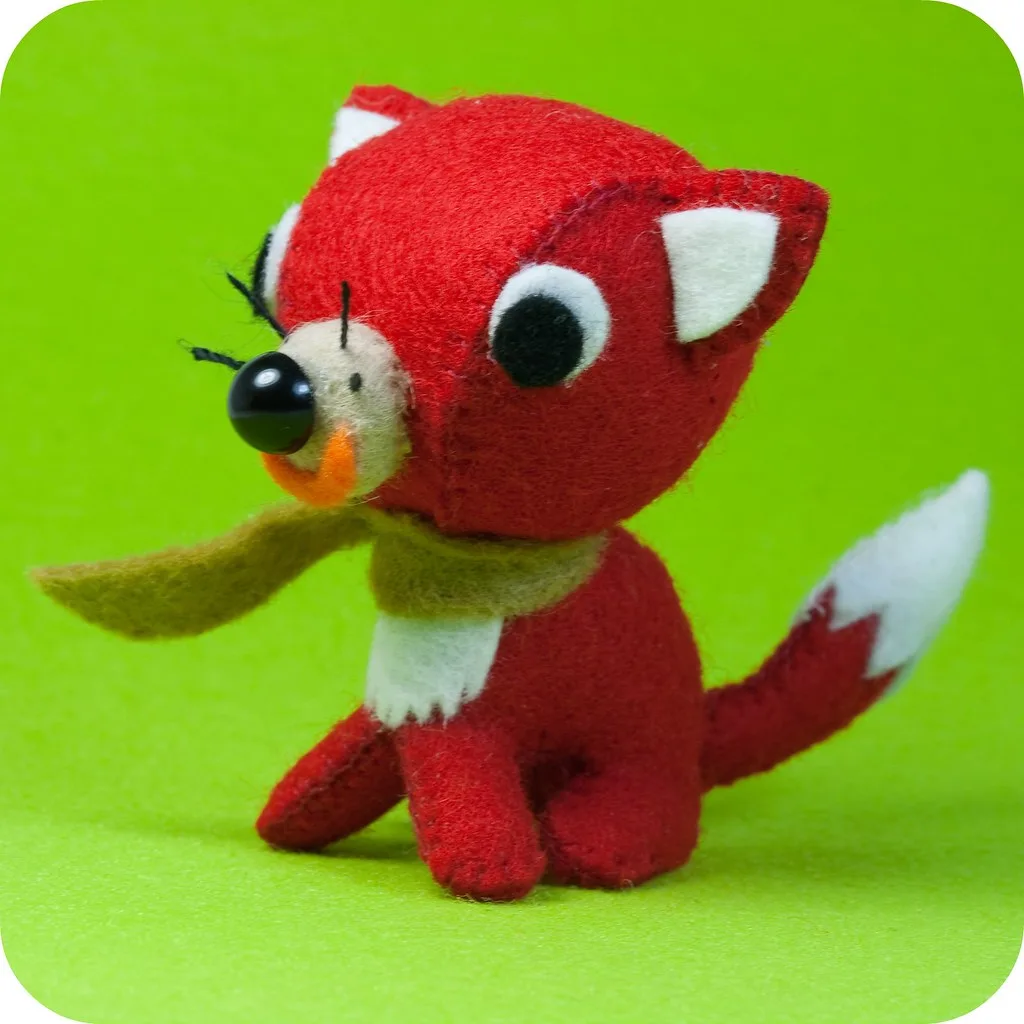
Felt does not fray, so a cat pattern is four shapes and no hemming. How to draw your own template, and what changes when the cat is going to be chewed.
6 min read Beginner
Guilds, craft schools, fibre festivals and studio makers run most of the teaching, and almost none of it shows up in a search for "classes near me". Here is where to actually look.
4 min read Beginner
Wet felting makes bodies, not faces. Build the animal as a hollow form over a resist, full it hard, then dry-felt the detail on top — that combination is how the best felted animals are made.
4 min read Intermediate
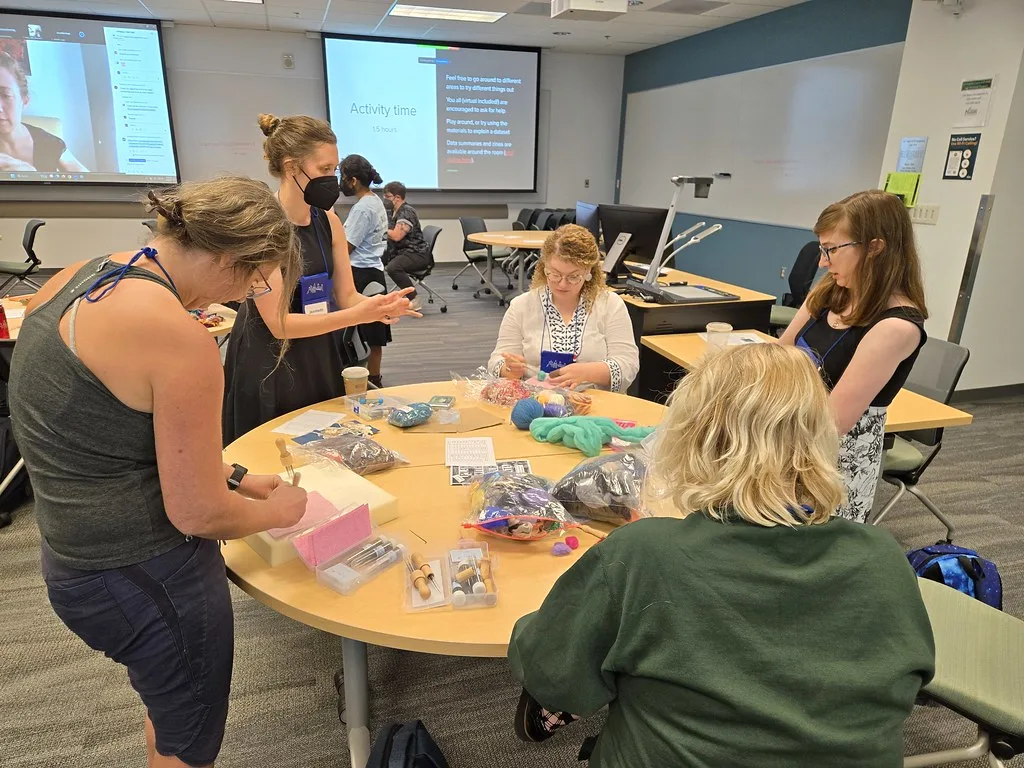
Needle felting is the easiest fibre craft to teach yourself and one of the most rewarding to be taught, for one specific reason: someone can look at your work and tell you it is not dense enough.
3 min read Beginner
A mouse is one shape. Get the teardrop right — fat at the back, tapering to a point at the nose — and the ears, tail and eyes take five minutes.
4 min read Beginner
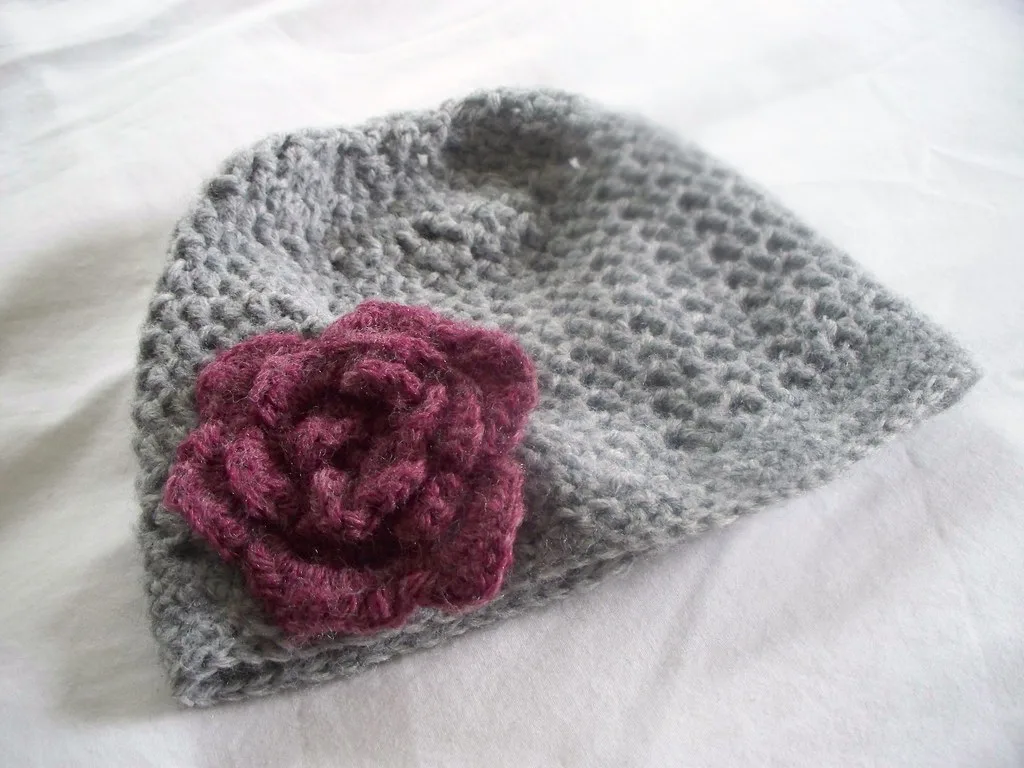
Crochet felts more slowly than knitting and shrinks less predictably, because the stitches are thicker and lock the yarn tighter. Allow for both and it makes the sturdiest felted fabric there is.
4 min read Intermediate
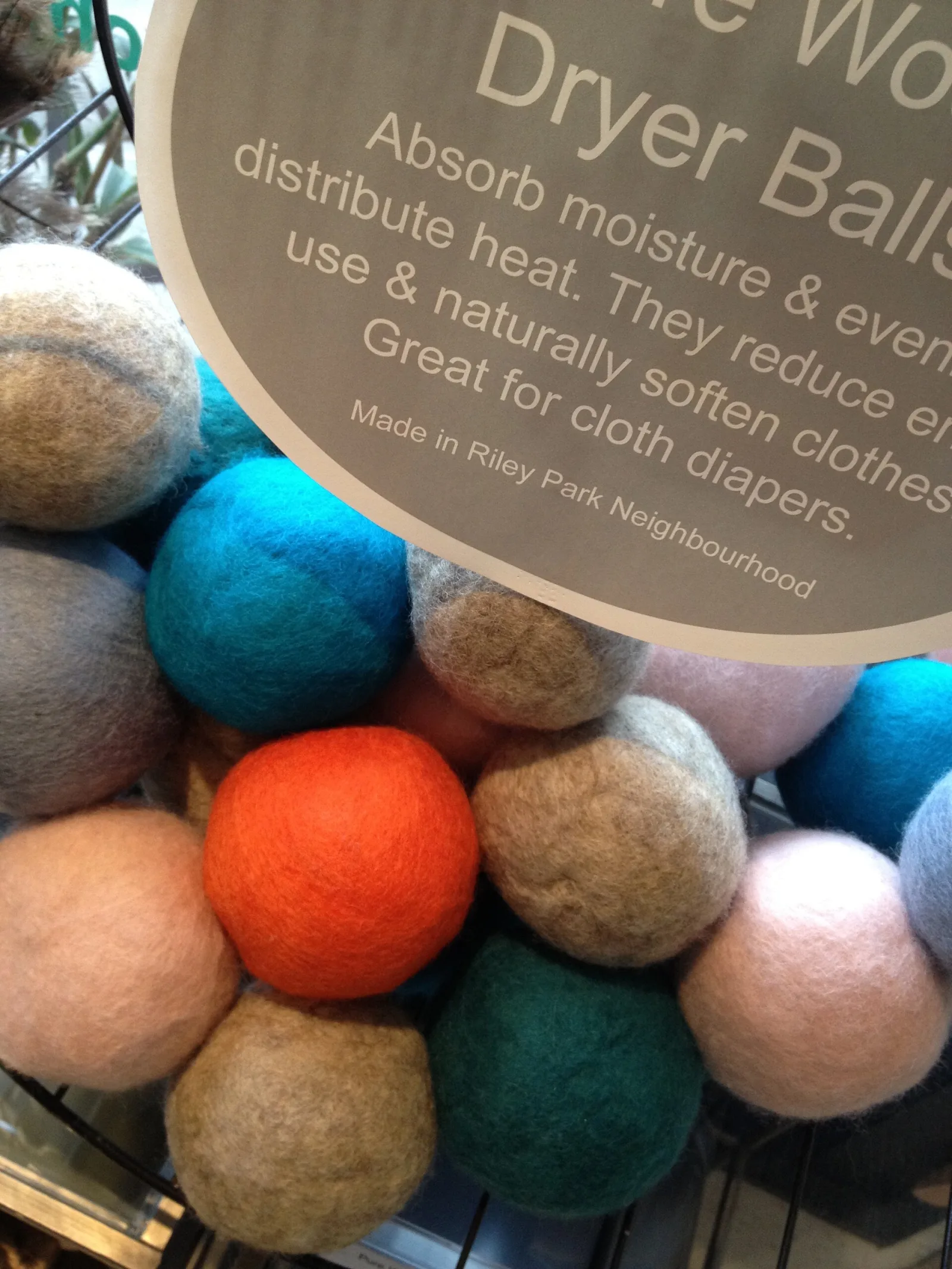
Three balls of felted wool in a tumble dryer cut drying time by roughly a fifth and replace fabric softener entirely. Making them takes an afternoon.
5 min read Beginner
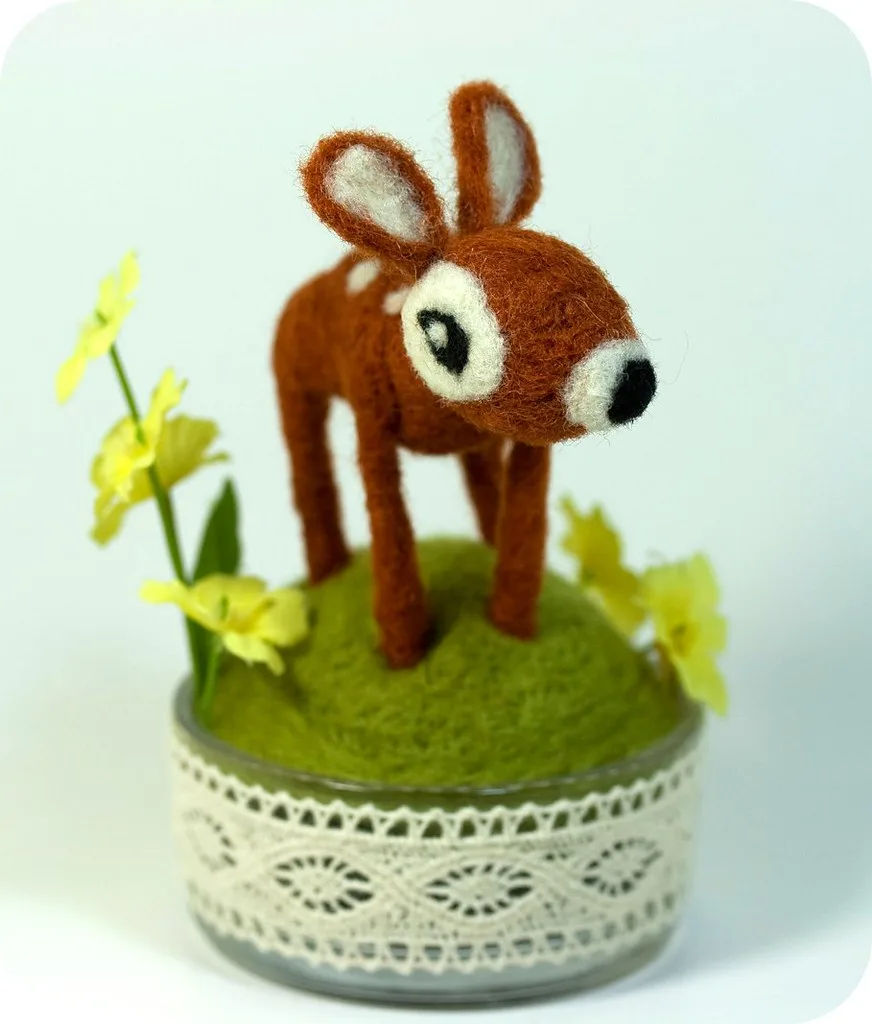
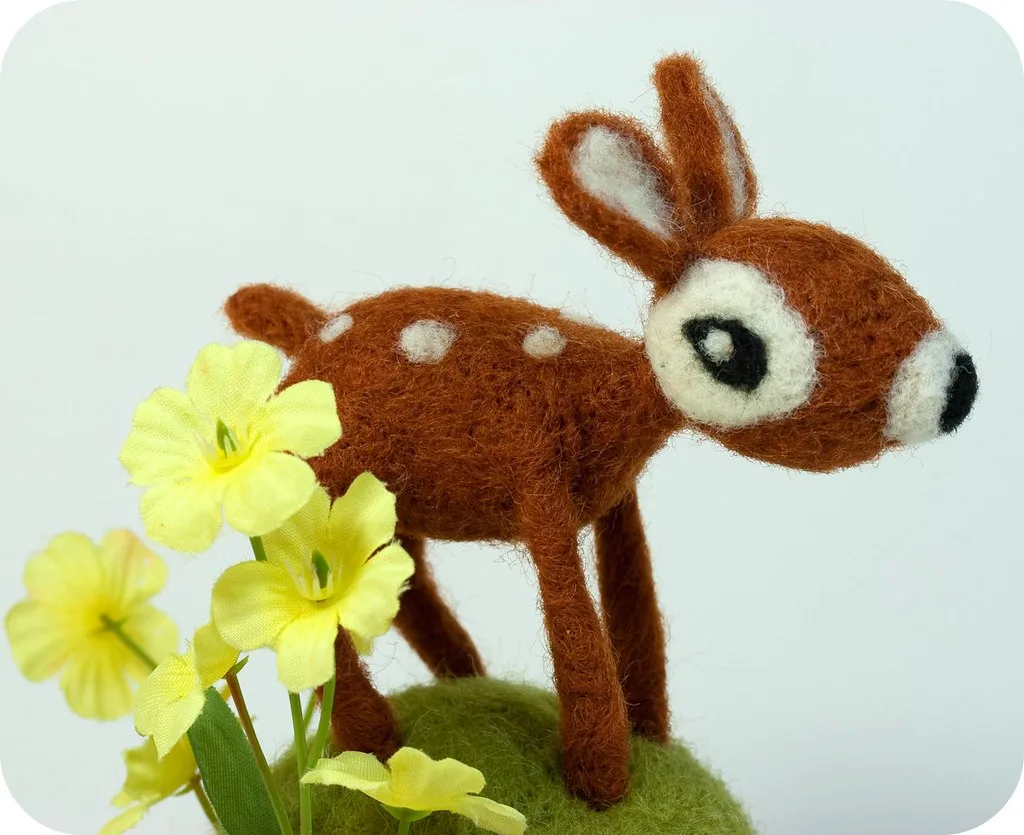
Sculpt wool into animals, figures and decorations with barbed needles. Start with the basics, then work up to armatures, faces and fine detail.
Warm water, soap and friction turn loose fibre into solid fabric. Learn layouts, shrinkage and resists for scarves, soaps, vessels and flat felt.
Felt merino through open-weave fabric to create light, drapey textiles. Fabric choice, fibre weight and migration, explained clearly.
Complete makes with photos at every stage — animals, flowers, ornaments and home decorations, sorted by how much experience they need.
Printable templates, measurements and shaping guides you can follow exactly, or adapt once you know what the shapes are doing.
Which needles, wool and mats are actually worth buying — what the gauges mean, what to skip, and what a starter kit really needs.
Fixes for the things that go wrong: fuzzy surfaces, broken needles, wool that will not felt, and shapes that refuse to hold.
The knitting side of working with wool — leaf patterns, casting on, needle sizes and knitting faster — including the pieces that go on to be felted.
Why leaves fall when they do, what a cobweb actually is, and the seasonal makes that follow from both.
What to do with the pumpkin once it is carved — cooking from fresh, including the parts most people throw away.