Supplies & Tools
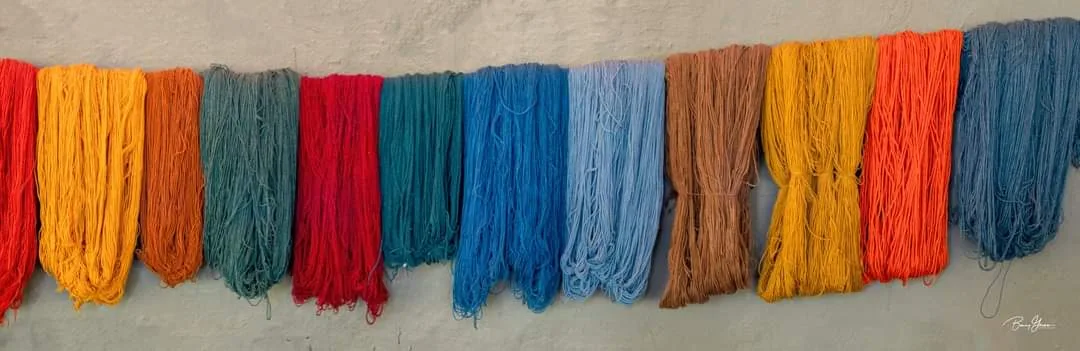
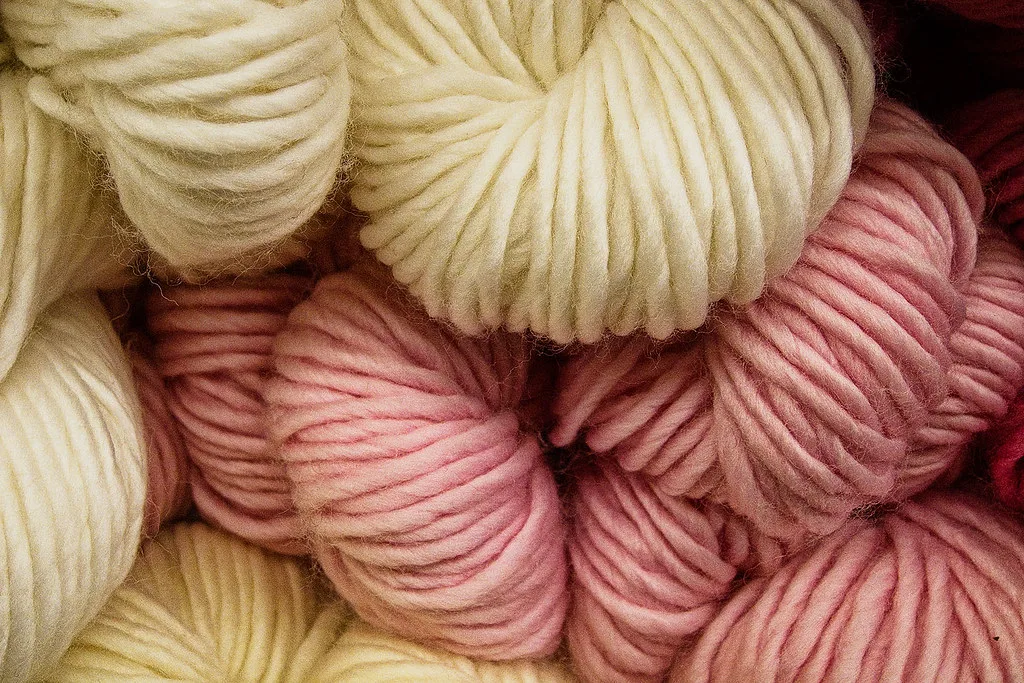
Felting Yarn
Half of all felted knitting projects fail at the yarn shop. How to read a label, how to test a swatch, and which yarns felt hardest.
4 min read Beginner
Half of all felted knitting projects fail at the yarn shop. How to read a label, how to test a swatch, and which yarns felt hardest.
4 min read Beginner
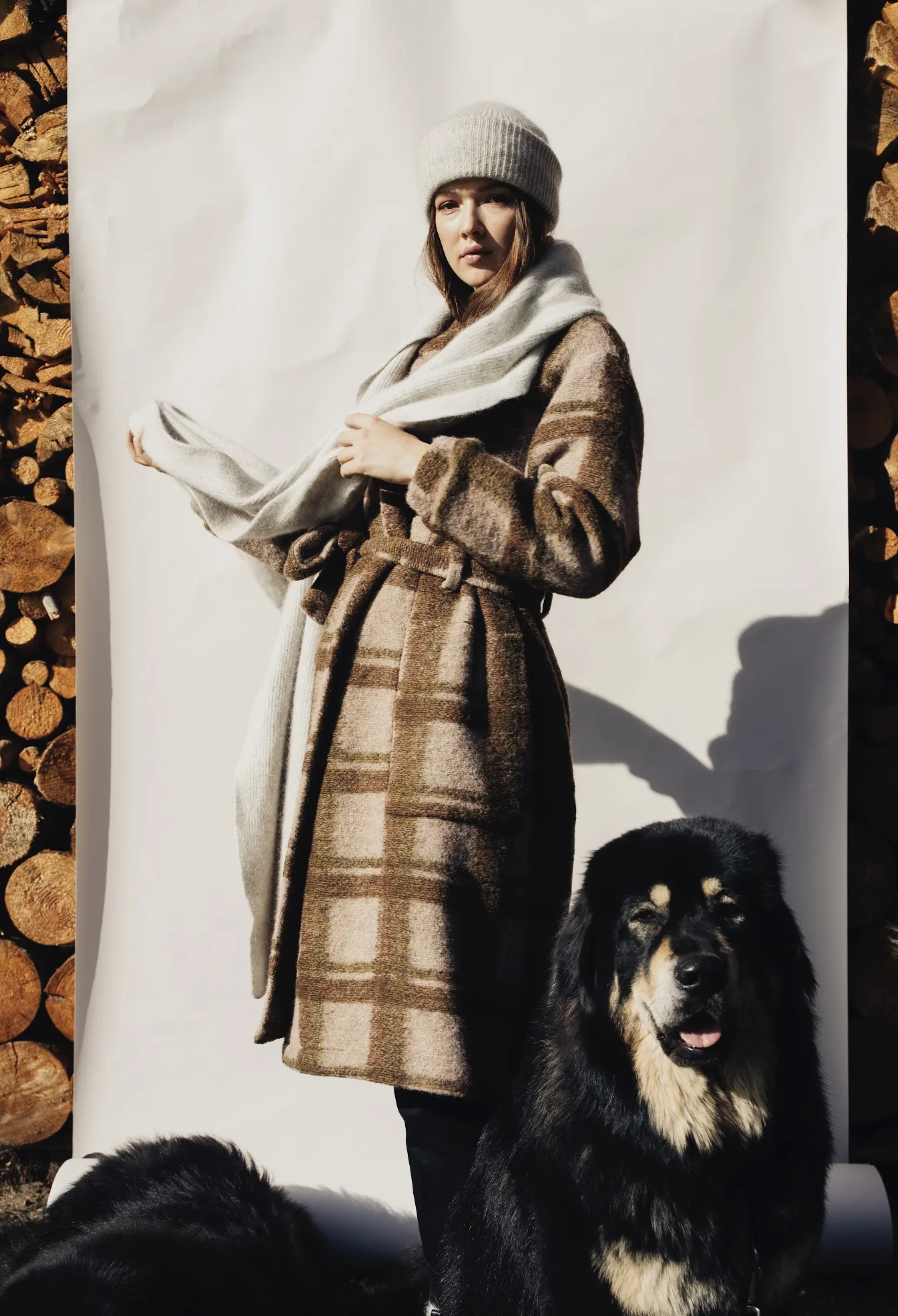
Undercoat felts, guard hair does not, and the difference decides whether you get a keepsake or a bag of fluff. How to collect, wash and work with it.
4 min read Intermediate
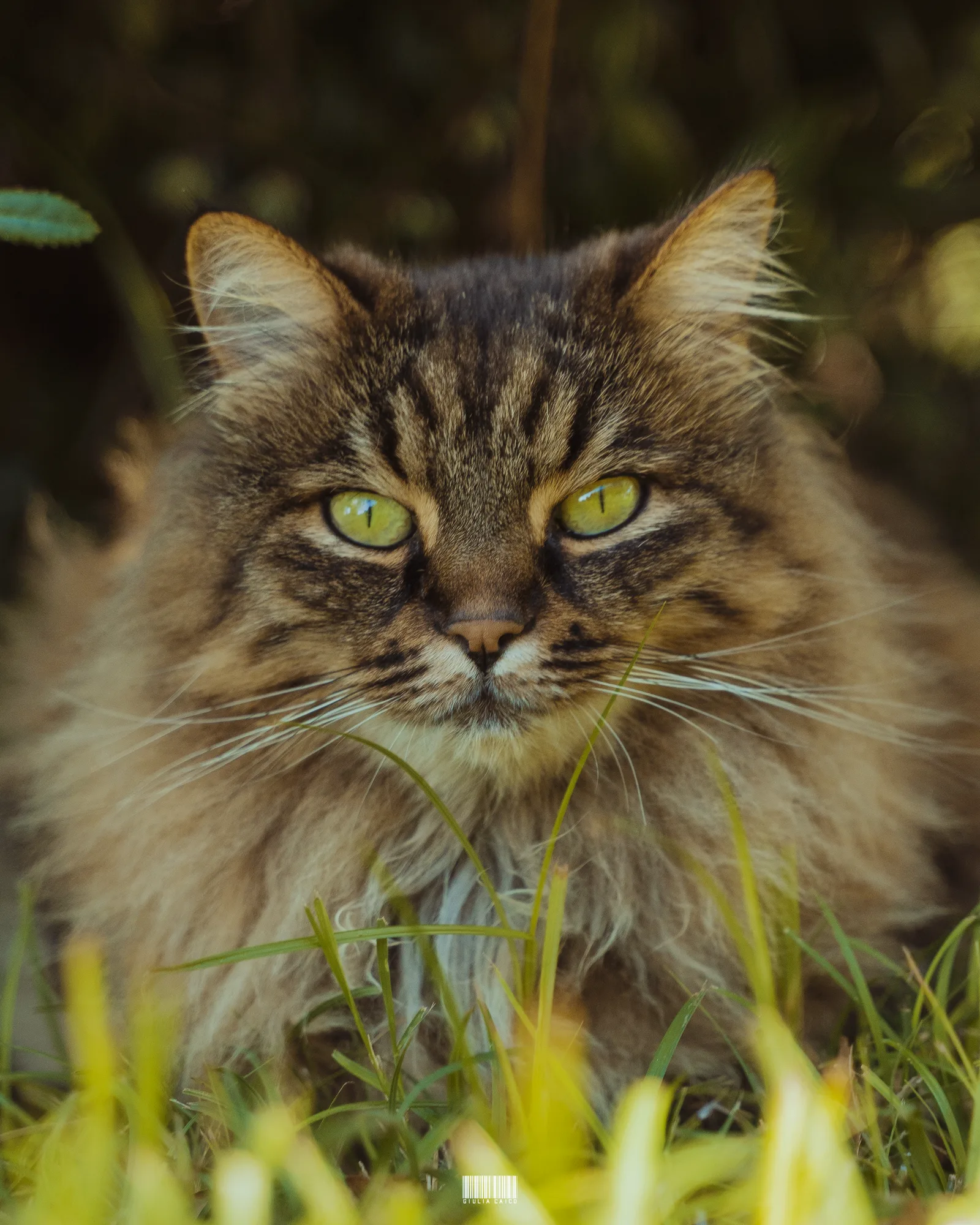
Cat fur felts more readily than dog hair and gives you far less of it. What to make with the small amount you get, and the one safety point worth knowing.
4 min read Intermediate
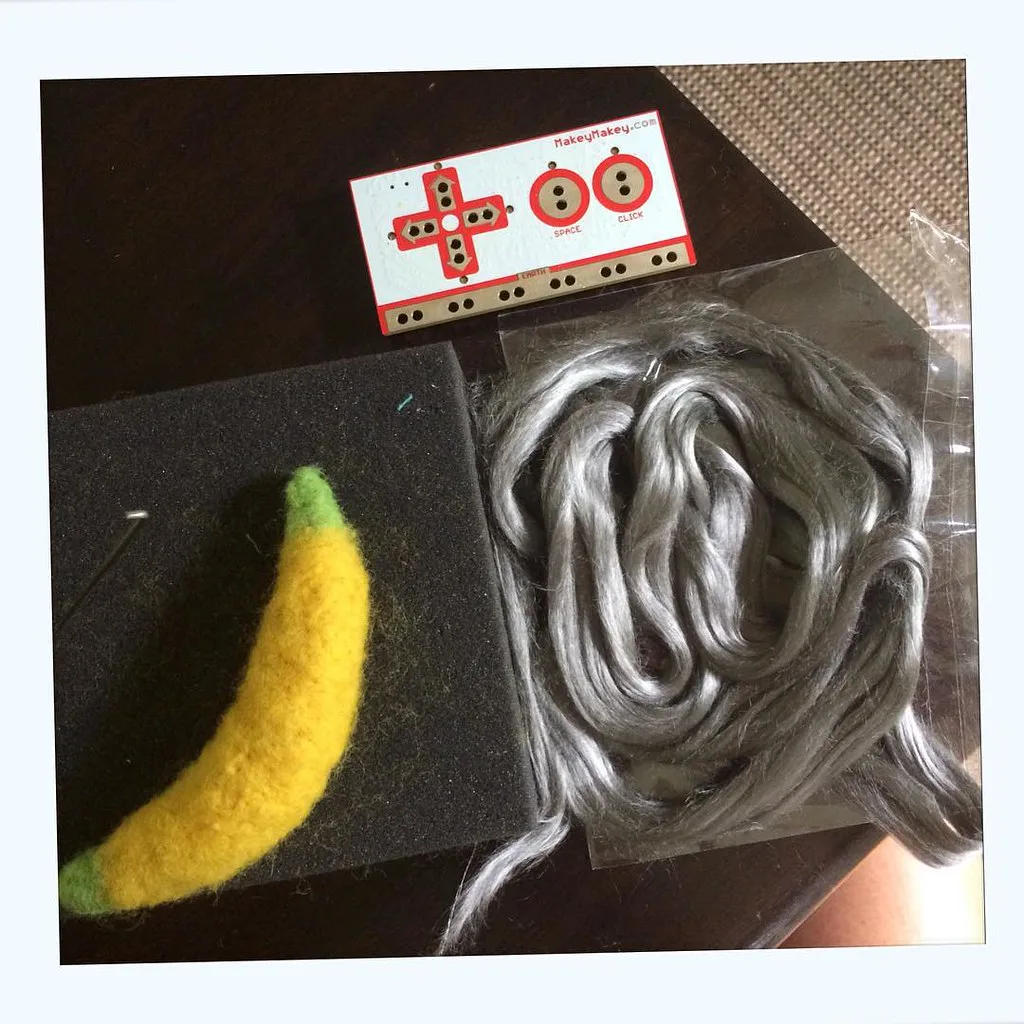
The mat only has one job: to receive the needle after it leaves the wool. How foam, brush and wool felting pads compare, how to make one, and which household stand-ins work and which snap needles.
5 min read Beginner
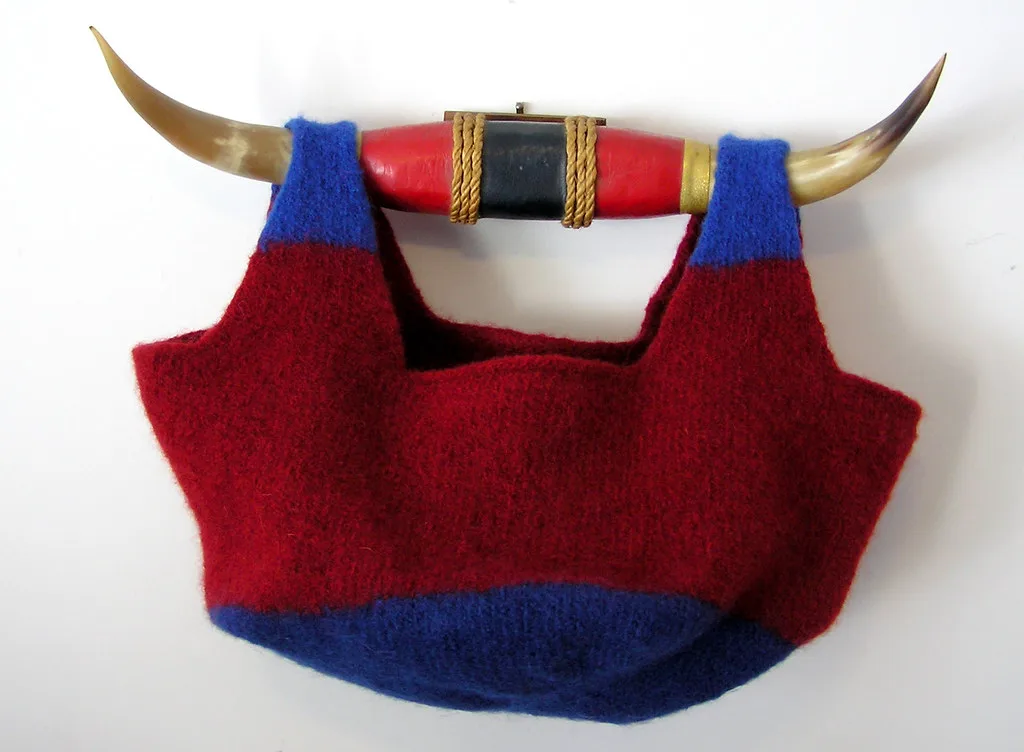
Knit it huge and loose, wash it hot, and it becomes dense fabric that never frays. The rules for hitting a target size instead of a felted disappointment.
4 min read Intermediate
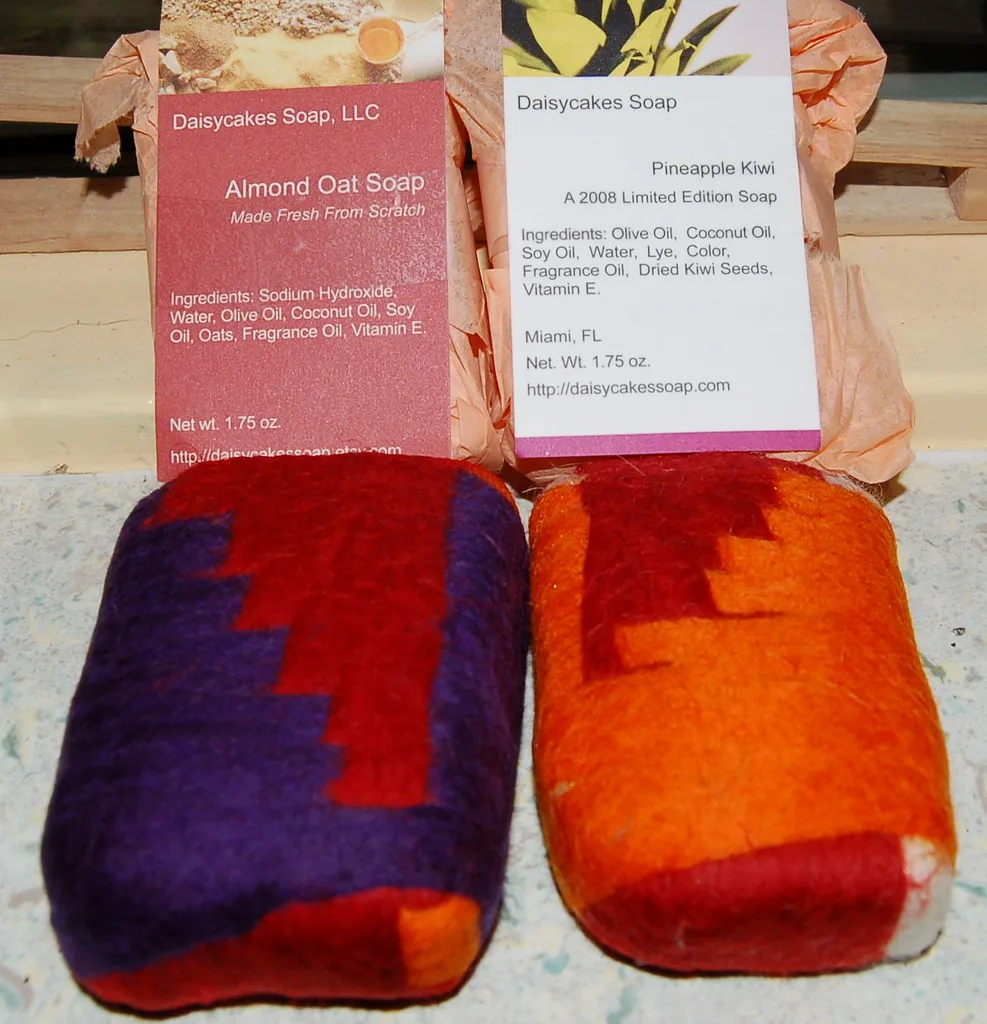
A bar of soap wrapped in felt is a flannel and a soap dish in one. What it actually does for the bar, for your skin, and the hygiene question people always ask.
5 min read Beginner
A felt rug pad is not the same thing as a non-slip pad, and buying the wrong one is why rugs still creep across hardwood floors.
3 min read Beginner
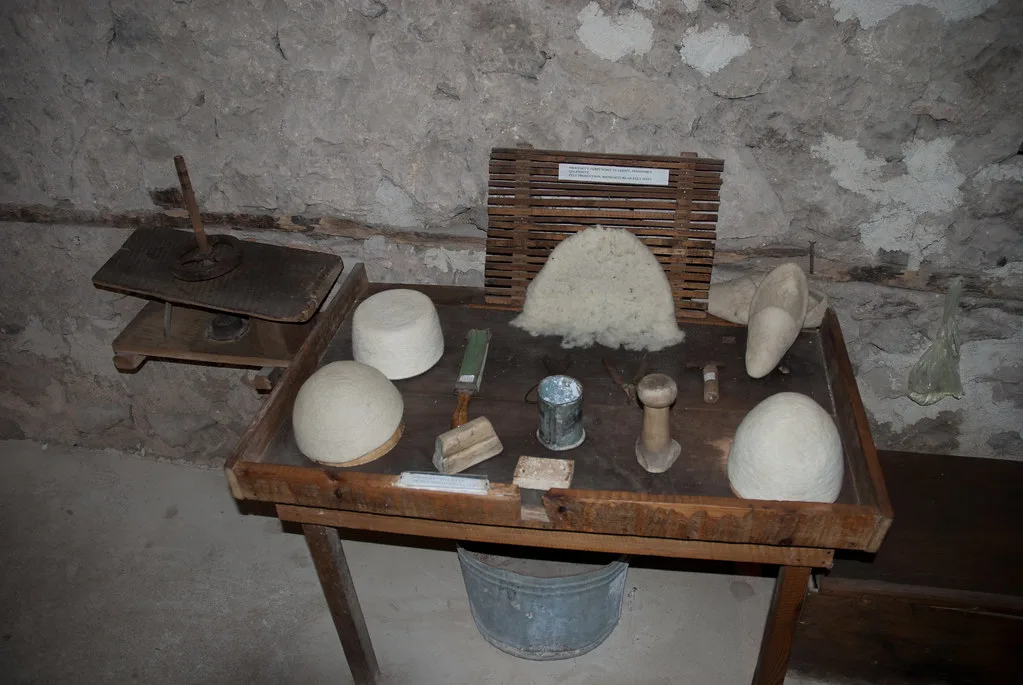
A hat blank is felt already shaped into a rough cone or capeline, waiting to be blocked. Which shape to buy, what the grades mean, and what it costs to start.
4 min read Advanced
Dyeing a finished wool garment is the same chemistry as dyeing fibre, with one extra hazard — everything that makes the dye bond also makes wool felt.
7 min read Intermediate
Combining the two methods is standard practice, not a compromise. What wet felting does to a needled piece, in which order to work, and when it ruins things.
3 min read Intermediate
Alpaca has fewer scales than sheep wool, so it felts more slowly and drapes far better. Where that trade-off helps, and where you should blend it with wool instead.
4 min read Intermediate
Felt shrinks by a third or more, and not evenly in both directions. Rates by fibre, how to size a felting project so it fits, why a sweater shrinks in the dryer, and how far a shrunk one can be stretched back.
11 min read Intermediate
Sculpt wool into animals, figures and decorations with barbed needles. Start with the basics, then work up to armatures, faces and fine detail.
Warm water, soap and friction turn loose fibre into solid fabric. Learn layouts, shrinkage and resists for scarves, soaps, vessels and flat felt.
Felt merino through open-weave fabric to create light, drapey textiles. Fabric choice, fibre weight and migration, explained clearly.
Complete makes with photos at every stage — animals, flowers, ornaments and home decorations, sorted by how much experience they need.
Printable templates, measurements and shaping guides you can follow exactly, or adapt once you know what the shapes are doing.
The core techniques, one skill at a time — each written as a sequence you can follow at the table with wool in your hands.
Which needles, wool and mats are actually worth buying — what the gauges mean, what to skip, and what a starter kit really needs.
The knitting side of working with wool — leaf patterns, casting on, needle sizes and knitting faster — including the pieces that go on to be felted.
Why leaves fall when they do, what a cobweb actually is, and the seasonal makes that follow from both.
What to do with the pumpkin once it is carved — cooking from fresh, including the parts most people throw away.