Wool Batting for Felting: Batts, Wadding and Stuffing
4 min read Beginner
We may earn a commission from links on this page, at no extra cost to you. As an Amazon Associate I earn from qualifying purchases. Learn more.
Carded batts felt faster than combed tops and cost less per gram. What batting is, which kind to buy, and why quilters and felters want different things from it.
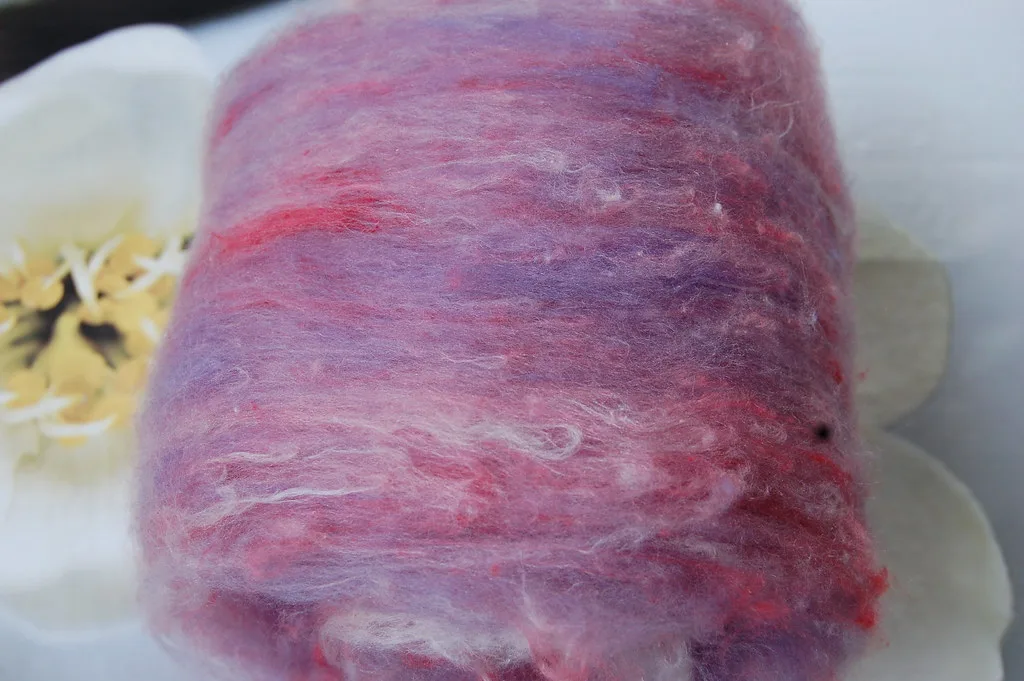
Most felters buy tops, use tops, and never touch a batt. It is a habit rather than a decision, and it costs them both time and money — carded batting felts faster than combed tops and usually sells for less per gram.
What batting actually is
Wool goes through a carding machine, which opens the locks and lays the fibres into a light, even sheet. That sheet is a batt. If it is then drawn out into a rope, you get roving; if it is combed to remove short fibres and align everything perfectly, you get tops.
So a batt is the stage before the fibre is tidied up. The fibres cross each other in every direction, there is more air in it, and short fibres that combing would have thrown away are still present.
Why the mess helps
Felting is a matter of getting fibres to tangle. A felting needle drags fibres downwards past each other; combed tops, where everything already runs the same way, give the barbs relatively little to work with on the first passes. In a batt the fibres already lie across one another, so the tangling starts immediately.
In practice a batt core compacts perhaps a third faster than the same weight of tops. It matters most on the tedious part — the first minutes of building a shape, before there is anything to look at.
The three kinds you will see
- Craft batts from fibre suppliers. Pure wool, often dyed, sometimes blended with silk or bamboo. This is the one to buy for felting.
- Quilters wadding sold by the metre. Frequently a wool-polyester blend, and usually resin-bonded or needle-punched onto a light scrim so it will not shift inside a quilt. Both treatments interfere badly with felting.
- Wool stuffing or wool wadding sold loose by weight. Unbonded, cheap, coarse. Fine for cores and for stuffing.
The label to look for is 100% wool, unbonded, not superwash. If a quilt wadding says "resin bonded", "thermally bonded" or "with scrim", it will fight you.
Where batting is the right material
- Cores. Anything hidden inside a sculpture. Cheap undyed batt is the single best value fibre in felting.
- Volume in a hurry. Large shapes — pumpkins, bowls, animal bodies — where you need bulk before you need finesse.
- Wet felting a thick fabric. Batts lay down as sheets already, which saves the layering step. Useful for rugs and seat pads.
- Stuffing. Wool-stuffed toys and cushions feel substantially better than polyester ones and they hold shape.
- Doll making. Wool batting is the traditional filling for waldorf-style dolls, wrapped firmly rather than stuffed loosely.
Where tops still win
Surfaces. A batt has short fibres and slight irregularities that show as fuzz on a finished piece, and it does not lay down in the smooth thin veils that wet felting a scarf requires. Build with batt, finish with tops — that division covers most work.
Colour work is the other exception. Batts are dyed in fewer shades and blend less predictably than combed tops, so for anything where the colour is the point, see blending wool colours and use tops.
How to handle a batt
Peel, do not cut. A batt splits into thinner layers if you take a corner and pull the sheet apart through its thickness — you can usually get three or four usable veils out of one commercial batt. For cores, tear off a piece roughly the size you want and roll it tightly rather than scrunching it, exactly as you would when making a needle felted ball.
Loose batting compresses enormously. A shape built from batt loses more volume than one built from tops, so start bigger than feels sensible.
Making your own batts
Hand carders or a drum carder turn washed fleece, dyed scraps and leftover ends into batts of exactly the blend you want. It is the cheapest wool in felting if you have access to raw fleece, and the only practical way to make a custom colour blend in quantity. The process is covered in carding wool by hand.
Buying sensibly
Undyed core batt by the kilo is the workhorse — expect to pay roughly what 100 g of dyed merino costs for ten times the weight. Add a few dyed craft batts only when you want a texture that tops cannot give, such as a blended landscape or a tweedy animal coat.
Store it flat or loosely rolled. Batting that has been vacuum-packed comes out compressed into something closer to felt than fibre, and it needs teasing back apart before it is usable.
Frequently asked questions
Can you felt quilt batting?
Only if it is pure wool and not resin-bonded or needle-punched onto a scrim. Most quilters wadding is wool blended with polyester or stabilised so it will not shift, and both treatments stop it felting properly. Check the fibre content before buying.
Is wool batting better than roving for needle felting?
For building bulk, yes. Carded batts have fibres running in every direction, which gives the needle barbs more to catch, so a batt compacts noticeably faster than combed tops. For smooth surfaces, tops still win.
What is the difference between batting, wadding and batts?
Nothing much. Wadding is the British word, batting the American one, and a batt is a single carded sheet of it. Craft batts sold by fibre shops and quilters wadding sold by the metre differ mainly in how they are finished.
Can I use wool batting as stuffing?
Yes, and it is excellent for it — wool stuffing gives a firmer, heavier, more natural feel than polyester. Tease it apart into loose handfuls first rather than pushing sheets in whole, or you get lumps.