Wool Batting for Quilts: Loft, Bearding and Why It Is Not Felting Batt
3 min read Intermediate
We may earn a commission from links on this page, at no extra cost to you. As an Amazon Associate I earn from qualifying purchases. Learn more.
Quilters and felters both buy wool batting and want opposite things from it. What the bonding and scrim on quilt wadding do, and why it will not felt.
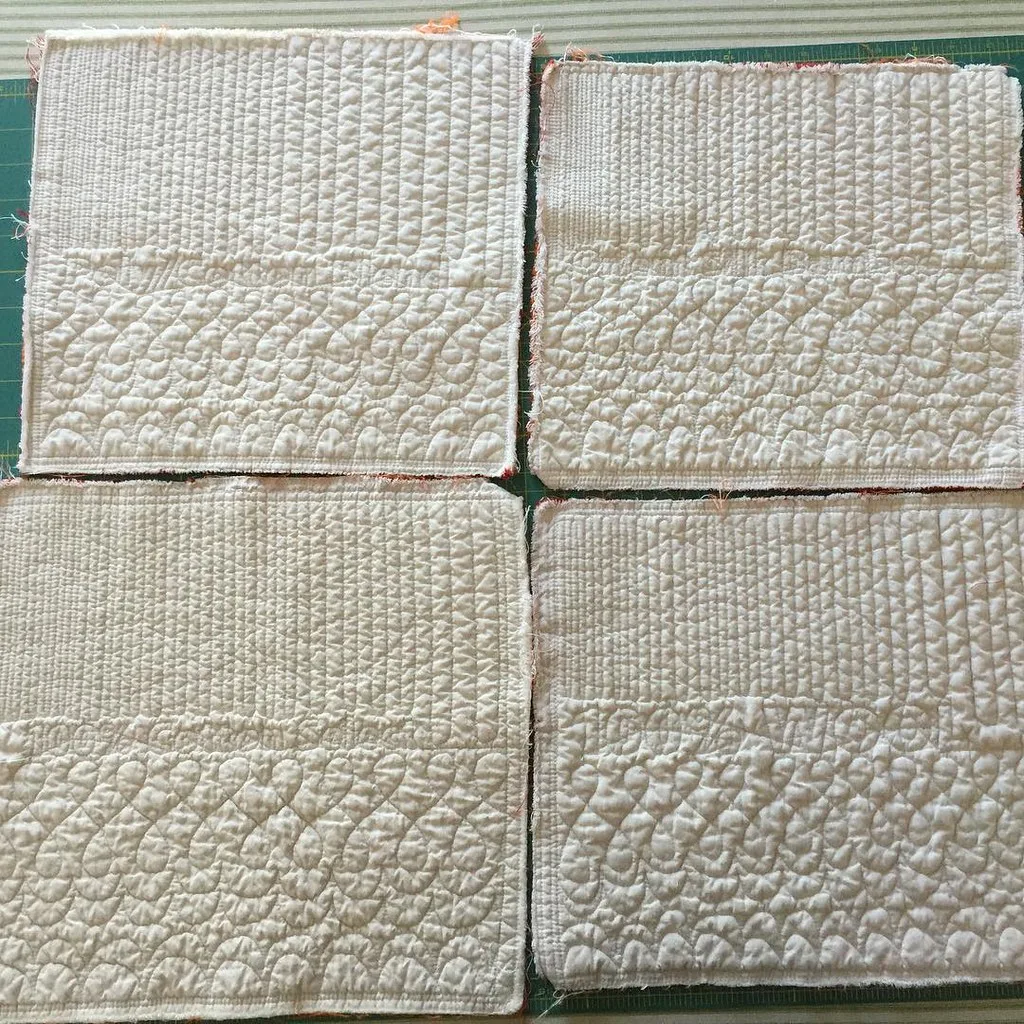
Two crafts buy wool batting and want opposite properties from it. Quilters want a sheet that stays exactly where it is put and never migrates. Felters want fibre that migrates freely and locks together.
The manufacturers who serve quilters achieve stability by bonding or needle-punching the batt, and that is precisely what stops a felter using it. Worth understanding before you buy either.
What quilt wadding is
A carded sheet of wool, usually 100 to 350 g per square metre, treated in one of three ways:
- Resin bonded — a light binder sprayed through the batt holding fibres in place.
- Thermally bonded — a low-melt fibre through the batt fused with heat.
- Needle-punched, often with a scrim — mechanically entangled, frequently onto a thin stabilising base cloth.
All three exist to stop the batt shifting, clumping or bearding inside a finished quilt over years of washing.
Why quilters choose wool
- Loft with drape. Wool gives noticeably more dimension than cotton while still hanging softly — quilting lines stand out without the quilt going stiff.
- Warmth without weight. Wool insulates better per gram than cotton or polyester.
- Wide quilting distance. Many wool waddings allow 10 to 15 cm between quilting lines, against 5 cm or less for some cottons. Less quilting to do.
- It holds a crease badly, in a good way — a wool quilt folded for months relaxes flat again.
- Breathability. Comfortable across a wider temperature range than polyester.
The drawbacks
- Price. Two to three times cotton wadding.
- Bearding. Fibres migrating through the quilt top as fuzz, especially with dark, loosely woven fabrics.
- Washing care. Even treated wool wadding dislikes hot agitated washing, for reasons any felter will recognise.
- Moths. Wool is wool, whether inside a quilt or not.
Shrinkage
Pre-shrunk wool wadding shrinks about 3 to 5% on the first wash, which produces the soft crinkled texture many quilters actively want. Untreated wool batting can shrink far more and unevenly, distorting the whole quilt.
If you want no crinkle at all, pre-wash the wadding by soaking it flat in cool water and drying it flat — with no agitation whatsoever, which is the same rule that keeps roving from felting during dyeing.
Why it will not felt
Felting needs fibres free to slide past each other and tangle. Resin and thermal bonding glue them in place; a scrim gives the batt a structure that resists compaction entirely.
A needle-punched, scrim-backed wadding under a felting needle produces a slightly denser version of itself and nothing more. Wet felting it gives a damp sheet that comes apart when you pull at it.
What a felter wants instead is unbonded carded batt from a fibre supplier — the whole comparison is in wool batting for felting.
Which wadding can be felted
Occasionally you find pure wool wadding sold unbonded, sometimes as wool wadding for duvets, mattress toppers or upholstery rather than for quilting. That will felt perfectly well and is often very good value by the roll.
Read for these words:
- Will felt: 100% wool, unbonded, no scrim, not superwash.
- Will not felt: resin bonded, thermally bonded, scrim, stabilised, needle-punched onto a base, superwash, any polyester content above a few per cent.
Testing a batt you already own
Pull a small piece off, wet it with hot soapy water, and rub it hard between your palms for two minutes. Unbonded wool will start to hold together as a solid patch. Bonded wadding will stay a soggy sheet that pulls apart.
Two minutes, and it saves committing a whole project to the wrong material — the same principle as the swatch test in felting yarn.
Other uses for wool batting
Whichever type you have, wool batting is excellent stuffing for cushions, toys and dolls — firm, weighty and warm in a way polyester is not. Bonding does not matter there, and it is the best use for a leftover roll. See how to make felt dolls.
Frequently asked questions
Can you use quilt wadding for felting?
Usually not. Most wool quilt wadding is resin bonded or needle-punched onto a scrim to stop it shifting inside a quilt, and both treatments prevent the fibres migrating, which is exactly what felting needs.
What is bearding in wool batting?
Fibres working their way through the quilt top and appearing as fuzz on the surface. It happens with unbonded batting and loosely woven fabrics, and scrim-backed or bonded wadding is designed to prevent it.
How much does wool batting shrink in a quilt?
Around 3 to 5% for pre-shrunk wool wadding, which gives a light crinkle after the first wash. Unwashed, untreated wool batting can shrink far more and unevenly, which is why quilters buy it treated.
How far apart can you quilt wool batting?
Most wool waddings allow quilting up to 10 to 15 cm apart, considerably further than cotton. Check the manufacturer's stated maximum, since it varies with the bonding method.