Fast Knitting Techniques: What the Speed Knitters Actually Do
4 min read
Speed comes from cutting motion, not from hurrying. The fastest knitters in the world move the yarn a few millimetres per stitch and never let go of the needle.
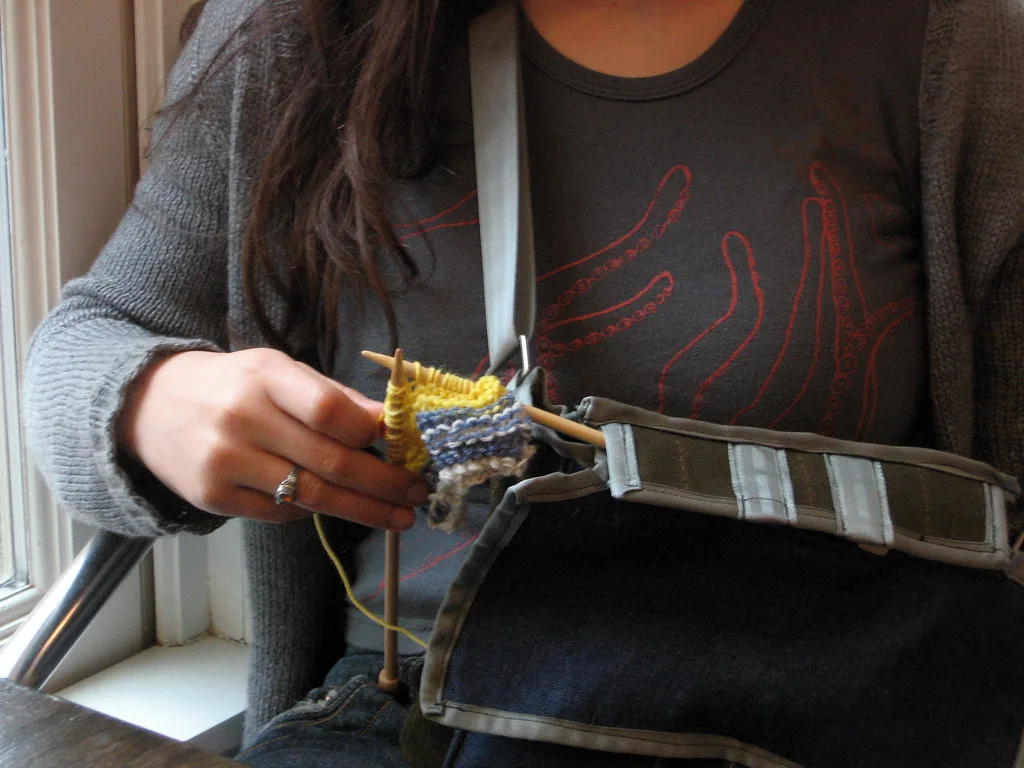
Knitting speed is a motion problem. Every stitch is the same handful of movements repeated tens of thousands of times, so shaving two centimetres off the path the yarn travels is worth more than any amount of trying harder.
The four styles, slowest to fastest
English (throwing)
Yarn in the right hand, released to wrap around the needle. The wrap is a whole-hand movement, and it is the single biggest cost in the stitch. Typical fluent speed: 20–30 stitches a minute.
Continental (picking)
Yarn held in the left hand and hooked with the right needle tip. The yarn never leaves the fingers, so the movement is a few millimetres instead of several centimetres. Typical fluent speed: 30–50 a minute.
- Tension the yarn over the left index finger, held about 3 cm above the needle.
- Purling is the hard part — the yarn has to move forward. Combination purling or Norwegian purling both reduce the movement.
- The natural choice if you crochet, because the left hand already does this job.
Portuguese
The yarn runs around the back of the neck or through a pin on the shoulder, and the thumb flicks it over the needle. Purl stitches become the easy ones, which makes it very fast in rib and in flat stocking stitch worked back and forth.
- Tension comes from the neck or pin, not the fingers, so it suits arthritic hands.
- Fluent speed is comparable to continental, and faster than anything else for purl-heavy fabric.
Lever (Irish cottage, Shetland)
The right needle is fixed — clamped under the arm, or seated in a knitting belt or leather pouch at the hip — and does not move. The right hand pivots around it and only the yarn moves. This is what the speed records are set with.
- Requires long straight needles (25–35 cm) or double-pointed needles with a belt.
- The stationary needle removes the whole "lift and reposition" motion of ordinary knitting.
- Takes the longest to learn and gives the biggest gain — fluent knitters run at 60–100 stitches a minute.
The records, for scale
- 118 stitches in one minute — Miriam Tegels, 2006, the Guinness record, knitting continental.
- 262 stitches in three minutes — Hazel Tindall, 2004, at the world's fastest knitter competition, using Shetland belt technique. She won again in 2008.
Both figures are plain knit stitches on large needles in good yarn. Real project speed is a fraction of that, and always will be.
Four habits that add more than a style change
- Stop letting go of the needle. Time yourself: most knitters release and regrip once per stitch. Eliminating that alone is worth 20 per cent.
- Reduce the tip-to-tip distance. Keep the working stitches close to the tips of both needles instead of pushing them down the shaft.
- Use pointier needles for lace, blunter for plain. A sharp tip that snags costs more time than it saves in stocking stitch.
- Knit in the round where you can. No purl rows, no turning, no edge stitches. It is often the largest single speed gain in a real project.
Equipment that genuinely helps
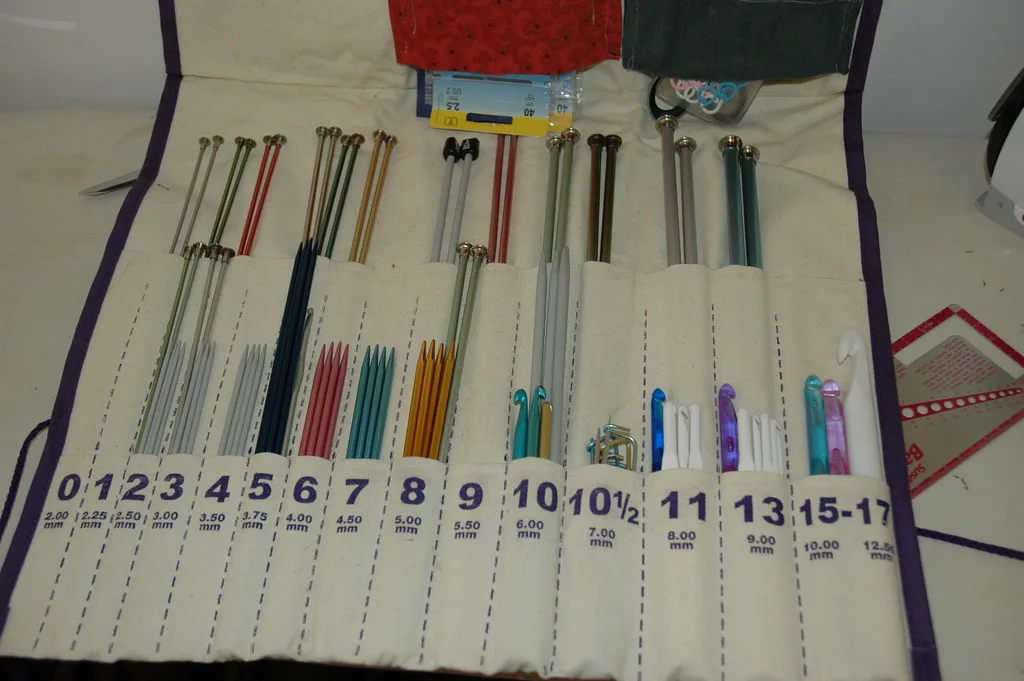
- Metal needles. Stitches slide; bamboo grips. For speed, nickel-plated brass is the standard choice.
- Circular needles worked flat. The cable carries the weight, so your hands do not.
- A knitting belt or sheath if you want to try lever technique properly. Shetland belts cost little and are the whole basis of the style.
- Smooth, round yarn. Splitty singles and fuzzy mohair cost stitches per minute regardless of technique.
How to actually change style
- Pick one style and commit to it for a whole project.
- Choose plain stocking stitch in a smooth DK — a dishcloth or a simple scarf.
- Accept being slower for two to three weeks. Everyone is.
- Do not alternate between styles during the transition; the muscle memory needs to form uninterrupted.
- Check your tension after a fortnight. Continental knitters often knit tighter than English at first, so reswatch before starting anything fitted.
The uncomfortable caveat
Speed and repetitive strain travel together. The fastest styles are fast because they use the smallest joints most repeatedly. Take a break every 30–40 minutes, stretch the forearms and thumbs, and stop entirely at the first sign of wrist or thumb pain — a strain injury costs weeks and no technique earns that back.
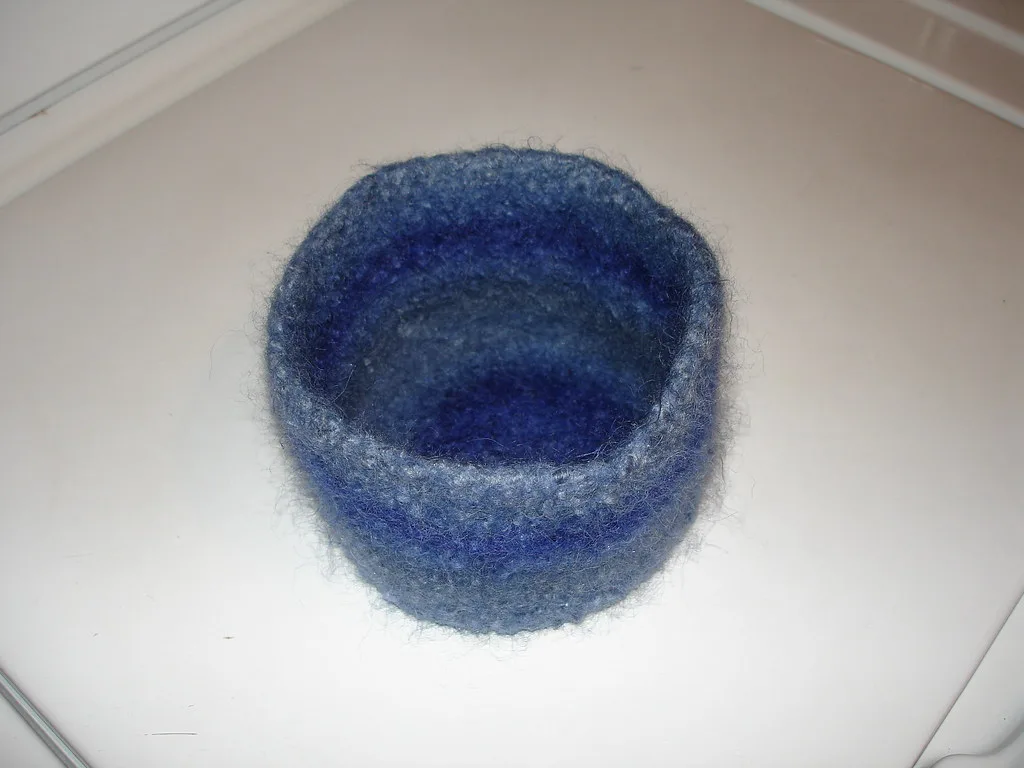
Knitting faster also matters most for the pieces you plan to destroy: felting a knitted item shrinks it by a third and hides all fine work, so a felted bag is exactly where large needles and a quick plain fabric belong. The same reasoning makes knitted felted slippers a good use of an evening: they are knitted deliberately huge in plain stocking stitch, and the washing machine does the shaping. See felting in knitting and the felted bag knitting pattern, which is knitted huge and fast on purpose.
Frequently asked questions
What is the fastest knitting technique?
Lever knitting — also called Irish cottage or Shetland style — where the right needle is anchored under the arm or in a knitting belt and the working hand only flicks the yarn. Competitive speed knitters overwhelmingly use it or a tight continental style.
How many stitches per minute is fast?
An average knitter works 20 to 30 stitches a minute. Sixty is fast, and around 100 is competition territory. The Guinness record, set by Miriam Tegels in 2006, is 118 stitches in one minute.
Is continental knitting faster than English?
Usually, because the yarn is held in the left hand and picked rather than thrown, which removes the largest movement in the stitch. The gain is typically 20 to 40 per cent once the style is fluent.
How long does it take to change knitting style?
Expect to be slower for two to three weeks. Most people switch successfully by knitting one simple project — a plain scarf or dishcloth — entirely in the new style rather than alternating.