Fresh Pumpkin Recipes: Nine Ways to Use a Whole One
4 min read
Fresh pumpkin is wetter and milder than the tinned kind, which changes every recipe it goes into. Roast it first, drain it properly, and the rest follows.
Almost every pumpkin recipe on the internet is written for tinned puree, which has been cooked down to a thick, concentrated paste. Fresh pumpkin has far more water in it, so a straight substitution makes soggy cakes and thin soup. Fix the water first and everything else works.
Which pumpkin to buy
- Crown Prince — grey-blue skin, dense orange flesh, sweet and nutty. The best all-rounder.
- Kabocha / Delica — dark green, dry, chestnut-like. Excellent roasted.
- Butternut — technically a squash, reliably good, and easiest to peel.
- Sugar pie pumpkin — small, orange, bred for baking.
- Carving pumpkin — thin, watery, mild. Fine for soup and stock, poor for baking.
A good pumpkin feels heavy for its size and sounds hollow when tapped. Whole and uncut, it keeps for months somewhere cool and dry.
1. Roasted pumpkin puree — the base for everything
- Heat the oven to 200°C / 180°C fan.
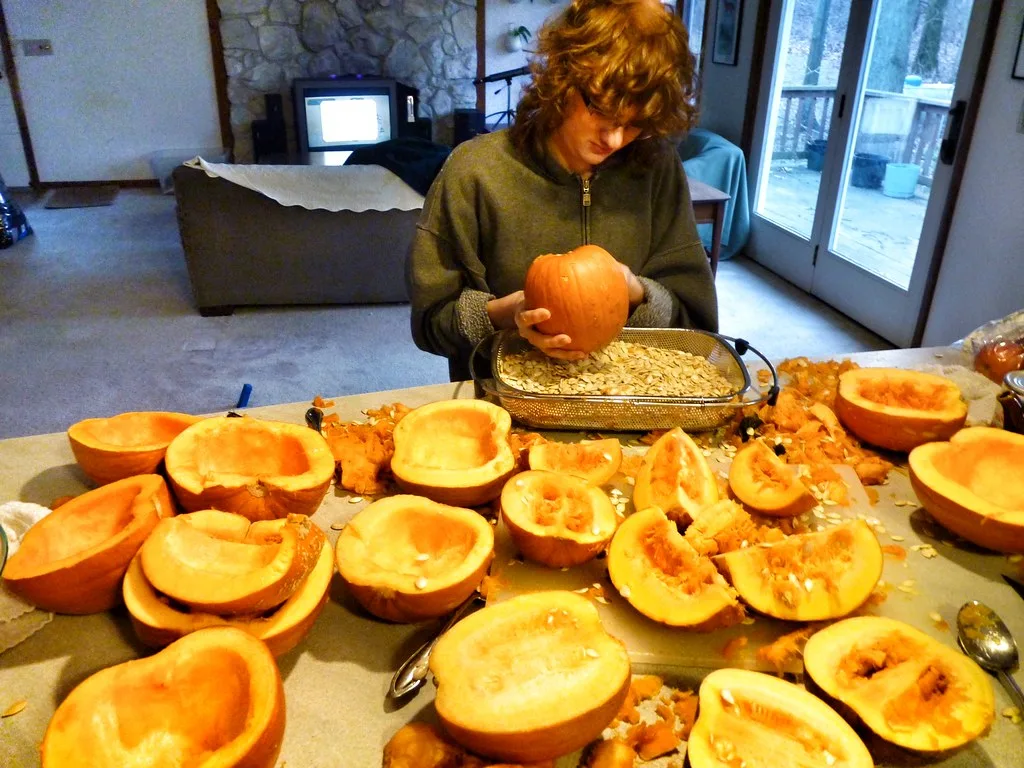
- Halve the pumpkin and scoop out the seeds and strings. Keep both — see what to do with pumpkin guts.
- Place cut side down on a lined tray. No oil needed.
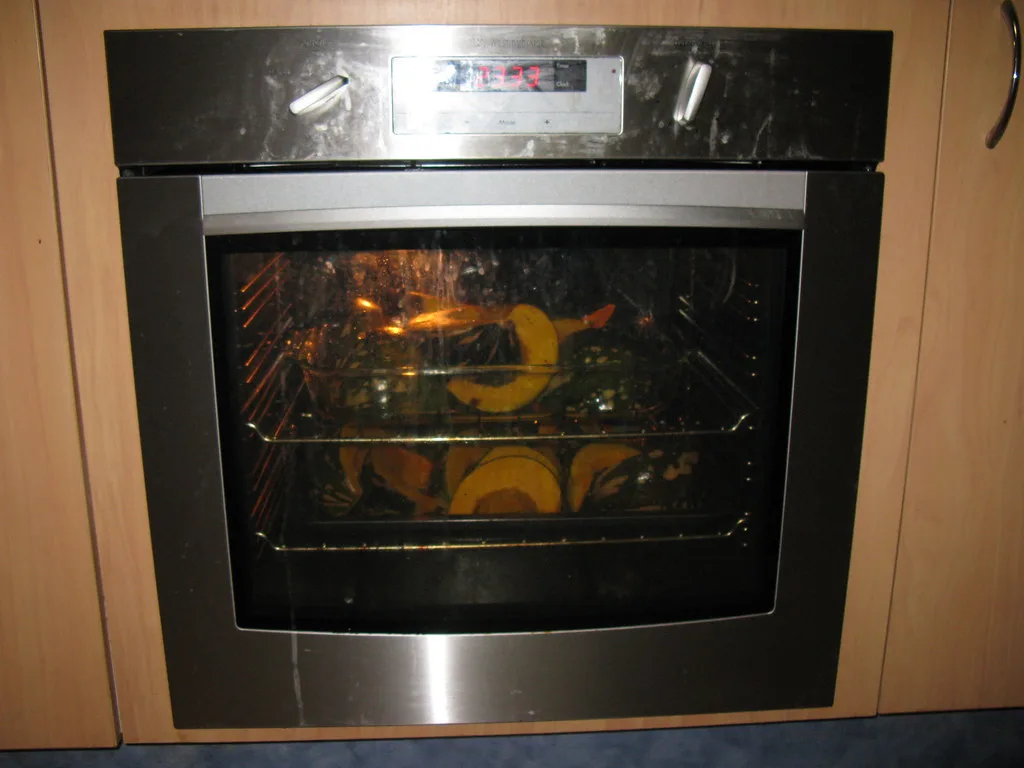
- Roast 40–55 minutes, until a knife slides into the flesh with no resistance.
- Cool until you can handle it, scoop the flesh from the skin, and blend smooth.
- Drain. Tip into a sieve lined with muslin or a clean tea towel and leave an hour, or overnight in the fridge. Expect to lose 15–25 per cent of the volume as water.
Roasting beats boiling by a wide margin: boiling adds water to a vegetable that already has too much, and washes out the flavour with it.
2. Pumpkin soup that is not bland
Serves 4.
- Roast 1 kg of pumpkin in wedges with olive oil, salt and a whole head of garlic, 35 minutes at 200°C, until the edges catch and brown.
- Soften a chopped onion in butter with a thumb of grated ginger.
- Add the roast flesh, the squeezed-out garlic, and 700 ml stock. Simmer 10 minutes.
- Blend, then season hard: salt, black pepper, and a tablespoon of cider vinegar or lemon juice.
- Finish with cream or coconut milk and toasted seeds.
The two things that rescue dull pumpkin soup are browning (roast, do not boil) and acid at the end.
3. Roast pumpkin wedges
Skin on, seeds out, 3 cm wedges. Toss with olive oil, salt, smoked paprika and a little honey. 200°C for 30–35 minutes, turning once. The skin of Crown Prince and kabocha is edible once roasted; carving pumpkin skin is not.
4. Pumpkin risotto
Dice half the pumpkin small and cook it into the risotto from the start so it collapses into the rice; roast the other half in cubes and stir it through at the end, so there is texture as well as colour. Sage butter and plenty of Parmesan.
5. Pumpkin curry
Pumpkin holds its shape better than potato in a curry and needs less time. Fry onion, garlic, ginger and curry paste, add 3 cm chunks and a tin of coconut milk, simmer 15–20 minutes. Chickpeas and spinach at the end.
6. Pumpkin gratin
Thin slices layered with cream, garlic and thyme, covered for 40 minutes at 180°C, then uncovered with grated cheese for 20 more. Salt the slices and pat them dry first — this is the recipe fresh pumpkin's water content ruins fastest.
7. Pumpkin loaf
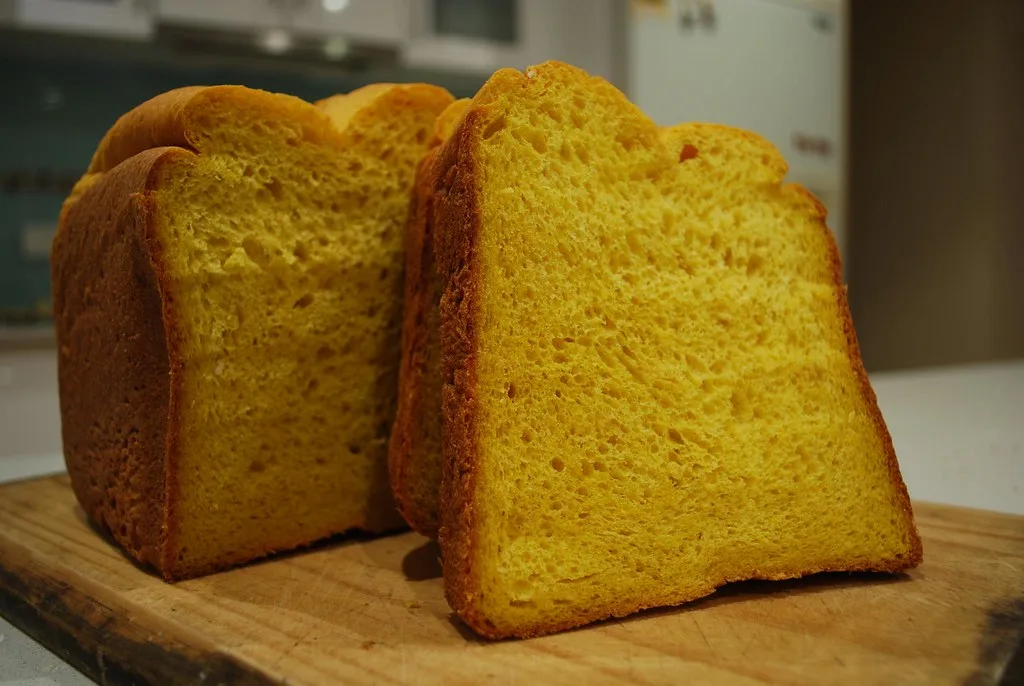
The classic use for the puree, and the recipe that most needs draining first. Full method, with the fresh-pumpkin adjustments, in the pumpkin loaf recipe.
8. Roasted pumpkin seeds
- Separate the seeds from the strings — easiest in a bowl of water, where the seeds sink and most of the fibre floats.
- Boil in salted water for 10 minutes. This is the step everyone skips, and it is what makes them crisp rather than leathery.
- Dry thoroughly on a towel, toss with oil and salt, and roast at 160°C for 20–25 minutes, stirring twice.
9. Pumpkin stock
The stringy insides make a light, sweet vegetable stock — the method is in the pumpkin guts recipe, along with what else that part is good for.
Storing what you do not use
- Whole, uncut: two to three months somewhere cool, dry and dark. Not the fridge.
- Cut: wrapped in the fridge, four to five days.
- Roasted flesh: five days in the fridge.
- Puree: freeze in 200 g and 400 g portions, six months. Drain before freezing.
- Raw cubes: freeze on a tray then bag. They go soft on thawing, so use them in soup and curry, not roasted.
A carved pumpkin, once it has stood out overnight with a candle in it, is compost rather than food. Cook the flesh on the day you hollow it out.
If you would rather have a pumpkin that lasts past November, the felted kind keeps indefinitely — see felted pumpkins.
Frequently asked questions
Can you cook with a carving pumpkin?
Yes, but it is the worst pumpkin for the job — bred for size and a hollow interior, so the flesh is thin, watery and mild. Use it for soup and stock rather than baking. Crown Prince, Delica, kabocha and butternut all have denser, sweeter flesh.
How do you make fresh pumpkin puree?
Halve the pumpkin, scoop out the seeds, roast cut side down at 200°C for 45 minutes until a knife goes in easily, scoop out the flesh and blend. Then drain it in a sieve or muslin for an hour — fresh puree holds far more water than tinned.
How much puree does a pumpkin give?
Roughly 40 to 50 per cent of the whole weight after seeds and skin. A 2 kg pumpkin gives about 900 g of puree before draining, and about 700 g after.
Can you freeze fresh pumpkin puree?
Yes, and it is the best way to store it. Freeze in 200 g or 400 g portions — the amounts recipes actually call for — and it keeps for six months. Drain before freezing, not after.