Pumpkin Loaf with Fresh Pumpkin: The Recipe, and the Water Problem
3 min read
Fresh pumpkin puree holds far more water than tinned. Drain it, cut the liquid elsewhere in the recipe, and you get a loaf that is moist rather than wet in the middle.
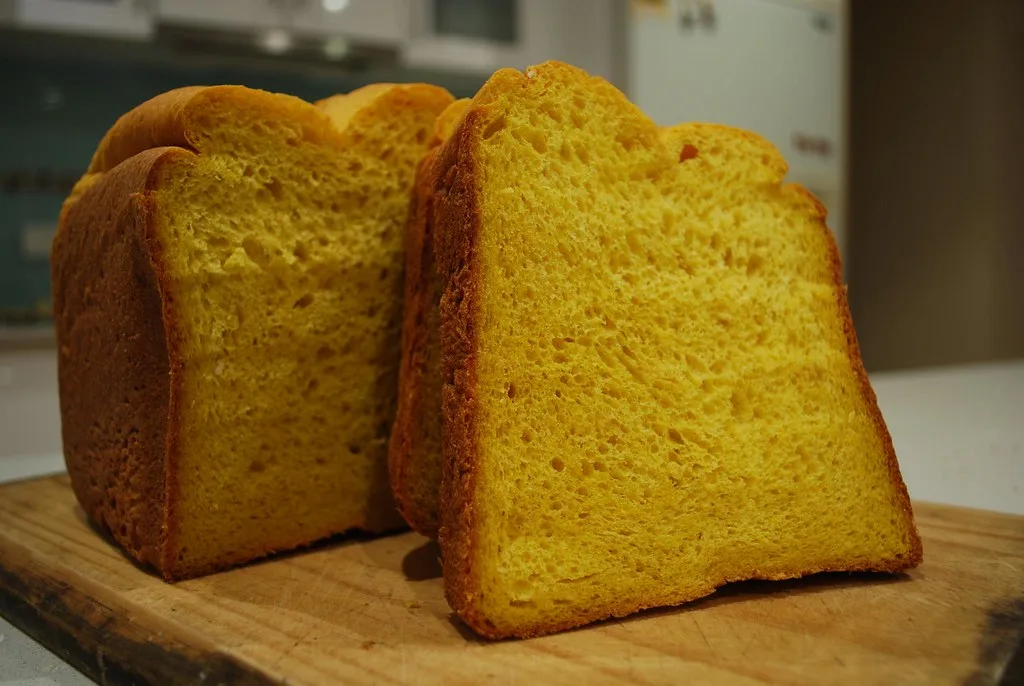
This is a quick bread: no yeast, no proving, mixed in two bowls. The only thing that separates it from the tinned-pumpkin version is the water, and that is handled before the mixing starts.
Make the puree
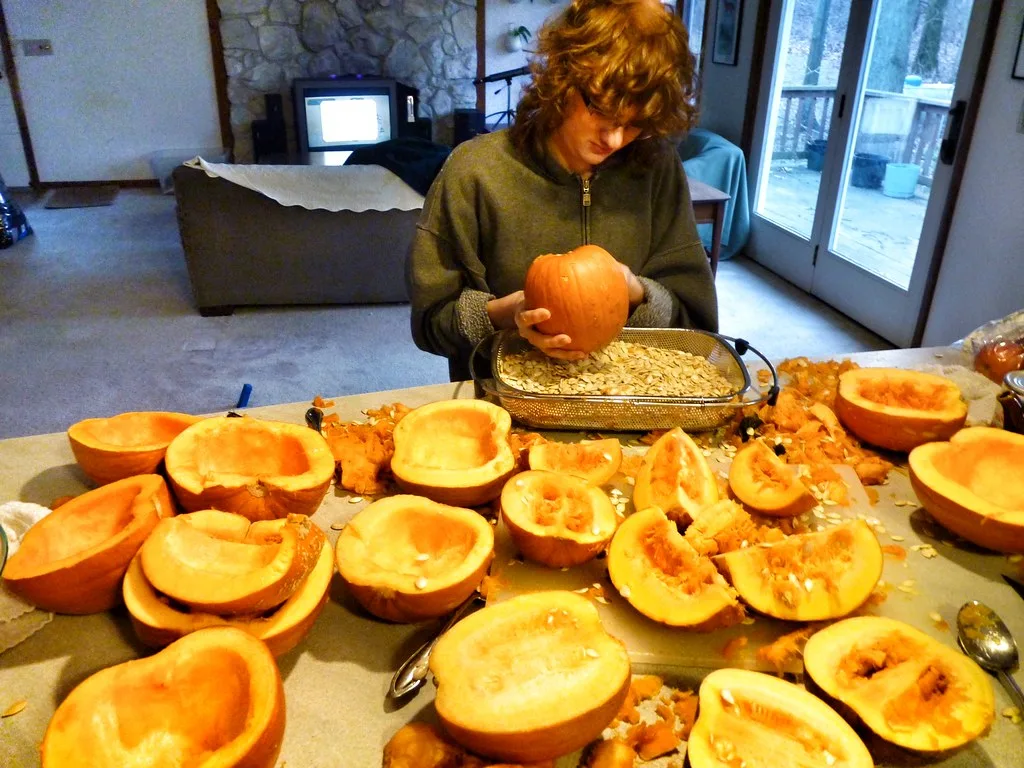
- Halve about 700 g of pumpkin — Crown Prince, kabocha, butternut or a sugar pie pumpkin. Scoop out the seeds and strings and keep them.
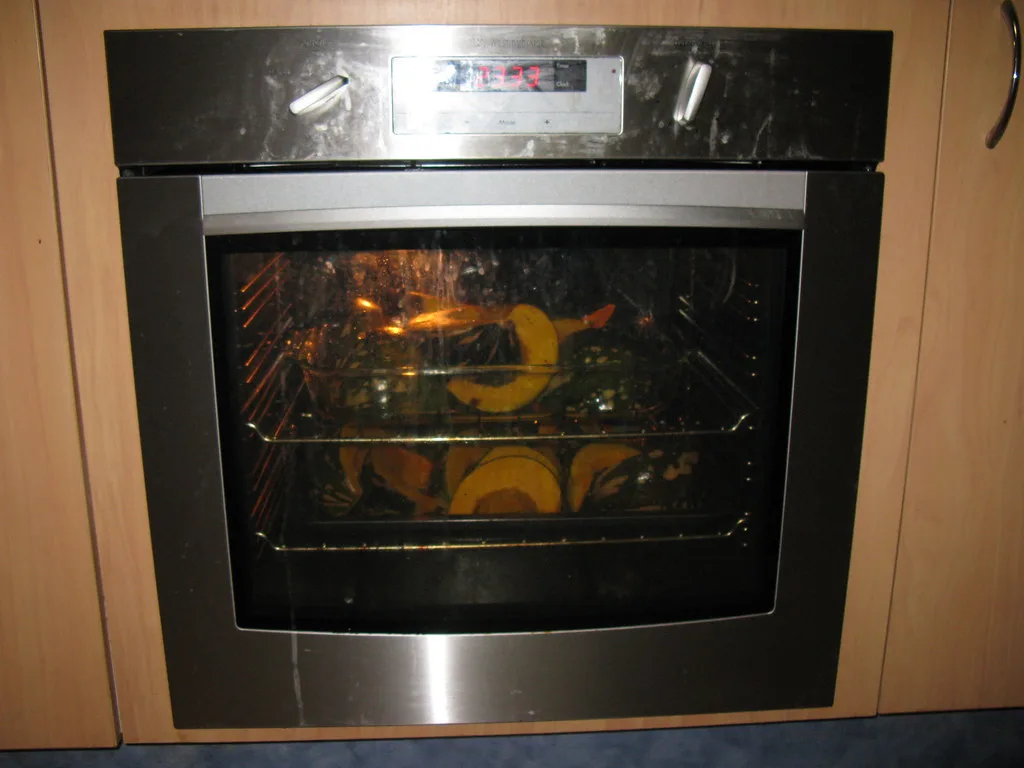
- Roast cut side down at 200°C / 180°C fan for 40–50 minutes, until a knife meets no resistance.
- Cool, scoop the flesh from the skin, and blend smooth.
- Drain in a muslin-lined sieve for an hour, or overnight in the fridge. Press gently at the end.
- Weigh out 300 g.
Skipping the draining step is the single reason home-made pumpkin loaves sink. Boiled pumpkin is worse again — it adds water rather than driving it off.
Ingredients
Makes one 900 g (2 lb) loaf.
- 300 g fresh pumpkin puree, drained
- 250 g plain flour
- 180 g light brown soft sugar
- 2 medium eggs
- 110 ml neutral oil (sunflower or light olive)
- 1 tsp bicarbonate of soda
- ½ tsp baking powder
- ½ tsp fine salt
- 2 tsp ground cinnamon
- 1 tsp ground ginger
- ¼ tsp grated nutmeg
- Pinch of ground cloves
- 1 tsp vanilla extract
- Optional: 80 g pecans or walnuts, roughly chopped; 2 tbsp pumpkin seeds for the top
Note the oil is lower and there is no added milk or water — both are adjustments for fresh puree. If you use tinned puree instead, add 2 tablespoons of milk.
Method
- Heat the oven to 180°C / 160°C fan. Line a 900 g loaf tin with baking paper, leaving an overhang on the long sides.
- Dry bowl: whisk together the flour, bicarbonate of soda, baking powder, salt and all the spices. Whisking matters — bicarbonate in a lump leaves a bitter, grey-green streak.
- Wet bowl: beat the sugar and eggs for a minute, then whisk in the oil, puree and vanilla until smooth.
- Combine: tip the dry into the wet and fold with a spatula until no flour is visible. Stop there. Overmixing develops gluten and makes it tough and tunnelled.
- Fold in the nuts if using.
- Bake 55–65 minutes, scattering seeds over the top after 20 minutes. It is done when a skewer in the centre comes out with a few dry crumbs and no wet batter, and the loaf has pulled slightly from the sides.
- Cool 15 minutes in the tin, then lift out on the paper and cool completely on a rack.
It genuinely improves overnight, wrapped. The spices come forward and the crumb settles.
Troubleshooting
- Sunk in the middle — too much water in the puree, or the oven door opened before 45 minutes.
- Wet, dense band at the bottom — undrained puree, or underbaked. Give it another 10 minutes next time and tent the top with foil.
- Dry and crumbly — over-drained puree or too much flour. Weigh the flour rather than using cups.
- Cracked top — normal and desirable in a quick bread. Not a fault.
- Pale and gummy — oven running cool. Most domestic ovens are 10–15°C out; an oven thermometer costs very little.
Variations
- Chocolate chip — 100 g dark chocolate chips folded in at the end.
- Cream cheese swirl — beat 150 g cream cheese with 40 g sugar and one egg yolk, spoon over half the batter, top with the rest and drag a knife through twice.
- Muffins — same batter, 12 cases, 20–22 minutes at 180°C.
- Less sweet — drop the sugar to 140 g. The loaf holds together fine; it simply reads as a tea bread.
- Spelt — swap half the plain flour for wholemeal spelt and add a tablespoon of milk.
The rest of the pumpkin
A 700 g wedge is a fraction of most pumpkins. The other uses — soup, roast wedges, risotto, curry and gratin — are in fresh pumpkin recipes, and the seeds and stringy centre have their own uses in the pumpkin guts recipe.
Frequently asked questions
Can I use fresh pumpkin instead of tinned in a loaf?
Yes, but drain it first. Tinned puree has been cooked down; fresh roasted puree holds 15 to 25 per cent more water, which is enough to leave a loaf raw in the middle. Drain in muslin for an hour and use the same weight.
How much fresh pumpkin do I need for one loaf?
About 700 g of raw pumpkin gives the 300 g of drained puree this recipe uses. A whole small pumpkin makes two or three loaves' worth.
Why is my pumpkin loaf wet in the middle?
Undrained fresh puree, an oven running cool, or slicing it warm. Bake until a skewer comes out with a few dry crumbs and not a smear, and let it cool completely — the centre keeps setting for an hour after it leaves the oven.
Can I freeze pumpkin loaf?
Yes. Cool completely, wrap in baking paper and then foil, and freeze up to three months. It also freezes well in slices, which toast straight from frozen.