Cobwebs and Spiderwebs: The Difference Is Age, Not Species
4 min read
They come from the same animal. One is in use, the other has been abandoned and has collected dust. That is the whole distinction — plus one older meaning of the word almost nobody uses now.
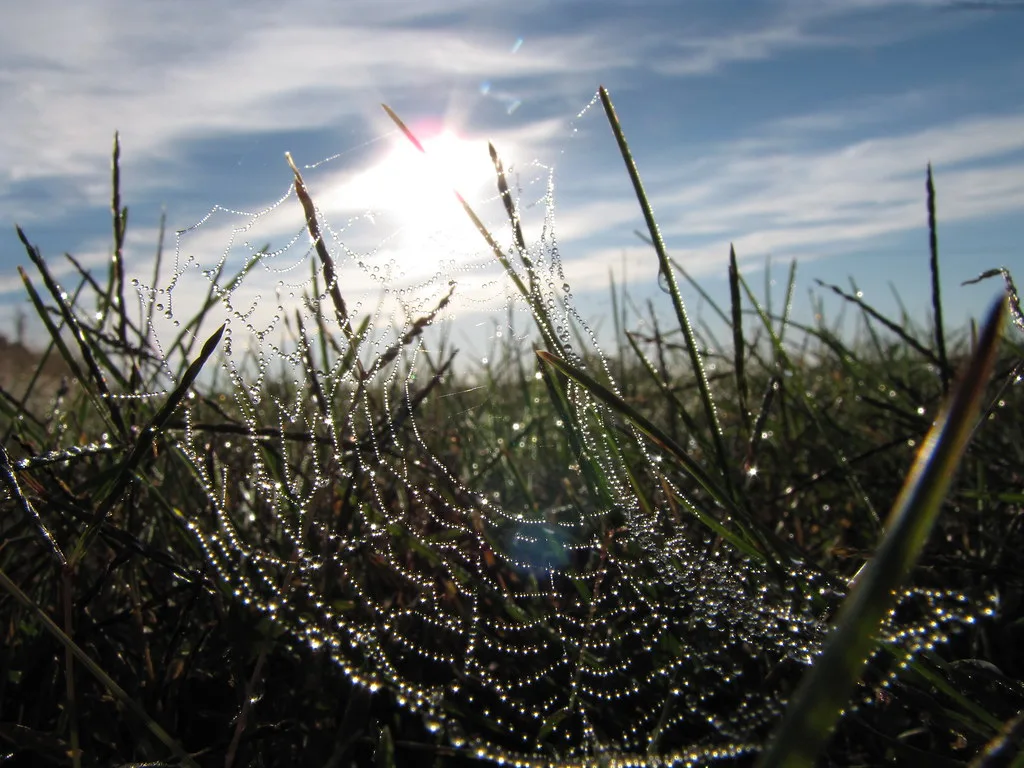
There is no species of animal called a cobweb spider that makes something different from a spiderweb. Every web in your house came out of a spider. The two words describe the same object at two different points in its life.
The short answer
- Spiderweb — a web in use. The spider is nearby, the silk is still sticky, and the structure is under tension.
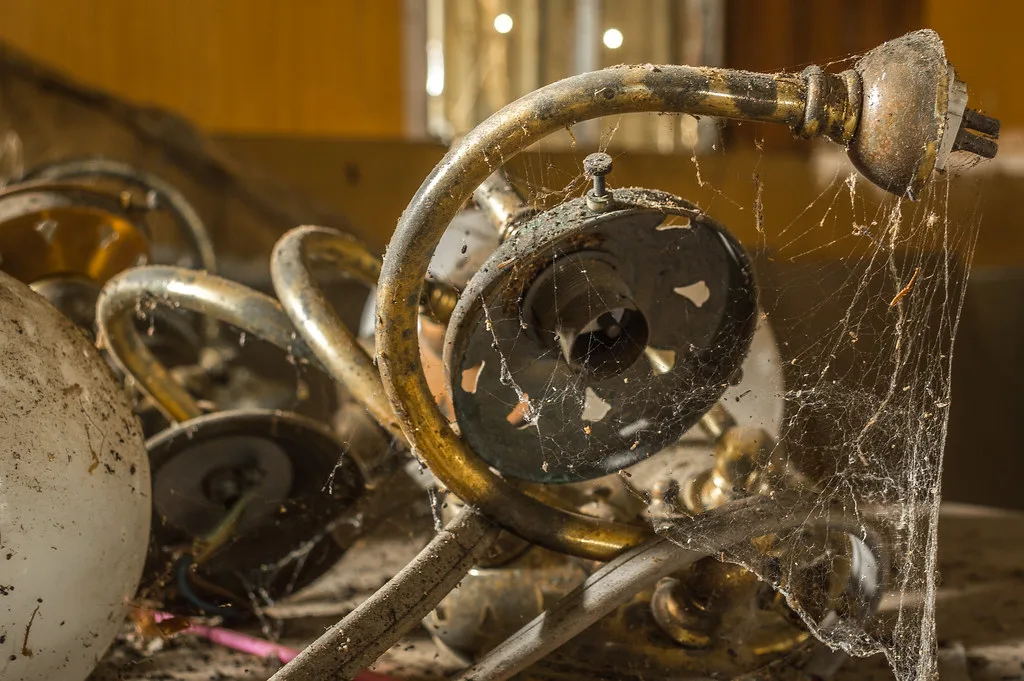
- Cobweb — a web out of use. The spider has gone, the glue droplets have dried, and dust has settled into it until it hangs slack and grey.
That is it. If you dust a corner and the web comes away as a soft grey wad, it was a cobweb. If it springs back and a spider drops out of it, it was a spiderweb.
Where "cob" comes from
"Cob" is from Middle English coppe, meaning spider — so a cobweb is literally a spider's web, and for centuries the word meant nothing else. The modern split, where cobweb picked up its dusty, neglected sense, happened gradually and is now the standard everyday usage.
There is a second, narrower usage among people who study spiders: cobweb spiders is a common name for the family Theridiidae, which build irregular tangle webs rather than the neat orb of a garden spider. In that technical sense a "cobweb" is a web shape, not an old web. Outside entomology almost nobody uses the word that way.
The three web shapes you actually see indoors
- Tangle or cobweb — a shapeless three-dimensional mesh in a ceiling corner, made by house spiders and their relatives. These are the webs that end up as classic dusty cobwebs, because the design is messy to begin with.
- Sheet web — a flat or hammock-shaped mat, often in a window frame or under a shelf, with a spider hanging beneath it.
- Orb web — the spiral wheel, usually outdoors and usually rebuilt daily. Orb weavers eat their own web each morning and spin a new one, which is why you rarely find a dusty orb.
That last point explains the pattern most people notice: cobwebs accumulate indoors, in corners and behind furniture, where tangle-web spiders live and nothing disturbs the silk.
Why old webs collect dust
Orb and sheet webs carry droplets of a glue-like coating on their capture threads. While the web is in use the spider repairs and replaces those threads, and the surface stays effective. Once the spider stops maintaining it:
- The glue dries and stops trapping insects.
- Airborne dust, hair and textile fibres stick to the bare silk instead.
- The added weight pulls the structure out of shape.
- The web goes grey, thickens and hangs limp.
Household air carries a surprising amount of this material, most of it skin flakes and fabric fibre, which is why cobwebs in a bedroom fill up much faster than ones in an unused garage.
Can you tell them apart at a glance?
Three quick tests:
- Colour. Fresh silk is nearly invisible and catches light as a fine line. Grey and visible means loaded with dust.
- Tension. A working web is taut and springs back when you blow on it. An abandoned one drifts and stays displaced.
- Contents. Wrapped prey packages and a tidy retreat funnel mean an occupied web. Nothing but dust means it has been empty a while.
Should you clear them?
Old cobwebs are dead material and clearing them changes nothing for the spider that left. Working webs are a different question: house spiders eat flies, clothes moths and mosquitoes, so a web in a garage or a cellar corner is doing free pest control. Whether they bother you is a matter of taste, not hygiene — see whether cobwebs are actually dangerous for what the evidence says about dust, allergies and bites.
If it is the look you are after rather than the animal, artificial webbing is easy to make and far easier to control — how to make fake cobwebs covers the stretched-wadding and glue-string methods. Wool felters have their own version: cobweb felting makes a deliberately lacy, open fabric named after exactly this.
If you came here for the craft rather than the spider: cobweb felting is the wet felting technique that makes a lacy, web-like wool fabric, and it has nothing to do with dust.
Frequently asked questions
What is the difference between cobwebs and spiderwebs?
A spiderweb is a web a spider is still using to catch prey. A cobweb is an abandoned web that has collected dust and lost its stickiness. Both are made by spiders — the difference is the state of the web, not the animal that spun it.
Are cobwebs and spiderwebs the same thing?
Structurally, yes: the same silk from the same spiders. In everyday English "cobweb" means an old, dusty, disused web, and "spiderweb" means a working one. Neither word describes a different creature.
Do cobwebs mean you still have spiders?
Not necessarily. A cobweb can hang for months after the spider has died or moved on, because there is nothing left in it that decays quickly. A fresh, taut, sticky web is the sign of a resident spider.
Why are cobwebs grey and fluffy?
Airborne dust, skin flakes and fibres stick to the silk and are never cleaned off, because a spider only maintains a web it is actively using. The dust load is what gives an old web its grey, furry look.